HTML SitemapExplore
logo
Find Things to DoFind The Best Restaurants

Istrehågan, Iron age Cemetery — Attraction in Larvik

Name
Istrehågan, Iron age Cemetery
Description
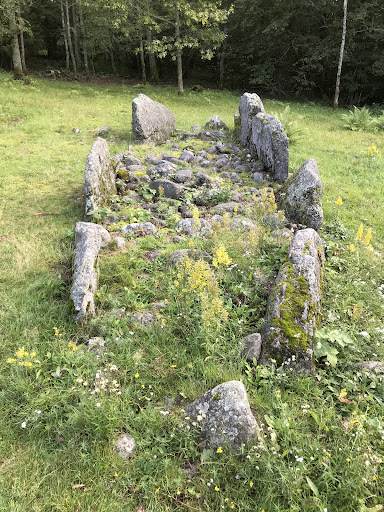
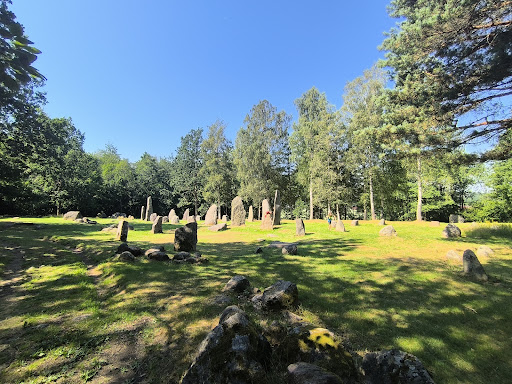
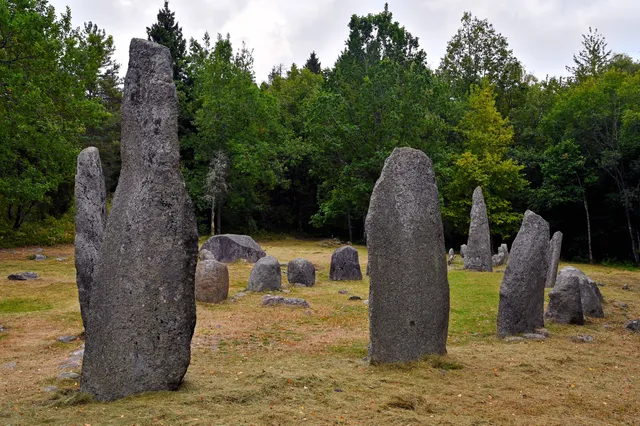
Istrehågan is an ancient monument at Jåberg on the Sandefjord-Larvik border in Vestfold og Telemark, Norway. It is home to some of the largest stone settings in the Nordic countries. Nearby Haugen farm in Sandefjord is home to Vestfold County's largest petroglyph site.
Nearby attractions
Nearby restaurants
Nearby hotels
Related posts
Keywords
Istrehågan, Iron age Cemetery tourism.Istrehågan, Iron age Cemetery hotels.Istrehågan, Iron age Cemetery bed and breakfast. flights to Istrehågan, Iron age Cemetery.Istrehågan, Iron age Cemetery attractions.Istrehågan, Iron age Cemetery restaurants.Istrehågan, Iron age Cemetery travel.Istrehågan, Iron age Cemetery travel guide.Istrehågan, Iron age Cemetery travel blog.Istrehågan, Iron age Cemetery pictures.Istrehågan, Iron age Cemetery photos.Istrehågan, Iron age Cemetery travel tips.Istrehågan, Iron age Cemetery maps.Istrehågan, Iron age Cemetery things to do.
Istrehågan, Iron age Cemetery things to do, attractions, restaurants, events info and trip planning
Istrehågan, Iron age Cemetery
NorwayLarvikIstrehågan, Iron age Cemetery

Basic Info

Istrehågan, Iron age Cemetery

3280 Tjodalyng, Norway
4.6(124)
Open 24 hours
Save
spot

Ratings & Description

Info

Istrehågan is an ancient monument at Jåberg on the Sandefjord-Larvik border in Vestfold og Telemark, Norway. It is home to some of the largest stone settings in the Nordic countries. Nearby Haugen farm in Sandefjord is home to Vestfold County's largest petroglyph site.

Cultural
Outdoor
Scenic
Family friendly
Off the beaten path
attractions: , restaurants:
logoLearn more insights from Wanderboat AI.
Website
visitlarvik.no

Plan your stay

hotel
Pet-friendly Hotels in Larvik
Find a cozy hotel nearby and make it a full experience.
hotel
Affordable Hotels in Larvik
Find a cozy hotel nearby and make it a full experience.
hotel
The Coolest Hotels You Haven't Heard Of (Yet)
Find a cozy hotel nearby and make it a full experience.
hotel
Trending Stays Worth the Hype in Larvik
Find a cozy hotel nearby and make it a full experience.

Reviews

Get the Appoverlay
Get the AppOne tap to find yournext favorite spots!
Wanderboat LogoWanderboat

Your everyday Al companion for getaway ideas

CompanyAbout Us
InformationAI Trip PlannerSitemap
SocialXInstagramTiktokLinkedin
LegalTerms of ServicePrivacy Policy

Get the app

© 2025 Wanderboat. All rights reserved.
logo

Reviews of Istrehågan, Iron age Cemetery

4.6
(124)
avatar
5.0
6y

The stone ship's prow reaches for the sky. Towards the evening sky they stand there like silent soldiers - ready to defend the deceased princes earthly remains. There is an aura of awe that characterizes the monuments of Istrehågan.

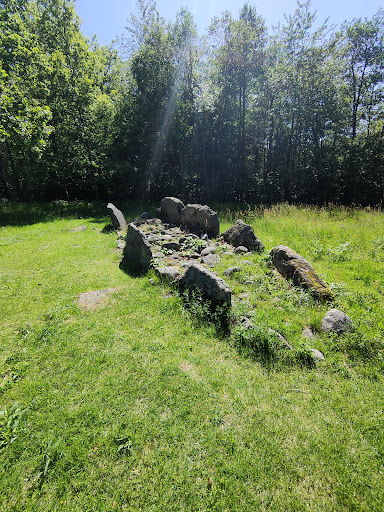
A burial site consisting of three round, stone circles and 2 ship stone settings, as well as a raised stone (memorial).

It has been investigated archaeologically and in the largest ship, signs of cremation were found. Among the  discoveries made were a bone needle, bear claws, eagles bone comb and game pieces in bone, iron nails and shards of pottery all dating from the 4-500 century AD. In the circular stone settings there were also signs of cremations. North of the great ship in the early 1900s the remians of a so-called scrub mill for grinding grain was discovered.

Istrehågan burial ground is clearly visible on a ridge. Along this we find several tombs from the Iron Age. In the valley about 50 meters west of the field is a smaller burial mound and at Iver hill east of the field is another.

The position of these burial mounds were often in sight of a farm and visible from afar. They were considered  a sign  of social standing to those who came along the road, the sea or rivers. A monumental burial was a signal to strangers that they were approaching a rich farm with a strong family. Therefore the burial grounds were often in close proximity to transport routes; such as here on the ancient road through Tjølling, past Tjodalyng (Tjølling church) - Tveiten - Skalleberg over Istre and onto the Sandar. The road is still visible in the form of a trail east of the burial ground and in several places deep trenches (sunken roads) can be seen in the terrain south of stone settings.

It has been questioned whether or not the now lost Istre church or chapel, mentioned in the King's Letter from King Magnus in 1320 and the Red Book 1398 and burned in the 1560s, had been connected with the burials at Istrehågan. There is no evidence for this theory however.

Many of the country's ancient monuments are today just plundered ruins, others are so overgrown that they are barely visible. In particular agricultural restructuring of production is one cause of this - the vegetation is not held down by grazing. It is therefore important that some of the ancient monuments are cleared, restored and are handled manually as is done with this site at Istrehågan. Istrehågan burial mounds were examined by the Museum of National Antiquities and Tjølling historical society in the years 1959-1962 and the standing stones were restored, all the stones had in earlier times...

   Read more

avatar
4.0
3y

Istrehågan dates back to Iron Age. It’s an ancient monument and not only be referred to as a cemetery because it is more than that. It’s an almost secret historical attraction in Norway. I describe it as the Stonehenge of Norway. There is a small parking space for visitors. No entrance fee. No...

   Read more
avatar
5.0
6y

Very nice scenic historical viking cemetery with a nice atmosphere and a nice forest area in the surrounding area👌 there's a decent siced parking space at the "entrance" of the...

   Read more
Page 1 of 7
Previous
Next

Posts

Frank PedersenFrank Pedersen
The stone ship's prow reaches for the sky. Towards the evening sky they stand there like silent soldiers - ready to defend the deceased princes earthly remains. There is an aura of awe that characterizes the monuments of Istrehågan. A burial site consisting of three round, stone circles and 2 ship stone settings, as well as a raised stone (memorial). It has been investigated archaeologically and in the largest ship, signs of cremation were found. Among the  discoveries made were a bone needle, bear claws, eagles bone comb and game pieces in bone, iron nails and shards of pottery all dating from the 4-500 century AD. In the circular stone settings there were also signs of cremations. North of the great ship in the early 1900s the remians of a so-called scrub mill for grinding grain was discovered. Istrehågan burial ground is clearly visible on a ridge. Along this we find several tombs from the Iron Age. In the valley about 50 meters west of the field is a smaller burial mound and at Iver hill east of the field is another. The position of these burial mounds were often in sight of a farm and visible from afar. They were considered  a sign  of social standing to those who came along the road, the sea or rivers. A monumental burial was a signal to strangers that they were approaching a rich farm with a strong family. Therefore the burial grounds were often in close proximity to transport routes; such as here on the ancient road through Tjølling, past Tjodalyng (Tjølling church) - Tveiten - Skalleberg over Istre and onto the Sandar. The road is still visible in the form of a trail east of the burial ground and in several places deep trenches (sunken roads) can be seen in the terrain south of stone settings. It has been questioned whether or not the now lost Istre church or chapel, mentioned in the King's Letter from King Magnus in 1320 and the Red Book 1398 and burned in the 1560s, had been connected with the burials at Istrehågan. There is no evidence for this theory however. Many of the country's ancient monuments are today just plundered ruins, others are so overgrown that they are barely visible. In particular agricultural restructuring of production is one cause of this - the vegetation is not held down by grazing. It is therefore important that some of the ancient monuments are cleared, restored and are handled manually as is done with this site at Istrehågan. Istrehågan burial mounds were examined by the Museum of National Antiquities and Tjølling historical society in the years 1959-1962 and the standing stones were restored, all the stones had in earlier times been overturned
Maria KMaria K
Istrehågan dates back to Iron Age. It’s an ancient monument and not only be referred to as a cemetery because it is more than that. It’s an almost secret historical attraction in Norway. I describe it as the Stonehenge of Norway. There is a small parking space for visitors. No entrance fee. No parking fee.
Johanna U.Johanna U.
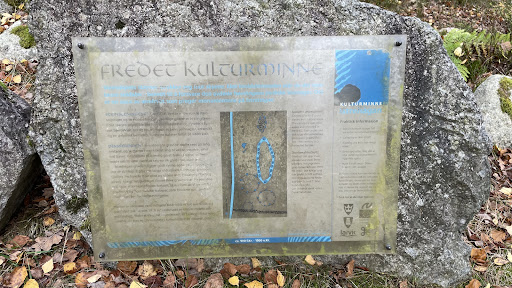
Sehr spannender geschichtlicher Ort, leider sind die Schilder nicht mehr gut lesbar, was ich sehr schade fand, da so viele Hintergrundinfos verloren gehen. Es gibt ein relativ neu wirkendes Schild, allerdings nur auf norwegisch. Habe es mir dann halt übersetzt. Es ist eine gut erhaltene Grabstätte aus der Wikingerzeit. Man bezahlt hier nichts, es ist auch eine schöne Gegend um laufen zu gehen. Parken kann man direkt dort, als wir dort waren, war sonst keiner da.
See more posts
See more posts
hotel
Find your stay

Pet-friendly Hotels in Larvik

Find a cozy hotel nearby and make it a full experience.

The stone ship's prow reaches for the sky. Towards the evening sky they stand there like silent soldiers - ready to defend the deceased princes earthly remains. There is an aura of awe that characterizes the monuments of Istrehågan. A burial site consisting of three round, stone circles and 2 ship stone settings, as well as a raised stone (memorial). It has been investigated archaeologically and in the largest ship, signs of cremation were found. Among the  discoveries made were a bone needle, bear claws, eagles bone comb and game pieces in bone, iron nails and shards of pottery all dating from the 4-500 century AD. In the circular stone settings there were also signs of cremations. North of the great ship in the early 1900s the remians of a so-called scrub mill for grinding grain was discovered. Istrehågan burial ground is clearly visible on a ridge. Along this we find several tombs from the Iron Age. In the valley about 50 meters west of the field is a smaller burial mound and at Iver hill east of the field is another. The position of these burial mounds were often in sight of a farm and visible from afar. They were considered  a sign  of social standing to those who came along the road, the sea or rivers. A monumental burial was a signal to strangers that they were approaching a rich farm with a strong family. Therefore the burial grounds were often in close proximity to transport routes; such as here on the ancient road through Tjølling, past Tjodalyng (Tjølling church) - Tveiten - Skalleberg over Istre and onto the Sandar. The road is still visible in the form of a trail east of the burial ground and in several places deep trenches (sunken roads) can be seen in the terrain south of stone settings. It has been questioned whether or not the now lost Istre church or chapel, mentioned in the King's Letter from King Magnus in 1320 and the Red Book 1398 and burned in the 1560s, had been connected with the burials at Istrehågan. There is no evidence for this theory however. Many of the country's ancient monuments are today just plundered ruins, others are so overgrown that they are barely visible. In particular agricultural restructuring of production is one cause of this - the vegetation is not held down by grazing. It is therefore important that some of the ancient monuments are cleared, restored and are handled manually as is done with this site at Istrehågan. Istrehågan burial mounds were examined by the Museum of National Antiquities and Tjølling historical society in the years 1959-1962 and the standing stones were restored, all the stones had in earlier times been overturned
Frank Pedersen

Frank Pedersen

hotel
Find your stay

Affordable Hotels in Larvik

Find a cozy hotel nearby and make it a full experience.

Get the Appoverlay
Get the AppOne tap to find yournext favorite spots!
Istrehågan dates back to Iron Age. It’s an ancient monument and not only be referred to as a cemetery because it is more than that. It’s an almost secret historical attraction in Norway. I describe it as the Stonehenge of Norway. There is a small parking space for visitors. No entrance fee. No parking fee.
Maria K

Maria K

hotel
Find your stay

The Coolest Hotels You Haven't Heard Of (Yet)

Find a cozy hotel nearby and make it a full experience.

hotel
Find your stay

Trending Stays Worth the Hype in Larvik

Find a cozy hotel nearby and make it a full experience.

Sehr spannender geschichtlicher Ort, leider sind die Schilder nicht mehr gut lesbar, was ich sehr schade fand, da so viele Hintergrundinfos verloren gehen. Es gibt ein relativ neu wirkendes Schild, allerdings nur auf norwegisch. Habe es mir dann halt übersetzt. Es ist eine gut erhaltene Grabstätte aus der Wikingerzeit. Man bezahlt hier nichts, es ist auch eine schöne Gegend um laufen zu gehen. Parken kann man direkt dort, als wir dort waren, war sonst keiner da.
Johanna U.

Johanna U.

See more posts
See more posts