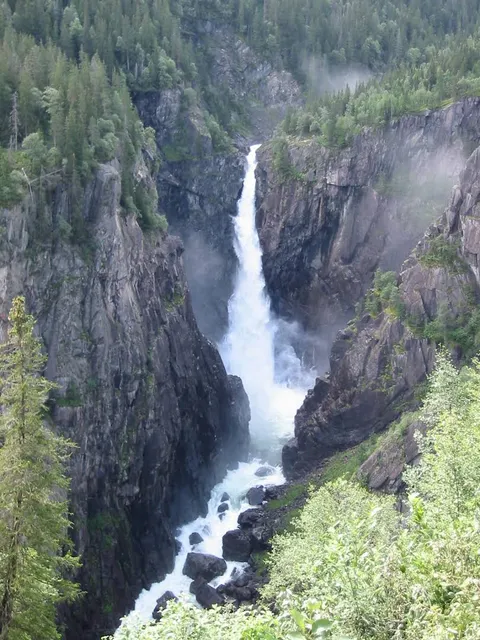
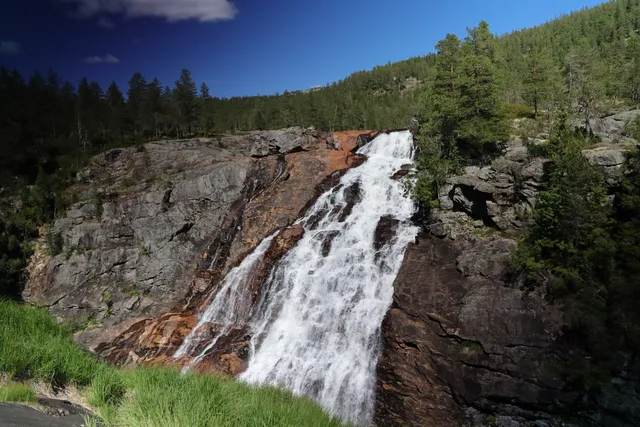
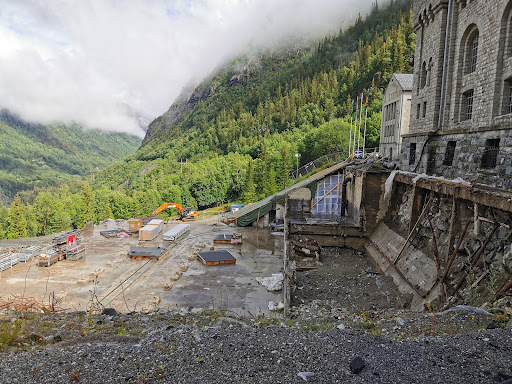
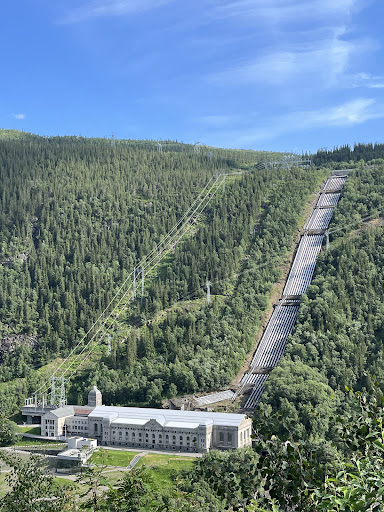
Just being outside the building with the spectacular location is in itself a very unique experience. The power plant is very well preserved, and you have access to the main production hall. But the different exhibitions are rather small, and more could have been done to tell the wartime and industrial history.
From the parking lot there is a 700 meter walk in steep ascent in spectacular nature, including a suspension bridge. At the ticket office you pay for entrance which gives you access to three different exhibitions.
The main purpose of the museum is to tell the story of how life in Rjukan was during the industrial development in early 1900s, and the fight for workers' rights.
It would be reasonable to assume that a majority of the visitors come to learn and experience what the place is known for: the wartime history and the heavy water sabotage. Those visitors might feel that more space and a more extensive exhibition could have been dedicated to tell the story of the resistance, and how life was...
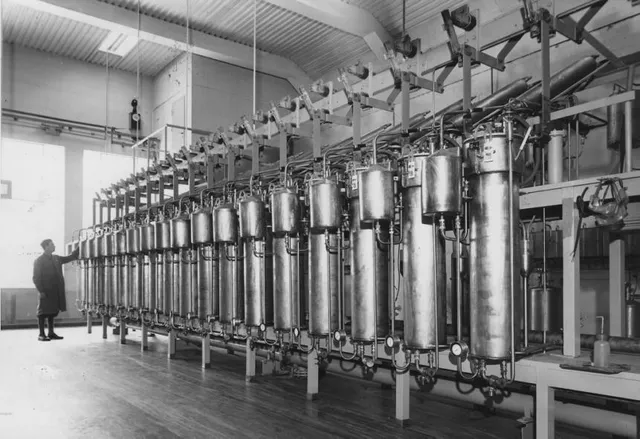
Read moreTo be absolutely honest, after all the hype I've heard about this place, I was a bit dissapointed. The exibitions are word, poorly contruction and lacks with information. The mainproduction hall with the turbines have no information whatsoever about the turbines, how they function or anything. I get that this is not a technical museum, but come on! Its your main display feature and there was not a single information sign. Not one! As for the workers exhibitions it was telling very little other than what we already knew from common knowledge. There were where few items at display and entire rooms full had information in norwegian only. The caffeteria food was ok, although quite expensive. It was interresting to see the newly dug up heavy water explosion are, but again, very little information. The museum need to step up and become what a museum is supposed to do - educate. I wouldnt go as far as saying that it was not worth the entrance fee or visit, but I will not be...
Read moreCame here having known a little of the WW2 story, but the museum covers so much more of the local history of the valley. The site is so much more than the few years during it's occupation, and it's good to see the wider story of the area as well as the courage and drama of WW2 in the context of the location it happened in. We were fascinated by the development that took place to install and utilise the hydro resource!
A couple of the exhibits needed a bit of repair, which is sad as they'd have helped with the storytelling and demonstration of the technical aspects of the site to our children, but also as a note we came here after the Norwegian schools had gone back, so the museum had an 'out of summer holidays' feel about it. It may have been that they were going into a maintenance period after the summer rush.
Disabled access was good, considering the original industrial nature of the site, the wheelchair user in our group didn't have an issue...
Read more