HTML SitemapExplore
logo
Find Things to DoFind The Best Restaurants

Al Baleed Archeological Park — Attraction in Dhofar Governorate

Name
Al Baleed Archeological Park
Description
Nearby attractions
The Museum of the Frankincense Land
Salalah, Oman
Nearby restaurants
Nearby hotels
Casa Di Legno Resort
Al Salam Road, Al Muntazah St, Dahariz, Salalah, Dahariz, Oman
Al Baleed Resort Salalah by Anantara
PC 214, Al Mansurah Street, Al Baleed, Salalah 360, Oman
Villa/Farmhouse for rent Salalah
249J+2WQ, Near, Salalah 211, Oman
Related posts
Keywords
Al Baleed Archeological Park tourism.Al Baleed Archeological Park hotels.Al Baleed Archeological Park bed and breakfast. flights to Al Baleed Archeological Park.Al Baleed Archeological Park attractions.Al Baleed Archeological Park restaurants.Al Baleed Archeological Park travel.Al Baleed Archeological Park travel guide.Al Baleed Archeological Park travel blog.Al Baleed Archeological Park pictures.Al Baleed Archeological Park photos.Al Baleed Archeological Park travel tips.Al Baleed Archeological Park maps.Al Baleed Archeological Park things to do.
Al Baleed Archeological Park things to do, attractions, restaurants, events info and trip planning
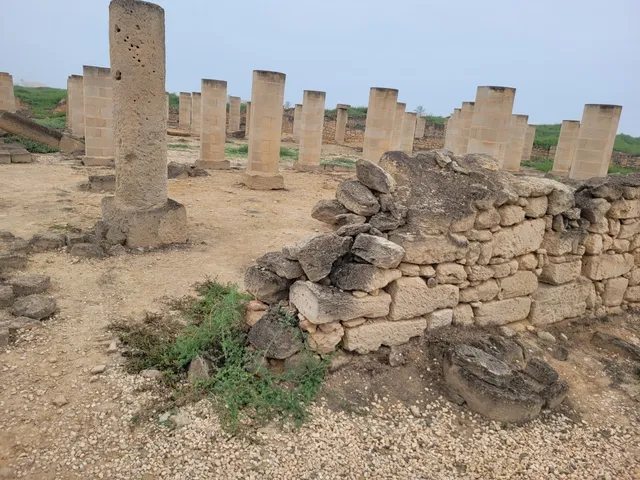
Al Baleed Archeological Park
OmanDhofar GovernorateAl Baleed Archeological Park

Basic Info

Al Baleed Archeological Park

245M+HR7، Unnamed Road, Salalah, Oman
4.4(562)
Open 24 hours
Save
spot

Ratings & Description

Info

Cultural
Outdoor
Scenic
Family friendly
Accessibility
attractions: The Museum of the Frankincense Land, restaurants:
logoLearn more insights from Wanderboat AI.
Phone
+968 24 955500

Plan your stay

hotel
Pet-friendly Hotels in Dhofar Governorate
Find a cozy hotel nearby and make it a full experience.

hotel
Affordable Hotels in Dhofar Governorate
Find a cozy hotel nearby and make it a full experience.

hotel
The Coolest Hotels You Haven't Heard Of (Yet)
Find a cozy hotel nearby and make it a full experience.

hotel
Trending Stays Worth the Hype in Dhofar Governorate
Find a cozy hotel nearby and make it a full experience.

Reviews

Nearby attractions of Al Baleed Archeological Park

The Museum of the Frankincense Land
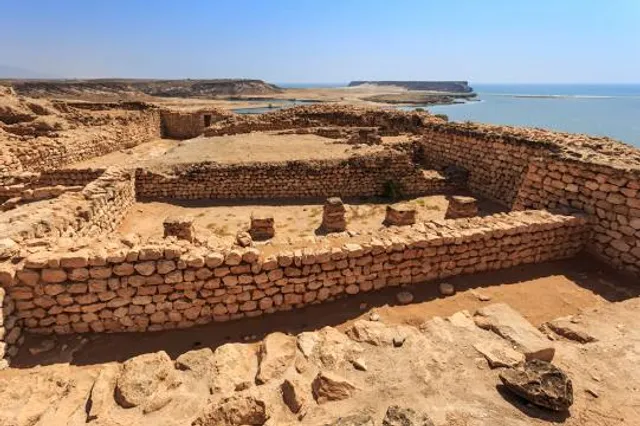
The Museum of the Frankincense Land

The Museum of the Frankincense Land

4.4

(746)

Open 24 hours
Click for details
Get the Appoverlay
Get the AppOne tap to find yournext favorite spots!
Wanderboat LogoWanderboat

Your everyday Al companion for getaway ideas

CompanyAbout Us
InformationAI Trip PlannerSitemap
SocialXInstagramTiktokLinkedin
LegalTerms of ServicePrivacy Policy

Get the app

© 2025 Wanderboat. All rights reserved.
logo

Reviews of Al Baleed Archeological Park

4.4
(562)
avatar
5.0
25w

Nestled on the serene coast of Salalah, Oman, the Al Baleed Archaeological Park offers a portal into a time when ancient ships carried frankincense across the seas and traded stories with faraway lands. Recognized as a UNESCO World Heritage Site, this open-air museum once flourished as the port city of Zafar, a vital node in the fabled Incense Route.

We opted for a relaxing yet insightful ride through history aboard a golf cart—just OMR 1 per person.

Over the course of 4 to 5 kilometers, we traced the ancient city’s heartbeat, stopping at every key site to explore up close, snap photos, and feel the quiet weight of centuries gone by.

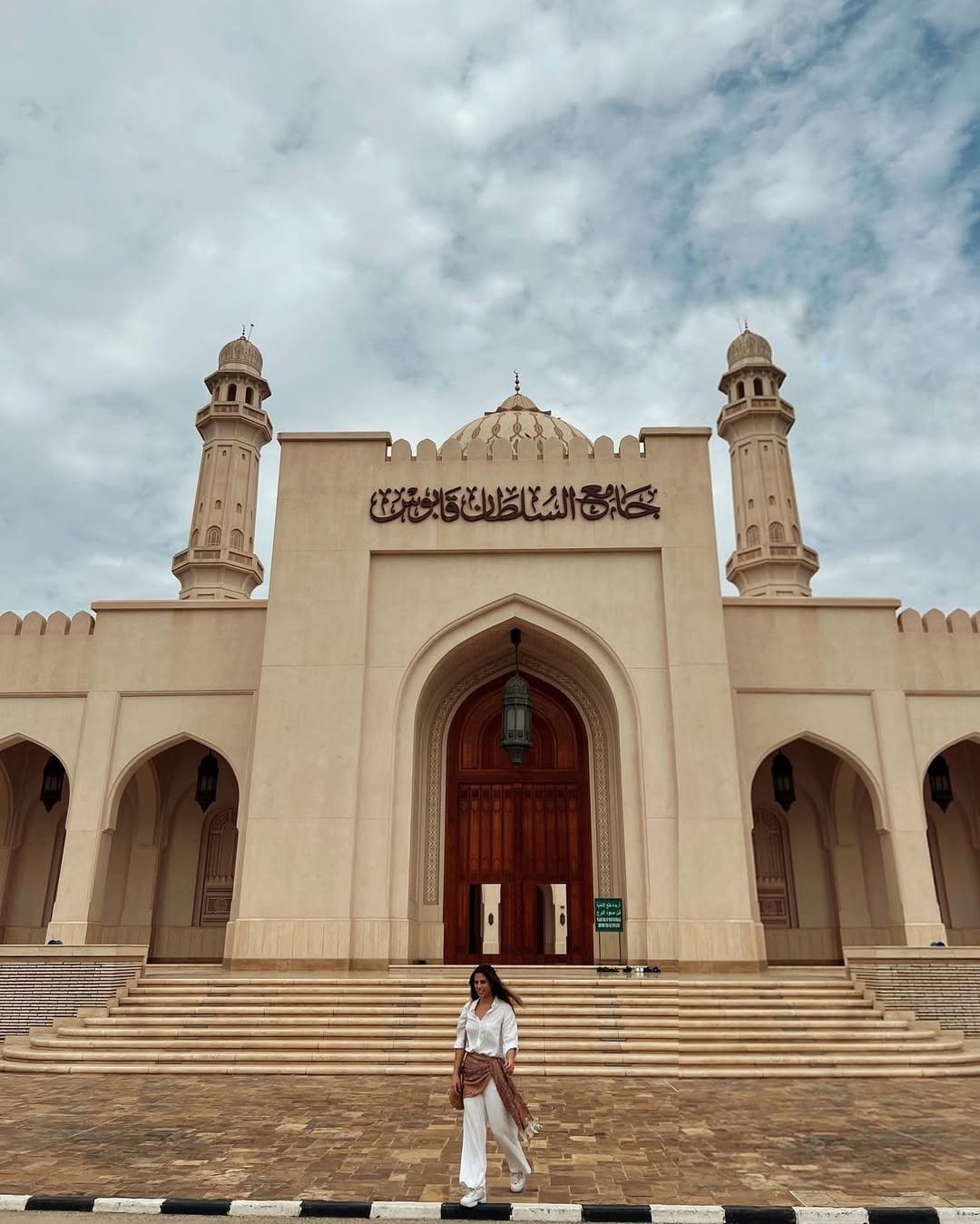
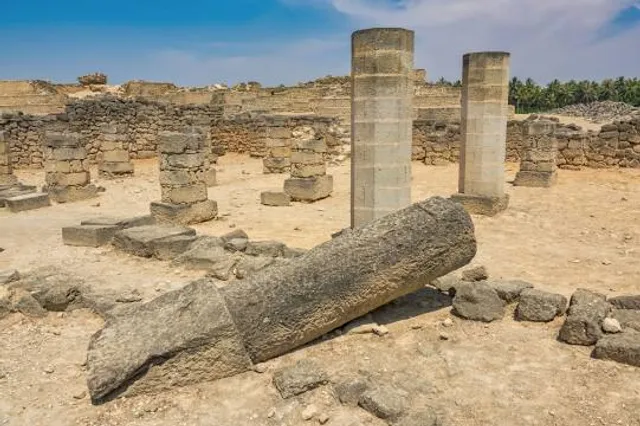
Our first stop: the “Grand Mosque ruins”, where towering stone remnants hinted at spiritual gatherings from centuries past.

Next, we drifted beside the “Ancient City Walls”, once formidable defenses that now embrace the park in solemn dignity.

The “Al Baleed Fort” or Palace ruins, stood nearby—its weathered stones and sprawling layout evoking images of sultans and seaside strategy.

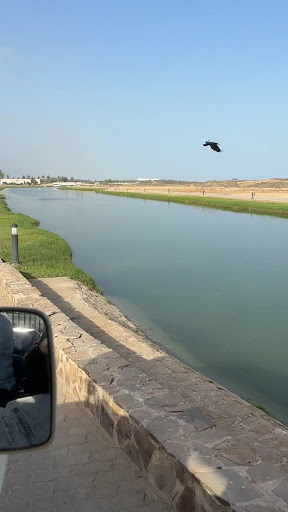
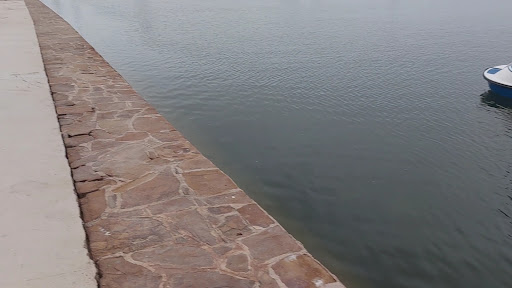
At the “Lagoon” the desert met the shimmer of water, inviting a moment of stillness and reflection. And finally, we wandered through the “Museum of the Frankincense Land”, where ancient coins, ship models, and trade artifacts painted a vivid picture of life in Zafar’s golden age.

I managed to capture some photos and videos during our visit—frozen frames of time I’d be thrilled to share.

Each site has its own tale.

History buffs, plan for 2-3 hours (excluding the museum) to soak in the rich heritage and stories...

   Read more
avatar
5.0
5y

من موقع البليد الأثري حيث يعتبر مدينة تاريخية بناها المنجويين في القرن الرابع الهجري من العصر الإسلامي. تقع في احد إحياء مدينة صلالة الحالية بمنطقة الحافة وبقت المدينة الرئيسية إلى إن شيدت ظفار الحديثة التي اختطها احمد بن محمد الحبوظي سنة 620 وسميت باسم ظفار الحبوظي تبلغ مساحة مدينة البليد الأثرية ستمائة وأربعون ألف متر مربع وهي المدينة الإسلامية الأثرية الأكثر أهمية على ساحل بحر العرب خلال القرون الوسطي.

وقد اجمع الباحثون من خلال الاكتشافات والشواهد الأثرية ومن دراسات الفخار والمواد العضوية بأن الموقع يعود الى العصر الاسلامى بينما تشير الشواهد الى أن الموقع كان مأهولا منذ أواخر الألفية الخامسة قبل الميلاد وأوائل الألفية الرابعة قبل الميلاد ( القرن الرابع الهجري ) وتعرضت المدينة للدمار وأعيد بناؤها عام 1221م وتفيد المصادر التاريخية بأن المدينة قد أعيد تأسيسها في القرن العاشر الميلادي ثم جدد بناؤها بمستوى معماري متقدم يضاهى المدن الإسلامية الكبيرة في أساليب الفن المعماري وفى أسوارها الكبيرة وتحصيناتها القوية كما اشتملت منشآت المدينة بتميز فنها المعماري مثل الحصن والجامع الكبير والمساجد الصغيرة ودور السكن والمرافق العامة الأخرى.

وقد استفادت هذه المدينة من تجارة اللبان مما أدى الى ازدهارها حيث شملت صلاتها التجارية موانئ الصين والهند والسند واليمن وشرق أفريقيا من جهة والعراق وأوروبا من جهة أخرى. وقد قام الباحث بيرترام توماس في عام 1930م بالتقاط صور ضوئية للموقع والتي مثلت أهم المراجع في دراسة الفن الهندسي والمعماري للمنطقة كما قامت البعثة الأمريكية برئاسة وندل فليبس وبإدارة ويليام فرانك البرايت في عام 1952م بالكشف عن مبنى كبير في أقصى شرق المدينة وبقايا أعمدة مزخرفة وأحجار مطلية وبقايا قواعد أعمدة. كما تم تنفيذ برامج حفريات وتنقيب وترميم في المدينة بالتعاون مع جامعات متخصصة من ألمانيا كشفت عن كثير من معالم المدينة الهامة ولا تزال أعمال التنقيب والترميم مستمرة للكشف عن معالم أخرى في المدينة مثل الجامع الكبير وهو من أهم المباني في الموقع ويضم نحو 144 عمودا تشكل ثلاثة عشر صفا من الأعمدة موازية لجدار القبلة معظمها ثمانية الأضلاع ويتوسطها مساحة غير مسقوفة كما تم الكشف عن مجموعة من المساجد الصغيرة ودور للسكن وكذلك حصن البليد الذي هو مقر الحاكم ومركز السلطة في المدينة ويقع شمالي المسجد الكبير وتم الكشف عن بعض أجزاء أبراج الحصن ومداخله.

وذكرت المصادر التاريخية أن مدينة البليد كانت محصنة ومحاطة بأسوار دفاعية ولها أربع بوابات وقد جاءت التنقيبات لتبين امتداد هذا السور حول المدينة حيث تم الكشف عن جزء كبير من سور الجانب الشمالي لها والذي يحتوى على البوابات مع أبراج في جوانبه ويحيط بالمدينة خندق مائي (خور) من الجهة الشمالية والشرقية والغربية إلا أن الخور في الجهة الغربية اندثر بفعل الزمن ويعتقد أن الخور كان يستخدم لنقل البضائع الى المدينة من السفن الراسية في البحر أو كمرسى طبيعي للسفن الصغيرة أو كحماية طبيعية للمدينة من السيول لتصريف المياه الى البحر ويعتبر خور البليد محمية طبيعية ضمن محميات الخيران بساحل محافظة ظفار.

تم أدرج أثار مدينة البليد ضمن سجل التراث العالمي في العام 2000م وتقوم الحكومة بحماية هذه الآثار والاعتناء بها وتشييد المنشاءات التي من شانها الترويج لهذا الموقع...

   Read more
avatar
3.0
14w

It's an interesting place that has 4 parts, 1- maritime exhibition where you will learn about ships and how that affected the trading of omanies 2- historical exhibition where you will learn about the frankincense and lost of other historical things related to oman and salalah. 3- the multimedia exhibition which is an interesting place to learn about the nature life of oman and salalah 4- al baleed archaeological site, where you will learn about found city of al baleed. From my pov, the part i liked most is the maritime, all other locations were ok, except for albaleed site, there's no much information about it and the information given leaves you with many unanswered questions. You can but tickets before proceeding to the...

   Read more
Page 1 of 7
Previous
Next

Posts

Ahsan's Window (Ahsan Khan)Ahsan's Window (Ahsan Khan)
Nestled on the serene coast of Salalah, Oman, the Al Baleed Archaeological Park offers a portal into a time when ancient ships carried frankincense across the seas and traded stories with faraway lands. Recognized as a UNESCO World Heritage Site, this open-air museum once flourished as the port city of Zafar, a vital node in the fabled Incense Route. We opted for a relaxing yet insightful ride through history aboard a golf cart—just OMR 1 per person. Over the course of 4 to 5 kilometers, we traced the ancient city’s heartbeat, stopping at every key site to explore up close, snap photos, and feel the quiet weight of centuries gone by. Our first stop: the “Grand Mosque ruins”, where towering stone remnants hinted at spiritual gatherings from centuries past. Next, we drifted beside the “Ancient City Walls”, once formidable defenses that now embrace the park in solemn dignity. The “Al Baleed Fort” or Palace ruins, stood nearby—its weathered stones and sprawling layout evoking images of sultans and seaside strategy. At the “Lagoon” the desert met the shimmer of water, inviting a moment of stillness and reflection. And finally, we wandered through the “Museum of the Frankincense Land”, where ancient coins, ship models, and trade artifacts painted a vivid picture of life in Zafar’s golden age. I managed to capture some photos and videos during our visit—frozen frames of time I’d be thrilled to share. Each site has its own tale. History buffs, plan for 2-3 hours (excluding the museum) to soak in the rich heritage and stories of the region.
Almahri _Almahri _
من موقع البليد الأثري حيث يعتبر مدينة تاريخية بناها المنجويين في القرن الرابع الهجري من العصر الإسلامي. تقع في احد إحياء مدينة صلالة الحالية بمنطقة الحافة وبقت المدينة الرئيسية إلى إن شيدت ظفار الحديثة التي اختطها احمد بن محمد الحبوظي سنة 620 وسميت باسم ظفار الحبوظي تبلغ مساحة مدينة البليد الأثرية ستمائة وأربعون ألف متر مربع وهي المدينة الإسلامية الأثرية الأكثر أهمية على ساحل بحر العرب خلال القرون الوسطي. وقد اجمع الباحثون من خلال الاكتشافات والشواهد الأثرية ومن دراسات الفخار والمواد العضوية بأن الموقع يعود الى العصر الاسلامى بينما تشير الشواهد الى أن الموقع كان مأهولا منذ أواخر الألفية الخامسة قبل الميلاد وأوائل الألفية الرابعة قبل الميلاد ( القرن الرابع الهجري ) وتعرضت المدينة للدمار وأعيد بناؤها عام 1221م وتفيد المصادر التاريخية بأن المدينة قد أعيد تأسيسها في القرن العاشر الميلادي ثم جدد بناؤها بمستوى معماري متقدم يضاهى المدن الإسلامية الكبيرة في أساليب الفن المعماري وفى أسوارها الكبيرة وتحصيناتها القوية كما اشتملت منشآت المدينة بتميز فنها المعماري مثل الحصن والجامع الكبير والمساجد الصغيرة ودور السكن والمرافق العامة الأخرى. وقد استفادت هذه المدينة من تجارة اللبان مما أدى الى ازدهارها حيث شملت صلاتها التجارية موانئ الصين والهند والسند واليمن وشرق أفريقيا من جهة والعراق وأوروبا من جهة أخرى. وقد قام الباحث بيرترام توماس في عام 1930م بالتقاط صور ضوئية للموقع والتي مثلت أهم المراجع في دراسة الفن الهندسي والمعماري للمنطقة كما قامت البعثة الأمريكية برئاسة وندل فليبس وبإدارة ويليام فرانك البرايت في عام 1952م بالكشف عن مبنى كبير في أقصى شرق المدينة وبقايا أعمدة مزخرفة وأحجار مطلية وبقايا قواعد أعمدة. كما تم تنفيذ برامج حفريات وتنقيب وترميم في المدينة بالتعاون مع جامعات متخصصة من ألمانيا كشفت عن كثير من معالم المدينة الهامة ولا تزال أعمال التنقيب والترميم مستمرة للكشف عن معالم أخرى في المدينة مثل الجامع الكبير وهو من أهم المباني في الموقع ويضم نحو 144 عمودا تشكل ثلاثة عشر صفا من الأعمدة موازية لجدار القبلة معظمها ثمانية الأضلاع ويتوسطها مساحة غير مسقوفة كما تم الكشف عن مجموعة من المساجد الصغيرة ودور للسكن وكذلك حصن البليد الذي هو مقر الحاكم ومركز السلطة في المدينة ويقع شمالي المسجد الكبير وتم الكشف عن بعض أجزاء أبراج الحصن ومداخله. وذكرت المصادر التاريخية أن مدينة البليد كانت محصنة ومحاطة بأسوار دفاعية ولها أربع بوابات وقد جاءت التنقيبات لتبين امتداد هذا السور حول المدينة حيث تم الكشف عن جزء كبير من سور الجانب الشمالي لها والذي يحتوى على البوابات مع أبراج في جوانبه ويحيط بالمدينة خندق مائي (خور) من الجهة الشمالية والشرقية والغربية إلا أن الخور في الجهة الغربية اندثر بفعل الزمن ويعتقد أن الخور كان يستخدم لنقل البضائع الى المدينة من السفن الراسية في البحر أو كمرسى طبيعي للسفن الصغيرة أو كحماية طبيعية للمدينة من السيول لتصريف المياه الى البحر ويعتبر خور البليد محمية طبيعية ضمن محميات الخيران بساحل محافظة ظفار. تم أدرج أثار مدينة البليد ضمن سجل التراث العالمي في العام 2000م وتقوم الحكومة بحماية هذه الآثار والاعتناء بها وتشييد المنشاءات التي من شانها الترويج لهذا الموقع الأثري الهام
MOHAMED YOUSUF HASAN VEENDHRAUTHARMOHAMED YOUSUF HASAN VEENDHRAUTHAR
The 12th-century trading harbor of Zafar is where the historic ruins of Al Baleed are located. In return for spices, frankincense was transported from this location to India. The excellent on-site Museum of the Frankincense Land, which recounts the region's settlement since 2000 BC and demonstrates the country's nautical strength, including its recent resurgence, provides little information concerning the port's decline. The property has several kilometers of beautifully groomed trails, and the nearby reed beds are excellent for birdwatching. A 20-minute tour of the expansive grounds is offered to visitors in an electric car for 500 baisa per person and 2 OMR for car parking fees.
See more posts
See more posts
hotel
Find your stay

Pet-friendly Hotels in Dhofar Governorate

Find a cozy hotel nearby and make it a full experience.

Nestled on the serene coast of Salalah, Oman, the Al Baleed Archaeological Park offers a portal into a time when ancient ships carried frankincense across the seas and traded stories with faraway lands. Recognized as a UNESCO World Heritage Site, this open-air museum once flourished as the port city of Zafar, a vital node in the fabled Incense Route. We opted for a relaxing yet insightful ride through history aboard a golf cart—just OMR 1 per person. Over the course of 4 to 5 kilometers, we traced the ancient city’s heartbeat, stopping at every key site to explore up close, snap photos, and feel the quiet weight of centuries gone by. Our first stop: the “Grand Mosque ruins”, where towering stone remnants hinted at spiritual gatherings from centuries past. Next, we drifted beside the “Ancient City Walls”, once formidable defenses that now embrace the park in solemn dignity. The “Al Baleed Fort” or Palace ruins, stood nearby—its weathered stones and sprawling layout evoking images of sultans and seaside strategy. At the “Lagoon” the desert met the shimmer of water, inviting a moment of stillness and reflection. And finally, we wandered through the “Museum of the Frankincense Land”, where ancient coins, ship models, and trade artifacts painted a vivid picture of life in Zafar’s golden age. I managed to capture some photos and videos during our visit—frozen frames of time I’d be thrilled to share. Each site has its own tale. History buffs, plan for 2-3 hours (excluding the museum) to soak in the rich heritage and stories of the region.
Ahsan's Window (Ahsan Khan)

Ahsan's Window (Ahsan Khan)

hotel
Find your stay

Affordable Hotels in Dhofar Governorate

Find a cozy hotel nearby and make it a full experience.

Get the Appoverlay
Get the AppOne tap to find yournext favorite spots!
من موقع البليد الأثري حيث يعتبر مدينة تاريخية بناها المنجويين في القرن الرابع الهجري من العصر الإسلامي. تقع في احد إحياء مدينة صلالة الحالية بمنطقة الحافة وبقت المدينة الرئيسية إلى إن شيدت ظفار الحديثة التي اختطها احمد بن محمد الحبوظي سنة 620 وسميت باسم ظفار الحبوظي تبلغ مساحة مدينة البليد الأثرية ستمائة وأربعون ألف متر مربع وهي المدينة الإسلامية الأثرية الأكثر أهمية على ساحل بحر العرب خلال القرون الوسطي. وقد اجمع الباحثون من خلال الاكتشافات والشواهد الأثرية ومن دراسات الفخار والمواد العضوية بأن الموقع يعود الى العصر الاسلامى بينما تشير الشواهد الى أن الموقع كان مأهولا منذ أواخر الألفية الخامسة قبل الميلاد وأوائل الألفية الرابعة قبل الميلاد ( القرن الرابع الهجري ) وتعرضت المدينة للدمار وأعيد بناؤها عام 1221م وتفيد المصادر التاريخية بأن المدينة قد أعيد تأسيسها في القرن العاشر الميلادي ثم جدد بناؤها بمستوى معماري متقدم يضاهى المدن الإسلامية الكبيرة في أساليب الفن المعماري وفى أسوارها الكبيرة وتحصيناتها القوية كما اشتملت منشآت المدينة بتميز فنها المعماري مثل الحصن والجامع الكبير والمساجد الصغيرة ودور السكن والمرافق العامة الأخرى. وقد استفادت هذه المدينة من تجارة اللبان مما أدى الى ازدهارها حيث شملت صلاتها التجارية موانئ الصين والهند والسند واليمن وشرق أفريقيا من جهة والعراق وأوروبا من جهة أخرى. وقد قام الباحث بيرترام توماس في عام 1930م بالتقاط صور ضوئية للموقع والتي مثلت أهم المراجع في دراسة الفن الهندسي والمعماري للمنطقة كما قامت البعثة الأمريكية برئاسة وندل فليبس وبإدارة ويليام فرانك البرايت في عام 1952م بالكشف عن مبنى كبير في أقصى شرق المدينة وبقايا أعمدة مزخرفة وأحجار مطلية وبقايا قواعد أعمدة. كما تم تنفيذ برامج حفريات وتنقيب وترميم في المدينة بالتعاون مع جامعات متخصصة من ألمانيا كشفت عن كثير من معالم المدينة الهامة ولا تزال أعمال التنقيب والترميم مستمرة للكشف عن معالم أخرى في المدينة مثل الجامع الكبير وهو من أهم المباني في الموقع ويضم نحو 144 عمودا تشكل ثلاثة عشر صفا من الأعمدة موازية لجدار القبلة معظمها ثمانية الأضلاع ويتوسطها مساحة غير مسقوفة كما تم الكشف عن مجموعة من المساجد الصغيرة ودور للسكن وكذلك حصن البليد الذي هو مقر الحاكم ومركز السلطة في المدينة ويقع شمالي المسجد الكبير وتم الكشف عن بعض أجزاء أبراج الحصن ومداخله. وذكرت المصادر التاريخية أن مدينة البليد كانت محصنة ومحاطة بأسوار دفاعية ولها أربع بوابات وقد جاءت التنقيبات لتبين امتداد هذا السور حول المدينة حيث تم الكشف عن جزء كبير من سور الجانب الشمالي لها والذي يحتوى على البوابات مع أبراج في جوانبه ويحيط بالمدينة خندق مائي (خور) من الجهة الشمالية والشرقية والغربية إلا أن الخور في الجهة الغربية اندثر بفعل الزمن ويعتقد أن الخور كان يستخدم لنقل البضائع الى المدينة من السفن الراسية في البحر أو كمرسى طبيعي للسفن الصغيرة أو كحماية طبيعية للمدينة من السيول لتصريف المياه الى البحر ويعتبر خور البليد محمية طبيعية ضمن محميات الخيران بساحل محافظة ظفار. تم أدرج أثار مدينة البليد ضمن سجل التراث العالمي في العام 2000م وتقوم الحكومة بحماية هذه الآثار والاعتناء بها وتشييد المنشاءات التي من شانها الترويج لهذا الموقع الأثري الهام
Almahri _

Almahri _

hotel
Find your stay

The Coolest Hotels You Haven't Heard Of (Yet)

Find a cozy hotel nearby and make it a full experience.

hotel
Find your stay

Trending Stays Worth the Hype in Dhofar Governorate

Find a cozy hotel nearby and make it a full experience.

The 12th-century trading harbor of Zafar is where the historic ruins of Al Baleed are located. In return for spices, frankincense was transported from this location to India. The excellent on-site Museum of the Frankincense Land, which recounts the region's settlement since 2000 BC and demonstrates the country's nautical strength, including its recent resurgence, provides little information concerning the port's decline. The property has several kilometers of beautifully groomed trails, and the nearby reed beds are excellent for birdwatching. A 20-minute tour of the expansive grounds is offered to visitors in an electric car for 500 baisa per person and 2 OMR for car parking fees.
MOHAMED YOUSUF HASAN VEENDHRAUTHAR

MOHAMED YOUSUF HASAN VEENDHRAUTHAR

See more posts
See more posts