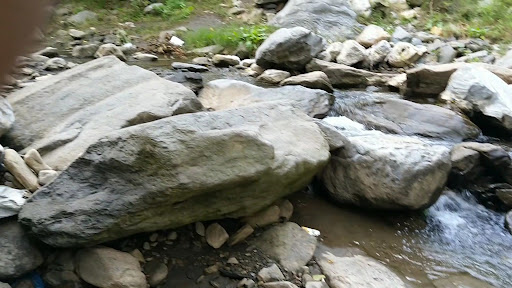
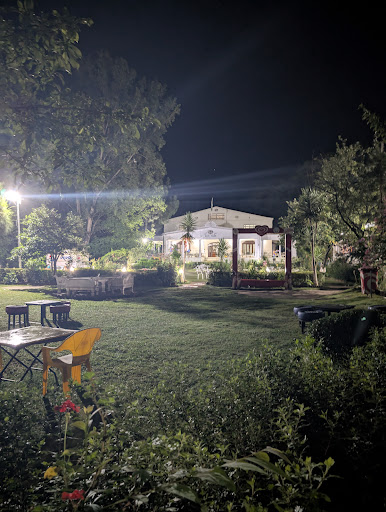
The White Palace of Marghazar was built in 1940 by the first king of Swat, Miangul Abdul Wadud (Badshah Sahib)in the small town of Marghazar situated at about 13 kilometers away from Saidu Sharif. The name was given to the palace as it was built of white marble. The palace now serves as a hotel. The White Palace at Marghazar was the summer residence of the Wali of Swat, Miangul Jehanzeb. Located at 7,000 feet above sea level on Marghazar Hill, it was later converted into a tourist resort.
Sufid Mahal Marghazar
History
Sufid Mahal Marghazar
The greenery of gorgeous landscape persuaded King of Swat Miangul Abdul Wadud (Badshah Sahib) in 1935 to build a summer resort here. The King brought marble from Agra, bronze from Belgium and artisans from Turkey who designed and constructed the palace, completing it in 1941. It was first named Swatti Taj Mahal, later Motti Mahal and now Sufed Mahal (White Palace). Then it was enriched with selective fauna and flora that made it a mini zoo as well as mini botanical garden.
Structure
There are 24 active spacious decorated rooms and the Royal Suite (ex-King’s bedroom) where Elizabeth II (Queen of England) and Prince Philip (Duke of Edinburgh) stayed for three days in 1961. There are two big conference halls where King Abdul Wadood used to hold cabinet meetings. There is King's lobby to have a beautiful view of the garden lawn. On the right side, there is a king’s veranda to have a glimpse of a swirling stream of water. On the left side of palace is situated a six-roomed Lord's Block for the residence of ministers and advisors. On the upper portion of the palace, there is the eight-roomed Prince Block, it is an enclave in tree and shrubs. Climbing further stairs, there is a twelve-roomed Queen's block. King Abdul Wadood had two wives so he built this block in way that each wife got 3 rooms, 3 servant rooms and a separate lawn in her share. The counterpart portion of second wife is replica of the first one. In front of the lawn, there is a single balcony with marble benches and table with engraved paintings of grapes.
Raw materials
Sufid Mahal Marghazar night view
The material of White Palace was imported from Jaypure India, the same quarry that supplied marble to the Taj Mahal Agra. Chuna (lime) is used as binding material in place of cement. It is so compact to be drilled. The height of ceiling is 30–35 ft to give extra strength and ward off heat. Ceiling fans were imported and installed in 1941 and are still working.
After the death of Miangul Wadood, Miangul Asfandyar Amir Zeb became the owner. Nowadays Miangul Shahriyar Amir Zeb is the owner. Queen Elizabeth II of England also visited the palace in 1961 and stayed here for three days. There is also a 200-year-old colossal chinar tree, serving as canopy for visitors.
The White Palace is now converted into a hotel and has become a visitor...
Read moreWhite Palace Sawat, also known as White Palace Swat or White Palace Hotel, is a popular tourist attraction located in the scenic Swat Valley in Pakistan. This magnificent palace is perched on a hilltop, overlooking the picturesque valley and offering breathtaking views of the surrounding mountains.
The White Palace is known for its exquisite architecture, featuring a stunning blend of traditional Islamic and modern styles. The palace stands tall with its white marble façade, intricate carvings, and beautiful gardens, creating a mesmerizing sight for visitors.
Originally built as a royal residence for the Wali of Swat in the early 20th century, the White Palace has now been transformed into a luxury hotel, offering a unique and opulent experience for guests. The interior of the palace showcases rich furnishings, elegant decor, and spacious rooms that reflect the grandeur of its past.
The hotel offers a range of amenities and services to ensure a comfortable stay for its guests. From luxurious suites to beautiful gardens, guests can relax and unwind amidst the tranquil surroundings. The palace also houses a restaurant that serves both local and international cuisine, tantalizing the taste buds of visitors.
One of the highlights of a visit to the White Palace is the panoramic view it offers of the Swat Valley. Guests can enjoy the breathtaking vistas of lush green meadows, cascading waterfalls, and snow-capped peaks from the palace's vantage point. It's a perfect spot for nature enthusiasts, photographers, and those seeking solitude in the lap of nature.
Apart from the scenic beauty, the Swat Valley is also known for its rich historical and cultural heritage. Visitors can indulge in activities like exploring ancient Buddhist sites, visiting traditional villages, and experiencing the warm hospitality of the locals. The White Palace serves as an excellent base for exploring these attractions and immersing oneself in the captivating charm of Swat.
To reach the White Palace, visitors can easily access it by road from major cities like Islamabad and Peshawar. The journey to Swat Valley itself is a delight, passing through scenic landscapes and winding mountain roads.
Overall, the White Palace Sawat is a gem nestled in the heart of the Swat Valley, offering a perfect blend of luxury, natural beauty, and cultural exploration. Whether you're a history buff, a nature lover, or simply seeking a peaceful getaway, a visit to the White Palace is sure to leave you with...
Read moreThe White Palace in Marghuzar, Swat Valley, is a historic gem that combines regal charm with natural beauty. Built in 1941 by the first king of Swat, Miangul Abdul Wadud, the palace is made from imported white marble—hence the name—and stands as a stunning example of colonial-era architecture infused with local craftsmanship.
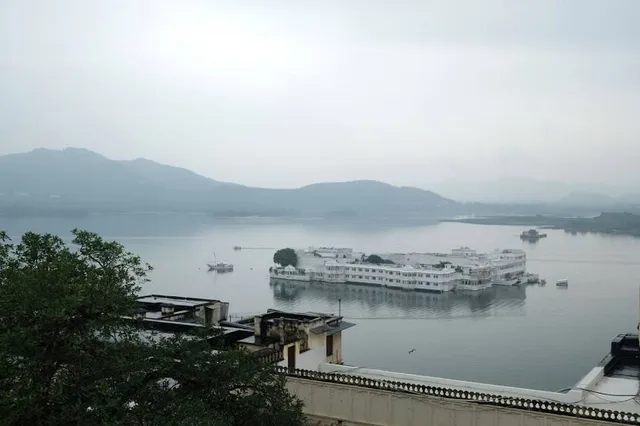
Set against the backdrop of the lush Marghuzar hills, the White Palace offers a peaceful and scenic retreat. The surrounding gardens, ancient trees, and panoramic views create a serene atmosphere ideal for relaxation. Inside, the palace retains its original elegance, with vintage furniture, chandeliers, and photographs that tell the story of Swat’s royal past. Though the structure has aged, its charm remains intact, and the overall ambiance transports visitors back in time.
The palace now serves partly as a heritage hotel, and while the accommodations are basic, they offer a unique experience of staying in a royal residence. The staff is courteous, and local food served on-site is fresh and flavorful, though the menu is limited.
One downside is that the maintenance could be improved in some areas, particularly the gardens and outer structures. Also, getting there requires a short drive from Mingora on a road that can be a bit rough in places.
Despite these minor drawbacks, the White Palace is a must-visit for history buffs, photographers, and anyone looking to explore the cultural heritage of Swat. It’s a beautiful blend of history, nature, and tranquility—well...
Read more