HTML SitemapExplore
logo
Find Things to DoFind The Best Restaurants

Mohra Moradu Buddhist Stupa & Monastery — Attraction in Khanpur Tehsil

Name
Mohra Moradu Buddhist Stupa & Monastery
Description
Nearby attractions
Nearby restaurants
Nearby hotels
Related posts
Day 4: Chasing Gandhara's Ghosts
Keywords
Mohra Moradu Buddhist Stupa & Monastery tourism.Mohra Moradu Buddhist Stupa & Monastery hotels.Mohra Moradu Buddhist Stupa & Monastery bed and breakfast. flights to Mohra Moradu Buddhist Stupa & Monastery.Mohra Moradu Buddhist Stupa & Monastery attractions.Mohra Moradu Buddhist Stupa & Monastery restaurants.Mohra Moradu Buddhist Stupa & Monastery travel.Mohra Moradu Buddhist Stupa & Monastery travel guide.Mohra Moradu Buddhist Stupa & Monastery travel blog.Mohra Moradu Buddhist Stupa & Monastery pictures.Mohra Moradu Buddhist Stupa & Monastery photos.Mohra Moradu Buddhist Stupa & Monastery travel tips.Mohra Moradu Buddhist Stupa & Monastery maps.Mohra Moradu Buddhist Stupa & Monastery things to do.
Mohra Moradu Buddhist Stupa & Monastery things to do, attractions, restaurants, events info and trip planning
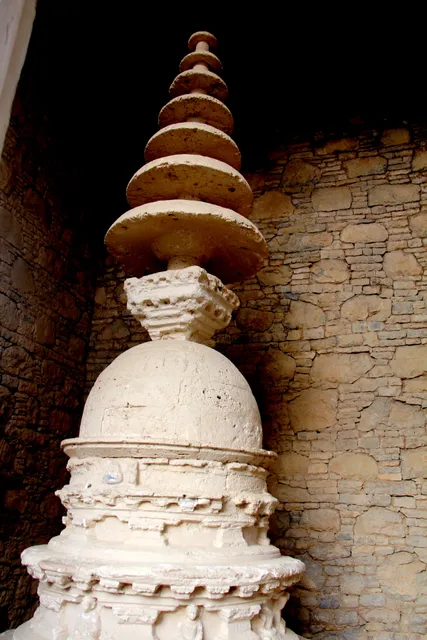
Mohra Moradu Buddhist Stupa & Monastery
PakistanKhyber PakhtunkhwaKhanpur TehsilMohra Moradu Buddhist Stupa & Monastery

Basic Info

Mohra Moradu Buddhist Stupa & Monastery

Off N-125, Taxila, Pakistan
4.5(198)
Open 24 hours
Save
spot

Ratings & Description

Info

Cultural
Outdoor
Scenic
Off the beaten path
attractions: , restaurants:
logoLearn more insights from Wanderboat AI.
Phone
+92 322 5428127

Plan your stay

hotel
Pet-friendly Hotels in Khanpur Tehsil
Find a cozy hotel nearby and make it a full experience.
hotel
Affordable Hotels in Khanpur Tehsil
Find a cozy hotel nearby and make it a full experience.
hotel
The Coolest Hotels You Haven't Heard Of (Yet)
Find a cozy hotel nearby and make it a full experience.
hotel
Trending Stays Worth the Hype in Khanpur Tehsil
Find a cozy hotel nearby and make it a full experience.

Reviews

Get the Appoverlay
Get the AppOne tap to find yournext favorite spots!
Wanderboat LogoWanderboat

Your everyday Al companion for getaway ideas

CompanyAbout Us
InformationAI Trip PlannerSitemap
SocialXInstagramTiktokLinkedin
LegalTerms of ServicePrivacy Policy

Get the app

© 2025 Wanderboat. All rights reserved.
logo

Reviews of Mohra Moradu Buddhist Stupa & Monastery

4.5
(198)
avatar
4.0
2y

From the ancient Neolithic tumulus of Saraikala to the ramparts of Sirkap (2nd century B.C.) and the city of Sirsukh (1st century A.D.), Taxila illustrates the different stages in the development of a city on the Indus that was alternately influenced by Persia, Greece and Central Asia and which, from the 5th century B.C. to the 2nd century A.D., was an important Buddhist centre of learning.

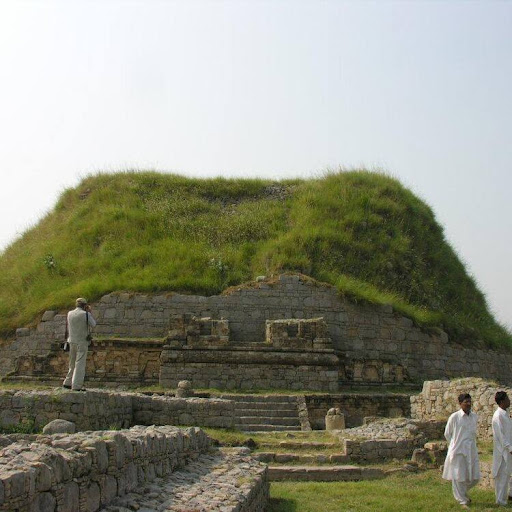
Taxila, located in the Rawalpindi district of Pakistan’s Punjab province, is a vast serial site that includes a Mesolithic cave and the archaeological remains of four early settlement sites, Buddhist monasteries, and a Muslim mosque and madrassa. Situated strategically on a branch of the Silk Road that linked China to the West, Taxila reached its apogee between the 1st and 5th centuries. It is now one of the most important archaeological sites in Asia. The ruins of the four settlement sites at Taxila reveal the pattern of urban evolution on the Indian subcontinent through more than five centuries. One of these sites, the Bihr mound, is associated with the historic event of the triumphant entry of Alexander the Great into Taxila.The archaeological sites of Saraikala, Bhir, Sirkap, and Sirsukh are collectively of unique importance in illustrating the evolution of urban settlement on the Indian subcontinent. The prehistoric mound of Saraikala represents the earliest settlement of Taxila, with evidence of Neolithic, Bronze Age, and Iron Age occupation. The Bhir mound is the earliest historic city of Taxila, and was probably founded in the 6th century BC by the Achaemenians. Its stone walls, house foundations, and winding streets represent the earliest forms of urbanization on the subcontinent. Bihr is also associated with Alexander the Great’s triumphant entry into Taxila in 326 BC. Sirkap was a fortified city founded during the mid-2nd century BC. The many private houses, stupas, and temples were laid out on the Hellenistic grid system and show the strong Western classical influence on local architecture. The city was destroyed in the 1st century by the Kushans, a Central Asian tribe. To the north, excavations of the ruins of the Kushan city of Sirsukh have brought to light an irregular rectangle of walls in ashlar masonry, with rounded bastions. These walls attest to the early influence of Central Asian architectural forms on those of the...

   Read more
avatar
5.0
4y

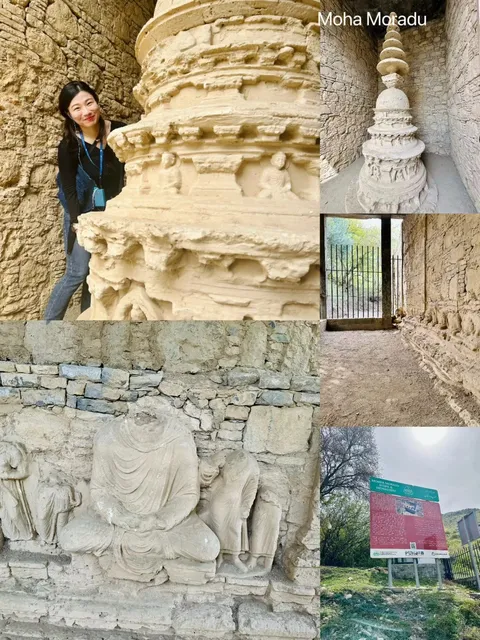
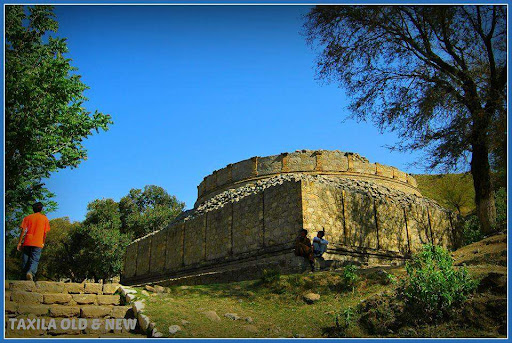
Mohra Muradu (Urdu: موہرا مرادو‎) is the place of an ancient Buddhist stupa and monastery near the ruins of Taxila built by the Kushans. The ancient monastery is located in a valley and offers a beautiful view of the surrounding mountains. The monks could meditate in all stillness at this place but were near enough to the city of Sirsukh to go for begging as it is only around 1.5 km away.

Mohra Muradu موہرا مرادو

The main Stupa at Mohra Muradu monastery at Taxila, Pakistan.


Shown within Pakistan

Show map of PakistanShow map of GandharaShow all

LocationTaxila, PakistanCoordinates33.760821°N 72.860635°ETypeStupa and monasteryHistoryCulturesKushan, KidariteSite notesArchaeologistsSir John Marshall

UNESCO World Heritage Site

Official nameTaxilaCriteriaiii, ivDesignated1980Reference no.139

The city was built in the 2nd century CE and renovated in the 5th century. Thus it belongs to the Kushan age.

The ruins consist of three distinct parts, which include the main stupa, a votive stupa and the monastery and have been included in the world heritage list of the UNESCO since 1980 under Taxila.

ExcavationEdit

The ruins of Mohra Muradu were excavated under the supervision of Sir John Marshall by Abdul Qadir in 1914-1915. They consist of a buddhistic monastery and two stupas. The main stupa is built on a foundation more than 4.75 meters high. The smaller, votive, stupa lies behind...

   Read more
avatar
4.0
7y

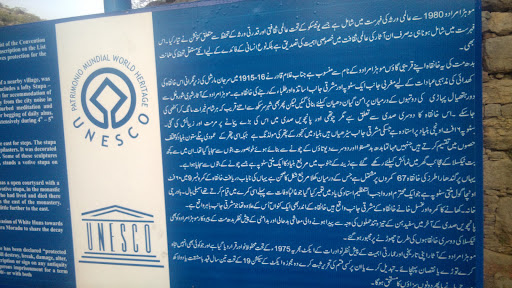
It is a very ancient and historical place located within the Hathial Mountain near the main road from Taxilla to Khanpur dam. UNESCO added this place in the 1980 to its list of historical places. It's name was derived from the nearby Mohra Muradu village. The digging of this site was carried out in 1915-16 by Ghulam Qadir under the supervision of Sir John Marshall. This historical monastery belonged to 2nd century B.C. However, its large scale renovation was carried out in 4th & 5th century. This Buddhist monastery consists of 67 rooms. Assembly arena, kitchen, dining room and bathroom located at the eastern side. A water well located inside the monastery despite another one at outside. The important discovery of this site is a 60 feet tall Stupa in room 9 which probably belongs to a teacher reside in this room before his death. The monastery was decorated beautifully with the sculptures of Buddha and other gods made from lime stone. Site was abandoned after the attacks of White Huns at the end of 5th...

   Read more
Page 1 of 7
Previous
Next

Posts

Day 4: Chasing Gandhara's Ghosts
Phoenix Wright Phoenix Wright
Day 4: Chasing Gandhara's Ghosts
Latif Ur Rehman (Latifmedia)Latif Ur Rehman (Latifmedia)
From the ancient Neolithic tumulus of Saraikala to the ramparts of Sirkap (2nd century B.C.) and the city of Sirsukh (1st century A.D.), Taxila illustrates the different stages in the development of a city on the Indus that was alternately influenced by Persia, Greece and Central Asia and which, from the 5th century B.C. to the 2nd century A.D., was an important Buddhist centre of learning. Taxila, located in the Rawalpindi district of Pakistan’s Punjab province, is a vast serial site that includes a Mesolithic cave and the archaeological remains of four early settlement sites, Buddhist monasteries, and a Muslim mosque and madrassa. Situated strategically on a branch of the Silk Road that linked China to the West, Taxila reached its apogee between the 1st and 5th centuries. It is now one of the most important archaeological sites in Asia. The ruins of the four settlement sites at Taxila reveal the pattern of urban evolution on the Indian subcontinent through more than five centuries. One of these sites, the Bihr mound, is associated with the historic event of the triumphant entry of Alexander the Great into Taxila.The archaeological sites of Saraikala, Bhir, Sirkap, and Sirsukh are collectively of unique importance in illustrating the evolution of urban settlement on the Indian subcontinent. The prehistoric mound of Saraikala represents the earliest settlement of Taxila, with evidence of Neolithic, Bronze Age, and Iron Age occupation. The Bhir mound is the earliest historic city of Taxila, and was probably founded in the 6th century BC by the Achaemenians. Its stone walls, house foundations, and winding streets represent the earliest forms of urbanization on the subcontinent. Bihr is also associated with Alexander the Great’s triumphant entry into Taxila in 326 BC. Sirkap was a fortified city founded during the mid-2nd century BC. The many private houses, stupas, and temples were laid out on the Hellenistic grid system and show the strong Western classical influence on local architecture. The city was destroyed in the 1st century by the Kushans, a Central Asian tribe. To the north, excavations of the ruins of the Kushan city of Sirsukh have brought to light an irregular rectangle of walls in ashlar masonry, with rounded bastions. These walls attest to the early influence of Central Asian architectural forms on those of the subcontinent.
Navid AnjumNavid Anjum
It is a very ancient and historical place located within the Hathial Mountain near the main road from Taxilla to Khanpur dam. UNESCO added this place in the 1980 to its list of historical places. It's name was derived from the nearby Mohra Muradu village. The digging of this site was carried out in 1915-16 by Ghulam Qadir under the supervision of Sir John Marshall. This historical monastery belonged to 2nd century B.C. However, its large scale renovation was carried out in 4th & 5th century. This Buddhist monastery consists of 67 rooms. Assembly arena, kitchen, dining room and bathroom located at the eastern side. A water well located inside the monastery despite another one at outside. The important discovery of this site is a 60 feet tall Stupa in room 9 which probably belongs to a teacher reside in this room before his death. The monastery was decorated beautifully with the sculptures of Buddha and other gods made from lime stone. Site was abandoned after the attacks of White Huns at the end of 5th century B.C.
See more posts
See more posts
hotel
Find your stay

Pet-friendly Hotels in Khanpur Tehsil

Find a cozy hotel nearby and make it a full experience.

Day 4: Chasing Gandhara's Ghosts
Phoenix Wright

Phoenix Wright

hotel
Find your stay

Affordable Hotels in Khanpur Tehsil

Find a cozy hotel nearby and make it a full experience.

Get the Appoverlay
Get the AppOne tap to find yournext favorite spots!
From the ancient Neolithic tumulus of Saraikala to the ramparts of Sirkap (2nd century B.C.) and the city of Sirsukh (1st century A.D.), Taxila illustrates the different stages in the development of a city on the Indus that was alternately influenced by Persia, Greece and Central Asia and which, from the 5th century B.C. to the 2nd century A.D., was an important Buddhist centre of learning. Taxila, located in the Rawalpindi district of Pakistan’s Punjab province, is a vast serial site that includes a Mesolithic cave and the archaeological remains of four early settlement sites, Buddhist monasteries, and a Muslim mosque and madrassa. Situated strategically on a branch of the Silk Road that linked China to the West, Taxila reached its apogee between the 1st and 5th centuries. It is now one of the most important archaeological sites in Asia. The ruins of the four settlement sites at Taxila reveal the pattern of urban evolution on the Indian subcontinent through more than five centuries. One of these sites, the Bihr mound, is associated with the historic event of the triumphant entry of Alexander the Great into Taxila.The archaeological sites of Saraikala, Bhir, Sirkap, and Sirsukh are collectively of unique importance in illustrating the evolution of urban settlement on the Indian subcontinent. The prehistoric mound of Saraikala represents the earliest settlement of Taxila, with evidence of Neolithic, Bronze Age, and Iron Age occupation. The Bhir mound is the earliest historic city of Taxila, and was probably founded in the 6th century BC by the Achaemenians. Its stone walls, house foundations, and winding streets represent the earliest forms of urbanization on the subcontinent. Bihr is also associated with Alexander the Great’s triumphant entry into Taxila in 326 BC. Sirkap was a fortified city founded during the mid-2nd century BC. The many private houses, stupas, and temples were laid out on the Hellenistic grid system and show the strong Western classical influence on local architecture. The city was destroyed in the 1st century by the Kushans, a Central Asian tribe. To the north, excavations of the ruins of the Kushan city of Sirsukh have brought to light an irregular rectangle of walls in ashlar masonry, with rounded bastions. These walls attest to the early influence of Central Asian architectural forms on those of the subcontinent.
Latif Ur Rehman (Latifmedia)

Latif Ur Rehman (Latifmedia)

hotel
Find your stay

The Coolest Hotels You Haven't Heard Of (Yet)

Find a cozy hotel nearby and make it a full experience.

hotel
Find your stay

Trending Stays Worth the Hype in Khanpur Tehsil

Find a cozy hotel nearby and make it a full experience.

It is a very ancient and historical place located within the Hathial Mountain near the main road from Taxilla to Khanpur dam. UNESCO added this place in the 1980 to its list of historical places. It's name was derived from the nearby Mohra Muradu village. The digging of this site was carried out in 1915-16 by Ghulam Qadir under the supervision of Sir John Marshall. This historical monastery belonged to 2nd century B.C. However, its large scale renovation was carried out in 4th & 5th century. This Buddhist monastery consists of 67 rooms. Assembly arena, kitchen, dining room and bathroom located at the eastern side. A water well located inside the monastery despite another one at outside. The important discovery of this site is a 60 feet tall Stupa in room 9 which probably belongs to a teacher reside in this room before his death. The monastery was decorated beautifully with the sculptures of Buddha and other gods made from lime stone. Site was abandoned after the attacks of White Huns at the end of 5th century B.C.
Navid Anjum

Navid Anjum

See more posts
See more posts