HTML SitemapExplore
logo
Find Things to DoFind The Best Restaurants

Sindhology Museum — Attraction in Kotri Taluka

Name
Sindhology Museum
Description
Nearby attractions
Nearby restaurants
Nearby hotels
Related posts
Keywords
Sindhology Museum tourism.Sindhology Museum hotels.Sindhology Museum bed and breakfast. flights to Sindhology Museum.Sindhology Museum attractions.Sindhology Museum restaurants.Sindhology Museum travel.Sindhology Museum travel guide.Sindhology Museum travel blog.Sindhology Museum pictures.Sindhology Museum photos.Sindhology Museum travel tips.Sindhology Museum maps.Sindhology Museum things to do.
Sindhology Museum things to do, attractions, restaurants, events info and trip planning
Sindhology Museum
PakistanSindhKotri TalukaSindhology Museum

Basic Info

Sindhology Museum

C76F+XVV Institue of Sindhlogy, Sindhology Rd, Phase - II Sindh University Employees CHS, Jamshoro, Pakistan
4.4(393)
Open 24 hours
Save
spot

Ratings & Description

Info

Cultural
Family friendly
Accessibility
attractions: , restaurants:
logoLearn more insights from Wanderboat AI.

Plan your stay

hotel
Pet-friendly Hotels in Kotri Taluka
Find a cozy hotel nearby and make it a full experience.
hotel
Affordable Hotels in Kotri Taluka
Find a cozy hotel nearby and make it a full experience.
hotel
The Coolest Hotels You Haven't Heard Of (Yet)
Find a cozy hotel nearby and make it a full experience.
hotel
Trending Stays Worth the Hype in Kotri Taluka
Find a cozy hotel nearby and make it a full experience.

Reviews

Get the Appoverlay
Get the AppOne tap to find yournext favorite spots!
Wanderboat LogoWanderboat

Your everyday Al companion for getaway ideas

CompanyAbout Us
InformationAI Trip PlannerSitemap
SocialXInstagramTiktokLinkedin
LegalTerms of ServicePrivacy Policy

Get the app

© 2025 Wanderboat. All rights reserved.
logo

Reviews of Sindhology Museum

4.4
(393)
avatar
5.0
2y

The Institute of Sindhology has been recognized within the country as well as abroad as a cultural repository of its own kind. An “Anthropological Research Center and Sindh Arts Gallery” (Museum) has been established in this Institute for the exhibition of objects, setting-up dioramas of various ethnic groups of Sindh and corners of prominent personalities of Sindh.

The collection of representative artifacts began in early 1970’s. The masterpieces representing archaeological material, wood-work, thread-work, metal-work, leather-work, pottery, Jewelry, Coins, Arms, Photographs, and paintings have been collected. The wide variety of collection in the Museum has been displayed in different galleries. So far the following galleries have been organized:

Archaeological Gallery, Ethnological Gallery-I, Ethnological Gallery-II, Prominent Personalities Gallery, General Gallery, Coins Gallery, Benazir Bhutto Gallery, Dr. N.A Baloch Corner, Arms Gallery with Mir Talpur’s Court, Photographic Gallery, Indus Painting Gallery, Ethno-musical Gallery.

The prime purpose of the Anthropological Research Center (Museum) is to collect and organize material for the intensive and exhaustive study relating to past civilization of the lower Indus Valley and the present Sindh. To meet this requirement a comprehensive documentation work has been started for the benefit of research scholars. Magnificent collection of artifacts and relics of past provides an opportunity to common folks to appreciate the achievements of the art, craft and architect of ancient Sindh and its people. As such Anthropological Research Center (Museum) is a center of great attraction for scholars as well as for ordinary folks at the University of Sindh campus. It draws crowds on its own every day, who admire and appreciate the fine work done in regard to conceiving the idea of collecting, preserving and displaying cultural heritage of the people of Sindh. This place is considered unique by all the visitors from all over Pakistan as well as abroad.

The prominent Personalities Gallery deserves special mention at this stage. This particular gallery contains portraits with short captions of more than 175 eminent writers, scholars, educationists, social workers, Philanthropists, politicians, lawyers, freedom fighters, spiritual leaders and public figures like Prime Ministers, Chief Ministers and Governors. This gallery also houses special corners of very important personalities such as Quaid-e-Azam Muhammad Ali Jinnah; Allama I.I. Kazi, a great philosopher, Ex-Vice-Chancellor and founder of the University of Sindh, Jamshoro Campus; Hassan Ali Affendi, founder of Sindh Madersatul Islam Karachi, Pir Hussamuddin Rashdi, a renowned scholar and historian of Sindh; Syed Gulam Mustafa Shah, writer and Ex-Vice chancellor of Sindh University, Mr. Muhammad Usman Diplai,a great writer and reformist; and Zulfiqar Ali Bhutto, Ex-Prime Minister of Pakistan.

A special mention may also be made of the harmonium on which Mr. Ahmed Ali G. Chagla, a renowned musician of Pakistan, composed the National Anthem of Pakistan; the first Sindhi Typewriter, the Monarch, manufactured in 1926 at New York, USA; statue of an eminent Philanthropist Rai Bahadur Odhoudas Chhabria, founder of Odhoudas Hospital of Shikarpur are also housed in this gallery.

The work of collection, preservation and conservation of anthropological, historical and cultural objects and specimen is ongoing process. Field surveys are being conducted visiting villages and far-flung areas of Sindh to procure old and rare articles and to prepare documentary films, depicting various aspects of life and...

   Read more

avatar
4.0
6y

The Institute of Sindhology has been recognized within the country as well as abroad as a cultural repository of its own kind. An “Anthropological Research Center and Sindh Arts Gallery” (Museum) has been established in this Institute for the exhibition of objects, setting-up dioramas of various ethnic groups of Sindh and corners of prominent personalities of Sindh. The collection of representative artifacts began in early 1970’s. The masterpieces representing archaeological material, wood-work, thread-work, metal-work, leather-work, pottery, Jewelry, Coins, Arms, Photographs, and paintings have been collected. The wide variety of collection in the Museum has been displayed in different galleries. So far the following galleries have been organized: Archaeological Gallery, Ethnological Gallery-I, Ethnological Gallery-II, Prominent Personalities Gallery, General Gallery, Coins Gallery, Benazir Bhutto Gallery, Dr. N.A Baloch Corner, Arms Gallery with Mir talpur ‘ s Court, Photographic Gallery, Indus Painting Gallery , Ethno-musical Gallery. The prime purpose of the Anthropological Research Center (Museum) is to collect and organize material for the intensive and exhaustive study relating to past civilization of the lower Indus Valley and the present Sindh. To meet this requirement a comprehensive documentation work has been started for the benefit of research scholars. Magnificent collection of artifacts and relics of past provides an opportunity to common folks to appreciate the achievements of the art, craft and architect of ancient Sindh and its people. As such  Anthropological Research Center (Museum) is a center of great attraction for scholars as well as for ordinary folks at the University of Sindh campus. It draws crowds on its own every day, who admire and appreciate the fine work done in regard to conceiving the idea of collecting, preserving and displaying cultural heritage of the people of Sindh. This place is considered unique by all the visitors from all over Pakistan as well as abroad. The prominent Personalities Gallery deserves special mention at this stage. This particular gallery contains portraits with short captions of more than 175 eminent writers, scholars, educationists, social workers, Philanthropists, politicians, lawyers, freedom fighters, spiritual leaders and public figures like Prime Ministers, Chief Ministers and Governors. This gallery also houses special corners of very important personalities such as Quaid-e-Azam Muhammad Ali Jinnah; Allama I.I. Kazi, a great philosopher, Ex-Vice-Chancellor and founder of the University of Sindh, Jamshoro Campus; Hassan Ali Affendi, founder of Sindh Madersatul Islam Karachi, Pir Hussamuddin Rashdi, a renowned scholar and historian of Sindh;Syed Gulam Mustafa Shah,writer and Ex-Vice chancellor of Sindh University,Mr.Muhammad Usman Diplai,a great writer and reformist; and Zulfiqar Ali Bhutto, Ex-Prime Minister of Pakistan. A special mention may also be made of the harmonium on which Mr. Ahmed Ali G. Chagla, a renowned musician of Pakistan, composed the National Anthem of Pakistan; the first Sindhi Typewriter, the Monarch, manufactured in 1926 at New York, USA; statue of an eminent Philanthropist Rai Bahadur Odhoudas Chhabria, founder of Odhoudas Hospital of Shikarpur are also housed in this gallery. The work of collection, preservation and conservation of anthropological, historical and cultural objects and specimen is on going process. Field surveys are being conducted visiting villages and far-flung areas of Sindh to procure old and rare articles and to prepare documentary films, depicting various aspects of life and...

   Read more
avatar
3.0
22w

The history of the institute goes back to the establishment of the Sindhi Academy in 1962 by the University of Sindh.[1] This was during the period of the One Unit Scheme which saw the Sindhi language displaced by Urdu in official discourse, with a consequent revitalisation of Sindhi nationalism. The desire to promote a cohesive Sindhi identity, in opposition to the monolithic West Pakistan province, spread through a student and academic population which had significantly increased in number and it led to several defining events at the University of Sindh. As a part of a socio-political movement there was a desire to research, preserve, promote and create Sindhi culture in language, literature, film and art. Much of this was underpinned by the myth of origin, propagated by researchers, that there was a recognisable and continuous Sindhi culture stretching over 5000 years from Mohenjo-Daro. The myth included that the Sindhi language was the progenitor of Sanskrit; Sindhi researchers routinely based the starting point of their work on the Indus Valley Civilisation.

In 1964, the name of the Sindhi Academy was changed to the Institute of Sindhology, probably to give the research subject a gloss that accorded it academic status similar to those of Egyptology or at least Indology.

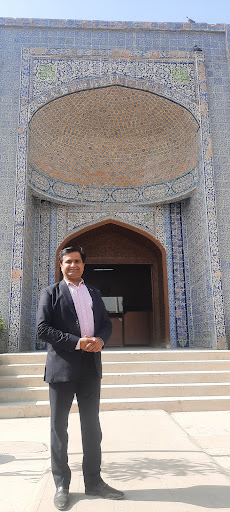
The institute was provided with a small room at the old campus of Sindh University in Hyderabad. On 10 December 1972 the foundation stone of the new building was laid just off the Super Highway in Jamshoro, adjacent to Indus river. The three-storey building, located 12 kilometres (7.5 mi) from Hyderabad, was inaugurated in 1978. The construction is an amalgamation of the Islamic and Buddhist architectures. Internally, the building is decorated with local Hala tile-work, with two arms accommodating the Research Library and Administration Block. The central dome houses the Anthropological Research Centre (Museum), art gallery, film and photographic sections and audio-visual section.

In 1987, an extension was built in celebration of the institute's Silver Jubilee to house the bookshop facilities.In 2015, an international children’s films festival was held in Sindhology.

It was decided in 2002 to change the aims of the institute such that its main focus was on publishing.[A news report in 2015 suggested numerous significant issues regarding the governance, purpose and actions of...

   Read more
Page 1 of 7
Previous
Next

Posts

Anwar Aziz ChandioAnwar Aziz Chandio
The Institute of Sindhology has been recognized within the country as well as abroad as a cultural repository of its own kind. An “Anthropological Research Center and Sindh Arts Gallery” (Museum) has been established in this Institute for the exhibition of objects, setting-up dioramas of various ethnic groups of Sindh and corners of prominent personalities of Sindh. The collection of representative artifacts began in early 1970’s. The masterpieces representing archaeological material, wood-work, thread-work, metal-work, leather-work, pottery, Jewelry, Coins, Arms, Photographs, and paintings have been collected. The wide variety of collection in the Museum has been displayed in different galleries. So far the following galleries have been organized: Archaeological Gallery, Ethnological Gallery-I, Ethnological Gallery-II, Prominent Personalities Gallery, General Gallery, Coins Gallery, Benazir Bhutto Gallery, Dr. N.A Baloch Corner, Arms Gallery with Mir Talpur’s Court, Photographic Gallery, Indus Painting Gallery, Ethno-musical Gallery. The prime purpose of the Anthropological Research Center (Museum) is to collect and organize material for the intensive and exhaustive study relating to past civilization of the lower Indus Valley and the present Sindh. To meet this requirement a comprehensive documentation work has been started for the benefit of research scholars. Magnificent collection of artifacts and relics of past provides an opportunity to common folks to appreciate the achievements of the art, craft and architect of ancient Sindh and its people. As such Anthropological Research Center (Museum) is a center of great attraction for scholars as well as for ordinary folks at the University of Sindh campus. It draws crowds on its own every day, who admire and appreciate the fine work done in regard to conceiving the idea of collecting, preserving and displaying cultural heritage of the people of Sindh. This place is considered unique by all the visitors from all over Pakistan as well as abroad. The prominent Personalities Gallery deserves special mention at this stage. This particular gallery contains portraits with short captions of more than 175 eminent writers, scholars, educationists, social workers, Philanthropists, politicians, lawyers, freedom fighters, spiritual leaders and public figures like Prime Ministers, Chief Ministers and Governors. This gallery also houses special corners of very important personalities such as Quaid-e-Azam Muhammad Ali Jinnah; Allama I.I. Kazi, a great philosopher, Ex-Vice-Chancellor and founder of the University of Sindh, Jamshoro Campus; Hassan Ali Affendi, founder of Sindh Madersatul Islam Karachi, Pir Hussamuddin Rashdi, a renowned scholar and historian of Sindh; Syed Gulam Mustafa Shah, writer and Ex-Vice chancellor of Sindh University, Mr. Muhammad Usman Diplai,a great writer and reformist; and Zulfiqar Ali Bhutto, Ex-Prime Minister of Pakistan. A special mention may also be made of the harmonium on which Mr. Ahmed Ali G. Chagla, a renowned musician of Pakistan, composed the National Anthem of Pakistan; the first Sindhi Typewriter, the Monarch, manufactured in 1926 at New York, USA; statue of an eminent Philanthropist Rai Bahadur Odhoudas Chhabria, founder of Odhoudas Hospital of Shikarpur are also housed in this gallery. The work of collection, preservation and conservation of anthropological, historical and cultural objects and specimen is ongoing process. Field surveys are being conducted visiting villages and far-flung areas of Sindh to procure old and rare articles and to prepare documentary films, depicting various aspects of life and culture of Sindh.
Kashif Abdul Razzaq MisidiaKashif Abdul Razzaq Misidia
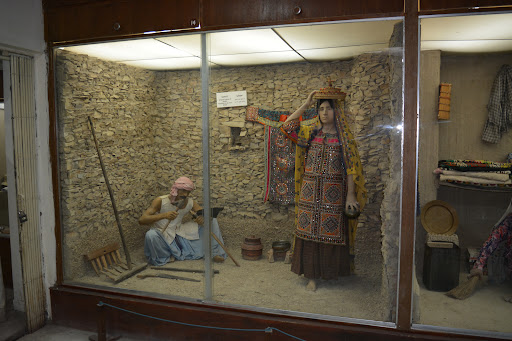
I wasn't aware that just a two hours drive away I could find a wonderful place where I can explore the history of Sindh from ancient times till now until I visited this amazing place by myself a few months ago. The purpose of the trip to stay at Ranikot fort, but on the way we also want to explore a great place like that. Sindhology Museum is one of the best place which contains culture from every part of Sindh in form of wax statues, Ancient jewelry, Old Musical Instruments, Weapons like swords, bow arrow and other hundreds of incredible stuff. The museum is ♿ Accessible for wheelchair and for the people who have different abilities.
Info ٹی ویInfo ٹی وی
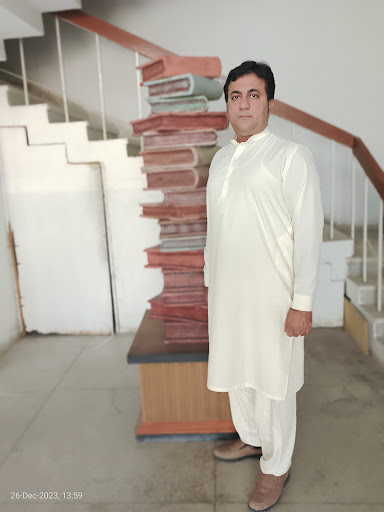
Sindhology Museum is a beautiful addition to the beauty of the University of Sindh Jamshoro. It showcases the art, culture, language and lifestyle of old Sindhi communities. If someone wants to visit Sindh and wants to know about the Indus civilization, art, culture and history of Sindh and one doesn't have enough time to explore it, one can get the required knowledge and overview of the province by visiting the Sindhology museum. There is a gorgeous research library, which houses a number of old but unique books, newspapers and hand written holy books (Al-Qura'an).
See more posts
See more posts
hotel
Find your stay

Pet-friendly Hotels in Kotri Taluka

Find a cozy hotel nearby and make it a full experience.

The Institute of Sindhology has been recognized within the country as well as abroad as a cultural repository of its own kind. An “Anthropological Research Center and Sindh Arts Gallery” (Museum) has been established in this Institute for the exhibition of objects, setting-up dioramas of various ethnic groups of Sindh and corners of prominent personalities of Sindh. The collection of representative artifacts began in early 1970’s. The masterpieces representing archaeological material, wood-work, thread-work, metal-work, leather-work, pottery, Jewelry, Coins, Arms, Photographs, and paintings have been collected. The wide variety of collection in the Museum has been displayed in different galleries. So far the following galleries have been organized: Archaeological Gallery, Ethnological Gallery-I, Ethnological Gallery-II, Prominent Personalities Gallery, General Gallery, Coins Gallery, Benazir Bhutto Gallery, Dr. N.A Baloch Corner, Arms Gallery with Mir Talpur’s Court, Photographic Gallery, Indus Painting Gallery, Ethno-musical Gallery. The prime purpose of the Anthropological Research Center (Museum) is to collect and organize material for the intensive and exhaustive study relating to past civilization of the lower Indus Valley and the present Sindh. To meet this requirement a comprehensive documentation work has been started for the benefit of research scholars. Magnificent collection of artifacts and relics of past provides an opportunity to common folks to appreciate the achievements of the art, craft and architect of ancient Sindh and its people. As such Anthropological Research Center (Museum) is a center of great attraction for scholars as well as for ordinary folks at the University of Sindh campus. It draws crowds on its own every day, who admire and appreciate the fine work done in regard to conceiving the idea of collecting, preserving and displaying cultural heritage of the people of Sindh. This place is considered unique by all the visitors from all over Pakistan as well as abroad. The prominent Personalities Gallery deserves special mention at this stage. This particular gallery contains portraits with short captions of more than 175 eminent writers, scholars, educationists, social workers, Philanthropists, politicians, lawyers, freedom fighters, spiritual leaders and public figures like Prime Ministers, Chief Ministers and Governors. This gallery also houses special corners of very important personalities such as Quaid-e-Azam Muhammad Ali Jinnah; Allama I.I. Kazi, a great philosopher, Ex-Vice-Chancellor and founder of the University of Sindh, Jamshoro Campus; Hassan Ali Affendi, founder of Sindh Madersatul Islam Karachi, Pir Hussamuddin Rashdi, a renowned scholar and historian of Sindh; Syed Gulam Mustafa Shah, writer and Ex-Vice chancellor of Sindh University, Mr. Muhammad Usman Diplai,a great writer and reformist; and Zulfiqar Ali Bhutto, Ex-Prime Minister of Pakistan. A special mention may also be made of the harmonium on which Mr. Ahmed Ali G. Chagla, a renowned musician of Pakistan, composed the National Anthem of Pakistan; the first Sindhi Typewriter, the Monarch, manufactured in 1926 at New York, USA; statue of an eminent Philanthropist Rai Bahadur Odhoudas Chhabria, founder of Odhoudas Hospital of Shikarpur are also housed in this gallery. The work of collection, preservation and conservation of anthropological, historical and cultural objects and specimen is ongoing process. Field surveys are being conducted visiting villages and far-flung areas of Sindh to procure old and rare articles and to prepare documentary films, depicting various aspects of life and culture of Sindh.
Anwar Aziz Chandio

Anwar Aziz Chandio

hotel
Find your stay

Affordable Hotels in Kotri Taluka

Find a cozy hotel nearby and make it a full experience.

Get the Appoverlay
Get the AppOne tap to find yournext favorite spots!
I wasn't aware that just a two hours drive away I could find a wonderful place where I can explore the history of Sindh from ancient times till now until I visited this amazing place by myself a few months ago. The purpose of the trip to stay at Ranikot fort, but on the way we also want to explore a great place like that. Sindhology Museum is one of the best place which contains culture from every part of Sindh in form of wax statues, Ancient jewelry, Old Musical Instruments, Weapons like swords, bow arrow and other hundreds of incredible stuff. The museum is ♿ Accessible for wheelchair and for the people who have different abilities.
Kashif Abdul Razzaq Misidia

Kashif Abdul Razzaq Misidia

hotel
Find your stay

The Coolest Hotels You Haven't Heard Of (Yet)

Find a cozy hotel nearby and make it a full experience.

hotel
Find your stay

Trending Stays Worth the Hype in Kotri Taluka

Find a cozy hotel nearby and make it a full experience.

Sindhology Museum is a beautiful addition to the beauty of the University of Sindh Jamshoro. It showcases the art, culture, language and lifestyle of old Sindhi communities. If someone wants to visit Sindh and wants to know about the Indus civilization, art, culture and history of Sindh and one doesn't have enough time to explore it, one can get the required knowledge and overview of the province by visiting the Sindhology museum. There is a gorgeous research library, which houses a number of old but unique books, newspapers and hand written holy books (Al-Qura'an).
Info ٹی وی

Info ٹی وی

See more posts
See more posts