HTML SitemapExplore

Dai Anga Masjid — Attraction in Lahore City Tehsil

Name
Dai Anga Masjid
Description
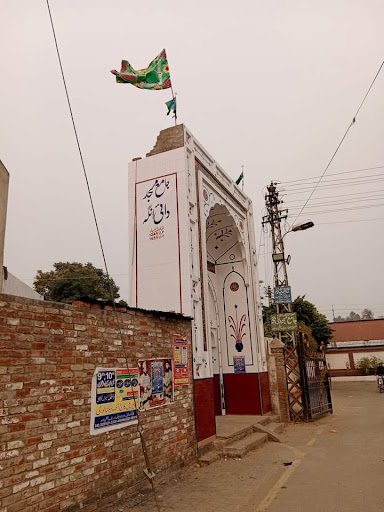
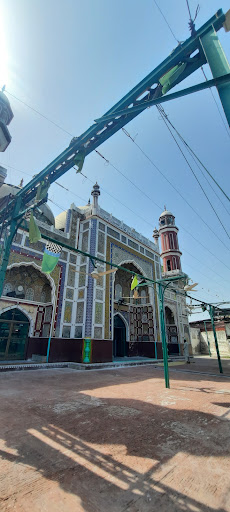
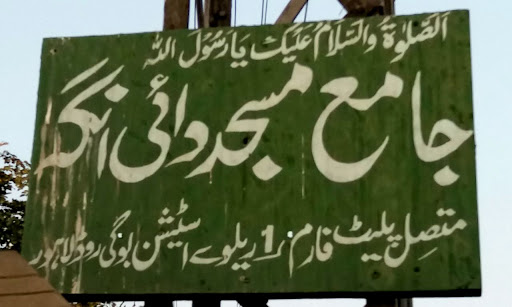
Dai Anga Mosque is a mosque situated to southeast of the Lahore Railway Station, in the city of Lahore in Pakistan's Punjab province. The mosque is said to have been built in 1635 in honour of the wetnurse of the Mughal Emperor Shah Jahan, Dai Anga.
Nearby attractions
Iqbal Museum
H89R+P6C, Allama Iqbal Rd, Railway Colony Garhi Shahu, Lahore, Pakistan
Nearby restaurants
MH - Food Court
H8GW+MRC, Grand Trunk Rd, Swami Nagar Lahore, Pakistan
Nearby local services
Nearby hotels
Related posts
Keywords
Dai Anga Masjid tourism.Dai Anga Masjid hotels.Dai Anga Masjid bed and breakfast. flights to Dai Anga Masjid.Dai Anga Masjid attractions.Dai Anga Masjid restaurants.Dai Anga Masjid local services.Dai Anga Masjid travel.Dai Anga Masjid travel guide.Dai Anga Masjid travel blog.Dai Anga Masjid pictures.Dai Anga Masjid photos.Dai Anga Masjid travel tips.Dai Anga Masjid maps.Dai Anga Masjid things to do.
Dai Anga Masjid things to do, attractions, restaurants, events info and trip planning
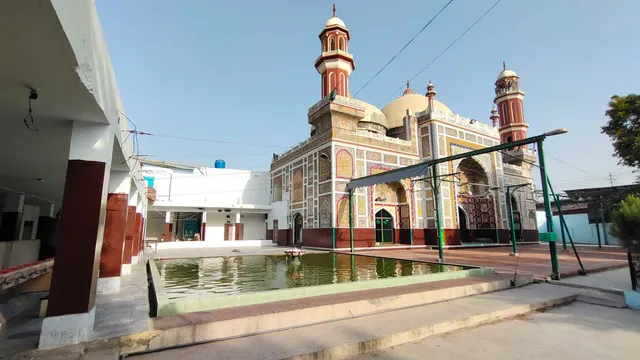
Dai Anga Masjid
PakistanPunjabLahore City TehsilDai Anga Masjid

Basic Info

Dai Anga Masjid

H8FQ+XM8, Swami Nagar, Lahore, Pakistan
4.7(133)
Open 24 hours
Save
spot

Ratings & Description

Info

Dai Anga Mosque is a mosque situated to southeast of the Lahore Railway Station, in the city of Lahore in Pakistan's Punjab province. The mosque is said to have been built in 1635 in honour of the wetnurse of the Mughal Emperor Shah Jahan, Dai Anga.

Cultural
Scenic
Family friendly
attractions: Iqbal Museum, restaurants: MH - Food Court, local businesses:

logoLearn more insights from Wanderboat AI.

Plan your stay

hotel
Pet-friendly Hotels in Lahore City Tehsil
Find a cozy hotel nearby and make it a full experience.

hotel
Affordable Hotels in Lahore City Tehsil
Find a cozy hotel nearby and make it a full experience.

hotel
The Coolest Hotels You Haven't Heard Of (Yet)
Find a cozy hotel nearby and make it a full experience.

hotel
Trending Stays Worth the Hype in Lahore City Tehsil
Find a cozy hotel nearby and make it a full experience.

Reviews

Live events

BASANT FEST LAHORE 26
Fri, Feb 6 • 5:00 AM
DHA-EME Sports Complex, Block D DHA EME Sector, Lahore, 53710, Pakistan
View details

Nearby attractions of Dai Anga Masjid

Iqbal Museum
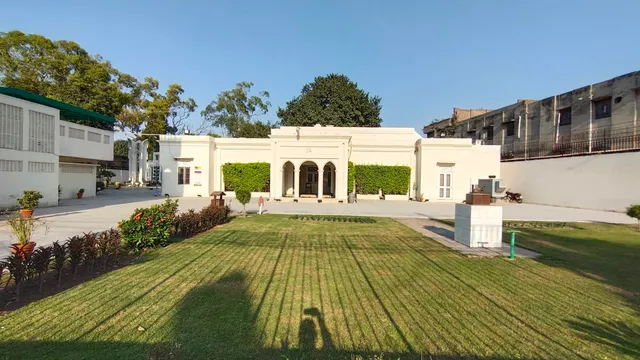
Iqbal Museum

Iqbal Museum

4.7

(410)

Closed
Click for details

Nearby restaurants of Dai Anga Masjid

MH - Food Court

MH - Food Court

MH - Food Court

4.1

(13)

Open until 12:00 AM
Click for details

Get the Appoverlay
Get the AppOne tap to find yournext favorite spots!
Wanderboat LogoWanderboat

Your everyday Al companion for getaway ideas

CompanyAbout Us
InformationAI Trip PlannerSitemap
SocialXInstagramTiktokLinkedin
LegalTerms of ServicePrivacy Policy

Get the app

© 2025 Wanderboat. All rights reserved.

Posts

Ghayyur Tirmazi (Techno Solar Pakistan)Ghayyur Tirmazi (Techno Solar Pakistan)
Jamia Masjid Dai Anga is a mosque situated to southeast of the Lahore Railway Station, in the city of Lahore in Pakistan's Punjab province. The mosque is said to have been built in 1635 in honour of the wet-nurse of the Mughal Emperor Shah Jahan, Dai Anga. Born as Zeb-un-Nisa, Dai Anga was well respected in the royal family. The mosque was said to be commissioned by her, and built prior to her departure for the Hajj. Her family was closely associated with the Mughal empire. Her husband Murad Khan served Emperor Jahangir as Magistrate of Bikaner, and her son Muhammad Rashid Khan, was the best archers in the kingdom, and died fighting in the service of Shah Jahan's eldest son Dara Shikoh. The Tomb of Dai Anga is known as the "Gulabi Bagh," and is also located in Lahore. The mosque was said to have been built in 1635, however, the inscription in the mosque is said to date it to 1649 Under Sikh rule, the mosque was used as a military magazine under the rule of Ranjit Singh. During the British Raj, the mosque was converted into railway administration offices. The mosque was designed on a scaled down version of larger Mughal mosques, such as the nearby Badshahi Mosque. The mosque is fronted by an 84-foot wide courtyard, while the building itself is divided into three section. The central section is the largest and is topped by a 19-foot dome. This is flanked by two smaller sections with 16-foot domes. The central portion of the mosque is elaborately decorated with predominantly blue, orange, and yellow qashani tile work. The interior also displayed fine frescoes previously, unfortunately these have largely been replaced by modern tiles. The exterior of the mosque has been embellished with fine tile work, echoing similarities to the tiles of the Wazir Khan Mosque. The exterior features rich decorative works in tile as well. The mosque is listed on the Protected Heritage Monuments of the Archaeology Department of Punjab.
Talha FiazTalha Fiaz
A Glimpse into Mughal Heritage and Serenity in Lahore If you're a history buff or someone who appreciates intricate architecture, Jamia Masjid Dai Anga is a must-visit in Lahore. Nestled near the Lahore Railway Station, this mosque is not just a place of worship but a living testament to the rich Mughal history of Pakistan. Built in 1635, Jamia Masjid Dai Anga carries an interesting story. It's said to have been constructed in honor of Dai Anga, the wet-nurse of Mughal Emperor Shah Jahan. Born as Zeb-un-Nisa, Dai Anga was a respected figure within the royal family, known for her loyalty and devotion. The mosque was commissioned by her and completed before her journey for the Hajj pilgrimage. Her strong family ties to the Mughal empire are reflected in the intricate design and peaceful ambiance of the mosque. The mosque itself is beautifully crafted with detailed floral patterns, arches, and delicate tilework, offering visitors a chance to step back in time. It's not just a historical landmark but also a peaceful escape from the hustle and bustle of Lahore. The surrounding gardens add to the tranquility, making it an ideal spot for reflection and contemplation. What makes this mosque even more fascinating is its connection to other historical sites in Lahore, such as the Tomb of Dai Anga, known as "Gulabi Bagh." This broader context offers visitors a deeper understanding of the significance of Dai Anga's role in the Mughal empire. Overall, Jamia Masjid Dai Anga is a beautiful and peaceful place that captures the essence of Lahore's Mughal heritage. Whether you're exploring the city's history or seeking a quiet place for prayer, this mosque is definitely worth a visit. Don't forget to bring your camera to capture the stunning architecture and gardens!
Syed Muhammad MehdiSyed Muhammad Mehdi
Dai Anga served as Shah Jahan's wet nurse and remained an influential force in the dynasty until her death in 1672. She is responsible for several monuments in Lahore that still survive, including her tomb near the Gulabi Bagh garden gate. Her mosque, seen here, was constructed in 1635. Although a relatively small structure, it is notable for its refined use of decoration and its stately three-bay facade. It remains in an excellent state of preservation since Dai Anga took care to donate a substantial waqf (endowment) to ensure its maintenance after her death. However, in spite of this, it was briefly converted into the residence of Henry Cope, a newspaper editor, during the rule of the British. It was restored to its original function in 1903 and has served as an active mosque ever since.
See more posts
See more posts
hotel
Find your stay

Pet-friendly Hotels in Lahore City Tehsil

Find a cozy hotel nearby and make it a full experience.

Jamia Masjid Dai Anga is a mosque situated to southeast of the Lahore Railway Station, in the city of Lahore in Pakistan's Punjab province. The mosque is said to have been built in 1635 in honour of the wet-nurse of the Mughal Emperor Shah Jahan, Dai Anga. Born as Zeb-un-Nisa, Dai Anga was well respected in the royal family. The mosque was said to be commissioned by her, and built prior to her departure for the Hajj. Her family was closely associated with the Mughal empire. Her husband Murad Khan served Emperor Jahangir as Magistrate of Bikaner, and her son Muhammad Rashid Khan, was the best archers in the kingdom, and died fighting in the service of Shah Jahan's eldest son Dara Shikoh. The Tomb of Dai Anga is known as the "Gulabi Bagh," and is also located in Lahore. The mosque was said to have been built in 1635, however, the inscription in the mosque is said to date it to 1649 Under Sikh rule, the mosque was used as a military magazine under the rule of Ranjit Singh. During the British Raj, the mosque was converted into railway administration offices. The mosque was designed on a scaled down version of larger Mughal mosques, such as the nearby Badshahi Mosque. The mosque is fronted by an 84-foot wide courtyard, while the building itself is divided into three section. The central section is the largest and is topped by a 19-foot dome. This is flanked by two smaller sections with 16-foot domes. The central portion of the mosque is elaborately decorated with predominantly blue, orange, and yellow qashani tile work. The interior also displayed fine frescoes previously, unfortunately these have largely been replaced by modern tiles. The exterior of the mosque has been embellished with fine tile work, echoing similarities to the tiles of the Wazir Khan Mosque. The exterior features rich decorative works in tile as well. The mosque is listed on the Protected Heritage Monuments of the Archaeology Department of Punjab.
Ghayyur Tirmazi (Techno Solar Pakistan)

Ghayyur Tirmazi (Techno Solar Pakistan)

hotel
Find your stay

Affordable Hotels in Lahore City Tehsil

Find a cozy hotel nearby and make it a full experience.

Get the Appoverlay
Get the AppOne tap to find yournext favorite spots!
A Glimpse into Mughal Heritage and Serenity in Lahore If you're a history buff or someone who appreciates intricate architecture, Jamia Masjid Dai Anga is a must-visit in Lahore. Nestled near the Lahore Railway Station, this mosque is not just a place of worship but a living testament to the rich Mughal history of Pakistan. Built in 1635, Jamia Masjid Dai Anga carries an interesting story. It's said to have been constructed in honor of Dai Anga, the wet-nurse of Mughal Emperor Shah Jahan. Born as Zeb-un-Nisa, Dai Anga was a respected figure within the royal family, known for her loyalty and devotion. The mosque was commissioned by her and completed before her journey for the Hajj pilgrimage. Her strong family ties to the Mughal empire are reflected in the intricate design and peaceful ambiance of the mosque. The mosque itself is beautifully crafted with detailed floral patterns, arches, and delicate tilework, offering visitors a chance to step back in time. It's not just a historical landmark but also a peaceful escape from the hustle and bustle of Lahore. The surrounding gardens add to the tranquility, making it an ideal spot for reflection and contemplation. What makes this mosque even more fascinating is its connection to other historical sites in Lahore, such as the Tomb of Dai Anga, known as "Gulabi Bagh." This broader context offers visitors a deeper understanding of the significance of Dai Anga's role in the Mughal empire. Overall, Jamia Masjid Dai Anga is a beautiful and peaceful place that captures the essence of Lahore's Mughal heritage. Whether you're exploring the city's history or seeking a quiet place for prayer, this mosque is definitely worth a visit. Don't forget to bring your camera to capture the stunning architecture and gardens!
Talha Fiaz

Talha Fiaz

hotel
Find your stay

The Coolest Hotels You Haven't Heard Of (Yet)

Find a cozy hotel nearby and make it a full experience.

hotel
Find your stay

Trending Stays Worth the Hype in Lahore City Tehsil

Find a cozy hotel nearby and make it a full experience.

Dai Anga served as Shah Jahan's wet nurse and remained an influential force in the dynasty until her death in 1672. She is responsible for several monuments in Lahore that still survive, including her tomb near the Gulabi Bagh garden gate. Her mosque, seen here, was constructed in 1635. Although a relatively small structure, it is notable for its refined use of decoration and its stately three-bay facade. It remains in an excellent state of preservation since Dai Anga took care to donate a substantial waqf (endowment) to ensure its maintenance after her death. However, in spite of this, it was briefly converted into the residence of Henry Cope, a newspaper editor, during the rule of the British. It was restored to its original function in 1903 and has served as an active mosque ever since.
Syed Muhammad Mehdi

Syed Muhammad Mehdi

See more posts
See more posts

Reviews of Dai Anga Masjid

4.7
(133)
avatar
5.0
1y

Dai Anga Mosque, Lahore

Dai Anga Mosque, located southeast of Lahore Railway Station in Pakistan's Punjab province, stands as a testament to Mughal architectural elegance and historical significance. Built in 1635 by Dai Anga, the wet nurse of Mughal Emperor Shah Jahan, this mosque reflects the respect and honor bestowed upon her by the royal family.

Background: Dai Anga, originally known as Zeb-un-Nisa, was highly regarded within the Mughal court. She commissioned the mosque before embarking on her pilgrimage to Hajj. Her family's ties to the empire, including her husband Murad Khan's service as Magistrate of Bikaner and her son Muhammad Rashid Khan's bravery in battle, underscore her connection to the Mughal dynasty. Dai Anga's tomb, known as "Gulabi Bagh," is also located in Lahore, further commemorating her legacy.

History: Constructed initially in 1635, the mosque's inscriptions date it to 1649. The supervising architect, Maqbul, remains somewhat enigmatic. Under subsequent rulers, the mosque served various functions: during Ranjit Singh's rule, it housed a gunpowder magazine; later, under British annexation in 1849, it became a residence and then an office for the Punjab and Delhi Railway Company. In 1903, efforts began to restore and preserve the mosque as a place of worship, recognizing its architectural and historical value.

Architecture: Dai Anga Mosque reflects a scaled-down version of larger Mughal mosques like the nearby Badshahi Mosque. Its layout includes a spacious courtyard, 84 feet wide, leading to a central section crowned by a 19-foot dome, flanked by smaller sections with 16-foot domes. The mosque's interior once featured intricate frescoes, now mostly replaced by modern tiles, adorned with blue, orange, and yellow qashani tile work. The exterior similarly boasts rich decorative tile work reminiscent of the Wazir Khan Mosque, highlighting its aesthetic and cultural significance.

Conservation: Recognized as a Protected Heritage Monument by the Archaeology Department of Punjab, Dai Anga Mosque stands as a preserved cultural landmark, offering visitors a glimpse into Mughal-era architecture and the historical legacy of Dai Anga herself.

Dai Anga Mosque remains a vital part of Lahore's architectural heritage, blending beauty with historical narrative, inviting both reverence and admiration from visitors and...

   Read more
avatar
5.0
3y

Jamia Masjid Dai Anga is a mosque situated to southeast of the Lahore Railway Station, in the city of Lahore in Pakistan's Punjab province. The mosque is said to have been built in 1635 in honour of the wet-nurse of the Mughal Emperor Shah Jahan, Dai Anga.

Born as Zeb-un-Nisa, Dai Anga was well respected in the royal family. The mosque was said to be commissioned by her, and built prior to her departure for the Hajj. Her family was closely associated with the Mughal empire. Her husband Murad Khan served Emperor Jahangir as Magistrate of Bikaner, and her son Muhammad Rashid Khan, was the best archers in the kingdom, and died fighting in the service of Shah Jahan's eldest son Dara Shikoh. The Tomb of Dai Anga is known as the "Gulabi Bagh," and is also located in Lahore.

The mosque was said to have been built in 1635, however, the inscription in the mosque is said to date it to 1649 Under Sikh rule, the mosque was used as a military magazine under the rule of Ranjit Singh. During the British Raj, the mosque was converted into railway administration offices.

The mosque was designed on a scaled down version of larger Mughal mosques, such as the nearby Badshahi Mosque. The mosque is fronted by an 84-foot wide courtyard, while the building itself is divided into three section. The central section is the largest and is topped by a 19-foot dome. This is flanked by two smaller sections with 16-foot domes. The central portion of the mosque is elaborately decorated with predominantly blue, orange, and yellow qashani tile work. The interior also displayed fine frescoes previously, unfortunately these have largely been replaced by modern tiles.

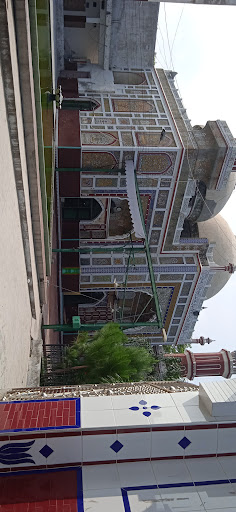
The exterior of the mosque has been embellished with fine tile work, echoing similarities to the tiles of the Wazir Khan Mosque. The exterior features rich decorative works in tile as well.

The mosque is listed on the Protected Heritage Monuments of the Archaeology...

   Read more
avatar
5.0
1y

A Glimpse into Mughal Heritage and Serenity in Lahore

If you're a history buff or someone who appreciates intricate architecture, Jamia Masjid Dai Anga is a must-visit in Lahore. Nestled near the Lahore Railway Station, this mosque is not just a place of worship but a living testament to the rich Mughal history of Pakistan.

Built in 1635, Jamia Masjid Dai Anga carries an interesting story. It's said to have been constructed in honor of Dai Anga, the wet-nurse of Mughal Emperor Shah Jahan. Born as Zeb-un-Nisa, Dai Anga was a respected figure within the royal family, known for her loyalty and devotion. The mosque was commissioned by her and completed before her journey for the Hajj pilgrimage. Her strong family ties to the Mughal empire are reflected in the intricate design and peaceful ambiance of the mosque.

The mosque itself is beautifully crafted with detailed floral patterns, arches, and delicate tilework, offering visitors a chance to step back in time. It's not just a historical landmark but also a peaceful escape from the hustle and bustle of Lahore. The surrounding gardens add to the tranquility, making it an ideal spot for reflection and contemplation.

What makes this mosque even more fascinating is its connection to other historical sites in Lahore, such as the Tomb of Dai Anga, known as "Gulabi Bagh." This broader context offers visitors a deeper understanding of the significance of Dai Anga's role in the Mughal empire.

Overall, Jamia Masjid Dai Anga is a beautiful and peaceful place that captures the essence of Lahore's Mughal heritage. Whether you're exploring the city's history or seeking a quiet place for prayer, this mosque is definitely worth a visit. Don't forget to bring your camera to capture the stunning architecture...

   Read more
Page 1 of 7
Previous
Next