A Testament to History: Altit Fort in Hunza
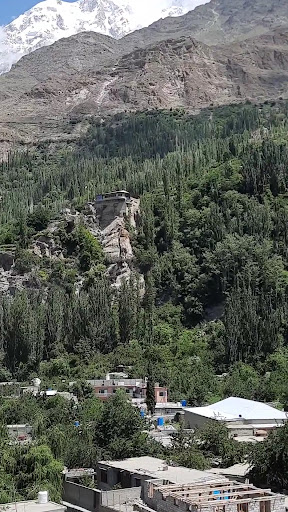
Perched atop a rocky outcrop in the picturesque Hunza Valley, Altit Fort is a majestic testament to the region's rich history and cultural heritage. This ancient fort, dating back to the 11th century, is a must-visit destination for anyone interested in history, architecture, and breathtaking views.
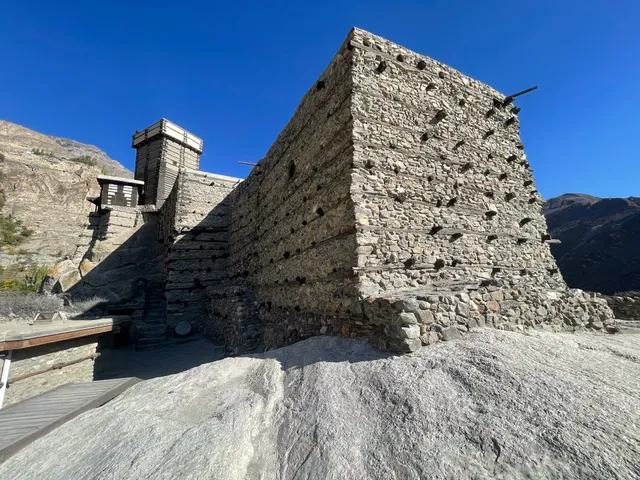
As you approach the fort, you'll be struck by its imposing presence, with walls rising up to 20 feet high in some places. The fort's architecture is a unique blend of Tibetan, Chinese, and Central Asian influences, reflecting the region's strategic location along the ancient Silk Road.
Once inside, you'll be treated to a treasure trove of historical artifacts, including ancient coins, pottery, and weaponry. The fort's museum provides a fascinating glimpse into the lives of the rulers who once occupied the fort, as well as the region's cultural and social traditions.
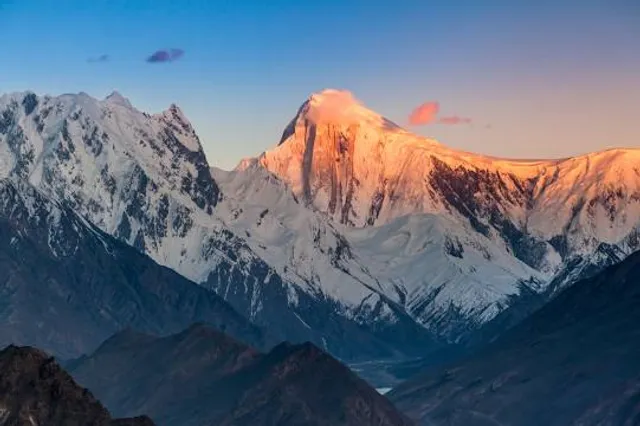
One of the standout features of Altit Fort is its breathtaking views of the surrounding valley. From the fort's ramparts, you can see the majestic Rakaposhi mountain towering above, as well as the lush green valleys and orchards below.
Overall, Altit Fort is a must-visit destination for anyone interested in history, culture, and breathtaking views. Its rich heritage, stunning architecture, and picturesque surroundings make it an unforgettable experience.
Rating: 5/5
Recommendation: Wear comfortable shoes, as the fort's terrain can be uneven and steep. Bring a camera to capture the stunning views. Hire a local guide to get a deeper understanding of the fort's history and cultural...
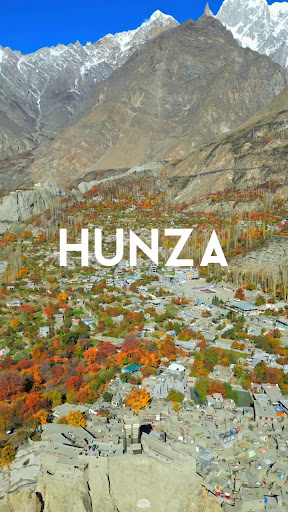
Read moreAltit Fort is a historical and architectural gem located in the Hunza Valley of Gilgit-Baltistan, Pakistan. This ancient fort, perched on a rocky cliff, overlooks the Hunza River and provides stunning panoramic views of the surrounding valley and the majestic Karakoram mountain range.
Constructed around 900 years ago, Altit Fort is one of the oldest monuments in the Gilgit-Baltistan region. It served as the residence of the hereditary rulers of the Hunza state, known as the Mirs, for centuries. The fort's strategic position allowed for defense against invasions and control over the trade routes that passed through the region.
Architecturally, Altit Fort showcases traditional Hunza design, featuring a blend of stone masonry and timber elements. The structure includes narrow corridors, steep staircases, and intricately carved wooden balconies. The fort's restoration, carried out by the Aga Khan Trust for Culture, has preserved its historical integrity while making it accessible to visitors.
Today, Altit Fort is a popular tourist destination, attracting history enthusiasts, architecture buffs, and adventure seekers. The fort complex also includes a museum that exhibits artifacts, photographs, and documents detailing the rich history and culture of the Hunza Valley. Additionally, the lush Altit Fort Garden, with its apricot and cherry trees, offers a serene spot for relaxation and reflection.
Altit Fort is not just a relic of the past but a vibrant symbol of the enduring cultural heritage of the Hunza Valley, providing insights into the region's history and...
Read moreIt is very well managed place. The management provide complimentary guide for visitors. The charges per head are Rs.650
ALTIT FORT Altit fort (thang) is said to have been built in the main part by builders who accompanied a princess from Baltistan as part of her dowry when she married the crown prince of Hunza: The ancient shikari is reputed to be around 1000 years old, making it the oldest surviving standing structure in the Gilgit-Baltistan region. The construction style using wooden cribbage and cators are evidence of the wisdom of traditional construction which suited the local physical context of the Karakoram including its seismic realities In order to exercise control on this branch of the historic Silk Road which led into Kashgar the fo t is sited on the very edge of the main Hunza gorge with 200 metre-high sheer cliffs before precipitous slopes cascade down towards the river. Just across the river is Haldeikish, known as the sacred rocks of Hunza with carvings dating back to the 1 millennium AD. Traces of Buddhist influence are found in the carvings on the historic wooden columns within the fort, and of Hinduism in the typical arrangement of stones In 2001, Prince Ameen Khan, second son of the late Mir of Hunza Mir Muhammad Jamal Khan, gifted the Fort to the Aga Khan Development Network allowing for Altit Fort to be conserved in an "as found", state Generous funding support was provided by the Government Of Norway and the Aga Khan Trust for Culture for conservation spread over...
Read more