HTML SitemapExplore
logo
Find Things to DoFind The Best Restaurants

Monument of Van Alexander Agnew — Attraction in Multan City Tehsil

Name
Monument of Van Alexander Agnew
Description
Nearby attractions
Fort Kohna Qasim Garden
5FXF+CF3, Hussain Agahi Rd, Qila Kuhna Qasim Bagh, Multan, Pakistan
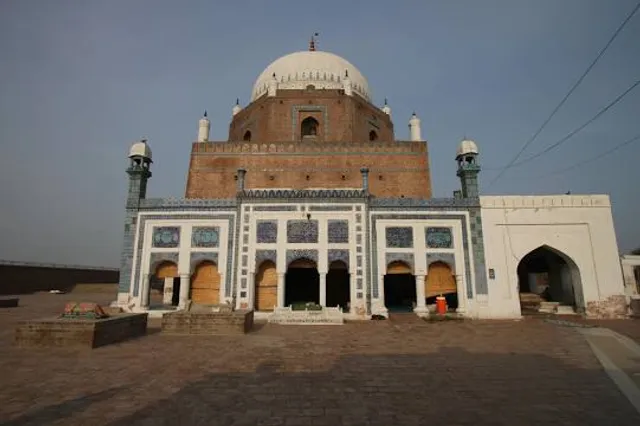
Tomb of Hazrat Shah Rukn-e-Alam
Qilla Kohna, Qila Kohna Qasim Bagh Rd, Qila Kuhna Qasim Bagh, Multan, 60000, Pakistan
Nigar Khana
5FXC+3HF, Qila Kohna Qasim Bagh Rd, Qila Kuhna Qasim Bagh, Multan, Pakistan
Shah Shams Park
6F3J+JW7, Eidgah Road, Shamsabad Colony Basti Bawa Safra, Multan, Pakistan
Nearby restaurants
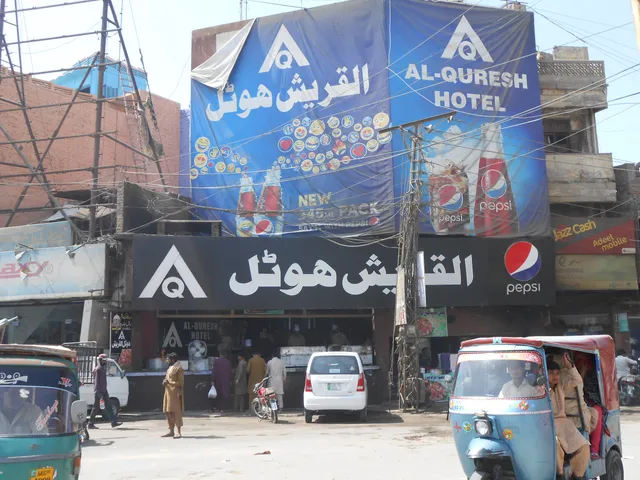
Al-Quresh Hotel القریش ہوٹل
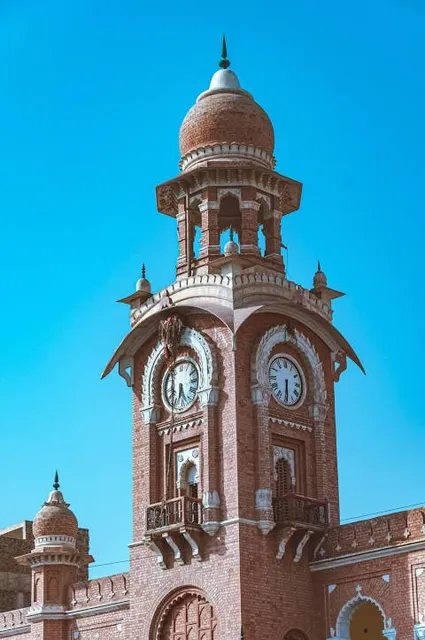
Ghanta Ghar Ghanta Ghar Chowk, Bakkar Mandi Rd, Mohalla Kotla Tollay Khan, Multan, 60000, Pakistan
Naveed Biryani House
Mohalla Muhammadi, Multan, Pakistan
Al-Hamra Restaurant
5FX9+788, Inner City, Multan, Pakistan
Nearby hotels
Related posts
Keywords
Monument of Van Alexander Agnew tourism.Monument of Van Alexander Agnew hotels.Monument of Van Alexander Agnew bed and breakfast. flights to Monument of Van Alexander Agnew.Monument of Van Alexander Agnew attractions.Monument of Van Alexander Agnew restaurants.Monument of Van Alexander Agnew travel.Monument of Van Alexander Agnew travel guide.Monument of Van Alexander Agnew travel blog.Monument of Van Alexander Agnew pictures.Monument of Van Alexander Agnew photos.Monument of Van Alexander Agnew travel tips.Monument of Van Alexander Agnew maps.Monument of Van Alexander Agnew things to do.
Monument of Van Alexander Agnew things to do, attractions, restaurants, events info and trip planning
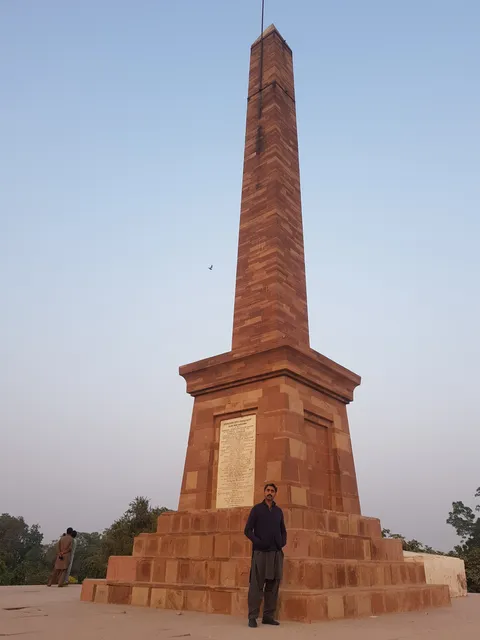
Monument of Van Alexander Agnew
PakistanPunjabMultan City TehsilMonument of Van Alexander Agnew

Basic Info

Monument of Van Alexander Agnew

5FXF+FW, Qila Kuhna Qasim Bagh, Multan, Pakistan
4.5(9)
Open until 12:00 AM
Save
spot

Ratings & Description

Info

Cultural
Scenic
Family friendly
attractions: Fort Kohna Qasim Garden, Tomb of Hazrat Shah Rukn-e-Alam, Nigar Khana, Shah Shams Park, restaurants: Al-Quresh Hotel القریش ہوٹل, Naveed Biryani House, Al-Hamra Restaurant
logoLearn more insights from Wanderboat AI.
Open hoursSee all hours
FriOpen 24 hoursOpen

Plan your stay

hotel
Pet-friendly Hotels in Multan City Tehsil
Find a cozy hotel nearby and make it a full experience.

hotel
Affordable Hotels in Multan City Tehsil
Find a cozy hotel nearby and make it a full experience.

hotel
The Coolest Hotels You Haven't Heard Of (Yet)
Find a cozy hotel nearby and make it a full experience.

hotel
Trending Stays Worth the Hype in Multan City Tehsil
Find a cozy hotel nearby and make it a full experience.

Reviews

Nearby attractions of Monument of Van Alexander Agnew

Fort Kohna Qasim Garden

Tomb of Hazrat Shah Rukn-e-Alam

Nigar Khana

Shah Shams Park
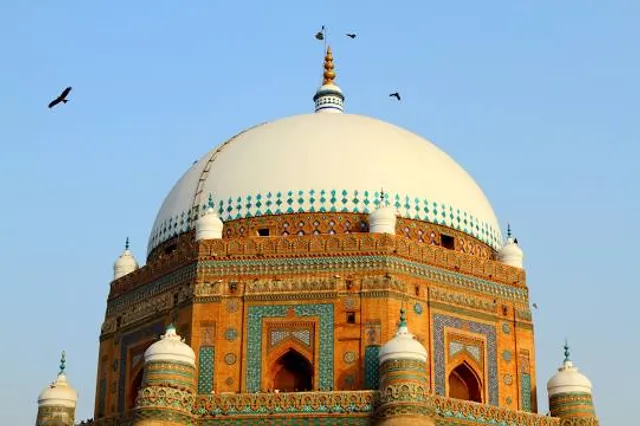
Fort Kohna Qasim Garden

Fort Kohna Qasim Garden

4.4

(5.5K)

Open 24 hours
Click for details
Tomb of Hazrat Shah Rukn-e-Alam

Tomb of Hazrat Shah Rukn-e-Alam

4.6

(1.7K)

Open 24 hours
Click for details
Nigar Khana

Nigar Khana

4.2

(85)

Open 24 hours
Click for details
Shah Shams Park

Shah Shams Park

4.0

(1.2K)

Open 24 hours
Click for details

Nearby restaurants of Monument of Van Alexander Agnew

Al-Quresh Hotel القریش ہوٹل

Naveed Biryani House

Al-Hamra Restaurant

Al-Quresh Hotel القریش ہوٹل
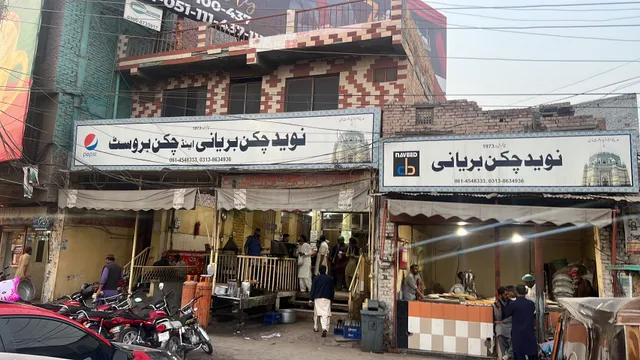
Al-Quresh Hotel القریش ہوٹل

4.4

(1.6K)

Click for details
Naveed Biryani House

Naveed Biryani House

4.1

(1.0K)

Click for details
Al-Hamra Restaurant

Al-Hamra Restaurant

3.9

(92)

Click for details
Get the Appoverlay
Get the AppOne tap to find yournext favorite spots!
Wanderboat LogoWanderboat

Your everyday Al companion for getaway ideas

CompanyAbout Us
InformationAI Trip PlannerSitemap
SocialXInstagramTiktokLinkedin
LegalTerms of ServicePrivacy Policy

Get the app

© 2025 Wanderboat. All rights reserved.
logo

Posts

AliAli
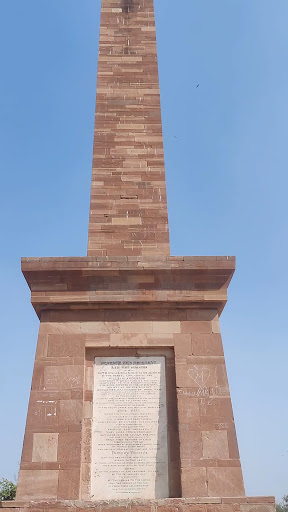
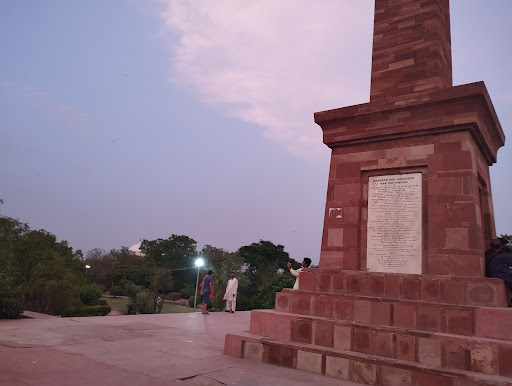
*OBELISK OF LIEUTENANT PATRICK ALEXANDER VANS AGNEW AND LIEUTENANT W.A ANDERSON* This monument was erected by the British East India Company in honor of Patrick Alexander Vans Agnew (1822-48) and Lieutenant W. A. Anderson, who were assassinated by retainers loyal to Diwan Mulraj Chopra, the Diwan or Governor of Multan. Their brutal murder resulted in the Second Sikh War from 1848-49. Multan was captured by British Army in Jan 1849 which further led to the conquest of the Punjab by the British East India company and its annexation as part of the British Empire. This monument was erected in 1864. Background In the 1840s Multan was an integral part of the Sikh Empire and was headed by Mulraj Chopra (1814-51). However, following the first Anglo-Sikh war of 1845-46, British residents (such as Sir Henry Lawrence) were embedded deep within the Sikh government and directed the Sikh Empire's strategic policies, leaving minor matters to local officials. Thus, when the British-controlled government decided to enforce the payment of taxes that were several years in arrears, Dewan Mulraj and prominent Sikhs within the city were not pleased but were required to obey. Perhaps in an effort to stall for time, Mulraj offered to resign his position so that his son could take up rulership of Multan in his stead. The British learned of Mulraj's intentions and instead nominated Khan Singh, a Sikh official whom they trusted, to assume leadership of the city. Vans Agnew and William Anderson were charged with delivering Khan Singh safely to the city, overseeing an orderly change in government, and setting up a new finance system to ensure orderly payment of taxes. Things did not go according to plan. When the British officials, accompanied by Khan Singh, rode out to obtain the keys to the city, they were accompanied by a small contingent of Gurkhas. After obtaining the keys without incident, a soldier in Mulraj's army assaulted Vans Agnew on the drawbridge of Multan fortress and was soon joined by a mob who proceeded to attack the British delegation. Vans Agnew and Anderson were seriously wounded and were evacuated to Shahi Eid Gah mosque on the outskirts of the city where a field hospital was set up. However, it proved to be only a temporary reprieve as their Gurkha escorts melted away into the night. The following morning, after learning that a Mazabi boy had been shot by Khan Singh's men, the mob returned with a vengeance and hacked the officials to death, sparing only Khan Singh, whom they took prisoner. Mulraj himself may not have been aware of the plot (indeed, in his last letter to the British authorities, a dying Vans Agnew expressed belief in his innocence) but the actions of his retainers forced his hand. Thus, when given the severed head of Vans Agnew, he handed it to Khan Singh and asked that it be taken back to the British in Lahore—thereby indicating he was in open revolt. The Second Anglo-Sikh war had begun.
Muhammad ShoaibMuhammad Shoaib
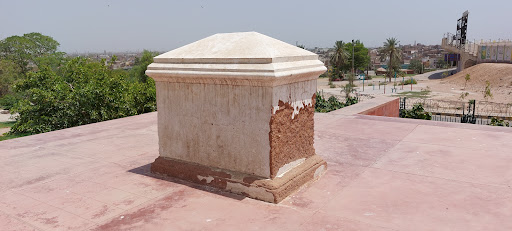
The mounment was commissioned by the British East India Company. It commemorates murder of Patrick Alexander Vans Agnew (1822-1848) and Lieutenant William A. Anderson of the 1st. Bombay Fusilier Regiment by followers of Dewan Mulraj, the Diwan of Multan. This instigated the Second Anglo-Sikh War, which culminated in the British East India Company's conquest and annexation of the Punjab. The monument stands over the final resting place of Vans Agnew, a member of the Bengal civil service, and Lieutenant Anderson of the 1st Bombay Fusilier Regiment.The pair were dispatched, as Assistants to the Resident at Lahore Sir Henry Lawrence, to relieve Dewan Moolraj, Viceroy of Multan, of his fortress and duties at his behest. However, they were assaulted and injured by the garrison on April 19, 1848, and subsequently abandoned by their Sikh escort.On the following day, they were brutally murdered at the Eedgah, under the walls of Multan.
travelwith tahirtravelwith tahir
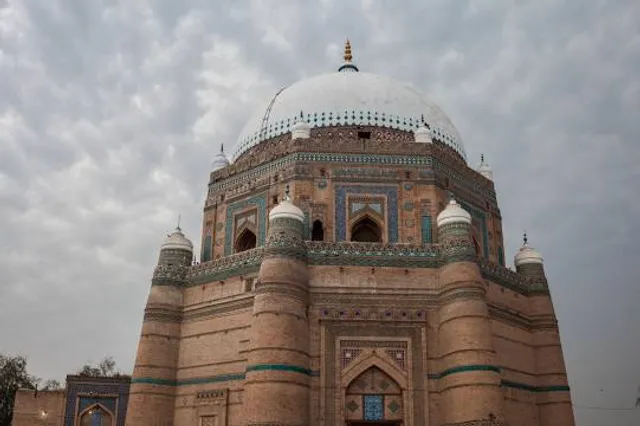
I visited this British Era tomb in Multan. Very tall structure surrounded by trees.
See more posts
See more posts
hotel
Find your stay

Pet-friendly Hotels in Multan City Tehsil

Find a cozy hotel nearby and make it a full experience.

*OBELISK OF LIEUTENANT PATRICK ALEXANDER VANS AGNEW AND LIEUTENANT W.A ANDERSON* This monument was erected by the British East India Company in honor of Patrick Alexander Vans Agnew (1822-48) and Lieutenant W. A. Anderson, who were assassinated by retainers loyal to Diwan Mulraj Chopra, the Diwan or Governor of Multan. Their brutal murder resulted in the Second Sikh War from 1848-49. Multan was captured by British Army in Jan 1849 which further led to the conquest of the Punjab by the British East India company and its annexation as part of the British Empire. This monument was erected in 1864. Background In the 1840s Multan was an integral part of the Sikh Empire and was headed by Mulraj Chopra (1814-51). However, following the first Anglo-Sikh war of 1845-46, British residents (such as Sir Henry Lawrence) were embedded deep within the Sikh government and directed the Sikh Empire's strategic policies, leaving minor matters to local officials. Thus, when the British-controlled government decided to enforce the payment of taxes that were several years in arrears, Dewan Mulraj and prominent Sikhs within the city were not pleased but were required to obey. Perhaps in an effort to stall for time, Mulraj offered to resign his position so that his son could take up rulership of Multan in his stead. The British learned of Mulraj's intentions and instead nominated Khan Singh, a Sikh official whom they trusted, to assume leadership of the city. Vans Agnew and William Anderson were charged with delivering Khan Singh safely to the city, overseeing an orderly change in government, and setting up a new finance system to ensure orderly payment of taxes. Things did not go according to plan. When the British officials, accompanied by Khan Singh, rode out to obtain the keys to the city, they were accompanied by a small contingent of Gurkhas. After obtaining the keys without incident, a soldier in Mulraj's army assaulted Vans Agnew on the drawbridge of Multan fortress and was soon joined by a mob who proceeded to attack the British delegation. Vans Agnew and Anderson were seriously wounded and were evacuated to Shahi Eid Gah mosque on the outskirts of the city where a field hospital was set up. However, it proved to be only a temporary reprieve as their Gurkha escorts melted away into the night. The following morning, after learning that a Mazabi boy had been shot by Khan Singh's men, the mob returned with a vengeance and hacked the officials to death, sparing only Khan Singh, whom they took prisoner. Mulraj himself may not have been aware of the plot (indeed, in his last letter to the British authorities, a dying Vans Agnew expressed belief in his innocence) but the actions of his retainers forced his hand. Thus, when given the severed head of Vans Agnew, he handed it to Khan Singh and asked that it be taken back to the British in Lahore—thereby indicating he was in open revolt. The Second Anglo-Sikh war had begun.
Ali

Ali

hotel
Find your stay

Affordable Hotels in Multan City Tehsil

Find a cozy hotel nearby and make it a full experience.

Get the Appoverlay
Get the AppOne tap to find yournext favorite spots!
The mounment was commissioned by the British East India Company. It commemorates murder of Patrick Alexander Vans Agnew (1822-1848) and Lieutenant William A. Anderson of the 1st. Bombay Fusilier Regiment by followers of Dewan Mulraj, the Diwan of Multan. This instigated the Second Anglo-Sikh War, which culminated in the British East India Company's conquest and annexation of the Punjab. The monument stands over the final resting place of Vans Agnew, a member of the Bengal civil service, and Lieutenant Anderson of the 1st Bombay Fusilier Regiment.The pair were dispatched, as Assistants to the Resident at Lahore Sir Henry Lawrence, to relieve Dewan Moolraj, Viceroy of Multan, of his fortress and duties at his behest. However, they were assaulted and injured by the garrison on April 19, 1848, and subsequently abandoned by their Sikh escort.On the following day, they were brutally murdered at the Eedgah, under the walls of Multan.
Muhammad Shoaib

Muhammad Shoaib

hotel
Find your stay

The Coolest Hotels You Haven't Heard Of (Yet)

Find a cozy hotel nearby and make it a full experience.

hotel
Find your stay

Trending Stays Worth the Hype in Multan City Tehsil

Find a cozy hotel nearby and make it a full experience.

I visited this British Era tomb in Multan. Very tall structure surrounded by trees.
travelwith tahir

travelwith tahir

See more posts
See more posts

Reviews of Monument of Van Alexander Agnew

4.5
(9)
avatar
5.0
4y

OBELISK OF LIEUTENANT PATRICK ALEXANDER VANS AGNEW AND LIEUTENANT W.A ANDERSON This monument was erected by the British East India Company in honor of Patrick Alexander Vans Agnew (1822-48) and Lieutenant W. A. Anderson, who were assassinated by retainers loyal to Diwan Mulraj Chopra, the Diwan or Governor of Multan. Their brutal murder resulted in the Second Sikh War from 1848-49. Multan was captured by British Army in Jan 1849 which further led to the conquest of the Punjab by the British East India company and its annexation as part of the British Empire. This monument was erected in 1864. Background In the 1840s Multan was an integral part of the Sikh Empire and was headed by Mulraj Chopra (1814-51). However, following the first Anglo-Sikh war of 1845-46, British residents (such as Sir Henry Lawrence) were embedded deep within the Sikh government and directed the Sikh Empire's strategic policies, leaving minor matters to local officials. Thus, when the British-controlled government decided to enforce the payment of taxes that were several years in arrears, Dewan Mulraj and prominent Sikhs within the city were not pleased but were required to obey. Perhaps in an effort to stall for time, Mulraj offered to resign his position so that his son could take up rulership of Multan in his stead. The British learned of Mulraj's intentions and instead nominated Khan Singh, a Sikh official whom they trusted, to assume leadership of the city. Vans Agnew and William Anderson were charged with delivering Khan Singh safely to the city, overseeing an orderly change in government, and setting up a new finance system to ensure orderly payment of taxes. Things did not go according to plan. When the British officials, accompanied by Khan Singh, rode out to obtain the keys to the city, they were accompanied by a small contingent of Gurkhas. After obtaining the keys without incident, a soldier in Mulraj's army assaulted Vans Agnew on the drawbridge of Multan fortress and was soon joined by a mob who proceeded to attack the British delegation. Vans Agnew and Anderson were seriously wounded and were evacuated to Shahi Eid Gah mosque on the outskirts of the city where a field hospital was set up. However, it proved to be only a temporary reprieve as their Gurkha escorts melted away into the night. The following morning, after learning that a Mazabi boy had been shot by Khan Singh's men, the mob returned with a vengeance and hacked the officials to death, sparing only Khan Singh, whom they took prisoner. Mulraj himself may not have been aware of the plot (indeed, in his last letter to the British authorities, a dying Vans Agnew expressed belief in his innocence) but the actions of his retainers forced his hand. Thus, when given the severed head of Vans Agnew, he handed it to Khan Singh and asked that it be taken back to the British in Lahore—thereby indicating he was in open revolt. The Second Anglo-Sikh...

   Read more
avatar
5.0
38w

The mounment was commissioned by the British East India Company. It commemorates murder of Patrick Alexander Vans Agnew (1822-1848) and Lieutenant William A. Anderson of the 1st. Bombay Fusilier Regiment by followers of Dewan Mulraj, the Diwan of Multan. This instigated the Second Anglo-Sikh War, which culminated in the British East India Company's conquest and annexation of the Punjab. The monument stands over the final resting place of Vans Agnew, a member of the Bengal civil service, and Lieutenant Anderson of the 1st Bombay Fusilier Regiment.The pair were dispatched, as Assistants to the Resident at Lahore Sir Henry Lawrence, to relieve Dewan Moolraj, Viceroy of Multan, of his fortress and duties at his behest. However, they were assaulted and injured by the garrison on April 19, 1848, and subsequently abandoned by their Sikh escort.On the following day, they were brutally murdered at the Eedgah, under the...

   Read more
avatar
4.0
4y

Monument made by British rulers to pay tribute to Patrick Alexander Vans Agnew (1822–1848), a British civil servant of the East India Company, whose murder during the Siege of Multan by the retainers of Dewan Mulraj led to the Second Sikh War and to the British annexation of the...

   Read more
Page 1 of 3
Previous
Next