HTML SitemapExplore
logo
Find Things to DoFind The Best Restaurants

Nanga Parbat — Attraction in Nanga Parbat Group

Name
Nanga Parbat
Description
Nearby attractions
Nearby restaurants
Nearby hotels
Related posts
Pakistan travel guid(part 2)
Keywords
Nanga Parbat tourism.Nanga Parbat hotels.Nanga Parbat bed and breakfast. flights to Nanga Parbat.Nanga Parbat attractions.Nanga Parbat restaurants.Nanga Parbat travel.Nanga Parbat travel guide.Nanga Parbat travel blog.Nanga Parbat pictures.Nanga Parbat photos.Nanga Parbat travel tips.Nanga Parbat maps.Nanga Parbat things to do.
Nanga Parbat things to do, attractions, restaurants, events info and trip planning
Nanga Parbat
PakistanGilgit-BaltistanNanga Parbat GroupNanga Parbat

Basic Info

Nanga Parbat

Nanga Parbat
4.6(784)
Open 24 hours
Save
spot

Ratings & Description

Info

Outdoor
Adventure
Scenic
Off the beaten path
attractions: , restaurants:
logoLearn more insights from Wanderboat AI.

Plan your stay

hotel
Pet-friendly Hotels in Nanga Parbat Group
Find a cozy hotel nearby and make it a full experience.
hotel
Affordable Hotels in Nanga Parbat Group
Find a cozy hotel nearby and make it a full experience.
hotel
The Coolest Hotels You Haven't Heard Of (Yet)
Find a cozy hotel nearby and make it a full experience.
hotel
Trending Stays Worth the Hype in Nanga Parbat Group
Find a cozy hotel nearby and make it a full experience.

Reviews

Get the Appoverlay
Get the AppOne tap to find yournext favorite spots!
Wanderboat LogoWanderboat

Your everyday Al companion for getaway ideas

CompanyAbout Us
InformationAI Trip PlannerSitemap
SocialXInstagramTiktokLinkedin
LegalTerms of ServicePrivacy Policy

Get the app

© 2025 Wanderboat. All rights reserved.
logo

Posts

Pakistan travel guid(part 2)
Daisy RobertsDaisy Roberts
Pakistan travel guid(part 2)
Awais Aleem (Sheikh)Awais Aleem (Sheikh)
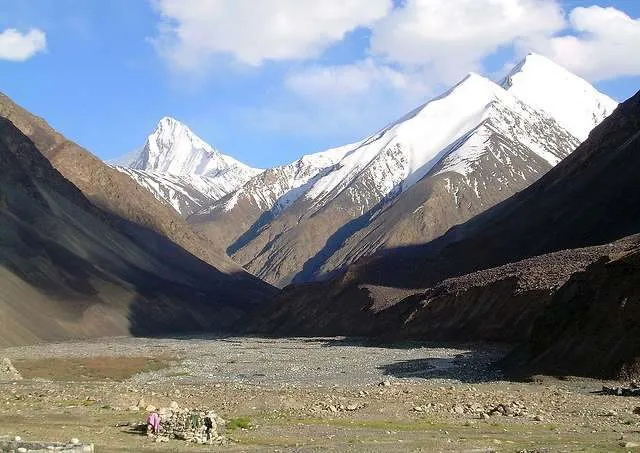
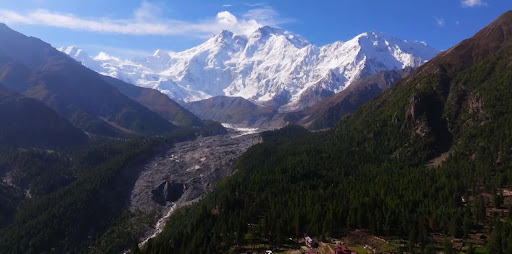
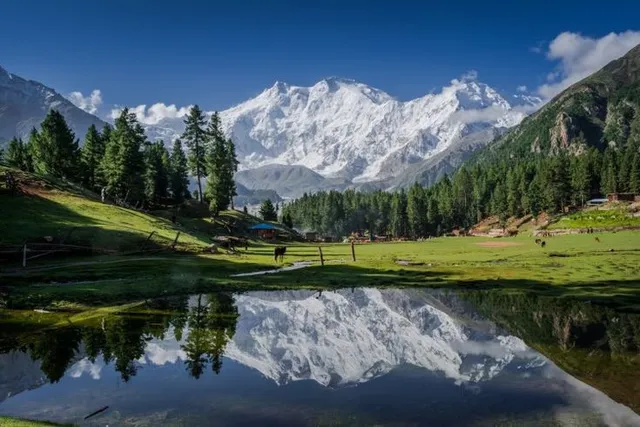
Nanga Parbat, known as the "Killer Mountain," is one of the most iconic and awe-inspiring peaks in the world, located in the Gilgit-Baltistan region of northern Pakistan. Towering at 8,126 meters (26,660 feet), it is the ninth-highest mountain on Earth and a symbol of the majestic beauty and danger of the Himalayas. The mountain's name, "Nanga Parbat," translates to "Naked Mountain" due to its exposed, rugged face, making it a striking and formidable presence in the landscape. The mountain is part of the western Himalayas and is surrounded by stunning natural beauty. Its peak is often shrouded in clouds, and its sheer rock walls and glaciers provide a breathtaking sight. Nanga Parbat is renowned for its extreme difficulty to climb, with many mountaineers having lost their lives attempting to summit. It is considered one of the deadliest mountains, which only adds to its mystique and reputation among the mountaineering community. Despite this, its allure for adventurers remains strong, and its towering presence is a reminder of nature’s power and unpredictability. Nanga Parbat’s landscape is marked by sharp contrasts. The base of the mountain is surrounded by lush valleys, deep ravines, and clear, rushing streams. These areas provide a stark contrast to the arid and icy slopes above. Glaciers like the Diamer and Rupal glaciers spread across the lower regions, reflecting the pristine, untouched environment. The beauty of Nanga Parbat is further accentuated by the nearby peaks of Rakaposhi, Diran, and Haramosh, creating a panoramic view that is both humbling and mesmerizing. The people living around Nanga Parbat are another essential part of its allure. The indigenous communities, especially those in the nearby Hunza Valley, are known for their hospitality, resilience, and rich cultural heritage. The Hunza people, often regarded as some of the healthiest and happiest in the world, live a lifestyle that has remained relatively unchanged for centuries. They have a deep connection to the land and its natural beauty. For them, Nanga Parbat is not just a physical landmark but a symbol of strength, endurance, and protection. The region’s culture is heavily influenced by the mountain, and its people see themselves as guardians of the surrounding environment. Their agriculture, based on terraced farming and sustainable practices, ensures the preservation of their natural resources. The Hunza Valley, known for its stunning vistas of lush orchards and snow-capped peaks, reflects the harmony between the people and nature that has existed for generations. In addition to the Hunza Valley, other local tribes such as the Kalash and Shina communities also call the area around Nanga Parbat home. Each community brings its own unique cultural practices, folklore, and traditions, adding to the richness of the region’s identity. Despite the harshness of the terrain, the people living here maintain a close-knit, vibrant society that values cooperation, community, and respect for nature. In conclusion, Nanga Parbat is a true marvel of nature, both in terms of its physical grandeur and the cultural richness of the people who live in its shadow. The breathtaking landscapes, combined with the resilient, warm-hearted communities that inhabit the region, make Nanga Parbat a place of both natural beauty and human strength, embodying the profound connection between the land and its people.
CharlieCharlie
This lovely region is experiencing a flippant vacationer advancement that undermines the environmental harmony. The Pixie Glades are not a "pixie" knolls any longer, yet a lot of Inns that caters for boisterous hordes of neighborhood vacationers. The neighborhood timberland languished the interest over wood and there is trash all over the place. It is a disgrace since this valley it is truly supernatural. What it ought to be a climber paradise, it is a scam. I propose to go to Beyal Camp, it is essential however for the people who like desolate strolls, shepherd culture and appreciate nature sounds it is a superior decision. The actual spot is a lovely yet just disagreeable thing was the way squander/trash was made due. The spot will get overflowed with travelers on the off chance that a superior street gets built which I trust it doesn't until a legitimate rule and guidelines are made. At any rate if individuals with crude experience abilities have any desire to investigate the region, the spot is tailor-made for them. To visit the spot might be exorbitant yet in bunches it would be more pocket amicable You can do performance visit to the spot too, simply attempt to coexist with outsiders and offer cost. Finally, for the love don't litter. Nanga Parbat structures the western anchor of the Himalayan Reach and is the westernmost eight-thousander. It lies only south of the Indus Waterway in the Diamer Area of Gilgit-Baltistan in Pakistani-directed Kashmir. In certain spots, it streams in excess of 7 kilometers beneath the high-point of the massif. Toward the north is the western finish of the Karakoram range. Nanga Parbat referred to locally as Diamer and that signifies "lord of the mountains", is the 10th most elevated mountain on The planet, its highest point at 8,126 above ocean level.Lying promptly southeast of the northernmost curve of the Indus Waterway in the Gilgit-Baltistan area of Pakistan regulated Kashmir, Nanga Parbat is the westernmost significant pinnacle of the Himalayas, and subsequently in the customary perspective on the Himalayas as limited by the Indus and Yarlung Brahmaputra streams, it is the western anchor of the whole mountain range.
See more posts
See more posts
hotel
Find your stay

Pet-friendly Hotels in Nanga Parbat Group

Find a cozy hotel nearby and make it a full experience.

Pakistan travel guid(part 2)
Daisy Roberts

Daisy Roberts

hotel
Find your stay

Affordable Hotels in Nanga Parbat Group

Find a cozy hotel nearby and make it a full experience.

Get the Appoverlay
Get the AppOne tap to find yournext favorite spots!
Nanga Parbat, known as the "Killer Mountain," is one of the most iconic and awe-inspiring peaks in the world, located in the Gilgit-Baltistan region of northern Pakistan. Towering at 8,126 meters (26,660 feet), it is the ninth-highest mountain on Earth and a symbol of the majestic beauty and danger of the Himalayas. The mountain's name, "Nanga Parbat," translates to "Naked Mountain" due to its exposed, rugged face, making it a striking and formidable presence in the landscape. The mountain is part of the western Himalayas and is surrounded by stunning natural beauty. Its peak is often shrouded in clouds, and its sheer rock walls and glaciers provide a breathtaking sight. Nanga Parbat is renowned for its extreme difficulty to climb, with many mountaineers having lost their lives attempting to summit. It is considered one of the deadliest mountains, which only adds to its mystique and reputation among the mountaineering community. Despite this, its allure for adventurers remains strong, and its towering presence is a reminder of nature’s power and unpredictability. Nanga Parbat’s landscape is marked by sharp contrasts. The base of the mountain is surrounded by lush valleys, deep ravines, and clear, rushing streams. These areas provide a stark contrast to the arid and icy slopes above. Glaciers like the Diamer and Rupal glaciers spread across the lower regions, reflecting the pristine, untouched environment. The beauty of Nanga Parbat is further accentuated by the nearby peaks of Rakaposhi, Diran, and Haramosh, creating a panoramic view that is both humbling and mesmerizing. The people living around Nanga Parbat are another essential part of its allure. The indigenous communities, especially those in the nearby Hunza Valley, are known for their hospitality, resilience, and rich cultural heritage. The Hunza people, often regarded as some of the healthiest and happiest in the world, live a lifestyle that has remained relatively unchanged for centuries. They have a deep connection to the land and its natural beauty. For them, Nanga Parbat is not just a physical landmark but a symbol of strength, endurance, and protection. The region’s culture is heavily influenced by the mountain, and its people see themselves as guardians of the surrounding environment. Their agriculture, based on terraced farming and sustainable practices, ensures the preservation of their natural resources. The Hunza Valley, known for its stunning vistas of lush orchards and snow-capped peaks, reflects the harmony between the people and nature that has existed for generations. In addition to the Hunza Valley, other local tribes such as the Kalash and Shina communities also call the area around Nanga Parbat home. Each community brings its own unique cultural practices, folklore, and traditions, adding to the richness of the region’s identity. Despite the harshness of the terrain, the people living here maintain a close-knit, vibrant society that values cooperation, community, and respect for nature. In conclusion, Nanga Parbat is a true marvel of nature, both in terms of its physical grandeur and the cultural richness of the people who live in its shadow. The breathtaking landscapes, combined with the resilient, warm-hearted communities that inhabit the region, make Nanga Parbat a place of both natural beauty and human strength, embodying the profound connection between the land and its people.
Awais Aleem (Sheikh)

Awais Aleem (Sheikh)

hotel
Find your stay

The Coolest Hotels You Haven't Heard Of (Yet)

Find a cozy hotel nearby and make it a full experience.

hotel
Find your stay

Trending Stays Worth the Hype in Nanga Parbat Group

Find a cozy hotel nearby and make it a full experience.

This lovely region is experiencing a flippant vacationer advancement that undermines the environmental harmony. The Pixie Glades are not a "pixie" knolls any longer, yet a lot of Inns that caters for boisterous hordes of neighborhood vacationers. The neighborhood timberland languished the interest over wood and there is trash all over the place. It is a disgrace since this valley it is truly supernatural. What it ought to be a climber paradise, it is a scam. I propose to go to Beyal Camp, it is essential however for the people who like desolate strolls, shepherd culture and appreciate nature sounds it is a superior decision. The actual spot is a lovely yet just disagreeable thing was the way squander/trash was made due. The spot will get overflowed with travelers on the off chance that a superior street gets built which I trust it doesn't until a legitimate rule and guidelines are made. At any rate if individuals with crude experience abilities have any desire to investigate the region, the spot is tailor-made for them. To visit the spot might be exorbitant yet in bunches it would be more pocket amicable You can do performance visit to the spot too, simply attempt to coexist with outsiders and offer cost. Finally, for the love don't litter. Nanga Parbat structures the western anchor of the Himalayan Reach and is the westernmost eight-thousander. It lies only south of the Indus Waterway in the Diamer Area of Gilgit-Baltistan in Pakistani-directed Kashmir. In certain spots, it streams in excess of 7 kilometers beneath the high-point of the massif. Toward the north is the western finish of the Karakoram range. Nanga Parbat referred to locally as Diamer and that signifies "lord of the mountains", is the 10th most elevated mountain on The planet, its highest point at 8,126 above ocean level.Lying promptly southeast of the northernmost curve of the Indus Waterway in the Gilgit-Baltistan area of Pakistan regulated Kashmir, Nanga Parbat is the westernmost significant pinnacle of the Himalayas, and subsequently in the customary perspective on the Himalayas as limited by the Indus and Yarlung Brahmaputra streams, it is the western anchor of the whole mountain range.
Charlie

Charlie

See more posts
See more posts

Reviews of Nanga Parbat

4.6
(784)
avatar
5.0
51w

Nanga Parbat, known as the "Killer Mountain," is one of the most iconic and awe-inspiring peaks in the world, located in the Gilgit-Baltistan region of northern Pakistan. Towering at 8,126 meters (26,660 feet), it is the ninth-highest mountain on Earth and a symbol of the majestic beauty and danger of the Himalayas. The mountain's name, "Nanga Parbat," translates to "Naked Mountain" due to its exposed, rugged face, making it a striking and formidable presence in the landscape.

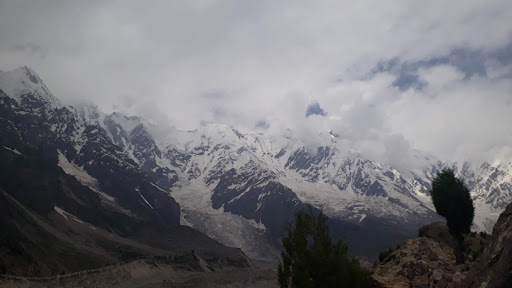
The mountain is part of the western Himalayas and is surrounded by stunning natural beauty. Its peak is often shrouded in clouds, and its sheer rock walls and glaciers provide a breathtaking sight.

Nanga Parbat is renowned for its extreme difficulty to climb, with many mountaineers having lost their lives attempting to summit.

It is considered one of the deadliest mountains, which only adds to its mystique and reputation among the mountaineering community.

Despite this, its allure for adventurers remains strong, and its towering presence is a reminder of nature’s power and unpredictability.

Nanga Parbat’s landscape is marked by sharp contrasts. The base of the mountain is surrounded by lush valleys, deep ravines, and clear, rushing streams.

These areas provide a stark contrast to the arid and icy slopes above. Glaciers like the Diamer and Rupal glaciers spread across the lower regions, reflecting the pristine, untouched environment. The beauty of Nanga Parbat is further accentuated by the nearby peaks of Rakaposhi, Diran, and Haramosh, creating a panoramic view that is both humbling and mesmerizing.

The people living around Nanga Parbat are another essential part of its allure. The indigenous communities, especially those in the nearby Hunza Valley, are known for their hospitality, resilience, and rich cultural heritage.

The Hunza people, often regarded as some of the healthiest and happiest in the world, live a lifestyle that has remained relatively unchanged for centuries. They have a deep connection to the land and its natural beauty. For them, Nanga Parbat is not just a physical landmark but a symbol of strength, endurance, and protection.

The region’s culture is heavily influenced by the mountain, and its people see themselves as guardians of the surrounding environment.

Their agriculture, based on terraced farming and sustainable practices, ensures the preservation of their natural resources. The Hunza Valley, known for its stunning vistas of lush orchards and snow-capped peaks, reflects the harmony between the people and nature that has existed for generations.

In addition to the Hunza Valley, other local tribes such as the Kalash and Shina communities also call the area around Nanga Parbat home.

Each community brings its own unique cultural practices, folklore, and traditions, adding to the richness of the region’s identity. Despite the harshness of the terrain, the people living here maintain a close-knit, vibrant society that values cooperation, community, and respect for nature.

In conclusion, Nanga Parbat is a true marvel of nature, both in terms of its physical grandeur and the cultural richness of the people who live in its shadow.

The breathtaking landscapes, combined with the resilient, warm-hearted communities that inhabit the region, make Nanga Parbat a place of both natural beauty and human strength, embodying the profound connection between the land...

   Read more

avatar
5.0
2y

This lovely region is experiencing a flippant vacationer advancement that undermines the environmental harmony. The Pixie Glades are not a "pixie" knolls any longer, yet a lot of Inns that caters for boisterous hordes of neighborhood vacationers. The neighborhood timberland languished the interest over wood and there is trash all over the place. It is a disgrace since this valley it is truly supernatural. What it ought to be a climber paradise, it is a scam. I propose to go to Beyal Camp, it is essential however for the people who like desolate strolls, shepherd culture and appreciate nature sounds it is a superior decision.

The actual spot is a lovely yet just disagreeable thing was the way squander/trash was made due. The spot will get overflowed with travelers on the off chance that a superior street gets built which I trust it doesn't until a legitimate rule and guidelines are made. At any rate if individuals with crude experience abilities have any desire to investigate the region, the spot is tailor-made for them. To visit the spot might be exorbitant yet in bunches it would be more pocket amicable You can do performance visit to the spot too, simply attempt to coexist with outsiders and offer cost. Finally, for the love don't litter.

Nanga Parbat structures the western anchor of the Himalayan Reach and is the westernmost eight-thousander. It lies only south of the Indus Waterway in the Diamer Area of Gilgit-Baltistan in Pakistani-directed Kashmir. In certain spots, it streams in excess of 7 kilometers beneath the high-point of the massif. Toward the north is the western finish of the Karakoram range.

Nanga Parbat referred to locally as Diamer and that signifies "lord of the mountains", is the 10th most elevated mountain on The planet, its highest point at 8,126 above ocean level.Lying promptly southeast of the northernmost curve of the Indus Waterway in the Gilgit-Baltistan area of Pakistan regulated Kashmir, Nanga Parbat is the westernmost significant pinnacle of the Himalayas, and subsequently in the customary perspective on the Himalayas as limited by the Indus and Yarlung Brahmaputra streams, it is the western anchor of the whole...

   Read more
avatar
5.0
6y

🌄 Stunned by the Majestic View of Nanga Parbat from Tarashing Valley – Astore, Gilgit-Baltistan

Witnessing Nanga Parbat from the serene and scenic Tarashing Valley (also known as Tirshing Valley) is a once-in-a-lifetime experience. As the 9th highest mountain in the world (8,126 meters / 26,660 ft), Nanga Parbat, also called the “Killer Mountain,” stands tall with unmatched grandeur in the western Himalayas.

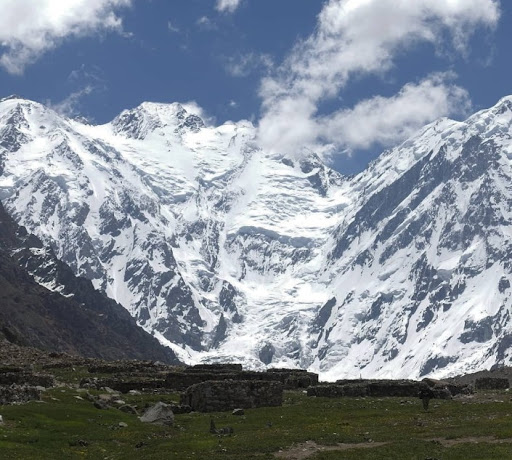
From the Astore side, Tarashing is the gateway to the Rupal Face, which is the world's highest mountain face — a sheer vertical wall of snow and rock that leaves visitors speechless. This lesser-known route offers an incredibly raw and untouched perspective of the mountain, far from the commercial tourist paths.

Tarashing Valley itself is a hidden gem — a tranquil alpine settlement surrounded by lush green meadows, flowing glacial streams, and snow-capped peaks. It serves as the starting point for many trekking expeditions to Rupal Valley, Herrligkoffer Base Camp, and Shaigiri. The fresh mountain air, warm hospitality of the locals, and the breathtaking views of Nanga Parbat’s south face make this location ideal for adventure seekers, travel photographers, hikers, and nature lovers alike.

✅ Must-visit spot for:

High-altitude trekking in Gilgit-Baltistan

Scenic views of Nanga Parbat’s Rupal Face

Eco-tourism and off-the-beaten-path travel

Glacial valley landscapes and mountain photography

📍Pro Tip: Best time to visit is between June and September when the skies are clear, and the trails are accessible. Don’t miss sunrise or sunset over the Rupal face — it’s pure magic.

Added...

   Read more
Page 1 of 7
Previous
Next