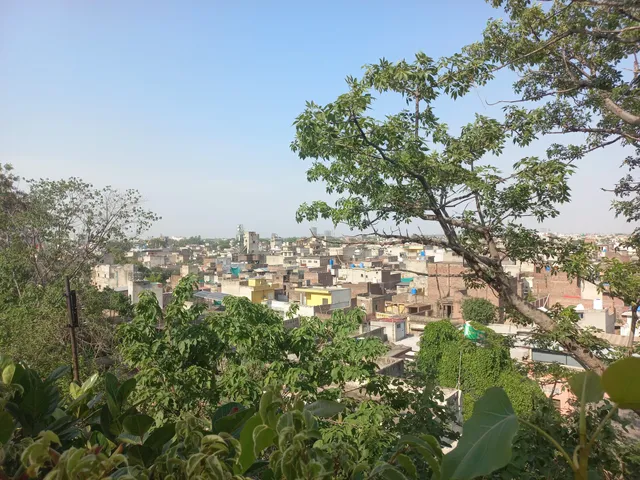
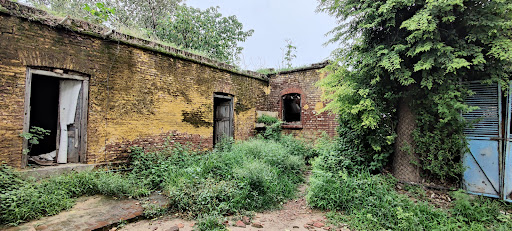
Sialkot Fort is a historical fort located in the city of Sialkot, Punjab, Pakistan. The fort has a long and rich history dating back to ancient times. It is believed to have been built during the Maurya Empire in the 3rd century BCE, making it one of the oldest surviving forts in the region.
The fort is located on a high hill overlooking the city, providing a strategic advantage for its defenses. It has a triangular shape with three gates, each facing a different direction. The main gate is located on the eastern side and is flanked by two towers. The fort also has a number of bastions and watchtowers, which were used for defending the fort against enemy attacks.
Over the years, the fort has undergone numerous renovations and modifications. In the 11th century, it was expanded and fortified by the Muslim ruler Mahmud of Ghazni. In the 18th century, the Sikh ruler Ranjit Singh renovated the fort and added several new structures to it, including a palace and a temple.
Today, the fort is a popular tourist attraction in Sialkot and is well-preserved. It is open to the public and visitors can explore the interior of the fort, including the palace and temple, as well as the ramparts and bastions. The fort is also used for cultural events and functions.
In addition to its historical and cultural significance, the fort also has significant architectural value. It is an example of traditional Islamic and Sikh military architecture, with features such as arched gateways and decorative tile work. The fort is also a testament to the rich history of Sialkot and the many civilizations that have influenced its development over the centuries.
Overall, Sialkot Fort is a fascinating and important historical landmark in Pakistan, offering visitors a glimpse into the past and a chance to learn about the region's rich...
Read moreCrafting Elegance: At ENRICH CLOTHING, I honed my skills in meticulously crafting elegant garments that seamlessly blend style and comfort.
Attention to Detail: My experience involved a keen focus on intricate details, ensuring each stitch contributes to the overall quality and aesthetic appeal of the clothing.
Innovative Design: Working at ENRICH CLOTHING exposed me to a culture of innovation, where I contributed to designing unique pieces that resonate with contemporary fashion trends.
Quality Assurance: I played a vital role in maintaining the brand's commitment to superior quality, conducting rigorous quality checks to guarantee the excellence of every garment.
Collaborative Spirit: ENRICH CLOTHING fosters a collaborative environment, allowing me to work seamlessly with diverse teams to bring creative concepts to life.
Client Interaction: My role included direct client interaction, understanding their preferences, and translating their visions into tailor-made clothing that exceeded expectations.
Trend Analysis: Staying ahead of fashion trends was a key aspect of my experience, ensuring that ENRICH CLOTHING remains at the forefront of the ever-evolving fashion landscape.
Adaptability: ENRICH CLOTHING's dynamic work culture encouraged adaptability, pushing me to embrace new techniques and materials to keep the designs fresh and modern.
Brand Representation: As part of the team, I actively contributed to upholding and enhancing the brand image, embodying the values of ENRICH CLOTHING in every project.
Pride in Craftsmanship: My time at ENRICH CLOTHING instilled in me a deep sense of pride in craftsmanship, understanding that each garment produced carries a piece of the...
Read moreThe Sialkot Fort, nestled in the historical landscape of Punjab, Pakistan, stands as a testament to centuries of cultural and military significance. According to local folklore, it was initially constructed by Raja Sálbán around the 2nd century CE, marking its ancient origins. Over the centuries, the fort saw multiple rebuilds and renovations, notably by Shahab ud-Din Ghori after its capture from Khusrau Malik, the last Ghaznavid ruler. During the Mughal era, Sultan Firuz Shah Tughluq bestowed the fort upon the Janjua tribes, solidifying their influence in the region by the late 14th century CE.
Under the patronage of Emperor Akbar, the fort's custodianship was entrusted to Raja Man Singh, who undertook extensive repairs and initiatives to bolster Sialkot's population and economic prosperity. Subsequently, during Jahangir's reign, Safdar Khan oversaw further fortifications and contributed to the city's continued growth.
Despite its storied history, the Sialkot Fort today lies in ruins, facing challenges from encroachment and neglect, yet still retaining echoes of its past glory. As a pivotal archaeological site in Punjab, it remains a poignant reminder of the region's rich cultural heritage and strategic importance throughout various epochs of South...
Read more