HTML SitemapExplore
logo
Find Things to DoFind The Best Restaurants

Wah Gardens — Attraction in Taxila Tehsil

Name
Wah Gardens
Description
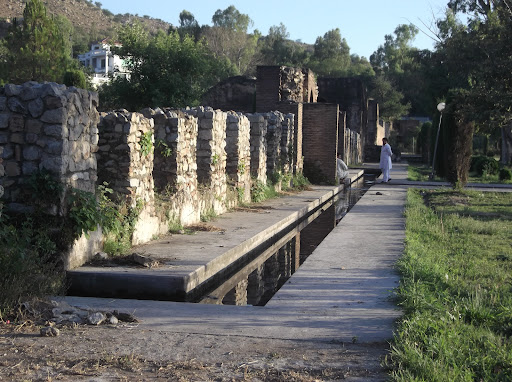
Wah Gardens, also known as Mughal Garden Wah, is a garden-complex dating back to the era of the Mughal Emperor Akbar the Great, located at Wah village, of Hasan Abdal, in Punjab, Pakistan.
Nearby attractions
Nearby restaurants
Nearby hotels
Related posts
Keywords
Wah Gardens tourism.Wah Gardens hotels.Wah Gardens bed and breakfast. flights to Wah Gardens.Wah Gardens attractions.Wah Gardens restaurants.Wah Gardens travel.Wah Gardens travel guide.Wah Gardens travel blog.Wah Gardens pictures.Wah Gardens photos.Wah Gardens travel tips.Wah Gardens maps.Wah Gardens things to do.
Wah Gardens things to do, attractions, restaurants, events info and trip planning
Wah Gardens
PakistanPunjabTaxila TehsilWah Gardens

Basic Info

Wah Gardens

RP22+GF8, Wah, Pakistan
4.3(1.4K)
Closed
Save
spot

Ratings & Description

Info

Wah Gardens, also known as Mughal Garden Wah, is a garden-complex dating back to the era of the Mughal Emperor Akbar the Great, located at Wah village, of Hasan Abdal, in Punjab, Pakistan.

Outdoor
Relaxation
Family friendly
attractions: , restaurants:
logoLearn more insights from Wanderboat AI.
Open hoursSee all hours
Thu8 AM - 10 PMClosed

Plan your stay

hotel
Pet-friendly Hotels in Taxila Tehsil
Find a cozy hotel nearby and make it a full experience.
hotel
Affordable Hotels in Taxila Tehsil
Find a cozy hotel nearby and make it a full experience.
hotel
The Coolest Hotels You Haven't Heard Of (Yet)
Find a cozy hotel nearby and make it a full experience.
hotel
Trending Stays Worth the Hype in Taxila Tehsil
Find a cozy hotel nearby and make it a full experience.

Reviews

Get the Appoverlay
Get the AppOne tap to find yournext favorite spots!
Wanderboat LogoWanderboat

Your everyday Al companion for getaway ideas

CompanyAbout Us
InformationAI Trip PlannerSitemap
SocialXInstagramTiktokLinkedin
LegalTerms of ServicePrivacy Policy

Get the app

© 2025 Wanderboat. All rights reserved.
logo

Reviews of Wah Gardens

4.3
(1,352)
avatar
5.0
2y

Nestled amidst the historical charm of Wah village, the Wah Gardens, also known as Mughal Garden Wah, is a true gem that invites you to step back in time while basking in nature's embrace. As an avid traveler and history enthusiast, my recent visit to this enchanting garden-complex left me thoroughly captivated.

Steeped in the legacy of the Mughal era, Wah Gardens transports you to a bygone era when the illustrious Mughal Emperor Akbar the Great reigned. The meticulously preserved architecture and design elements offer a tantalizing glimpse into the past. The intricate carvings, sprawling courtyards, and architectural wonders pay homage to the impeccable craftsmanship of that era.

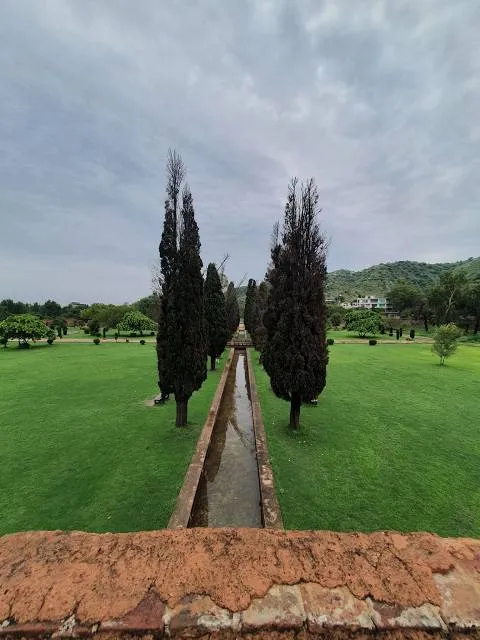
The heart of this oasis is undoubtedly the picturesque lake that graces the center of the garden. As I gazed upon its tranquil waters, I felt a sense of serenity washing over me. The reflections of the surrounding greenery on the water's surface created a mesmerizing tableau, making it a perfect spot for contemplation and quietude.

The Pakistan Department of Archaeology deserves commendation for its dedicated efforts in restoring this historical treasure. The gradual revival of the garden from its state of disrepair is evident, with careful attention paid to preserving its authenticity. However, like any historical site undergoing restoration, there's room for improvement.

Upon arrival, it's impossible not to notice the lushness and vibrancy of the plant life that adorns the garden. The lush greenery and vibrant blossoms paint a stunning portrait of nature's artistry. While strolling through the garden's pathways, I couldn't help but be charmed by the chirping of birds and the gentle rustling of leaves—a true symphony of nature.

It's worth mentioning that the garden isn't just a haven for history enthusiasts; it also offers recreational activities for families. During the summer season, the opportunity to cool off in the inviting waters is a welcomed respite. However, it's disheartening to witness some visitors disregard the rules, such as swimming in the pool when prohibited. Responsible tourism is crucial to preserving the sanctity of such a place.

The presence of a small canteen adds a convenient touch, offering refreshments to visitors. Though the menu is limited, a few snacks and cold drinks suffice to keep energy levels up during exploration.

In terms of management and maintenance, there is room for improvement. Cleanliness, particularly around the ponds, could be enhanced to elevate the overall experience. A dedicated effort towards mosquito control would also enhance the comfort of visitors, ensuring that they can fully immerse themselves in the beauty of the surroundings.

For those who appreciate history, nature, and the melding of the two, Wah Gardens stands as a must-visit destination. While there are areas that could benefit from more meticulous attention, the allure of the garden's historical significance and natural splendor remains undeniable. With the potential to become a premier tourist destination, I hope to see continued efforts in its preservation and enhancement.

In conclusion, a visit to Wah Gardens is a journey through time and a communion with nature. This living testament to the Mughal legacy is a treasure trove of beauty and history, inviting all who pass through its gates to become a part of...

   Read more

avatar
5.0
7y

Mughal Gardens Wah is a classical example of Mughal architecture. It is a garden-complex dating back to the era of the Mughal Emperor Akbar the Great (1542-1605), located at Wah village, of Hasan Abdal, in Punjab, Pakistan. The site was largely abandoned after Mughal rule, and largely lies in ruins today. The gardens are in the old village of Wah, close to the present garrison town of Wah, located 50 km north west of Islamabad on the main Grand Trunk Road. Raja Man Singh, brother-in-law of Emperor Jahangir, was a court chief of Emperor Akbar, and is credited with construction of the gardens along the old route from Lahore to Srinagar. He was posted at Wah from the year 1581 to 1586 to stop enemy incursions. During his stay he made a pond surrounded by a structure of twelve doors. The Mughal Emperor Jahangir while on his way to Kabul stayed here on 29 April 1607 and went fishing in the pond. Indeed, the present old village of Wah was originally called 'Jalal Sar' after Jalal Khan Khattar but was renamed 'Wah' by Jahangir. He wrote in his autobiography "Stayed at Baba Hasanabdal on 12th Muharram, 1016 A.D. At about two miles on the eastern side of this place there is a waterfall. The water falls with great speed. The center of the pond has the main exiting of the waterfall. Raja Maan Singh has made a very little building. There is a lot of fish in the pond having a length of quarter yard. I stayed at this beautiful place for three days. I put the net in the pond and caught about 10 to 12 fish. These fish were again dropped in the water after sewing pearls in their noses". The Emperor Shah Jahan stayed at Wah while on his way to Kabul in 1639. He called his central construction department and ordered the reconstruction of the buildings. Ahmed Maamar Lahoree, a famous architect of those days, planned out the gardens, palaces and inns. The construction was performed under his supervision and took two years. The garden was made in the Mughal construction style. He made beautiful twelve door structures, canals and waterfalls. He made bathrooms having mixture of cold and hot water at the southern end of these twelve-door structures. The inner portion of the structures has been plastered. The walls of the smaller rooms have been decorated with flowers and petals. Shah Jahan stayed at the gardens on his trips to Kabul four times after their completion: in 1646, 1647, 1649, and 1654. Contemporaries of Shah Jahan, namely Abdul Hameed Lahoree and Muhammad Saleh Kamboh, declared the garden as a trustee of heaven and substitute for heaven's garden on earth. The Mughal Emperor Aurangzeb stayed at the garden in July 1676. The garden was badly damaged in the era of the Durrani Empire (1747–1826) and later Sikh rule (1826-1849). After the annexation of the Punjab, the British Government handed over the gardens to Nawab Muhammad Hayat Khan,...

   Read more
avatar
5.0
4y

Raja Man Singh, brother-in-law of Emperor Jahangir, was a court chief of Emperor Akbar, and is credited with construction of the gardens along the old route from Lahore to Srinagar.He was posted at Wah from the year 1581 to 1586 to stop enemy incursions. During his stay he made a pond surrounded by a structure of twelve doors. The Mughal Emperor Jahangir while on his way to Kabul stayed here on 29 April 1607 and went fishing in the pond. Indeed, the present old village of Wah was originally called 'Jalal Sar' after Jalal Khan Khattar but was renamed 'Wah' by Jahangir.

He wrote in his autobiography (translation): "Stayed at Baba Hasanabdal on 12th Muharram, 1016 A.D. At about two miles on the eastern side of this place there is a waterfall. The water falls with great speed. The center of the pond has the main exiting of the waterfall. Raja Maan Singh has made a very little building. There is a lot of fish in the pond having a length of quarter yard. I stayed at this beautiful place for three days. I put the net in the pond and caught about 10 to 12 fish. These fish were again dropped in the water after sewing pearls in their noses".

The Emperor Shah Jahan stayed at Wah while on his way to Kabul in 1639. He called his central construction department and ordered the reconstruction of the buildings. Ahmed Maamar Lahoree, a famous architect of those days, planned out the gardens, palaces and inns. The construction was performed under his supervision and took two years. The garden was made in the Mughal construction style. He made beautiful twelve door structures, canals and waterfalls. He made bathrooms having mixture of cold and hot water at the southern end of these twelve-door structures. The inner portion of the structures has been plastered. The walls of the smaller rooms have been decorated with flowers and petals.

Shah Jahan stayed at the gardens on his trips to Kabul four times after their completion: in 1646, 1647, 1649, and 1654. Contemporaries of Shah Jahan, namely Abdul Hameed Lahoree and Muhammad Saleh Kamboh, declared the garden as a trustee of heaven and substitute for heaven's garden on earth.

The Mughal Emperor Aurangzeb stayed at the garden in July 1676. The garden was badly damaged in the era of the Durrani Empire (1747–1826) and later Sikh rule (1826-1849). After the annexation of the Punjab, the British Government handed over the gardens to Nawab Muhammad Hayat Khan,...

   Read more
Page 1 of 7
Previous
Next

Posts

Safdar HussainSafdar Hussain
Nestled amidst the historical charm of Wah village, the Wah Gardens, also known as Mughal Garden Wah, is a true gem that invites you to step back in time while basking in nature's embrace. As an avid traveler and history enthusiast, my recent visit to this enchanting garden-complex left me thoroughly captivated. Steeped in the legacy of the Mughal era, Wah Gardens transports you to a bygone era when the illustrious Mughal Emperor Akbar the Great reigned. The meticulously preserved architecture and design elements offer a tantalizing glimpse into the past. The intricate carvings, sprawling courtyards, and architectural wonders pay homage to the impeccable craftsmanship of that era. The heart of this oasis is undoubtedly the picturesque lake that graces the center of the garden. As I gazed upon its tranquil waters, I felt a sense of serenity washing over me. The reflections of the surrounding greenery on the water's surface created a mesmerizing tableau, making it a perfect spot for contemplation and quietude. The Pakistan Department of Archaeology deserves commendation for its dedicated efforts in restoring this historical treasure. The gradual revival of the garden from its state of disrepair is evident, with careful attention paid to preserving its authenticity. However, like any historical site undergoing restoration, there's room for improvement. Upon arrival, it's impossible not to notice the lushness and vibrancy of the plant life that adorns the garden. The lush greenery and vibrant blossoms paint a stunning portrait of nature's artistry. While strolling through the garden's pathways, I couldn't help but be charmed by the chirping of birds and the gentle rustling of leaves—a true symphony of nature. It's worth mentioning that the garden isn't just a haven for history enthusiasts; it also offers recreational activities for families. During the summer season, the opportunity to cool off in the inviting waters is a welcomed respite. However, it's disheartening to witness some visitors disregard the rules, such as swimming in the pool when prohibited. Responsible tourism is crucial to preserving the sanctity of such a place. The presence of a small canteen adds a convenient touch, offering refreshments to visitors. Though the menu is limited, a few snacks and cold drinks suffice to keep energy levels up during exploration. In terms of management and maintenance, there is room for improvement. Cleanliness, particularly around the ponds, could be enhanced to elevate the overall experience. A dedicated effort towards mosquito control would also enhance the comfort of visitors, ensuring that they can fully immerse themselves in the beauty of the surroundings. For those who appreciate history, nature, and the melding of the two, Wah Gardens stands as a must-visit destination. While there are areas that could benefit from more meticulous attention, the allure of the garden's historical significance and natural splendor remains undeniable. With the potential to become a premier tourist destination, I hope to see continued efforts in its preservation and enhancement. In conclusion, a visit to Wah Gardens is a journey through time and a communion with nature. This living testament to the Mughal legacy is a treasure trove of beauty and history, inviting all who pass through its gates to become a part of its narrative.
Mohammad RizwanMohammad Rizwan
It's a 16th century garden that was built by Emperor Akbar. The highlight of the garden are the large sized pools that are fed by a spring originating inside the garden. A baradary just next to the pool. All over the garden there is a well layed out water distribution system that was built by Mughals. It is still intact and takes water to Wah village. Pools are filled with crystal clear fresh water. One can see lot of Himalayan Mahaseer swimming in the ponds. Local considered these fish as sacred and do not every try to catch them. The garden overall is quite neglected. The place has such historic significance as well as natural beauty that a bit of horticultural effort can lift the whole place to a next level. The remains of the Mughal Gardens at Wah Village are a splendid sample of the Ecological reverence paid by the Mughal Emperors of the Indian Sub Continent. This Naturally occurring home to a hundred clear and sparkling springs is the domain of the famous Hyat Family of Pakistan. They belong to the Warrior Clan of Khattars who accompanied Sultan Mehmood Ghauri in his successful invasion of India from Central Asia. The Mughal Emperors later appropriated the original settlement of JallalSar (Named after the eldest son of Sardar Jamal Khan Khattar, himself descended from Sardar Feroze Khan Khattar,the offspring of Khattar Khan. The Mughal Emperor Akbar the Great saw this Paradise on Earth and exclaimed Wah, Wah! (Wow, Wow). He had a Mughal ChaharBagh (Four Square Gardens) or Hast Bihist (8 Paradises) pattern. There is a Large Tank with Fountains and splendid wakways lined with ancient trees and water courses with waterfalls. Upkeep is minimal and the crowds thonging this idealic spot in summers are allowed to bathe in the pools. However, with some funding the Gardens can be restored to rival any Garden in the World!
Gems Club PakistanGems Club Pakistan
  Wah Gardens Mughal Gardens Wah History Wah Gardens, also known as Mughal Garden Wah, is located in the old village of Wah near Wah. It is a structure of twelve doors having a beautiful garden and ponds and depicts the Mughal construction style. The garden was built under the supervision of Raja Maan Singh when he was posted at Wah to stop enemies in the year 1581-1586. Raja Maan Singh was a trusted Commander of the Mughal Emperor Akbar. Several Mughal Emperors and their allies stayed in the garden when while traveling. The Mughal Emperor Jehangir also stayed in the garden and described his visit to the garden in his autobiography. He talked about the beauty of the Garden and the activities he did in it including fishing. In 1639, the emperor Shah Jahan stopped in Wah en route to Kabul. He placed a call to his central construction division and directed them to rebuild the structures. The gardens, mansions, and inns were designed by the renowned architect of the day Ahmed Maamar Lahoree. It took two years to complete the building, which was managed by him. The garden was constructed in the Mughal architectural style. He created stunning twelve-door buildings, canals, and waterfalls. He built restrooms with a combination of hot and cold water at the southernmost point of these twelve-door buildings. The buildings' interiors have been plastered. Flowers and petals have been used to embellish the walls of the smaller rooms. The Garden was badly damaged after the Mughal Era and remained so until a few years back. The Garden has significant historical importance and thus was handed over to the Department of Archeology by the Government of Pakistan. The repairs and maintenance work has been started to restore the Garden.
See more posts
See more posts
hotel
Find your stay

Pet-friendly Hotels in Taxila Tehsil

Find a cozy hotel nearby and make it a full experience.

Nestled amidst the historical charm of Wah village, the Wah Gardens, also known as Mughal Garden Wah, is a true gem that invites you to step back in time while basking in nature's embrace. As an avid traveler and history enthusiast, my recent visit to this enchanting garden-complex left me thoroughly captivated. Steeped in the legacy of the Mughal era, Wah Gardens transports you to a bygone era when the illustrious Mughal Emperor Akbar the Great reigned. The meticulously preserved architecture and design elements offer a tantalizing glimpse into the past. The intricate carvings, sprawling courtyards, and architectural wonders pay homage to the impeccable craftsmanship of that era. The heart of this oasis is undoubtedly the picturesque lake that graces the center of the garden. As I gazed upon its tranquil waters, I felt a sense of serenity washing over me. The reflections of the surrounding greenery on the water's surface created a mesmerizing tableau, making it a perfect spot for contemplation and quietude. The Pakistan Department of Archaeology deserves commendation for its dedicated efforts in restoring this historical treasure. The gradual revival of the garden from its state of disrepair is evident, with careful attention paid to preserving its authenticity. However, like any historical site undergoing restoration, there's room for improvement. Upon arrival, it's impossible not to notice the lushness and vibrancy of the plant life that adorns the garden. The lush greenery and vibrant blossoms paint a stunning portrait of nature's artistry. While strolling through the garden's pathways, I couldn't help but be charmed by the chirping of birds and the gentle rustling of leaves—a true symphony of nature. It's worth mentioning that the garden isn't just a haven for history enthusiasts; it also offers recreational activities for families. During the summer season, the opportunity to cool off in the inviting waters is a welcomed respite. However, it's disheartening to witness some visitors disregard the rules, such as swimming in the pool when prohibited. Responsible tourism is crucial to preserving the sanctity of such a place. The presence of a small canteen adds a convenient touch, offering refreshments to visitors. Though the menu is limited, a few snacks and cold drinks suffice to keep energy levels up during exploration. In terms of management and maintenance, there is room for improvement. Cleanliness, particularly around the ponds, could be enhanced to elevate the overall experience. A dedicated effort towards mosquito control would also enhance the comfort of visitors, ensuring that they can fully immerse themselves in the beauty of the surroundings. For those who appreciate history, nature, and the melding of the two, Wah Gardens stands as a must-visit destination. While there are areas that could benefit from more meticulous attention, the allure of the garden's historical significance and natural splendor remains undeniable. With the potential to become a premier tourist destination, I hope to see continued efforts in its preservation and enhancement. In conclusion, a visit to Wah Gardens is a journey through time and a communion with nature. This living testament to the Mughal legacy is a treasure trove of beauty and history, inviting all who pass through its gates to become a part of its narrative.
Safdar Hussain

Safdar Hussain

hotel
Find your stay

Affordable Hotels in Taxila Tehsil

Find a cozy hotel nearby and make it a full experience.

Get the Appoverlay
Get the AppOne tap to find yournext favorite spots!
It's a 16th century garden that was built by Emperor Akbar. The highlight of the garden are the large sized pools that are fed by a spring originating inside the garden. A baradary just next to the pool. All over the garden there is a well layed out water distribution system that was built by Mughals. It is still intact and takes water to Wah village. Pools are filled with crystal clear fresh water. One can see lot of Himalayan Mahaseer swimming in the ponds. Local considered these fish as sacred and do not every try to catch them. The garden overall is quite neglected. The place has such historic significance as well as natural beauty that a bit of horticultural effort can lift the whole place to a next level. The remains of the Mughal Gardens at Wah Village are a splendid sample of the Ecological reverence paid by the Mughal Emperors of the Indian Sub Continent. This Naturally occurring home to a hundred clear and sparkling springs is the domain of the famous Hyat Family of Pakistan. They belong to the Warrior Clan of Khattars who accompanied Sultan Mehmood Ghauri in his successful invasion of India from Central Asia. The Mughal Emperors later appropriated the original settlement of JallalSar (Named after the eldest son of Sardar Jamal Khan Khattar, himself descended from Sardar Feroze Khan Khattar,the offspring of Khattar Khan. The Mughal Emperor Akbar the Great saw this Paradise on Earth and exclaimed Wah, Wah! (Wow, Wow). He had a Mughal ChaharBagh (Four Square Gardens) or Hast Bihist (8 Paradises) pattern. There is a Large Tank with Fountains and splendid wakways lined with ancient trees and water courses with waterfalls. Upkeep is minimal and the crowds thonging this idealic spot in summers are allowed to bathe in the pools. However, with some funding the Gardens can be restored to rival any Garden in the World!
Mohammad Rizwan

Mohammad Rizwan

hotel
Find your stay

The Coolest Hotels You Haven't Heard Of (Yet)

Find a cozy hotel nearby and make it a full experience.

hotel
Find your stay

Trending Stays Worth the Hype in Taxila Tehsil

Find a cozy hotel nearby and make it a full experience.

  Wah Gardens Mughal Gardens Wah History Wah Gardens, also known as Mughal Garden Wah, is located in the old village of Wah near Wah. It is a structure of twelve doors having a beautiful garden and ponds and depicts the Mughal construction style. The garden was built under the supervision of Raja Maan Singh when he was posted at Wah to stop enemies in the year 1581-1586. Raja Maan Singh was a trusted Commander of the Mughal Emperor Akbar. Several Mughal Emperors and their allies stayed in the garden when while traveling. The Mughal Emperor Jehangir also stayed in the garden and described his visit to the garden in his autobiography. He talked about the beauty of the Garden and the activities he did in it including fishing. In 1639, the emperor Shah Jahan stopped in Wah en route to Kabul. He placed a call to his central construction division and directed them to rebuild the structures. The gardens, mansions, and inns were designed by the renowned architect of the day Ahmed Maamar Lahoree. It took two years to complete the building, which was managed by him. The garden was constructed in the Mughal architectural style. He created stunning twelve-door buildings, canals, and waterfalls. He built restrooms with a combination of hot and cold water at the southernmost point of these twelve-door buildings. The buildings' interiors have been plastered. Flowers and petals have been used to embellish the walls of the smaller rooms. The Garden was badly damaged after the Mughal Era and remained so until a few years back. The Garden has significant historical importance and thus was handed over to the Department of Archeology by the Government of Pakistan. The repairs and maintenance work has been started to restore the Garden.
Gems Club Pakistan

Gems Club Pakistan

See more posts
See more posts