Shah Jahan Mosque, located in Thatta, Sindh, Pakistan, is a majestic architectural marvel and one of the most impressive mosques in the Indian subcontinent. Built in 1647-49 AD during the reign of Mughal Emperor Shah Jahan, this stunning mosque is a testament to the emperor's love for architecture and his desire to spread Islamic culture.
Architectural Features:
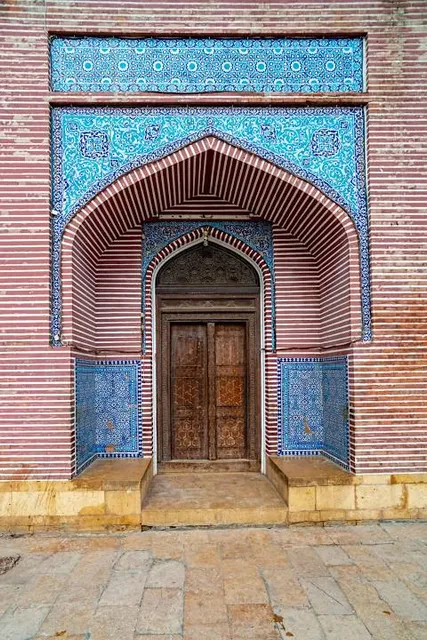
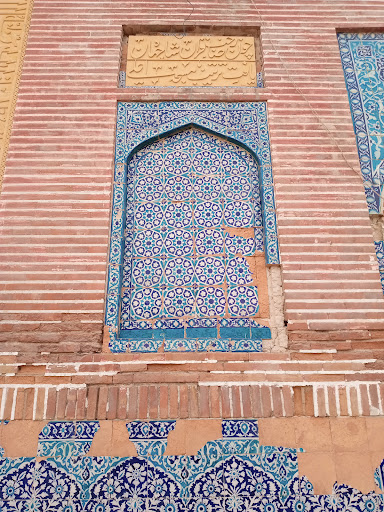
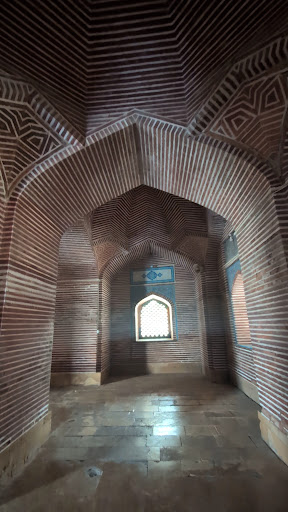
Brickwork and Glazed Tiles: The mosque's exterior is adorned with intricate brickwork and colorful glazed tiles, showcasing the region's unique craftsmanship. Dome and Minarets: The mosque features a large central dome, surrounded by four smaller domes and four minarets, creating a breathtaking skyline. Arches and Calligraphy: The mosque's interior is adorned with beautifully crafted arches, intricate stone carvings, and stunning calligraphy, showcasing the Quran's verses and Arabic poetry.
Historical Significance:
Mughal Empire's Expansion: The mosque symbolizes the Mughal Empire's expansion into the Sindh region and the spread of Islamic culture. Shah Jahan's Legacy: The mosque is a testament to Shah Jahan's architectural legacy, showcasing his love for building magnificent structures that combined functionality with aesthetics. Cultural Heritage: The mosque has played a significant role in preserving the cultural heritage of the Sindh region, serving as a center of Islamic learning and worship for centuries.
Conservation Efforts:
Due to its historical significance, the Pakistani government and international organizations have undertaken conservation efforts to protect the mosque from damage and neglect. These efforts aim to preserve the mosque's stunning architecture and ensure its continued use as a place of worship and cultural significance.
The Shah Jahan Mosque is an awe-inspiring testament to the region's rich cultural heritage and architectural traditions, attracting visitors from around the world who come to marvel at its beauty and historical...
Read moreShah Jahan Masjid in Thatta, Pakistan, is a stunning example of Mughal architecture, built in the 17th century during the reign of Emperor Shah Jahan. This historic mosque is renowned for its intricate tile work, spacious courtyards, and distinctive red brick construction. Here are some fascinating facts about this iconic landmark ¹:
Location: Situated in the town of Thatta, approximately 100 kilometers from Karachi, the mosque is located near the Makli Necropolis, a UNESCO World Heritage Site. History: The mosque was built as a token of gratitude by Shah Jahan for the hospitality he received from the people of Sindh when he took refuge in Thatta after rebelling against his father, Emperor Jahangir. Architecture: The mosque's design is influenced by Persian, Central Asian, and Indian architectural styles, featuring extensive brickwork and blue tiles. It boasts 100 domes, making it the world's largest mosque with such a vast number of domes. Unique Features: Acoustics: The mosque's design allows sound to resonate across the structure, enabling prayers spoken at one end to be heard throughout the building. Natural Ventilation: The mosque's architecture ensures natural airflow throughout the interior, keeping the space well-ventilated. Geometric Patterns: The mosque features intricate geometric patterns and calligraphy, showcasing the artistic prowess of Mughal craftsmen. Preservation: The mosque has undergone several restoration and renovation efforts to preserve its architectural integrity and cultural heritage. It was designated as a tentative UNESCO World Heritage site...
Read moreShah Jahan Mosque, Thatta
Nestled in the ancient city of Thatta, the Shah Jahan Mosque stands as a breathtaking testament to Mughal architectural splendor. Built between 1644 and 1647 during the reign of Emperor Shah Jahan, this mosque is a masterpiece of red brick and intricate blue tilework. Its 93 domes, adorned with geometric patterns and vibrant floral motifs, create a celestial atmosphere under the expansive Pakistani sky.
Stepping into its central courtyard feels like stepping back in time, surrounded by aisled galleries and arches that echo with centuries of prayer and history. What sets this mosque apart is not just its architectural beauty but also its cultural significance. Commissioned as a gesture of gratitude to the hospitable people of Thatta, it symbolizes the enduring legacy of Mughal patronage and craftsmanship.
One of the most intriguing aspects is its acoustics—whispers from one end of the vast prayer hall can be heard clearly at the other, a marvel achieved without modern technology. Legend has it that the mosque’s mihrab was miraculously corrected by a Sufi saint, adding to its mystique.
Designated a UNESCO World Heritage Site in 1993, the Shah Jahan Mosque continues to captivate visitors with its blend of Turkic, Persian, and Timurid influences. Whether you're a history enthusiast, an architecture buff, or simply seeking spiritual solace, a visit here promises a journey through time and culture...
Read more