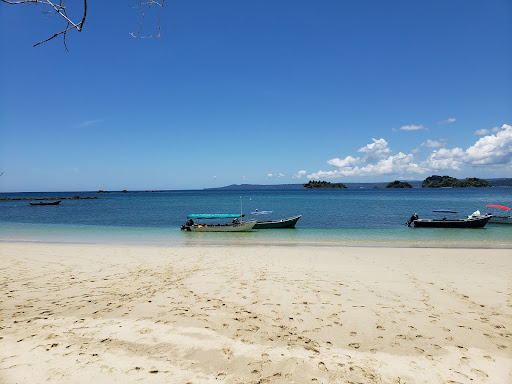
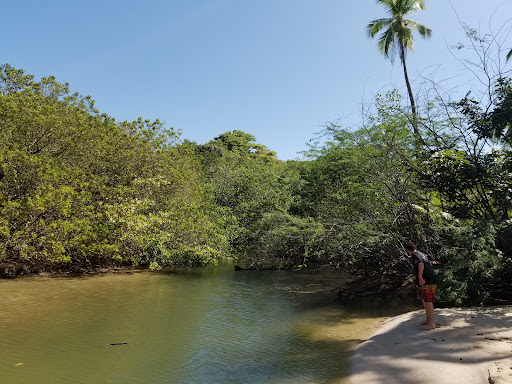
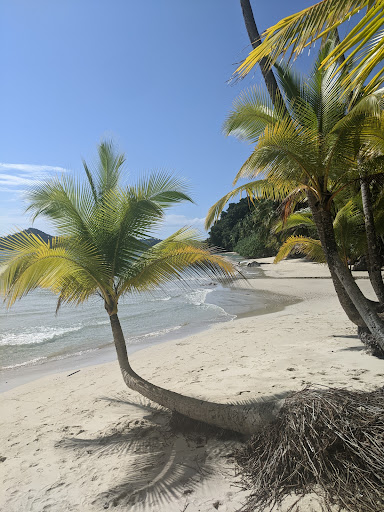
Coiba National Park is renowned for its exceptional biodiversity and pristine ecosystems, making it a haven for wildlife and a popular destination for nature enthusiasts. Its isolation, stemming from its history as a penal colony, has helped preserve its natural state, resulting in healthy coral reefs, abundant marine life, and unique terrestrial species.
Here's a more detailed look at why Coiba National Park is considered so special:
Exceptional Marine Biodiversity:
Rich Fish Life:
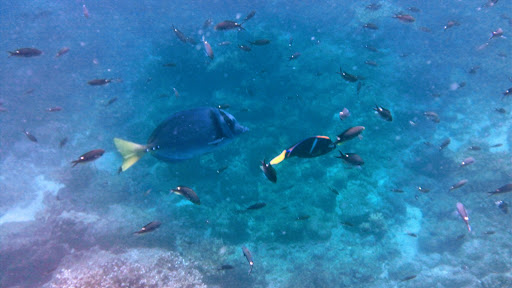
The park boasts a vast array of marine life, including 760 species of fish, 33 species of sharks, and 20 species of cetaceans (whales and dolphins).
Coral Reefs:
The coral reefs are remarkably healthy and serve as a refuge and source of replenishment for other islands during events like El Niño.
Large Pelagic Species:
The waters are known for attracting large pelagic species like whale sharks, manta rays, and humpback whales, especially during specific seasons.
Migration Corridor:
The park is an important seasonal habitat for migratory species within the Tropical Eastern Pacific Marine Corridor.
Unique Terrestrial Ecosystems:
Endemic Species:
Coiba Island is home to numerous endemic species of mammals, birds, and plants.
Last Refuge:
It serves as the last refuge for several threatened species that have disappeared from other parts of Panama, such as the crested eagle and the scarlet macaw.
Tropical Moist Forest:
Coiba Island is one of the last remaining relics of tropical moist forest in Pacific Central America.
Unlogged Forests:
A significant portion of the island's forests has never been logged, contributing to its pristine condition.
Conservation Importance:
Ecological Link:
The park acts as a crucial ecological link to the Tropical Eastern Pacific, making it a valuable area for scientific research.
Whole Ecosystem Protection:
Its large size allows for the protection of a complete and healthy ecosystem, unlike many smaller protected areas.
High Level of Protection:
It's a World Heritage Site and a Special Zone of Marine Protection, highlighting its significance for global conservation.
Pristine and Remote:
Little Human Impact: Coiba Island has experienced relatively little human impact for centuries, further contributing to its exceptional state of preservation.
Protected Marine Area: The marine life within the park is protected from industrial fishing.
Remote Location: Its remote location and lack of accessibility for many years have helped maintain its...
Read more
 Learn more insights from Wanderboat AI.