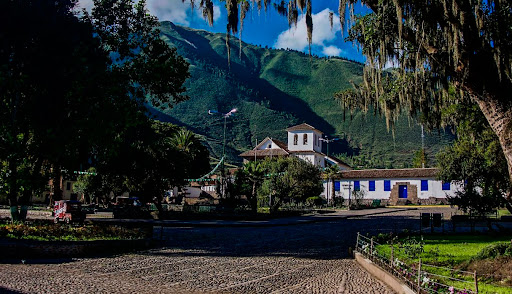
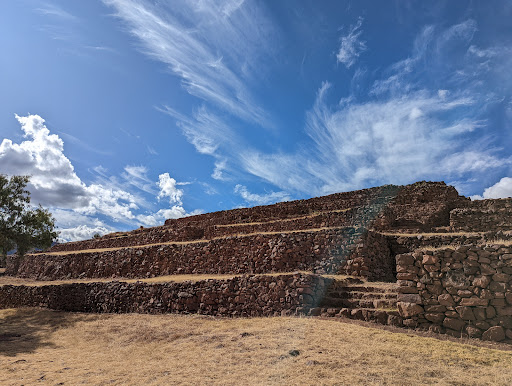
Pikillacta things to do, attractions, restaurants, events info and trip planning
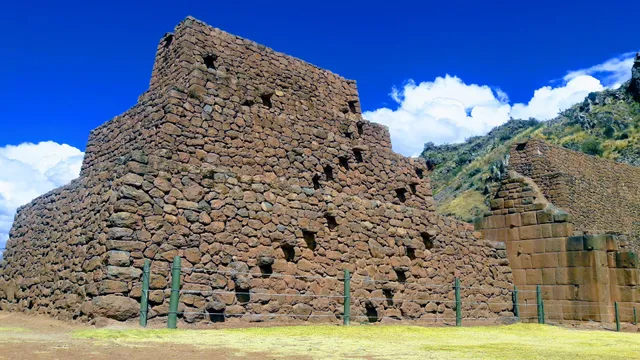
Basic Info
Pikillacta
20 km al Oriente de Cusco, Peru
4.6(1.1K)
Closed


tickets
Save
spot
spot
Ratings & Description
Info
Cultural
Outdoor
Scenic
Off the beaten path
attractions: , restaurants: , local businesses: Pikillacta, Humedal Lucre-Huacarpay
 Learn more insights from Wanderboat AI.
Website
cosituc.gob.pe
Open hoursSee all hours
Fri8:30 AM - 4:30 PMClosed
Plan your stay

Pet-friendly Hotels in Andahuaylillas
Find a cozy hotel nearby and make it a full experience.

Affordable Hotels in Andahuaylillas
Find a cozy hotel nearby and make it a full experience.

The Coolest Hotels You Haven't Heard Of (Yet)
Find a cozy hotel nearby and make it a full experience.

Trending Stays Worth the Hype in Andahuaylillas
Find a cozy hotel nearby and make it a full experience.
Reviews
Live events

Horseback riding through four hidden temples
Tue, Feb 17 • 8:30 AM
Cusco, 08003, Cusco, Peru
View details
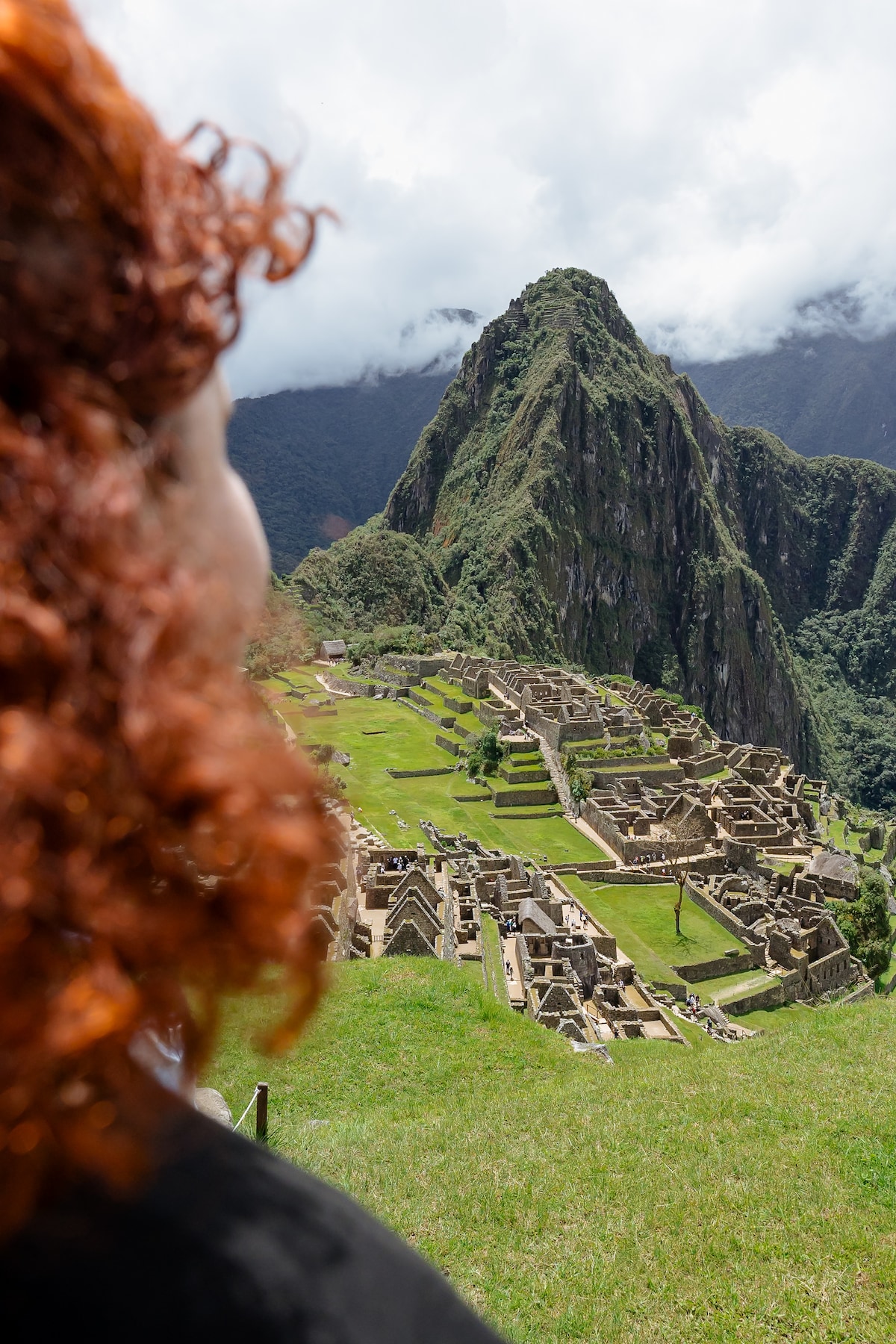
Machu Picchu Tour from Cusco
Fri, Feb 13 • 4:00 AM
Cusco, 08006, Cuzco, Peru
View details
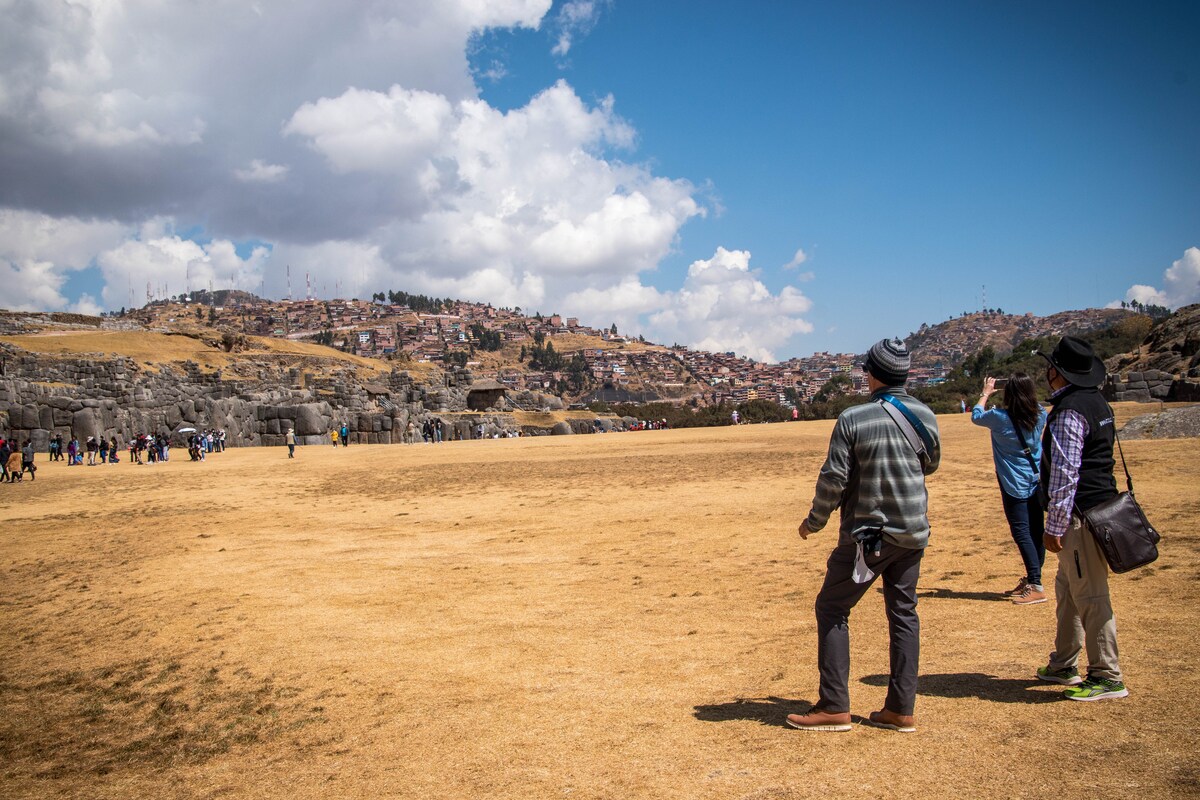
Cusco and Surroundings City Tour
Fri, Feb 13 • 12:30 PM
Cusco, 08000, Cuzco, Peru
View details
Nearby local services of Pikillacta
Pikillacta
Humedal Lucre-Huacarpay
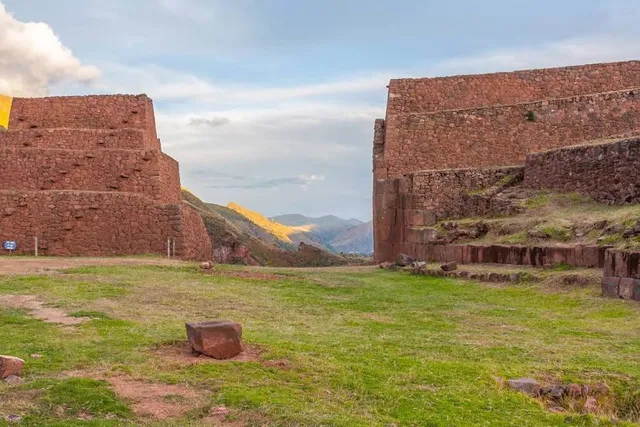
Pikillacta
4.6
(935)
Click for details
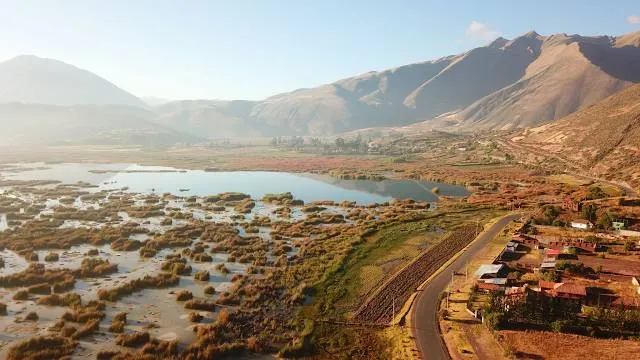
Humedal Lucre-Huacarpay
4.5
(20)
Click for details