HTML SitemapExplore
logo
Find Things to DoFind The Best Restaurants

Complejo Arqueológico "Saywite" — Attraction in Curahuasi

Name
Complejo Arqueológico "Saywite"
Description
Nearby attractions
Nearby restaurants
Nearby hotels
Related posts
Keywords
Complejo Arqueológico "Saywite" tourism.Complejo Arqueológico "Saywite" hotels.Complejo Arqueológico "Saywite" bed and breakfast. flights to Complejo Arqueológico "Saywite".Complejo Arqueológico "Saywite" attractions.Complejo Arqueológico "Saywite" restaurants.Complejo Arqueológico "Saywite" travel.Complejo Arqueológico "Saywite" travel guide.Complejo Arqueológico "Saywite" travel blog.Complejo Arqueológico "Saywite" pictures.Complejo Arqueológico "Saywite" photos.Complejo Arqueológico "Saywite" travel tips.Complejo Arqueológico "Saywite" maps.Complejo Arqueológico "Saywite" things to do.
Complejo Arqueológico "Saywite" things to do, attractions, restaurants, events info and trip planning
Complejo Arqueológico "Saywite"
PeruApurímacCurahuasiComplejo Arqueológico "Saywite"

Basic Info

Complejo Arqueológico "Saywite"

3S 711, 03100, Peru
4.5(212)
Open 24 hours
Save
spot

Ratings & Description

Info

Cultural
Outdoor
Scenic
Off the beaten path
attractions: , restaurants:
logoLearn more insights from Wanderboat AI.

Plan your stay

hotel
Pet-friendly Hotels in Curahuasi
Find a cozy hotel nearby and make it a full experience.
hotel
Affordable Hotels in Curahuasi
Find a cozy hotel nearby and make it a full experience.
hotel
The Coolest Hotels You Haven't Heard Of (Yet)
Find a cozy hotel nearby and make it a full experience.
hotel
Trending Stays Worth the Hype in Curahuasi
Find a cozy hotel nearby and make it a full experience.

Reviews

Get the Appoverlay
Get the AppOne tap to find yournext favorite spots!
Wanderboat LogoWanderboat

Your everyday Al companion for getaway ideas

CompanyAbout Us
InformationAI Trip PlannerSitemap
SocialXInstagramTiktokLinkedin
LegalTerms of ServicePrivacy Policy

Get the app

© 2025 Wanderboat. All rights reserved.
logo

Reviews of Complejo Arqueológico "Saywite"

4.5
(212)
avatar
5.0
5y

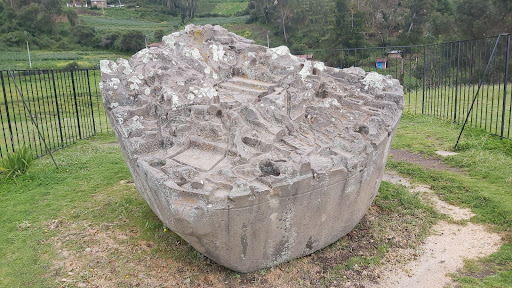
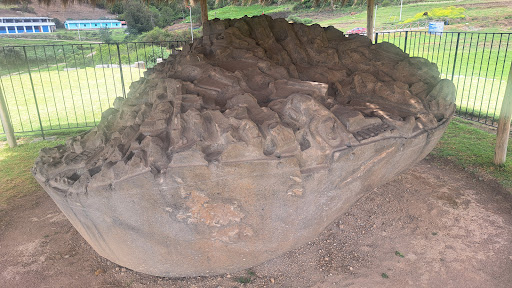
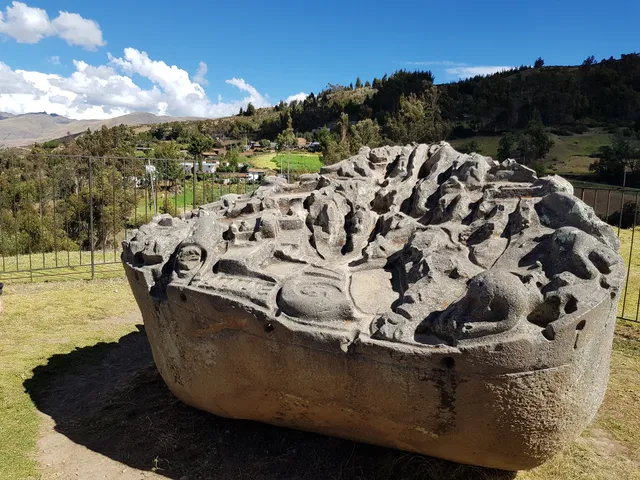
Sayhuite (Sigh-weetey) is an archaeological site 47 kilometres (29 mi) east of the city Abancay, about 3 hours away from the city of Cusco, in the province Abancay in the region Apurímac in Peru. The site is regarded as a center of religious worship for Inca people, focusing on water.In the Monuments of the Inca by John Hemming, Hemming points to a colonial narrative that describes the interior of the Sayhuite temple. The temple featured larger columns draped in fabrics with gold bands the "thickness of one's hand." The temple was also under the care of the priestess Asarpay, who jumped to her death in the nearby 400 meter gorge to avoid capture by Spanish forces. An important feature on the site is the Sayhuite monolith, an enormous rock containing more than 200 geometric and zoomorphic figures, including reptiles, frogs, and felines. Found at the top of a hill named Concacha, the stone was sculpted as a topographical hydraulic model, complete with terraces, ponds, rivers, tunnels, and irrigation channels. The functions or purposes of the stone are not known, but researcher Dr. Arlan Andrews, Sr. believes the monolith was used as a scale model to design, develop, test, and document the water flow for public water projects, and to teach ancient engineers and technicians the concepts and practices required. The rock was "edited" several times, with new material, either altering the paths of the water or adding routes altogether. About two meters long, and four meters wide, the monolith is the most popular attraction on the archaeological site.

Significance of the Monolith

While the creators remain a mystery, the monolith provides archaeologists with insight into the culture of the pre-Columbian population. Archaeologists have determined that the site was an Incan religious center, where rituals and ceremonies for the worship of water was conducted. The monolith is an important clue to this, since it depicts a water-like flow between the carvings. Modern-day engineers also speculate that the monolith is a depiction of the irrigation systems present within the Incan culture.While the precise meaning of this stone remains unsolved, the monolith is part of the material culture of the Incan people, and as such helps archaeologists piece together how and why they lived this way. Understanding the Incan culture from an archaeological perspective helps archaeologists apply this knowledge to similar civilizations and find links between ancient cultures.

Tourism

Because of its size and intricate carvings, the monolith is a popular site for tourists. A possible explanation of the intricate carvings is that the stone depicts a religious ritual, possibly associated with water, that the ancient Incas performed. Encouraging tourists to examine this monolith is important, since it raises the awareness about the archaeological record and the importance preservating material culture.

Importance of Preservation

Preserving the site of Sayhuite and the monolith is crucial, because archaeology is a destructive process.In addition, looting is a common problem at archaeological sites and can hinder the analysis performed by archaeologists of past peoples and culture. Preserving the archaeological site of Sayhuite includes leaving parts of the site unexcavated and protecting the monolith from vandalism and erosion. To protect the archaeological site from vandalism and looting, education of the general public is crucial. This creates ways for the public to get involved in a significant part of history and raises awareness for the importance of preservation in the field of archaeology. Preserving the site allows for a chance for new technological advances, which would aid in archaeologists’ study of the site and could possibly help them understand the meaning of the monolith to a greater extent and with...

   Read more

avatar
5.0
8y

Sayhuite es un yacimiento arqueólogico inca situado a unos 47 kilómetros al este de Abancay en Perú. Según los historiadores el lugar era un santuario relacionado con el culto al agua, con un templo que las leyendas describen como cubierto por láminas de oro del grosor de una mano. Se han hallado múltiples restos en el lugar, pero el más extraño de todos es la Piedra de Sayhuite. Cuando los españoles llegaron a Sayhuite, según cuenta John Hemming en su libro Monuments of the Incas, el templo estaba regido por la sacerdotisa Asarpay, quien, antes de ser capturada, se arrojó desde lo alto de una cascada cercana de 400 metros de alto. Los restos del templo no muestran ni rastro de ese oro, evidentemente, pero por todo el lugar hay dispersos grandes bloques de piedra andesita tallados con escalinatas, como si hubieran formado parte de una construcción mayor. El más extraño de todos estos bloques es la Piedra de Sayhuite, un enorme monolito en el que hay relieves geométricos y zoomorfos, como reptiles, ranas y felinos. Se encontró en lo alto de la colina Concacha, y los expertos creen que puede ser una especie de modelo topográfico hidraúlico. En la piedra se pueden apreciar claramente terrazas, estanques, ríos, túneles y canales de irrigación. Para que servía no está muy claro. Arlan Andrews opina que se trata de un modelo a escala para hacer pruebas y estudiar las propiedades del agua (recordemos que el lugar era un santuario dedicado al líquido elemento), de cara a realizar proyectos de abastecimiento, o para instruir a los ingenieros y técnicos. Se ha comprobado que la piedra se remodeló varias veces, añadiendo y quitando elementos, y cambiando los cursos de agua. El relieve tiene unas dimensiones de dos por cuatro metros, y hoy en día es el principal atractivo turístico de la zona. Quien la creo es todavía un misterio. A pesar de que se sabe a ciencia cierta que el lugar era un santuario inca, los arqueólogos no están seguros de que éstos fueran sus constructores. Se ha especulado que podría ser también una representación del sistema de irrigación utilizado por los incas, e incluso un modelo a escala de todo su imperio con cada una de las regiones representadas. Las selvas estarían indicadas por la presencia de animales como monos, iguanas o jaguares, mientras que las costas se indican con animales como...

   Read more
avatar
4.0
5y

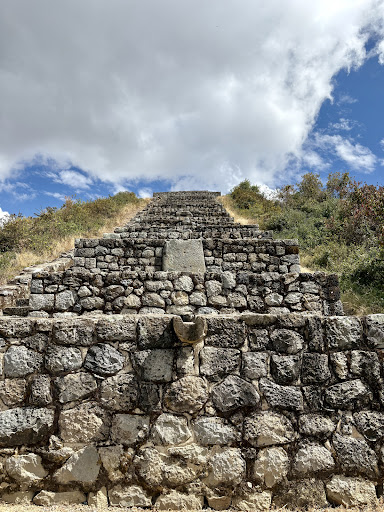
At first, I thought it was smaller than it really is, but I'm glad I was mistaken. At the entrance, you gotta pay for it (S/10 for adults, S/5 for students and senior) and you can start with the Male and information: I recommend to take a picture of it if you are going without a guide, so you don't miss anything. There are 6 places to visit, a long walk (it took us almost and hour between going and coming back, taking pictures and considering we were a group with senior people), tiring, but a great experience and it kinda felt like an adventure when we had to find the road again after losing it. It would have been perfect with a little bit of signals to know the correct way, maybe a little more information and a...

   Read more
Page 1 of 7
Previous
Next

Posts

Irma Lisette Oré FuentesIrma Lisette Oré Fuentes
At first, I thought it was smaller than it really is, but I'm glad I was mistaken. At the entrance, you gotta pay for it (S/10 for adults, S/5 for students and senior) and you can start with the Male and information: I recommend to take a picture of it if you are going without a guide, so you don't miss anything. There are 6 places to visit, a long walk (it took us almost and hour between going and coming back, taking pictures and considering we were a group with senior people), tiring, but a great experience and it kinda felt like an adventure when we had to find the road again after losing it. It would have been perfect with a little bit of signals to know the correct way, maybe a little more information and a souvenirs shop.
Vittorino RodriguezVittorino Rodriguez
Día 12 de Viaje. SAYWITE - ABANCAY - PERÚ Estando en Abancay me dirige a pie al la Av. Prolongación Nuñez Alto, empieza a una cuadra del Mercado central. (ver mapa) En ese lugar salen los colectivos (13 soles) hacia la piedra Saywite (50 minutos) la entrada al centro arqueológico es de 10 soles, comprende el acompañamiento de una guía, de excelente trabajo. Impresionantes los cortes en la piedra. El conjunto arqueológico de Saywite, se localiza en el distrito de Curahuasi, provincia de Abancay, del departamento de Apurímac. Para la cultura de los Incas, Saywite pudo haber sido un centro ceremonial donde se rendía culto al agua, pero también debe haber sido un centro de “capacitación” donde los hidráulicos incas aprendían las diferentes opciones de ingeniería en condiciones de costa y sierra. Fotos con mi celular.
Adrian HedigerAdrian Hediger
An amazing and underrated spot. The highlight is the giant carved stone with animals, terraces, water channels — like a 3D map of the Andean world. Super interesting! There are also ruins, farming terraces, and beautiful mountain views. A must for history and nature lovers.
See more posts
See more posts
hotel
Find your stay

Pet-friendly Hotels in Curahuasi

Find a cozy hotel nearby and make it a full experience.

At first, I thought it was smaller than it really is, but I'm glad I was mistaken. At the entrance, you gotta pay for it (S/10 for adults, S/5 for students and senior) and you can start with the Male and information: I recommend to take a picture of it if you are going without a guide, so you don't miss anything. There are 6 places to visit, a long walk (it took us almost and hour between going and coming back, taking pictures and considering we were a group with senior people), tiring, but a great experience and it kinda felt like an adventure when we had to find the road again after losing it. It would have been perfect with a little bit of signals to know the correct way, maybe a little more information and a souvenirs shop.
Irma Lisette Oré Fuentes

Irma Lisette Oré Fuentes

hotel
Find your stay

Affordable Hotels in Curahuasi

Find a cozy hotel nearby and make it a full experience.

Get the Appoverlay
Get the AppOne tap to find yournext favorite spots!
Día 12 de Viaje. SAYWITE - ABANCAY - PERÚ Estando en Abancay me dirige a pie al la Av. Prolongación Nuñez Alto, empieza a una cuadra del Mercado central. (ver mapa) En ese lugar salen los colectivos (13 soles) hacia la piedra Saywite (50 minutos) la entrada al centro arqueológico es de 10 soles, comprende el acompañamiento de una guía, de excelente trabajo. Impresionantes los cortes en la piedra. El conjunto arqueológico de Saywite, se localiza en el distrito de Curahuasi, provincia de Abancay, del departamento de Apurímac. Para la cultura de los Incas, Saywite pudo haber sido un centro ceremonial donde se rendía culto al agua, pero también debe haber sido un centro de “capacitación” donde los hidráulicos incas aprendían las diferentes opciones de ingeniería en condiciones de costa y sierra. Fotos con mi celular.
Vittorino Rodriguez

Vittorino Rodriguez

hotel
Find your stay

The Coolest Hotels You Haven't Heard Of (Yet)

Find a cozy hotel nearby and make it a full experience.

hotel
Find your stay

Trending Stays Worth the Hype in Curahuasi

Find a cozy hotel nearby and make it a full experience.

An amazing and underrated spot. The highlight is the giant carved stone with animals, terraces, water channels — like a 3D map of the Andean world. Super interesting! There are also ruins, farming terraces, and beautiful mountain views. A must for history and nature lovers.
Adrian Hediger

Adrian Hediger

See more posts
See more posts