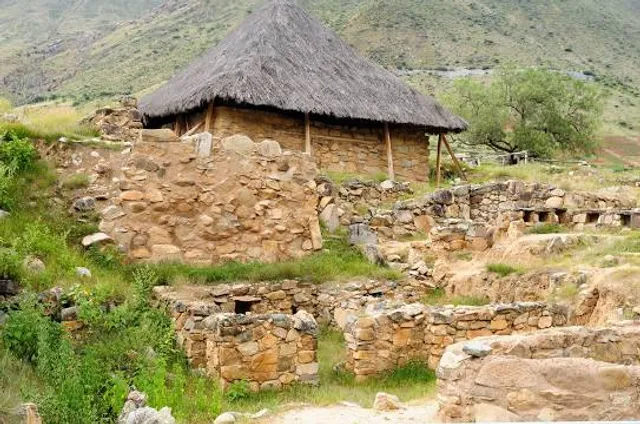
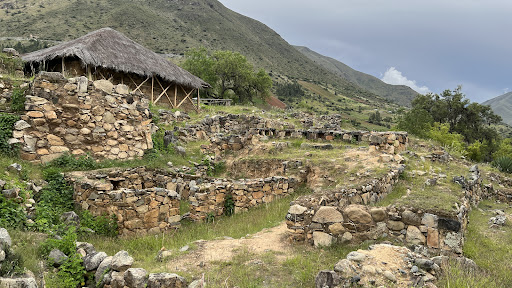
Kotosh is a very important archaeological site with ritual architecture starting well before Chavín and continuing for 2000 years, well excavated and published by a Japanese project in the 1960s, but now converted into a landscaped recreational area and tourist attraction. The mud plaster detailing of the structures exposed by the Japanese project has long since washed away, leaving only the fieldstone of the walls, which have now been heavily reconstructed with no indication of what is original and what has been rebuilt, with added walls that do not appear in the published excavation photos. The old, relatively correct informative signs have faded into near illegibility, and the local municipal guides charge to repeat a tedious load of claptrap about the supposed philosophy and symbolism of the builders of the site millennia ago, involving obviously European- and judeo-christian derived, sexist ideas about the roles of men and women in "Andean marriage," the symbolism of the cardinal directions and "elements" such as fire and earth, and so on, apparently based on a book that is mostly illustrations lifted from the excellent archaeological publication by Izumi plus totally unsupported speculations about the ideology of people whose thoughts and even language are unknown to us. While what remains of the site may be worth visiting if you are interested in Andean archaeology, Kotosh today is a sad example of misguided abuse of an archaeological site in the...
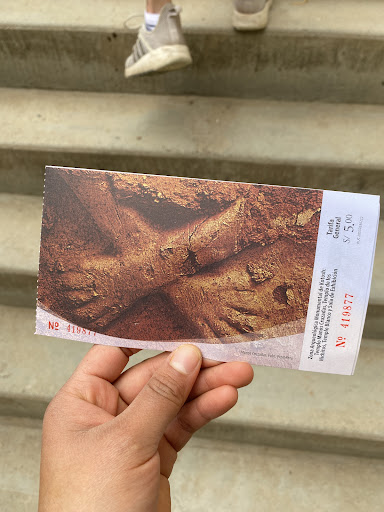
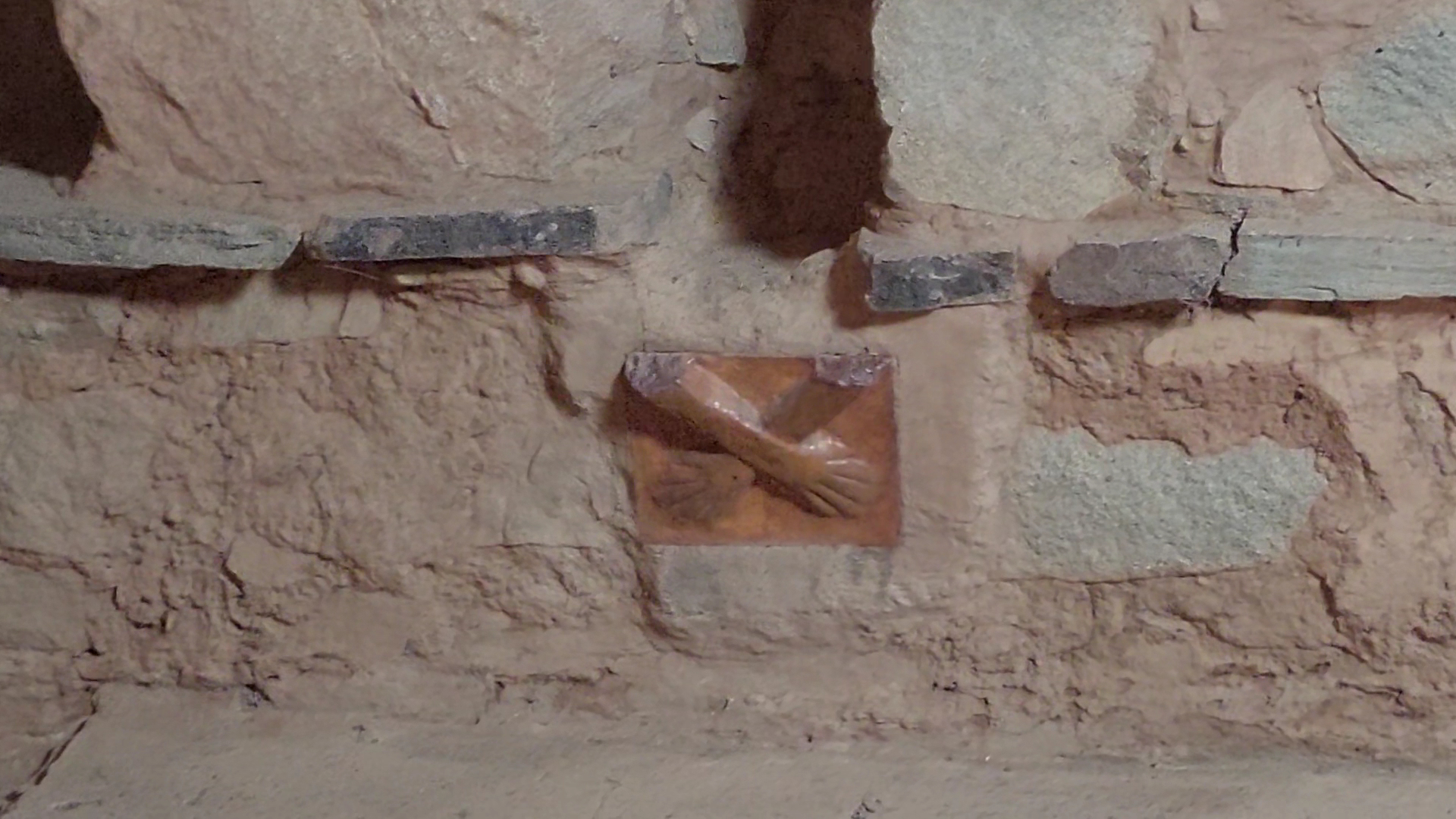
Read moreEl Templo de las Manos Cruzadas es el más célebre de los recintos ceremoniales hallados en Kotosh. La energía que se siente al llegar a este recinto es ancestral, el silencio y la vista del lugar invaden al visitante de una manera que no hay palabras para expresar lo que sucede dentro. Aunque es muy sencillo vale la pena visitarlo porque esconde más que una estructura física. En cuanto a su arquitectura tiene forma rectangular y mide 9.5 m de largo por 9.3 m de ancho. Antiguamente se ingresaba por el sur, por una portada de 2.15 metros de alto. Sus muros, de 2.4 a 2.8 m, fueron enlucidos con una fina capa de barro color blanco-crema y engalanados con nichos y hornacinas grandes de forma trapezoidal. Debajo de dos de estos nichos se descubrieron las famosas manos cruzadas modeladas en terracota, que los arqueólogos tuvieron sumo cuidado de no dañarlo. El significado de esta representación es un misterio. Los investigadores japoneses dijeron que podía significar amistad, acercamiento, bondad. Otros estudiosos opinan que las manos fueron el elemento fundamental en el templo, pieza básica de un rito de la que sería la primera gran religión americana. Es más bien probable que el relieve pudo ser parte de una efigie mayor, que ya no se conserva. Como todos los templos de su tradición, el piso está dividido en dos niveles con un fogón central en el nivel inferior y un conducto de ventilación subterráneo, por donde salían los humos, hacia...
Read moreIt’s a very beautiful place. The archeological site is not big, but nice and interesting. What impressed me most were the breathtaking views of the surrounding mountains. Don’t forget to stop by the souvenir shop at the gates, they have some nice collection of stuff you might wanna take hope to remind you of this...
Read more