HTML SitemapExplore
Find Things to DoFind The Best Restaurants

Reserva Nacional Tambopata — Attraction in Tambopata

Name
Reserva Nacional Tambopata
Description
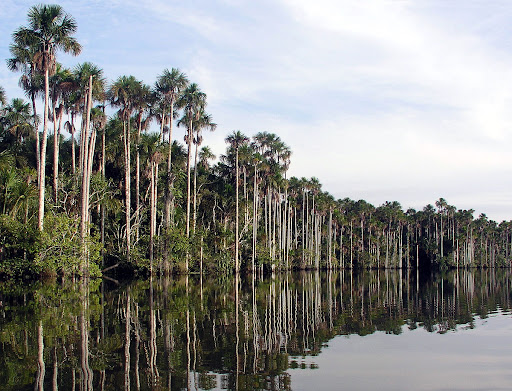
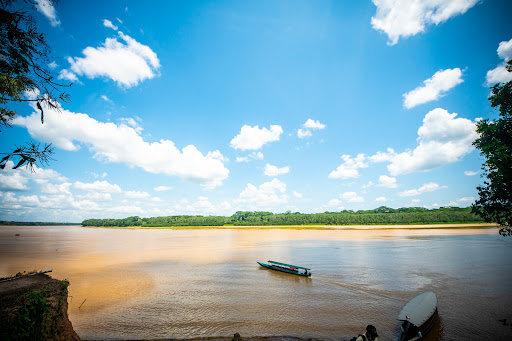
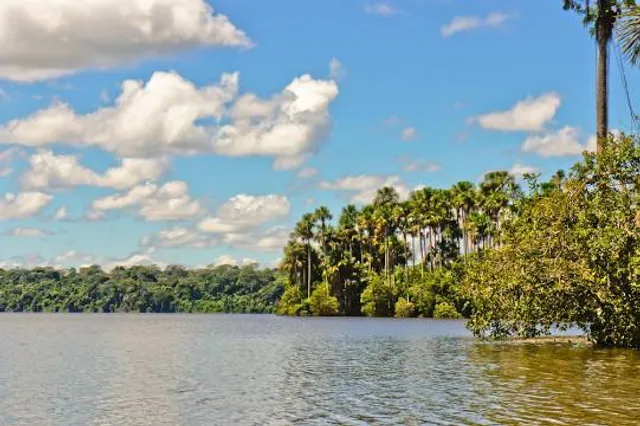
Tambopata National Reserve, in the Amazon Basin of southeast Peru, spans vast areas of biodiverse savannahs and rainforest. Rich in wildlife, it’s home to many colorful parrots and macaws that feed at clay licks such as the huge Colpa de Colorado. In the east, Sandoval Lake is surrounded by tall palm trees and wetlands, home to river otters and black caimans. An observation tower offers views over the lake.
Nearby attractions
Nearby restaurants
Nearby hotels
Related posts
Keywords
Reserva Nacional Tambopata tourism.Reserva Nacional Tambopata hotels.Reserva Nacional Tambopata bed and breakfast. flights to Reserva Nacional Tambopata.Reserva Nacional Tambopata attractions.Reserva Nacional Tambopata restaurants.Reserva Nacional Tambopata travel.Reserva Nacional Tambopata travel guide.Reserva Nacional Tambopata travel blog.Reserva Nacional Tambopata pictures.Reserva Nacional Tambopata photos.Reserva Nacional Tambopata travel tips.Reserva Nacional Tambopata maps.Reserva Nacional Tambopata things to do.
Reserva Nacional Tambopata things to do, attractions, restaurants, events info and trip planning
Reserva Nacional Tambopata
PeruMadre de DiosTambopataReserva Nacional Tambopata

Basic Info

Reserva Nacional Tambopata

26 De Diciembre 270, Puerto Maldonado, Peru
4.7(344)
Open 24 hours
Save
spot

Ratings & Description

Info

Tambopata National Reserve, in the Amazon Basin of southeast Peru, spans vast areas of biodiverse savannahs and rainforest. Rich in wildlife, it’s home to many colorful parrots and macaws that feed at clay licks such as the huge Colpa de Colorado. In the east, Sandoval Lake is surrounded by tall palm trees and wetlands, home to river otters and black caimans. An observation tower offers views over the lake.

Outdoor
Adventure
Scenic
Off the beaten path
attractions: , restaurants:
logoLearn more insights from Wanderboat AI.
Phone
+51 995 426 174
Website
sernanp.gob.pe

Plan your stay

hotel
Pet-friendly Hotels in Tambopata
Find a cozy hotel nearby and make it a full experience.
hotel
Affordable Hotels in Tambopata
Find a cozy hotel nearby and make it a full experience.
hotel
The Coolest Hotels You Haven't Heard Of (Yet)
Find a cozy hotel nearby and make it a full experience.
hotel
Trending Stays Worth the Hype in Tambopata
Find a cozy hotel nearby and make it a full experience.

Reviews

Get the Appoverlay
Get the AppOne tap to find yournext favorite spots!
Wanderboat LogoWanderboat

Your everyday Al companion for getaway ideas

CompanyAbout Us
InformationAI Trip PlannerSitemap
SocialXInstagramTiktokLinkedin
LegalTerms of ServicePrivacy Policy

Get the app

© 2025 Wanderboat. All rights reserved.

Posts

Muhammad AliMuhammad Ali
The Tambopata National Reserve is one of the true remaining jewels of the Amazon Rainforest. It’s a must-visit destination for Peru travelers and nature lovers from around the globe. Here, we give you some background on the Reserve’s history, ecology, and diversity. The Tambopata National Reserve is 274,690 hectares (1,061 square miles) of preserved land in Southeastern Peru. The Reserve has many diverse habitats, including lowland Amazon rainforest, riverine forest, and oxbow lakes. It’s crossed by three rivers: the Malinowski, the Tambopata, and the Madre de Dios rivers. Because of the Reserve’s protected status and secluded location, it’s incredibly biodiverse. The reserve plays host to over 1,000 species of butterflies, 100 species of mammals, around 600 species of birds, and hundreds of species of trees and plants. In fact, this reserve and surrounding region are one of the most biodiverse places on the planet! The Reserve and the surrounding area also have their own cultural background. Originally home to the Ese Eja People, many indigenous families still make their homes in the buffer zone of the Reserve itself. Within the boundaries of the reserve, the only human settlements are a few ranger stations, and our Tambopata Research Center lodge, known as the TRC. The TRC is in the Reserve because the lodge was established before the area received National Reserve status in 1996. This actually makes the TRC the most remote lodge in South America! How Was the Tambopata National Reserve Created? Starting in 1990, several biologists and conservationists began lobbying to protect the Tambopata area from development. They were passionate about preserving this area because it was (and is) one of the last remaining and largest areas of pristine rainforest. Specifically, Tambopata is one of the very few areas containing lowland and foothill rainforests and connects to cloud forests at higher elevations and wet savannahs! Even more, very few people were living in Tambopata’s most remote areas. Conservationists realized that the region could act as a major corridor between Manu National Park and Bolivia’s jungles. The area also harbored healthy populations of Tapirs, Jaguars and other felines, Giant Otters, Harpy Eagles, many types of Macaws, and other animals that had disappeared from other parts of Amazonia. At first, the area that includes the present-day Tambopata National Reserve and the nearby Bahuaja Sonene National Park was known as the “Tambopata-Candamo Reserved Zone,” as an earlier form of protection. While “reserved zone” status did afford the area some protection, it left the window open for changes in land use, so the area was still at risk. Conservation organizations carried out further studies to help give the area a more permanent protected status, which showed that protecting the region was crucially important for biodiversity and could work with local cultures. Those studies helped build a strong case to change Tambopata’s status from a “reserved zone” to a “national reserve,” a more official, permanent protection. The Tambopata National Reserve was born!
oscar akamineoscar akamine
Unique experience. Although the place is amazingly big and very well preserved, experienced guide is required to have the 100% view of the place. I recommend to make an effort and take the 5am tour, if you are lucky you would find alligators even other species. *A must* bring lot of water with you and a bag to keep the rubbish with you. You can also have another tour called "La Isla de los Monos" where you can find monkeys, but you need to be quiet in order to get a closer view of this species.
Travis DavidsTravis Davids
Welcome to Tambopata and congratulations, you made it to the Amazon jungle. Prepare to be wowed by a massive flowing river and dense jungle teeming with life. You'll definitely spot caimans and capybaras as well as so many incredible different types of birds. Keep an ear out for the howler monkeys. If you're lucky you might spot a jaguar or the infamous anaconda. You can also spot Macaws, they feed on clay. It's a unique location and a must do in my opinion if you're in Peru.
See more posts
See more posts
hotel
Find your stay

Pet-friendly Hotels in Tambopata

Find a cozy hotel nearby and make it a full experience.

The Tambopata National Reserve is one of the true remaining jewels of the Amazon Rainforest. It’s a must-visit destination for Peru travelers and nature lovers from around the globe. Here, we give you some background on the Reserve’s history, ecology, and diversity. The Tambopata National Reserve is 274,690 hectares (1,061 square miles) of preserved land in Southeastern Peru. The Reserve has many diverse habitats, including lowland Amazon rainforest, riverine forest, and oxbow lakes. It’s crossed by three rivers: the Malinowski, the Tambopata, and the Madre de Dios rivers. Because of the Reserve’s protected status and secluded location, it’s incredibly biodiverse. The reserve plays host to over 1,000 species of butterflies, 100 species of mammals, around 600 species of birds, and hundreds of species of trees and plants. In fact, this reserve and surrounding region are one of the most biodiverse places on the planet! The Reserve and the surrounding area also have their own cultural background. Originally home to the Ese Eja People, many indigenous families still make their homes in the buffer zone of the Reserve itself. Within the boundaries of the reserve, the only human settlements are a few ranger stations, and our Tambopata Research Center lodge, known as the TRC. The TRC is in the Reserve because the lodge was established before the area received National Reserve status in 1996. This actually makes the TRC the most remote lodge in South America! How Was the Tambopata National Reserve Created? Starting in 1990, several biologists and conservationists began lobbying to protect the Tambopata area from development. They were passionate about preserving this area because it was (and is) one of the last remaining and largest areas of pristine rainforest. Specifically, Tambopata is one of the very few areas containing lowland and foothill rainforests and connects to cloud forests at higher elevations and wet savannahs! Even more, very few people were living in Tambopata’s most remote areas. Conservationists realized that the region could act as a major corridor between Manu National Park and Bolivia’s jungles. The area also harbored healthy populations of Tapirs, Jaguars and other felines, Giant Otters, Harpy Eagles, many types of Macaws, and other animals that had disappeared from other parts of Amazonia. At first, the area that includes the present-day Tambopata National Reserve and the nearby Bahuaja Sonene National Park was known as the “Tambopata-Candamo Reserved Zone,” as an earlier form of protection. While “reserved zone” status did afford the area some protection, it left the window open for changes in land use, so the area was still at risk. Conservation organizations carried out further studies to help give the area a more permanent protected status, which showed that protecting the region was crucially important for biodiversity and could work with local cultures. Those studies helped build a strong case to change Tambopata’s status from a “reserved zone” to a “national reserve,” a more official, permanent protection. The Tambopata National Reserve was born!
Muhammad Ali

Muhammad Ali

hotel
Find your stay

Affordable Hotels in Tambopata

Find a cozy hotel nearby and make it a full experience.

Get the Appoverlay
Get the AppOne tap to find yournext favorite spots!
Unique experience. Although the place is amazingly big and very well preserved, experienced guide is required to have the 100% view of the place. I recommend to make an effort and take the 5am tour, if you are lucky you would find alligators even other species. *A must* bring lot of water with you and a bag to keep the rubbish with you. You can also have another tour called "La Isla de los Monos" where you can find monkeys, but you need to be quiet in order to get a closer view of this species.
oscar akamine

oscar akamine

hotel
Find your stay

The Coolest Hotels You Haven't Heard Of (Yet)

Find a cozy hotel nearby and make it a full experience.

hotel
Find your stay

Trending Stays Worth the Hype in Tambopata

Find a cozy hotel nearby and make it a full experience.

Welcome to Tambopata and congratulations, you made it to the Amazon jungle. Prepare to be wowed by a massive flowing river and dense jungle teeming with life. You'll definitely spot caimans and capybaras as well as so many incredible different types of birds. Keep an ear out for the howler monkeys. If you're lucky you might spot a jaguar or the infamous anaconda. You can also spot Macaws, they feed on clay. It's a unique location and a must do in my opinion if you're in Peru.
Travis Davids

Travis Davids

See more posts
See more posts

Reviews of Reserva Nacional Tambopata

4.7
(344)
avatar
5.0
2y

The Tambopata National Reserve is one of the true remaining jewels of the Amazon Rainforest. It’s a must-visit destination for Peru travelers and nature lovers from around the globe. Here, we give you some background on the Reserve’s history, ecology, and diversity. The Tambopata National Reserve is 274,690 hectares (1,061 square miles) of preserved land in Southeastern Peru. The Reserve has many diverse habitats, including lowland Amazon rainforest, riverine forest, and oxbow lakes. It’s crossed by three rivers: the Malinowski, the Tambopata, and the Madre de Dios rivers. Because of the Reserve’s protected status and secluded location, it’s incredibly biodiverse. The reserve plays host to over 1,000 species of butterflies, 100 species of mammals, around 600 species of birds, and hundreds of species of trees and plants. In fact, this reserve and surrounding region are one of the most biodiverse places on the planet! The Reserve and the surrounding area also have their own cultural background. Originally home to the Ese Eja People, many indigenous families still make their homes in the buffer zone of the Reserve itself. Within the boundaries of the reserve, the only human settlements are a few ranger stations, and our Tambopata Research Center lodge, known as the TRC. The TRC is in the Reserve because the lodge was established before the area received National Reserve status in 1996. This actually makes the TRC the most remote lodge in South America!

How Was the Tambopata National Reserve Created? Starting in 1990, several biologists and conservationists began lobbying to protect the Tambopata area from development. They were passionate about preserving this area because it was (and is) one of the last remaining and largest areas of pristine rainforest. Specifically, Tambopata is one of the very few areas containing lowland and foothill rainforests and connects to cloud forests at higher elevations and wet savannahs! Even more, very few people were living in Tambopata’s most remote areas. Conservationists realized that the region could act as a major corridor between Manu National Park and Bolivia’s jungles. The area also harbored healthy populations of Tapirs, Jaguars and other felines, Giant Otters, Harpy Eagles, many types of Macaws, and other animals that had disappeared from other parts of Amazonia.

At first, the area that includes the present-day Tambopata National Reserve and the nearby Bahuaja Sonene National Park was known as the “Tambopata-Candamo Reserved Zone,” as an earlier form of protection. While “reserved zone” status did afford the area some protection, it left the window open for changes in land use, so the area was still at risk. Conservation organizations carried out further studies to help give the area a more permanent protected status, which showed that protecting the region was crucially important for biodiversity and could work with local cultures. Those studies helped build a strong case to change Tambopata’s status from a “reserved zone” to a “national reserve,” a more official, permanent protection. The Tambopata National...

   Read more
avatar
5.0
5y

RESERVA NACIONAL TAMBOPATA La naturaleza aporta vida y belleza al planeta. Promoviendo el ecoturismo, se trabaja constantemente en la preservación del ambiente en Perú, sobre todo en la Reserva Nacional de Tambopata. Una reserva natural única en Perú En el departamento Madre de Dios, se extiende por más de 274.000 hectáreas de esta hermosa reserva natural. Su creación data del 4 de septiembre del año 2000, con la motivación de proteger el área natural de la localidad. Además, se buscaba preservar la vida de la fauna y flora que habita en el lugar. Sin mencionar que es aquí donde se establece la selva amazónica que pertenece al país. Se desea contribuir con el desarrollo sostenible de la zona y de Perú. De manera que se ofrece conocimiento sobre la diversidad biológica. Así también se maneja correctamente los recursos renovables que aportan sus tierras. Clima en la reserva natural El tipo de clima que posee el lugar es subtropical húmedo. En algunos meses del año llega a ser extremadamente húmedo, hasta alcanzar a los 10°C. Sin embargo, las temperaturas que más se manejan oscilan entre 26°C y 38°C. Estos límites se manejan debido a los fuertes vientos antárticos que entran por la cuenca amazónica en junio y julio. Las precipitaciones se estiman entre 1600 y 2400mm en el año. Los registros cambian según la época del año, pero las más altas se alcanzan entre los meses de diciembre a marzo. Mientras tanto, de junio a septiembre se logran bajas precipitaciones, ideal para el Tambopata Turismo. Hidrografía del lugar La variedad de ríos atrae a cientos de turistas al año, el Malinows es uno de los más populares. En él desembocan los ríos Malionwsquillo y Azul. Otro río popular es el Heath, pero el más importante es el que lleva el nombre de la reserva nacional. Este nace desde el altiplano peruano hasta el boliviano. Tiene una extensión de 400km, llegando a afluir en el Malinowski. Todo esto logra que atraviese por completo la reserva desde el este al oeste. De manera que se convierte en el principal acceso a todas las atracciones del lugar. Biodiversidad de la reserva No cabe duda de que esta es la principal razón por la que la reserva obtiene numerosas visitas cada día. Gracias a su rica hidrografía, tanto la flora como la fauna de la reserva son únicas en su especie. Hay diversidad de ecosistemas en la reserva, desde aguajales, pacales, pantanos hasta bosques ribereños. Esto permite que los pobladores puedan aprovechar al máximo los recursos naturales. Pero también se trata de un Tambopata Lodge, es decir, un albergue de más de 50 especies de aves migratorias. Además, resguarda varias especies que actualmente se consideran en peligro de extinción. De allí la importancia de preservar este hábitat. Se ha contabilizado un aproximado de 1700 especies pertenecientes a la flora endémica del lugar. Entre las más comunes se encuentran las plantas con flores (angiospermas) y los helechos (pteridofitos). También se aprecian especies con gran valor comercial como la caoba, el tornillo, el cedro y la siringa. En cuanto a las magníficas especies animales que viven en la reserva, se cuentan más de 630 especies de aves. También se puede disfrutar de un paisaje lleno de mariposas, anfibios, peces, mamíferos y reptiles. Los animales más conocidos de la reserva son el lobo de río, la nutria, el yaguarundí, el puma, el jaguar, el margay y el tigrillo u ocelote. Todos se encuentran bajo la protección del albergue natural. Solo aquí es posible ver especies primates como el maquisapa, el pichico, el coto mono y el machín blanco. ¿Cómo ir a la reserva más impresionante de Latinoamérica? El lugar más visitado de la reserva es el Lago Sandoval, considerado un espejo líquido. Cubre un espacio de 127 hectáreas donde se posan guacamayos, garzas y el martín pescador. Pero mucho cuidado con las juguetonas nutrias o los sigilosos caimanes que viven en este lugar. Para contratar un Tambopata Tours se puede reservar un viaje con todo incluido a través de la...

   Read more
avatar
4.0
39w

My partner and I did a two-night, three-day tour, and it was really good. First, they picked us up from the bus station at 6:30 AM, which was amazing.

We are both vegan, and the food was surprisingly good, although breakfast was less so—only chips, avocado, and a small banana cake slice. Dinners were good, considering we were in the jungle. A lovely beans/veggies/rice dish/soya protein/lentils/ etc, make sure to bring snacks, as I'm extremely glad we did.

The tour itself was great. We were lucky enough to see a few caimans, capybaras, a sloth, a few tortoises, and some monkeys.

The only downside was the room lacked a fan or ventilation, making it extremely hot and difficult to sleep. Also, there was an extra 50 soles fee to visit the park next to the lodge, which, in my opinion, wasn't worth it and should have been included. I wish I had opted out of that.

But for the price of the tour (160 USD, not including the park fee), it was great.

We would recommend it to fellow...

   Read more
Page 1 of 7
Previous
Next