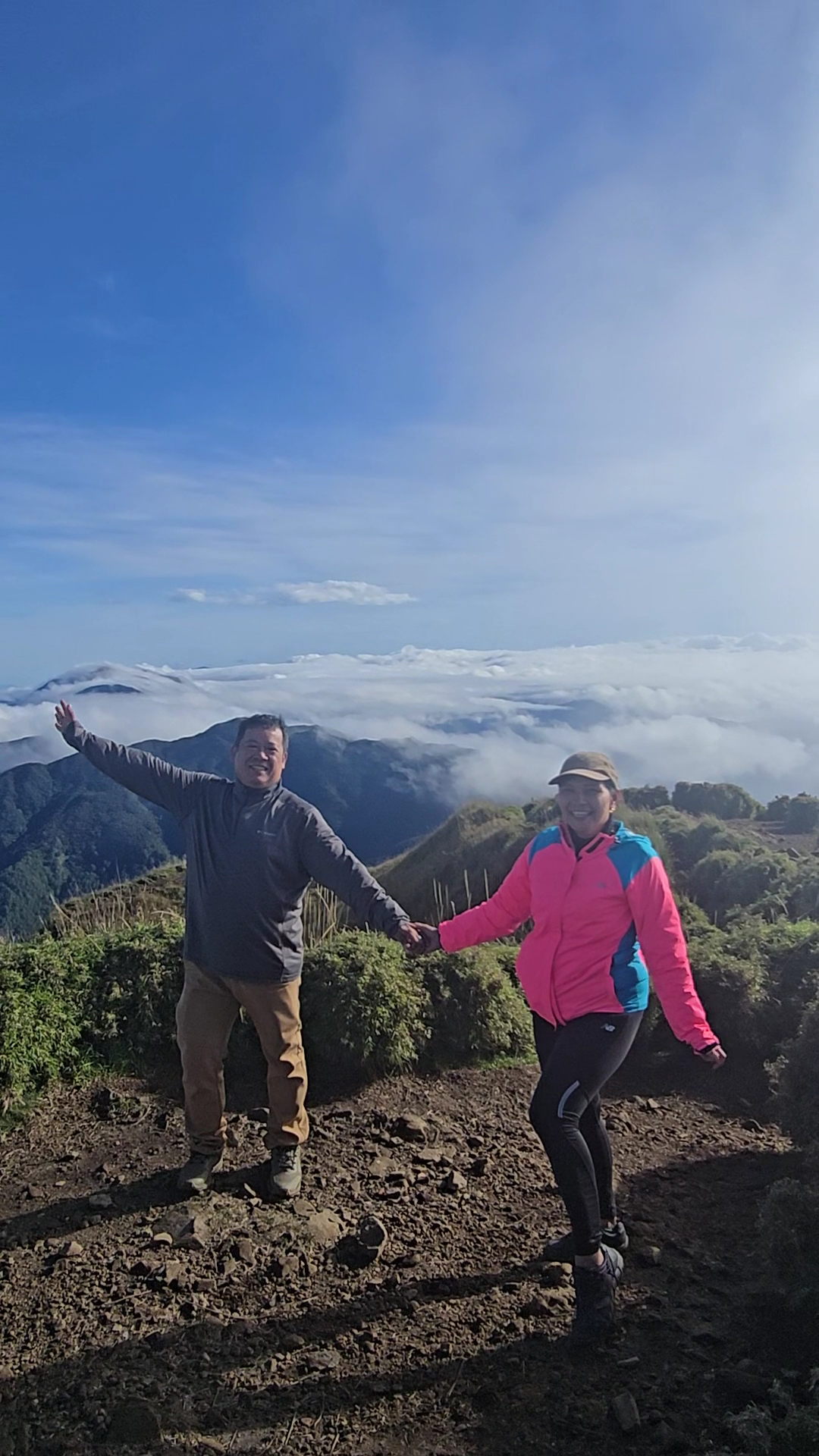
I survived! The third highest mountain in the Philippines! Update: Currently unable to climb Mt. Pulag due to the cleaning of camp sites due to garbage. Let's be responsible hikers. They say leave no trace.
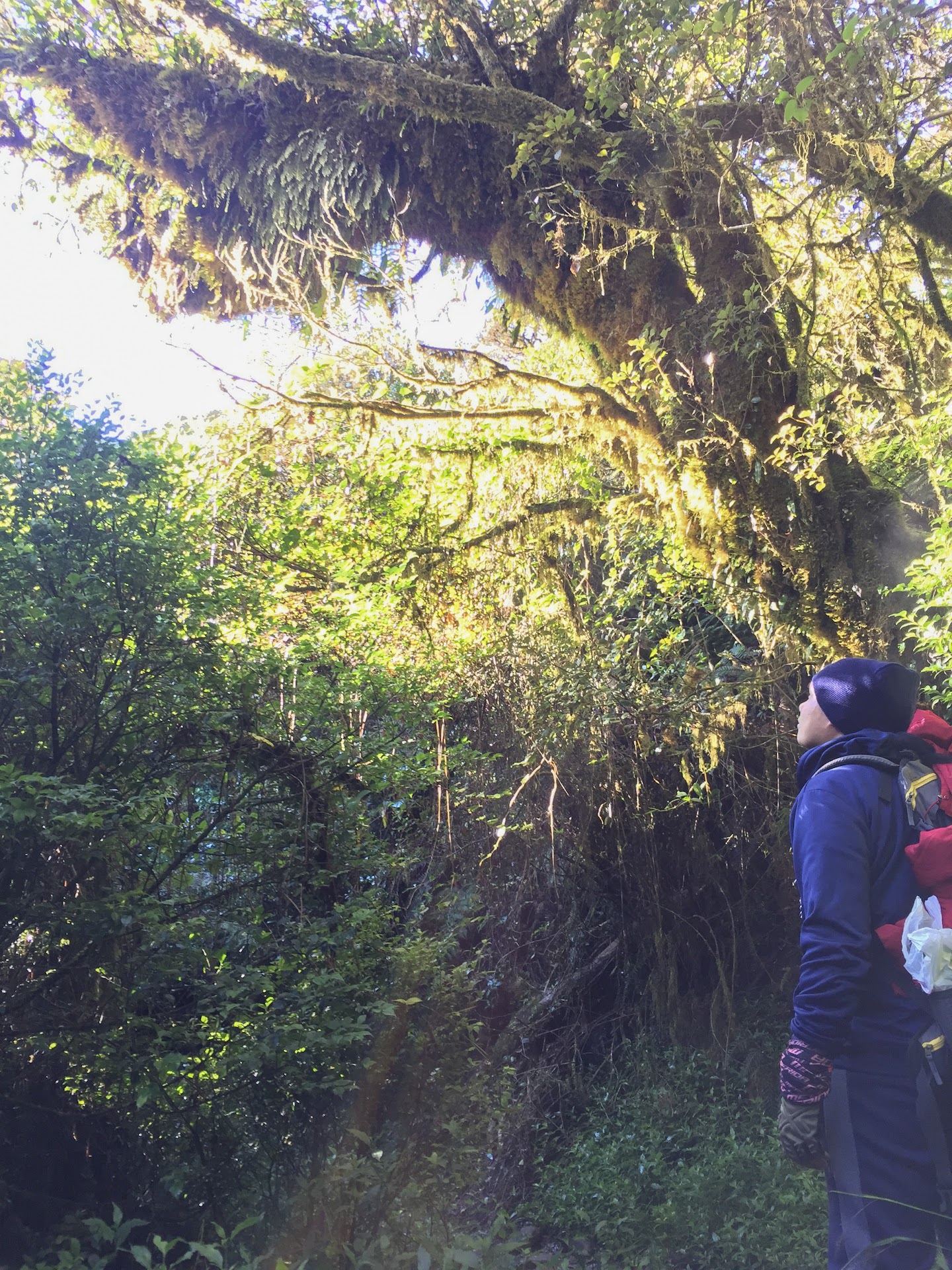
Mt. Pulag, standing at 2,922 meters above sea level, is the highest peak in Luzon and the third highest mountain in the Philippines. It is renowned for its stunning views, diverse flora and fauna, and as a popular hiking destination for both beginners and experienced trekkers. Hiking Trails
There are four major trails to reach the summit of Mt. Pulag:
Ambangeg Trail: This is considered the easiest trail, ideal for beginners, taking approximately 4 to 6 hours to complete. Akiki Trail: A more challenging option that can take around 10 hours to hike. Tawangan Trail: Another route that offers a different perspective of the mountain. Ambaguio Trail: Starting from Nueva Vizcaya, this trail also leads to the summit. For those who want to combine experiences, some hikers opt for routes like Akiki-Ambangeg, which totals about 16 kilometers.
Preparation and Packing List
When preparing for a hike up Mt. Pulag, it’s crucial to pack appropriately:
Sleeping Gear: Sleeping bags and mats are essential due to cold temperatures at night. Hydration: Carrying 2-3 liters of water per person is recommended. Lighting Equipment: Flashlights or headlights are necessary for early morning treks. Clothing: Layered clothing including rain-proof jackets and pants are vital due to unpredictable weather conditions. Snacks & Food Supplies: Energy-rich snacks help maintain energy levels during the hike. First Aid Kit & Personal Medications: Essential for any emergencies or health issues that may arise during the trek. Travel Factor provides additional conveniences such as meals, transportation, insurance, and tent accommodations as part of their...
Read moreIf you’re planning to hike Mt. Pulag, here’s a full guide with all the current rules, costs, and tips:
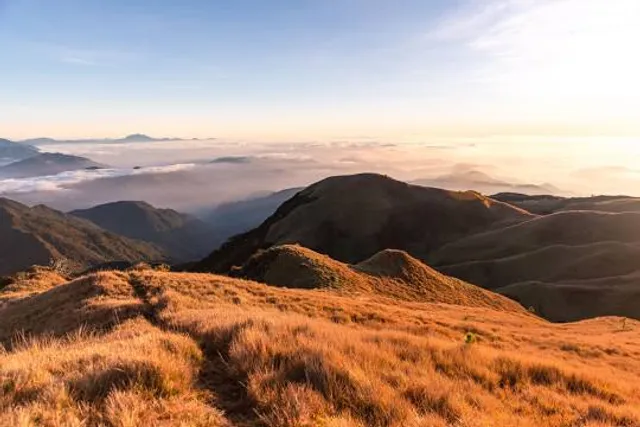
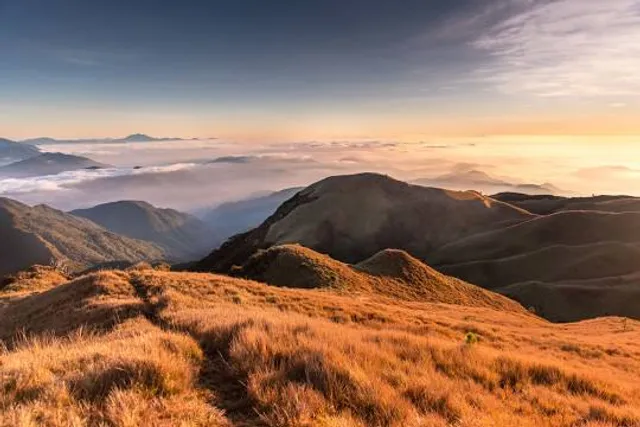
Mt. Pulag is the highest peak on Luzon Island and one of the most scenic hikes in the Philippines, known for its “sea of clouds” and sunrise views. The hike is regulated by the DENR (Department of Environment and Natural Resources), and you must book in advance to enter.
🌤 Best season: November to February — clear skies and cool weather 📆 Bookings: Must be made online via the DENR or through an accredited tour operator 🧍 Visitor cap: Limited number of hikers per day; weekends fill up quickly 🏥 Medical clearance: Required, especially for kids (7–17 yrs) and seniors (60+) 📢 Mandatory briefing: All hikers must attend an orientation at the Visitor Center in Ambangeg before the hike
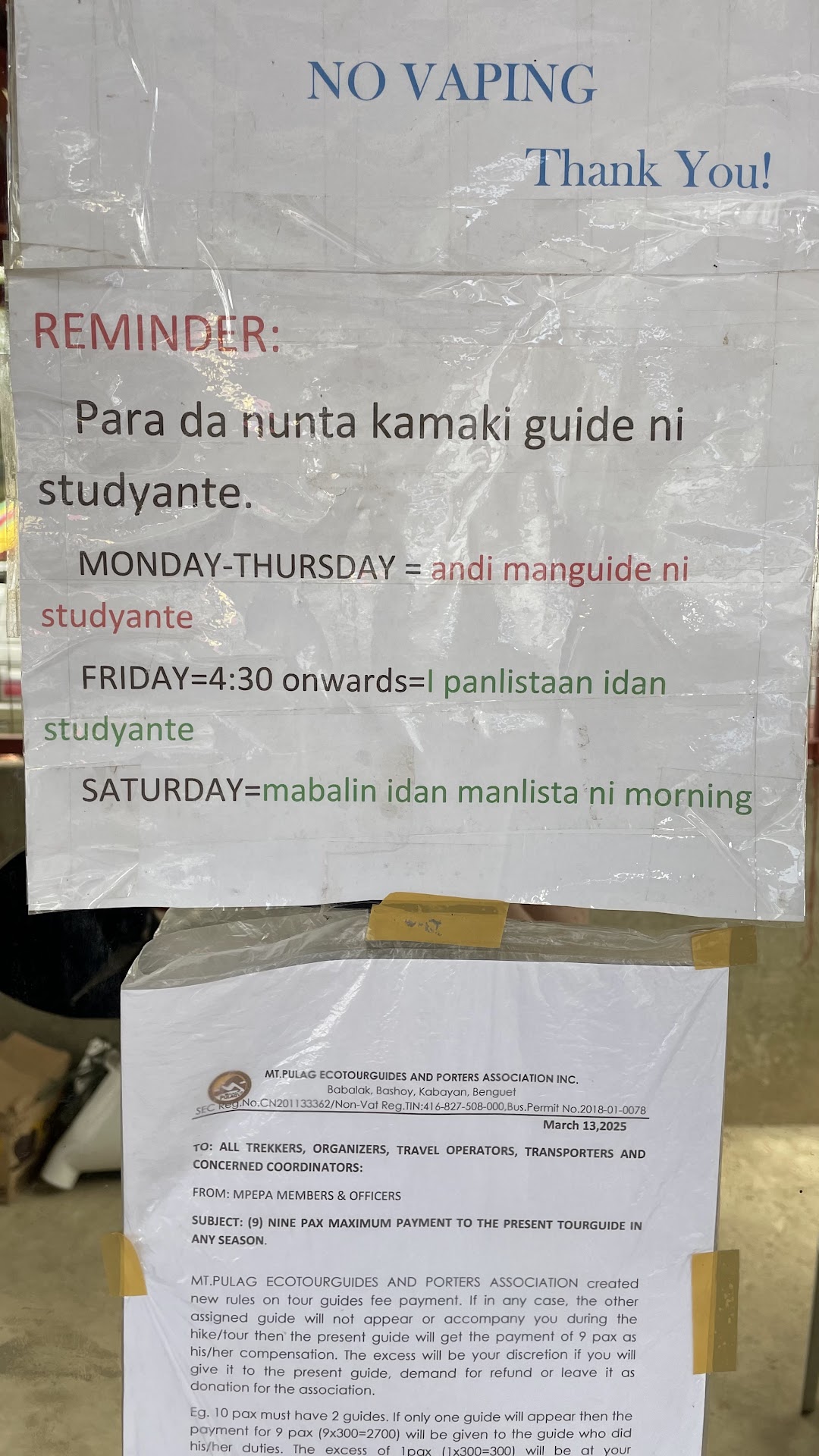
🛑 Important rules: • No littering, no loud music, no smoking • Plastic use is discouraged (no disposable items) • Camping only in designated areas • You must go with an official guide
💰 Estimated costs (per person or group): • Environmental/entrance fee: ₱150–250 • Camp fee: ₱100 • Local guide (required): ₱1,200–1,500 per group • Jeep or van from Baguio to Mt. Pulag jump-off: ₱500–700 (shared) • Medical certificate: ₱100–300 • Optional gear rental (tent, sleeping bag): ₱500–1,000
🥾 Popular trail: Ambangeg Trail — easiest and shortest (2 days / 1 night) Perfect for beginners. You’ll camp on the first night and hike early morning (around 2:30 AM) to catch the sunrise from the summit.
🧳 What to pack: • Warm clothes (can be as cold as 0°C at the summit!) • Headlamp or flashlight • Water (1.5–2 liters), snacks • Powerbank, basic medicine, valid ID
trail...
Read moreFor Nature and Adventure lovers, it was a good camping and hiking experience. I have packed lots of food thinking the area was somekind of primitive but actually the Ambangeg ranger station is loaded with every basic thing you need for survival. There are lots of store there and the are not that costly. You can buy your basic hiking needs there and have some meals there ranging 60-80 pesos and a good cup of local barako coffee for 20 pesos. There are rentables there too such as for tent, insulation mats, and hiking sticks. There are also homestays there and camping areas which are 100 pesos per head. The ranger station is also where you hire for a tour guide. Camping here at night is challenging for its very cold and windy night temperature which usually ranges from 5-8°C. You need tons of jacket with you. During our climb via Ambangeg trail (easiest trail among the four trails used), it unfortunately rained so I haven't seen the good view of the "playground of the Gods" on this first attempt. It as so hard to climb 4hrs on a rainy weather coz your clothes will be soaked and its gonna be heavier. Plus its realky cold on top of the mountain. Best advise is too pack light if your starting from the ranger station. Eat before you go so you wont need to bring much. just bring some small snack and a 500ml of water would do. There's a spring water there. I wasn't able to take much pictures during the climb because of the rain and strong winds plus we were not allowed to proceed for the summit but I'm gonna be sure to comeback on a...
Read more