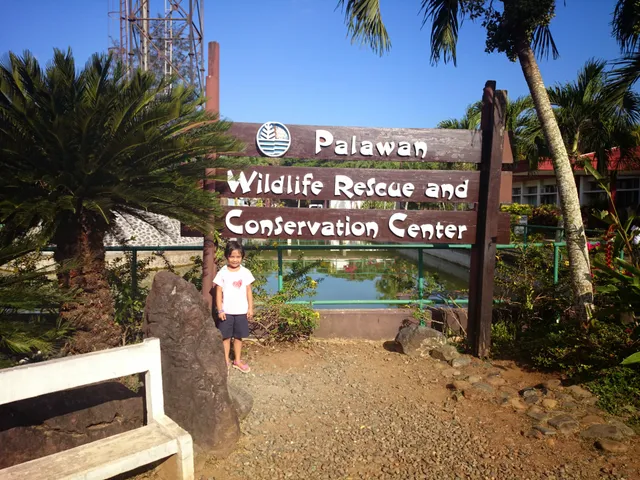
I visited the Palawan Wildlife Rescue and Conservation Center during my recent trip to Puerto Princesa, and I’d say it was one of the more eye-opening parts of my itinerary. The place is often referred to as the “Crocodile Farm,” but there’s actually more to it than just crocodiles.
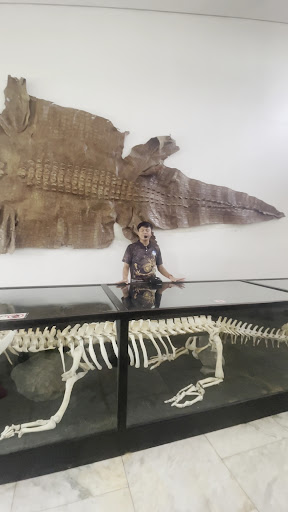
As soon as I got there, I was greeted by the sound of birds and the smell of fresh foliage—yes, it has that “wild” vibe right off the bat. The tour started with a short orientation inside a small museum-like area, where I saw an actual preserved skeleton of a massive crocodile that used to live there. It’s jaw-dropping in size—literally.
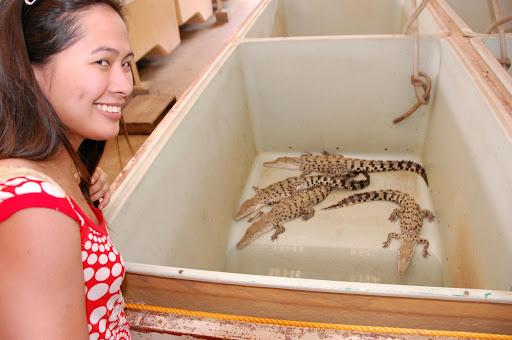
From there, we were guided toward the hatchery area, where baby crocs are kept in separate enclosures. I was both fascinated and slightly unnerved seeing dozens of baby crocodiles squirming around. They looked harmless but knowing what they’d grow into gave me chills.
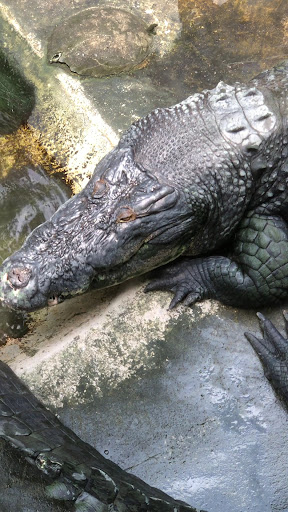
Then came the highlight: the adult crocodile enclosures. There’s a sturdy metal walkway above their pens, and I could see at least a dozen large crocs lounging in the mud or half-submerged in water. One of them let out a deep rumble-like hiss, which made everyone on the platform stop in their tracks. It reminded me these animals are powerful predators, not just zoo attractions.
What I appreciated most was that this center isn’t just a tourist spot—it has a strong conservation and rescue mission. They also care for other wildlife, like hornbills, eagles, and other rescued animals. Some are in rehabilitation, while others are permanent residents due to injuries or being raised in captivity.
The facility isn’t flashy or commercialized, but it serves its purpose. It’s educational, humbling, and worth visiting if you want a closer look at Palawan’s natural biodiversity—and a better understanding of why conservation matters.
Pros: • Up-close view of crocodiles at all stages of life • Educational and conservation-focused • Chance to see rescued birds and mammals
Cons: • Some areas need maintenance • Not ideal for people who don’t like the sight (or smell) of wild animals
Would I recommend it? Yes—especially if you want to experience something raw and real in Palawan beyond beaches...
Read moreNestled within the lush landscapes of Palawan, the Palawan Wildlife Rescue and Conservation Center, commonly known as the Crocodile Farm, stands as a beacon of hope for the region's endangered crocodile species. More than just a tourist attraction, this center plays a vital role in the conservation efforts of Palawan's unique biodiversity, particularly its crocodile population.
One of the standout features of the Crocodile Farm is its commitment to the welfare and protection of these magnificent creatures. From the moment you step inside, it's clear that the well-being of the crocodiles is the top priority. The spacious enclosures, carefully monitored habitats, and expert care provided by the staff ensure that these ancient reptiles thrive in their environment.
But the center's impact extends beyond its role in conservation. It also serves as an educational hub, offering visitors the opportunity to learn about the importance of preserving Palawan's wildlife and the challenges facing these endangered species. Through informative tours, interactive exhibits, and engaging presentations, guests of all ages gain a deeper understanding of the vital role they play in protecting the planet's biodiversity.
In addition to its conservation efforts, the Crocodile Farm also offers visitors a chance to observe these fascinating creatures up close. From hatchlings to full-grown adults, guests can witness the beauty and power of Palawan's crocodiles in a safe and controlled environment, fostering a greater appreciation for these remarkable animals.
Overall, the Palawan Wildlife Rescue and Conservation Center is a shining example of conservation done right. By prioritizing the welfare of its resident crocodiles and educating the public about the importance of conservation, the center not only protects Palawan's precious wildlife but also inspires others to join in the effort. A visit to the Crocodile Farm is not just an opportunity for entertainment but a chance to make a meaningful contribution to the preservation of Palawan's...
Read moreThe Palawan Wildlife Rescue and Conservation Center, also known as the Crocodile Farm, is a must-visit destination for nature lovers and wildlife enthusiasts in Palawan, Philippines. Nestled amidst lush greenery, this conservation center is dedicated to protecting and preserving the region's rich biodiversity, with a particular focus on the Philippine crocodile, a critically endangered species.
Visitors to the Crocodile Farm have the opportunity to learn about the fascinating world of crocodiles through informative guided tours and educational exhibits. From hatchlings to full-grown adults, you'll get up close and personal with these magnificent reptiles, gaining a deeper understanding of their behavior, habitat, and importance to the ecosystem.
In addition to crocodiles, the center is home to a variety of other native wildlife species, including birds, reptiles, and mammals. Exploring the lush grounds, you'll encounter colorful parrots, majestic eagles, and playful monkeys, among other fascinating creatures.
But the Crocodile Farm is more than just a tourist attraction; it's also a vital hub for conservation efforts in Palawan. Through research, breeding programs, and community outreach initiatives, the center plays a crucial role in safeguarding the region's natural heritage for future generations.
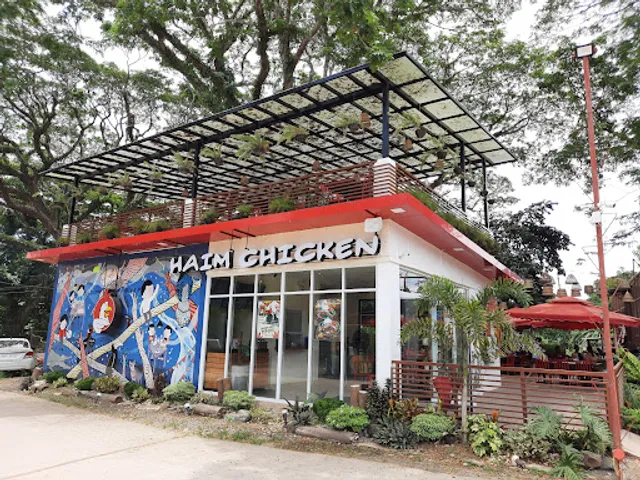
Beyond its conservation efforts, the Crocodile Farm offers visitors a range of amenities and activities to enjoy. Whether you're strolling along scenic nature trails, admiring the picturesque ponds and waterfalls, or indulging in delicious local cuisine at the onsite restaurant, there's something for everyone to enjoy.
Overall, the Palawan Wildlife Rescue and Conservation Center is a beacon of hope for the preservation of Palawan's unique wildlife and natural ecosystems. By visiting this remarkable facility, you not only have the opportunity to witness the beauty of Palawan's wildlife up close but also contribute to its conservation and protection for...
Read more