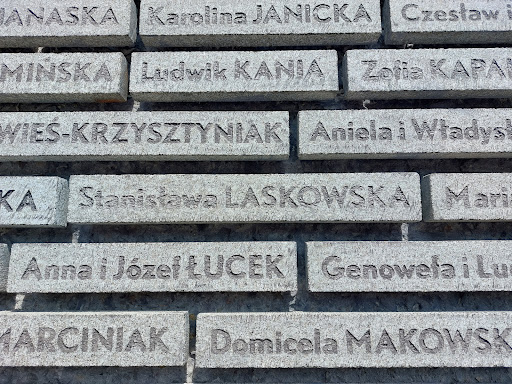
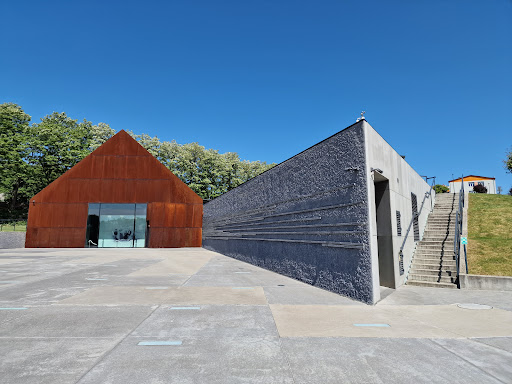
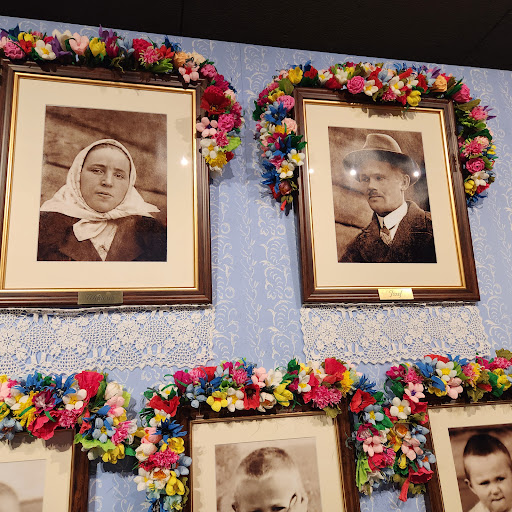
This modern museum is an educational tribute and monument to the Polish people who died or risked death in Poland. There are many photographs and documents to examine with translations in both Polish, Hebrew and English.
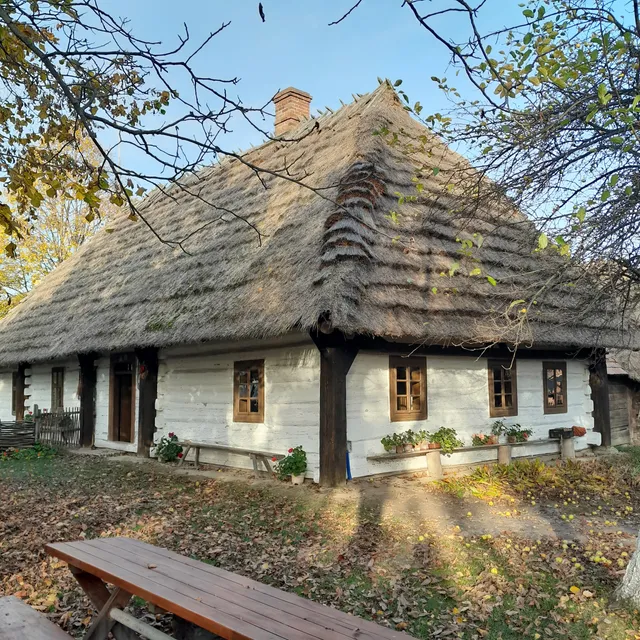
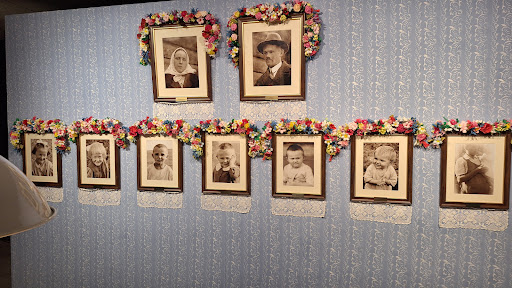
During the German occupation, most probably in late 1942, despite poverty and risk, the Ulmas gave shelter to eight Jews: Saul Goldman and his four sons and two daughters and a grand-daughter. On March 24, 1944, in the morning, five German gendarmes and several navy-blue policemen arrived in front of the house of the Ulmas. They were commanded by Lt. Eilert Dieken. They first shot the Jews, and next Józef and Wiktoria (who was in the seventh month of pregnancy). Then, Dieken decided to kill the 6 children. Within a few minutes, seventeen people lost their lives (including the baby whom Wiktoria started giving birth to at the moment of the execution)
They were only one of many families who died or risked dying trying to hide Jews from the nearby ghetto from capture and murder.
I recommend this...
Read moreMiejsce niewątpliwie potrzebne, ale pozostawia poczucie niedosytu i częściowo zmarnowanej możliwości. Niby jest tam wszystko, co potrzeba: kontekst historyczny, narodowościowy, historia samych Ulmów. Jednak narracja jest w istocie bardzo fragmentaryczna i nie tworzy logicznego ciągu - może też ze względu na szczupłość miejsca. W istocie muzeum jest niewielki. Np. nie jest wyjaśnione, skąd w czasie okupacji wzięły się odruchy ewidentnego antysemityzmu Polaków, opisywane w wielu miejscach muzeum. Dlaczego niektórzy Polacy grozili wydaniem innych Polaków, przechowujących Żydów? Jaki to miało związek z przedwojenną sytuacją gospodarczą, etniczną i powstałymi wtedy uprzedzeniami? Jak reagowało polskie podziemie? Widzimy polskie donosy, kierowane do Niemców, ale już nie dowiemy się, że ZWZ/AK miało swoich agentów w poczcie, którzy je przchwytywali. Zobaczymy fragmenty arcyciekawego dziennika 15-letniej Basi Rosenberg, ale nie dowiemy się niczego o niej samej - informacji musimy szukać sami. Plus za schematyczną makietę domu Ulmów z ocalałymi pamiątkami. Zwiedzałem indywidualnie, ale słyszałem przewodnika oprowadzającego wycieczkę. Brzmiało to fatalnie: wyuczone frazy, podawane pompatycznym tonem. Żadnej inspiracji do własnych refleksji - w tym na temat dylematu, który się zawsze w kontekście Ulmów pojawia: czy warto narażać najbliższych dla ratowania obcych ludzi. Ze spraw praktycznych: szatnia malutka, brak normalnych muzealnych szafek depozytowych, jest tylko regał z zamykanymi na klucz szufladkami i kilkoma szafkami, wciśnięty w kąt bardzo małego pomieszczenia. Na plus spory parking, ale nieobliczony na taką liczbę odwiedzających, jaka powinna pojawiać się w tym muzeum. Natomiast całość powinna zostać porządnie przemyślana i w dużej mierze...
Read moreWhile a bit far from major cities in Poland, this museum was just recently opened to the public (April 2016). It is dedicated to the Polish citizens who rescued their Jewish neighbors of that region during the Nazi occupation of Poland during WW II. The musem named after Joseph and Viktoria Ulma who hidden a Jewish family in their home. They were cought and executed together with their seven children and and the Jewish family they were hiding.
Incredible museum and deeply tuching experience. Definitely worth the drive. Located in Markowa, Poland were the Ulma family...
Read more