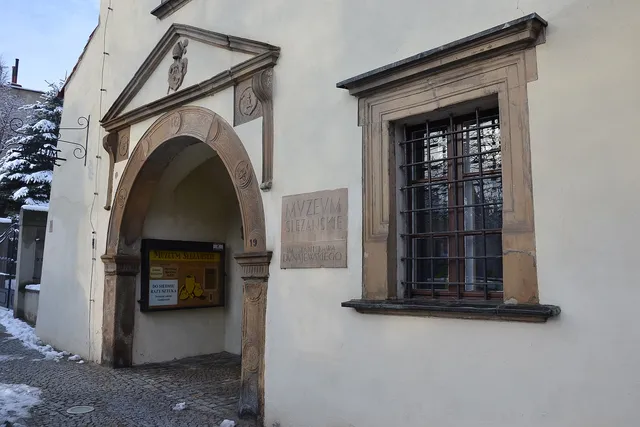
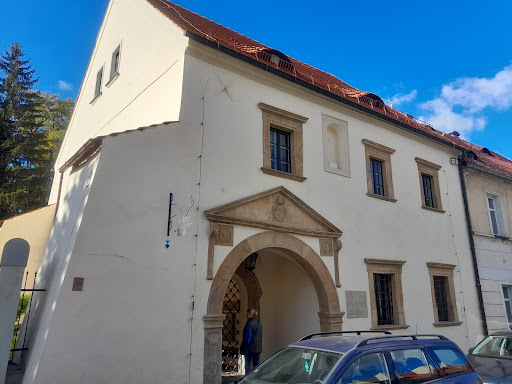
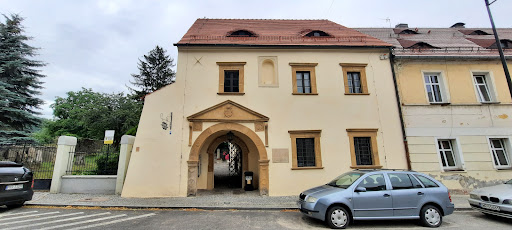
Muzeum Ślężańskie in Sobótka is a captivating portal to Poland’s ancient soul, nestled in the shadow of sacred Mt. Ślęża, Central Europe’s mystical gem! Housed in the 1568 Renaissance “House of the Abbot,” a former Augustinian hospital adorned with a rare Mannerist portal inscribed in Greek, Hebrew, and Latin, this museum is a treasure trove of archaeology, nature, and history. Its vibrant exhibits make it a must-visit to celebrate Polish heritage!
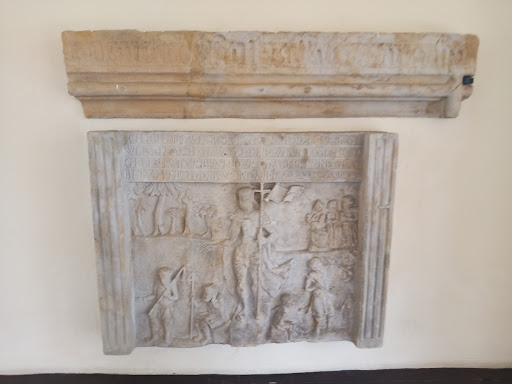
Dive into the “Traces of Ancient Beliefs” exhibit, showcasing Ślęża’s prehistoric cult center from the 7th century BC, revered by Celtic, Slavic, and Lusatian tribes. Marvel at artifacts like the 3600 BC Jordanian Ram, a clay figurine older than the pyramids, and a haunting anthropological reconstruction of a woman’s head from a skeletal burial. The museum’s lapidarium dazzles with medieval relics—Gothic baptismal fonts, a Baroque garden bench, and the “Sobótka Pietà”—while granite sculptures like the Bear and Monk on Ślęża’s trails echo pagan rituals. Locals whisper of cosmic energies and solstice bonfires reviving Slavic Kupala traditions, adding a thrilling mystique.
The “Nature of Ślęża Massif” display unveils the region’s geology, flora, and fauna, complemented by a film, “Man and Nature of Ślęża.” Two coin hoards (16th-18th century) and 16th-century maps enrich the historical collection, while a contemporary art gallery hosts works by Polish icons like Edward Lutczyn. Founded in 1962, succeeding a 1926 Heimatmuseum, it’s a hub for events like the Silesian Archaeological Symposium (50th anniversary in 2024).
Just 40 minutes from Wrocław, visit Wednesday-Sunday (9am-4pm, free Thursdays). Pair with a Ślęża hike for bigos at the summit’s PTTK Tourist House. This museum isn’t just a stop—it’s a journey through Poland’s sacred past, blending history, art, and nature. Discover Sobótka’s charm and let Poland...
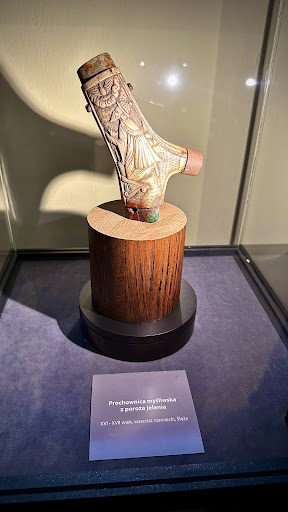
Read moreMuzeum położone w starej, zabytkowej części Sobótki. Budynek z zewnątrz i ogród bardzo ładne. Muzeum prowadzi ciekawą działalność wydawniczą. Niewiele eksponatów, interesujące bywają wystawy tematyczne. Brak jednolitej koncepcji prowadzenia placówki (tak jak w poniższych opiniach o opisach, datowaniach i spekulacjach) przydałaby się ręka fachowca muzealnika. Zbiory przypadkowe i nie do końca wiadomo, dlaczego się tam znalazły np. ławka kamienna z pałacu w Krzyżowicach, który jest odremontowany i powinna zgodnie z regułami, tam powrócić. Na stronie na Facebooku muzeum nie odpowiada na trudne pytania, blokuje komentarze, wycina posty. Aktualna dyrektorka, która prowadzi muzeum jest myśliwą i członkiem komisji edukacji związku łowieckiego, co rzutuje na wystawy, filmy i eksponaty oraz lekcje dla dzieci (mam nadzieję, że rodzice wiedzą czego dowiadują się tam ich dzieci). Żenujące dla mnie uwagi o pożyteczności myśliwych, oswajanie dzieci z tym krwawym hobby, gloryfikowanie wycinki lasów etc. etc....
Read moreSuper interesting ! The welcome is exceptional and the pieces are rare ! Please if you are in this region, you must go to that museum, there are things for kids too. There not many Celtic museum in the world, this one is at the top of my list. Thank...
Read more