To the reply of Aldeia:
I understand that Aldeia Museu José Franco aims to preserve the “Saloia” culture — and I appreciate the value of cultural heritage. However, historical traditions should never justify inadequate animal welfare.
Times have changed, and we now know that animals — especially social, intelligent beings like donkeys — have physical and emotional needs that must be respected. Keeping a single donkey alone in a small, barren area with no stimulation, or companions is not acceptable, regardless of tradition.
If the goal is education, then let’s educate people on how we can honor the past without repeating practices that we now recognize as harmful.
I truly hope that your promise of “more news soon” means a significant improvement in how animals are kept. Until then, I cannot support or recommend the site.
‐---‐----------------- I've been visiting this place every year since I was a child and always held fond memories of it. But what I saw this time was simply heartbreaking — and unacceptable.
There is a donkey at the entrance, standing alone in a cramped, barren space, no enrichment, and no companion. It’s a tiny area, unfit for any animal, let alone a sensitive, social creature like a donkey. He just stands there, exposed to the sun, with nothing to do and no one to interact with. It feels more like a display than a living being.
This is not only outdated — it’s cruel. In 2025, there is no excuse for keeping an animal under such conditions just to entertain visitors. What message does this send to children about respect for animals?
Until this situation is addressed and the donkey is either removed or given a proper, enriched environment with companionship and space, I will not be returning — and I strongly urge others to reconsider...
Read moreAldeia Típica José Franco
Type: open space museum Time spent: 30-45 min Parking: available [large] WC: available Path for disabled: available Playground: available Restaurant: available Souvenir shop: available Price: free Zoo: small Similar places: Portugal dos Pequenitos [Coimbra]
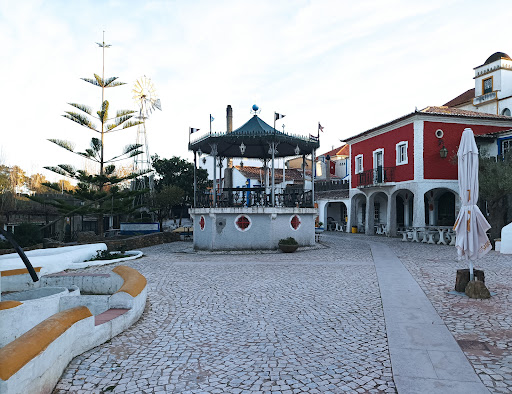
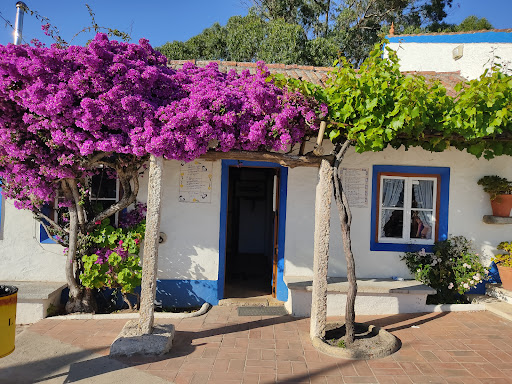
Built by the sculptor José Franco, it represents the typical occupations of Portugal in the past in miniature scenes, with the respective working instruments, constituting a true ethnographic museum. The space also has a life-size replica of a village, with functional miniatures of the region.
The idea for the work arose around 1945, when the artist imagined building, in his spare time, next to the house where he lived and worked, a living museum of his land and customs.
Thus, in a space that currently comprises around 2,500m² it presents:
the windmill the chapel the watermill the carpentry the grocery store country cuisine the blacksmith shop; the barber and dentist shops; the farmer's house the school
In a small restaurant, typical regional...
Read moreOne of the most mesmerizing memories of Portugal is this typical village exhibit, reminding us that life was simple and good a 100 years ago when man lived in harmony with forces of nature. It's good for education of our young generation. There's a real windmill that is in working condition. Moreover, it is fun for kids with a small castle, swings, mechanised miniatures, snacks and an animal farm where you can feed rabbits goats hamsters galinha and sheep a bag of goodies that you can buy for €1 in the shop. It also has pottery and ceramic shops, cafe and some other organic and traditional local products that can be bought. If you want to spend a lazy 4 hours with kids not far from Lisbon this is it! You can complement the trip with a visit to Mafra palace and gardens or/and tapra do Mafra and finish it with a traditional dinner in...
Read more