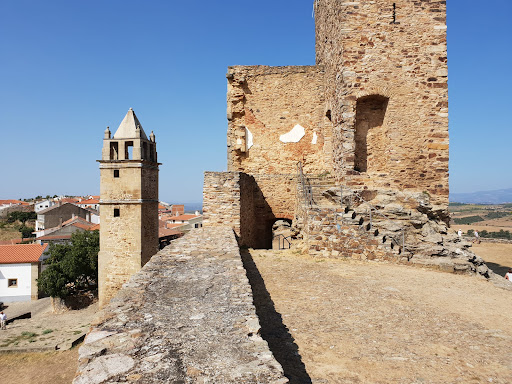
PT/BR Na vertente norte da serra de Mogadouro, a antiga vila e seu castelo constituíram, nos alvores da nacionalidade, um importante ponto estratégico sobre a linha lindeira. Comenda da Ordem dos Templários, posteriormente sucedida pela Ordem de Cristo, atualmente inclui-se na Área Turístico-Promocional das Montanhas. O Castelo de Mogadouro foi erguido, de 1160 a 1165. Visando incrementar o povoamento e defesa da região, o rei D. Afonso III (1248-1279) passou Carta de Foral à vila (27 de Dezembro de 1272), título confirmado no ano seguinte (Santarém, 18 de Dezembro de 1273), ampliado com algumas disposições e então comum a Penas Róias. São Mamede de Mogadouro constituía-se numa comenda dos Templários e, nessa época, foi elevada à categoria de priorado da Ordem. Em 1311, diante da extinção da Ordem, os seus domínios (e esta comenda) passaram para a Ordem de Cristo. Actualmente encontra-se bastante derruído.
ENG In the north slope of the Mogadouro mountain range, the old town and its castle were, at the time of nationality, an important strategic point on the lindeira line. Commendation of the Order of the Templars, later succeeded by the Order of Christ, is currently included in the Touristic-Promotional Area of the Mountains. The castle of Mogadouro was erected, from 1160 to 1165. Aiming to increase the settlement and defense of the region, king D. Afonso III (1248-1279) passed a Charter for the town (December 27, 1272), title confirmed in the year (Santarém, December 18, 1273), expanded with some provisions and then common to Penas Róias. São Mamede de Mogadouro constituted a commendation of the Templars and, at that time, was elevated to the rank of priory of the Order. In 1311, before the extinction of the Order, its dominions (and this commendation) passed to the Order of Christ. Nowadays, it is...
Read moreЗамок Могадору (Castelo de Mogadouro) был построен на северной стороне горы Могадору (округ Браганса) и предназначался для охраны северо-восточной границы Португалии от вторжений из Кастилии. С VIII века эта местность была населена маврами, которые, как полагают некоторые исследователи, и дали названия многим местным населенным пунктам. Название Могадору указывало на важнейшее стратегическое значение этого места, как бы означая его пунктом (или точкой) над Дору, где проходила так называемая "Мавританская дорога", пересекавшая область с севера на юг и уходившая в Кастилию. Во время христианской Реконкисты окрестности Могадору были ареной многочисленных сражений между христианами и мусульманами, в результате которых регион перешел под контроль португальцев. Главной задачей только что образованного государства Португалия стала оборона столицы - Коимбры. Как известно король Афонсу Энрикеш в осуществлении этой задачи опирался на силы тамплиеров. Так рыцари-храмовники в 1145 году получили гору Могадору, где обязались возвести замок для защиты местности от неприятеля, что они и сделали – замок был построен, и в течение нескольких столетий он рос, обзаводился новыми постройками, среди которых был великолепный дворец, бывший резиденцией градоначальника Могадору. Но, как и все замки Португалии, крепость Могадору со временем утратила свое значение, и постепенно пришла в запустении. В 1950-х годах была предпринята масштабная реконструкция... Но (вот несчастье!) в 1990-х года от рук вандалов пострадала лестница въездной башни и ее ворота. Сейчас от замковых укреплений остались две башни - донжон и часовая башня (с сигнальными колоколами) и...
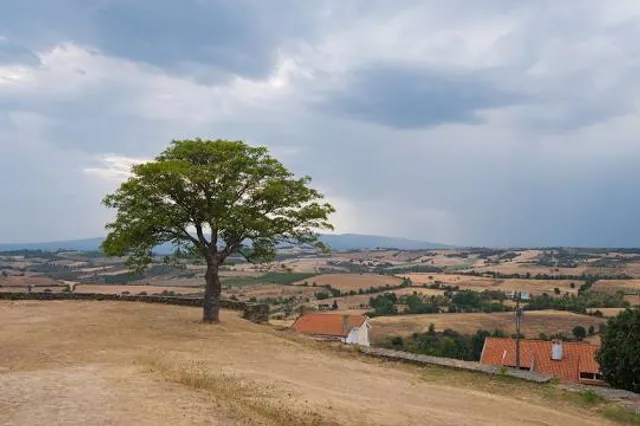
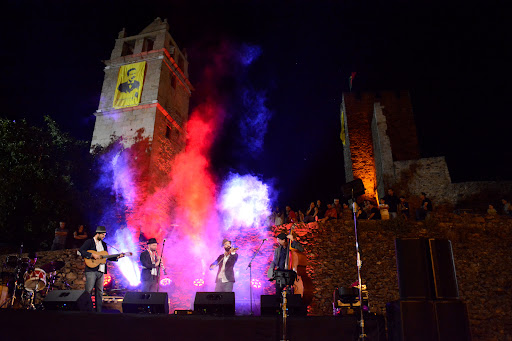
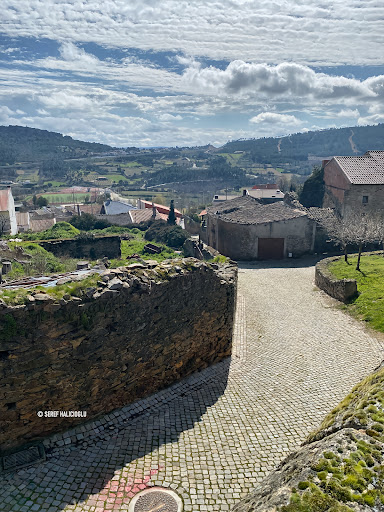
Read moreAn important historical monument in the town of Mogadouro. Sadly there is little information at the site itself. Suffice to say this castle has survived for some 900 years. However much of the castle has fallen into ruins after becoming neglected in the 18th century. It has also suffered from vandalism. Nonetheless the castle is worth visiting if only for the views over the surrounding countryside. The castle also acts as a backdrop for outdoor concerts in the...
Read more