HTML SitemapExplore
logo
Find Things to DoFind The Best Restaurants

Castle of Serpa — Attraction in Serpa

Name
Castle of Serpa
Description
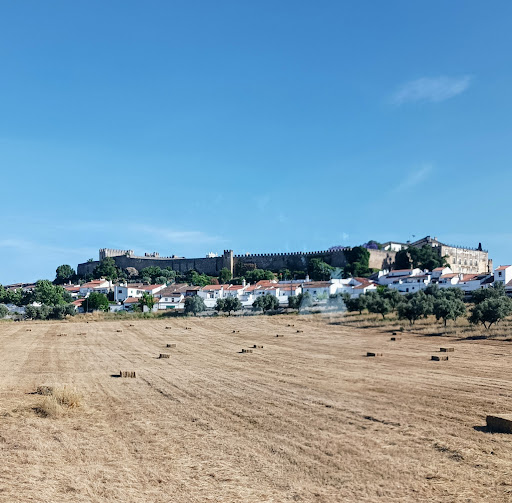
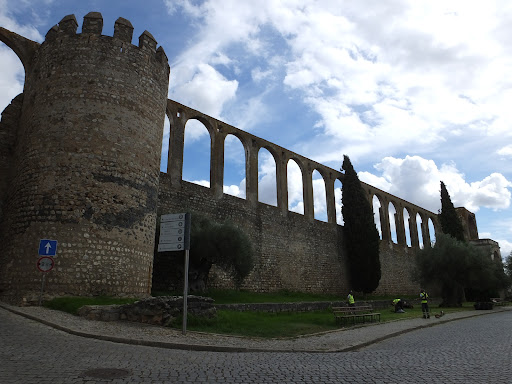
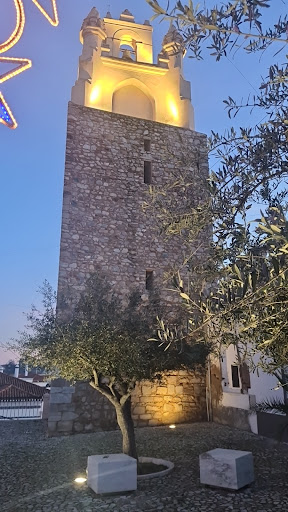
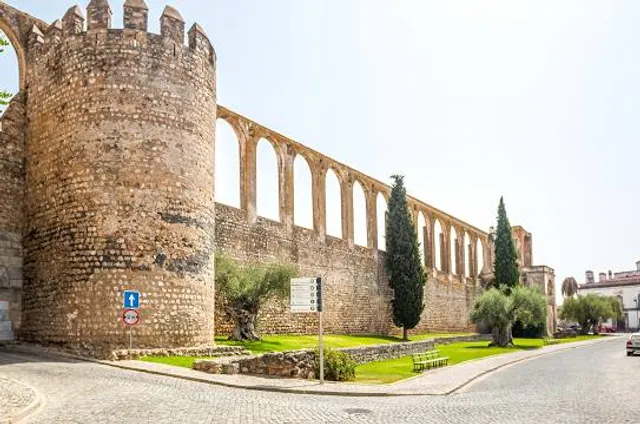
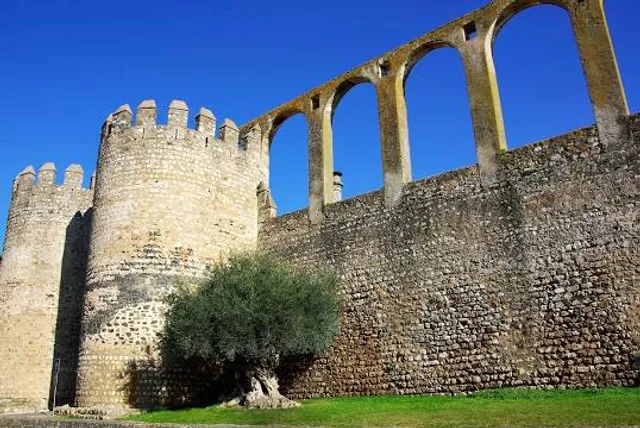
The Castle of Serpa is a medieval castle located in the civil parish of Serpa, in the municipality of Serpa, Portuguese district of Beja.
Nearby attractions
Palácio dos Condes de Ficalho
Palácio dos Condes de Ficalho, 7830-451 Serpa, Portugal
Nearby restaurants
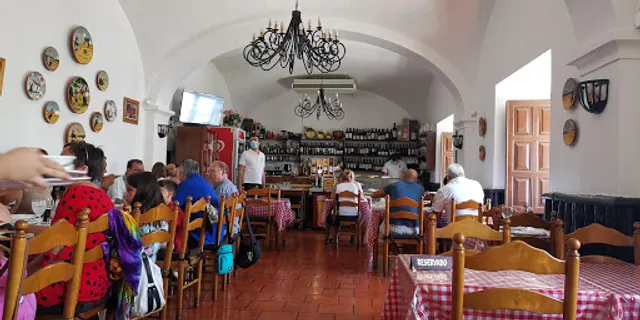
O Alentejano
Praça da República 15, 7830-389 Serpa, Portugal
Molhó Bico
R. Quente 1, 7830-369 Serpa, Portugal
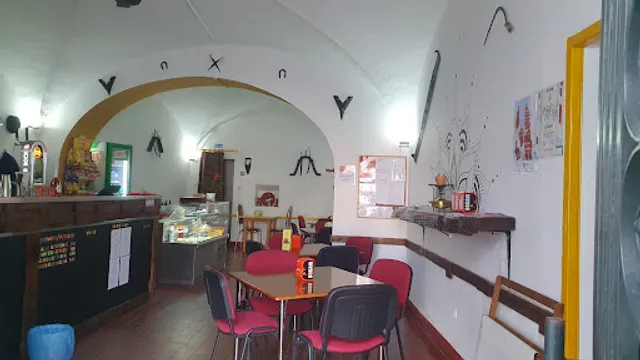
Café Engrola
R. Nova da Porta Nova 11, 7830-426 Serpa, Portugal
O Paciências
Praça da República 10, 7830-389 Serpa, Portugal
Cervejaria Lebrinha
R. do Calvário 6, 7830-347 Serpa, Portugal
Café Silvério - Serpa
R. Serpa Pinto 23, 7830-439 Serpa, Portugal
Serpense
R. Dr. Luís de Almeida e Albuquerque, 7830-001 Serpa, Portugal
Pedra de Sal
Estr. da Circunvalação 7, 7830-322 Serpa, Portugal
A Piscina
R. da Eira de São Pedro, 7830-437 Serpa, Portugal
Tintol e Petiscos
Rua Dr Ramon Nonato La Feria, 7830-370 Serpa, Portugal
Nearby hotels
Turismo de Habitação Casa da Muralha
R. das Portas de Beja 43, 7830-431 Serpa, Portugal
Casa de Serpa - Turismo Rural
Largo do Salvador 28, 7830-330 Serpa, Portugal
Horta das Laranjas
Terreiro Humberto Delgado, 7830-442 Serpa, Portugal
Serpa Hotel
R. do Parque de Campismo, 7830-303 Serpa, Portugal
Hotel Pulo do Lobo
Estr. de São Bráz 9, 7830-324 Serpa, Portugal
Related posts
Keywords
Castle of Serpa tourism.Castle of Serpa hotels.Castle of Serpa bed and breakfast. flights to Castle of Serpa.Castle of Serpa attractions.Castle of Serpa restaurants.Castle of Serpa travel.Castle of Serpa travel guide.Castle of Serpa travel blog.Castle of Serpa pictures.Castle of Serpa photos.Castle of Serpa travel tips.Castle of Serpa maps.Castle of Serpa things to do.
Castle of Serpa things to do, attractions, restaurants, events info and trip planning
Castle of Serpa
PortugalSerpaCastle of Serpa

Basic Info

Castle of Serpa

R. do Cano 2, 7830-412 Serpa, Portugal
4.5(551)
Open 24 hours
Save
spot

Ratings & Description

Info

The Castle of Serpa is a medieval castle located in the civil parish of Serpa, in the municipality of Serpa, Portuguese district of Beja.

Cultural
Outdoor
Scenic
attractions: Palácio dos Condes de Ficalho, restaurants: O Alentejano, Molhó Bico, Café Engrola, O Paciências, Cervejaria Lebrinha, Café Silvério - Serpa, Serpense, Pedra de Sal, A Piscina, Tintol e Petiscos
logoLearn more insights from Wanderboat AI.

Plan your stay

hotel
Pet-friendly Hotels in Serpa
Find a cozy hotel nearby and make it a full experience.

hotel
Affordable Hotels in Serpa
Find a cozy hotel nearby and make it a full experience.

hotel
The Coolest Hotels You Haven't Heard Of (Yet)
Find a cozy hotel nearby and make it a full experience.

hotel
Trending Stays Worth the Hype in Serpa
Find a cozy hotel nearby and make it a full experience.

Reviews

Nearby attractions of Castle of Serpa

Palácio dos Condes de Ficalho
Palácio dos Condes de Ficalho

Palácio dos Condes de Ficalho

4.0

(50)

Open 24 hours
Click for details

Nearby restaurants of Castle of Serpa

O Alentejano

Molhó Bico

Café Engrola

O Paciências

Cervejaria Lebrinha

Café Silvério - Serpa

Serpense

Pedra de Sal

A Piscina

Tintol e Petiscos

O Alentejano

O Alentejano

4.4

(510)

Click for details
Molhó Bico

Molhó Bico

4.5

(832)

$$

Click for details
Café Engrola

Café Engrola

4.6

(177)

Click for details
O Paciências

O Paciências

3.8

(28)

Click for details
Get the Appoverlay
Get the AppOne tap to find yournext favorite spots!
Wanderboat LogoWanderboat

Your everyday Al companion for getaway ideas

CompanyAbout Us
InformationAI Trip PlannerSitemap
SocialXInstagramTiktokLinkedin
LegalTerms of ServicePrivacy Policy

Get the app

© 2025 Wanderboat. All rights reserved.
logo

Reviews of Castle of Serpa

4.5
(551)
avatar
5.0
25w

Castelo de Serpa

Type: castle, museum, medieval wall Time spent: 30 min Price: castle - free Parking: next to the castle - not available Path for disabled: available

This place was populated since ancient times. The road between Beja and Serpa was strategically important for the Roman Empire. The first fortifications were built by Romans. The second fortifications were built during the Muslim period.

The current castle was constructed by the end of the 13th century to protect the city from the South...

   Read more
avatar
4.0
3y

...a cosy little town in a middle-aged fortress, with quite some History. Tourist Office right at the nail Square, with a cosy little café with a terrace. The views from the fortress wall's are great, to shoot some pictures. Minus point here is, they have a reat elevator for people who has difficulty in dislocate themselves, but out of order for ages. Time for maintenance #Serpa Council.

Little detail about the early 20th period till now... Comunism...

   Read more
avatar
5.0
6y

Visiting Serpa in the off season certainly helped the small quiet town feel. I really liked the castle, entry is free, it is very simple walking around on the high walls give an excellent veiw of the surrounding countryside. The main square has a few little cafes and snack bars the one I went to was nice but I don't remember the name. There was some cheese related event happening in the next few days and I will say the sheep cheese from Serpa is the...

   Read more
Page 1 of 7
Previous
Next

Posts

Oleh ShpytkoOleh Shpytko
Castelo de Serpa Type: castle, museum, medieval wall Time spent: 30 min Price: castle - free Parking: next to the castle - not available Path for disabled: available This place was populated since ancient times. The road between Beja and Serpa was strategically important for the Roman Empire. The first fortifications were built by Romans. The second fortifications were built during the Muslim period. The current castle was constructed by the end of the 13th century to protect the city from the South and the East.
Rui AssisRui Assis
Castelo muito bonito. "Pensa-se que Serpa poderia já ter uma fortificação na época da ocupação romana, mas só há confirmação a partir do século VIII, durante a ocupação árabe, uma vez que esta fortaleza foi conquistada no reinado de D. Afonso Henriques. Depois desta conquista, a fortaleza de Serpa, cai de novo na mão dos árabes e só no reinado de D. Sancho II, em 1232, volta ao domínio português, todavia esta zona do território, além do Guadiana, esteve em disputa pelos reis de Castela, que chegaram a ter o seu domínio, até à ratificação da fronteira, no reinado de D. Dinis, em finais do século XIII. Os problemas com Espanha voltariam a surgir durante a Guerra da Sucessão, em que Serpa caiu facilmente perante o ataque das forças espanholas, mas é assinalado que no início da Restauração da Independência, este foi um dos primeiros castelos a hastear a bandeira portuguesa. Na sequência da Guerra da Restauração a fortaleza beneficiou de obras de modernização, mas ao longo dos séculos seguintes, à semelhança de uma boa parte dos castelos portugueses, o tempo e o abandono arruinou as estruturas e neste caso, em 1870, registaram-se grandes desmoronamentos nas muralhas e torres." Fonte: guiadacidade.pt
Marcos CaseriMarcos Caseri
"alcáceres e castellos fez de fundamento". À época da crise de 1383-1385, a vila e seu castelo tomaram partido pelo Mestre de Avis, tendo servido como base de operações para as tropas portuguesas em diversas incursões no território castelhano. Nas Cortes de 1455, os habitantes de Serpa pleitearam que, para remédio do decréscimo da população, causado pelas guerras e pelas pestes, D. Afonso V (1438-1481) concedesse aos futuros moradores o privilégio da isenção, quase que integral, durante vinte anos, de serviços militares ou municipais. O soberano, entretanto, limitou essa concessão aos estrangeiros e reduziu para dez anos o prazo originalmente reclamado. Sob o reinado de D. Manuel I (1495-1521), Serpa e seu castelo encontram-se figurados por Duarte de Armas (Livro das Fortalezas, c. 1509), onde pode ser apreciada a dimensão da obra dionisina: um castelo com os muros amparados por torreões de planta cilíndrica e quadrangular, dominado por uma imponente torre de menagem; a seus pés, a vila envolvida por uma muralha dupla também reforçada por torres. O soberano concedeu o Foral Novo à vila em 1513, tendo concedido o domínio da povoação e seu castelo a seu filho, o infante D. Luís, duque de Beja.
See more posts
See more posts
hotel
Find your stay

Pet-friendly Hotels in Serpa

Find a cozy hotel nearby and make it a full experience.

Castelo de Serpa Type: castle, museum, medieval wall Time spent: 30 min Price: castle - free Parking: next to the castle - not available Path for disabled: available This place was populated since ancient times. The road between Beja and Serpa was strategically important for the Roman Empire. The first fortifications were built by Romans. The second fortifications were built during the Muslim period. The current castle was constructed by the end of the 13th century to protect the city from the South and the East.
Oleh Shpytko

Oleh Shpytko

hotel
Find your stay

Affordable Hotels in Serpa

Find a cozy hotel nearby and make it a full experience.

Get the Appoverlay
Get the AppOne tap to find yournext favorite spots!
Castelo muito bonito. "Pensa-se que Serpa poderia já ter uma fortificação na época da ocupação romana, mas só há confirmação a partir do século VIII, durante a ocupação árabe, uma vez que esta fortaleza foi conquistada no reinado de D. Afonso Henriques. Depois desta conquista, a fortaleza de Serpa, cai de novo na mão dos árabes e só no reinado de D. Sancho II, em 1232, volta ao domínio português, todavia esta zona do território, além do Guadiana, esteve em disputa pelos reis de Castela, que chegaram a ter o seu domínio, até à ratificação da fronteira, no reinado de D. Dinis, em finais do século XIII. Os problemas com Espanha voltariam a surgir durante a Guerra da Sucessão, em que Serpa caiu facilmente perante o ataque das forças espanholas, mas é assinalado que no início da Restauração da Independência, este foi um dos primeiros castelos a hastear a bandeira portuguesa. Na sequência da Guerra da Restauração a fortaleza beneficiou de obras de modernização, mas ao longo dos séculos seguintes, à semelhança de uma boa parte dos castelos portugueses, o tempo e o abandono arruinou as estruturas e neste caso, em 1870, registaram-se grandes desmoronamentos nas muralhas e torres." Fonte: guiadacidade.pt
Rui Assis

Rui Assis

hotel
Find your stay

The Coolest Hotels You Haven't Heard Of (Yet)

Find a cozy hotel nearby and make it a full experience.

hotel
Find your stay

Trending Stays Worth the Hype in Serpa

Find a cozy hotel nearby and make it a full experience.

"alcáceres e castellos fez de fundamento". À época da crise de 1383-1385, a vila e seu castelo tomaram partido pelo Mestre de Avis, tendo servido como base de operações para as tropas portuguesas em diversas incursões no território castelhano. Nas Cortes de 1455, os habitantes de Serpa pleitearam que, para remédio do decréscimo da população, causado pelas guerras e pelas pestes, D. Afonso V (1438-1481) concedesse aos futuros moradores o privilégio da isenção, quase que integral, durante vinte anos, de serviços militares ou municipais. O soberano, entretanto, limitou essa concessão aos estrangeiros e reduziu para dez anos o prazo originalmente reclamado. Sob o reinado de D. Manuel I (1495-1521), Serpa e seu castelo encontram-se figurados por Duarte de Armas (Livro das Fortalezas, c. 1509), onde pode ser apreciada a dimensão da obra dionisina: um castelo com os muros amparados por torreões de planta cilíndrica e quadrangular, dominado por uma imponente torre de menagem; a seus pés, a vila envolvida por uma muralha dupla também reforçada por torres. O soberano concedeu o Foral Novo à vila em 1513, tendo concedido o domínio da povoação e seu castelo a seu filho, o infante D. Luís, duque de Beja.
Marcos Caseri

Marcos Caseri

See more posts
See more posts