Unique and fascinating!
Franciscan convent built in direct contact with nature and in accordance with a philosophy of extreme architectural and decorative simplicity.
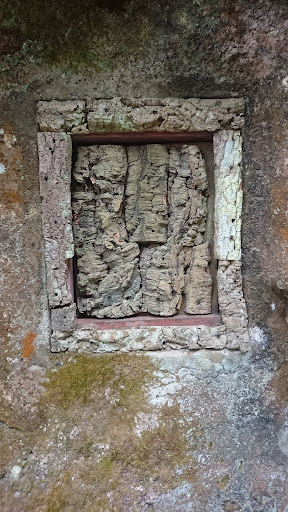
The Capuchos Convent, small in size and notable for the extreme poverty of its construction, is also known as the “Cork Convent”, given the extensive use of cork in the protection and decoration of its small spaces. Its rusticity and austerity are inseparable from the surrounding vegetation, in a total integration with nature, to the point of incorporating huge granite fragments in the construction.
The last will of a nobleman, of illustrious ancestry and brilliant military career in the East, promoted the construction of a Franciscan convent located in the heart of Sintra, in direct contact with nature and in accordance with a philosophy of extreme architectural and decorative detachment.
The Capuchos Convent was founded in 1560 by D. Álvaro de Castro, State Councilor of King D. Sebastião, named Santa Cruz da Serra de Sintra Convent, and handed over to arrogant Franciscan friars, as a result of the fulfillment of a vow from their father, D. João de Castro, fourth viceroy of India
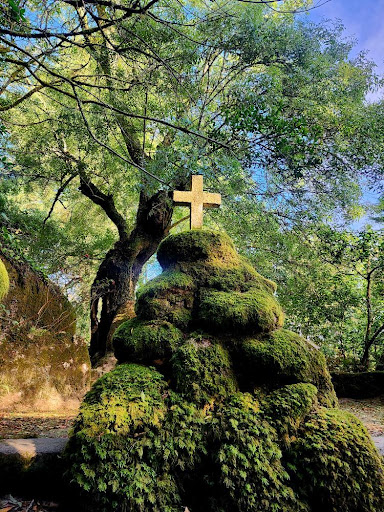
it materializes the ideals of the Order of St. Francis of Assisi: the pursuit of spiritual improvement through remoteness from the world and renunciation of associated pleasures. to earthly life. Small in size, the convent was built with respect for the harmony between human construction and pre-existing natural elements: divine construction. Its rusticity and austerity are inseparable from the surrounding vegetation, in a total integration with nature, to the point of incorporating huge granite fragments in the construction.
The forest surrounding the building was, for centuries, cherished and maintained by the religious who inhabited it, having survived the gradual deforestation of the Sintra mountains. It is thus a remarkable example of the primeval forest of the zone, whose floristic composition the visitor can identify in the proposed botanical route. Due to its rarity, state of conservation and the size of many specimens, this forest represents a significant natural value that must be safeguarded.
smallness of the spaces, corridors and doors of the convent, the humility that is felt in the intimacy and the strip of the place, the dimness of the daily life of these religious and the beautiful views of this part of the mountain of Sintra that can be seen there, are unique experiences. that have impressed all those who have been there for centuries.
In 1581, Philip I of Portugal (II of Spain) visited the hermitage and, at that time, made the famous claim that in all his kingdoms, the two places he most liked were the Escorial, for its wealth, and the Capuchin Convent for its poverty:
Of all the kingdoms, there are places that I cherish, the Escorial by the rich and the Convent of Santa Cruz by the poor .
Abandoned in 1834, with the extinction of the religious orders that the liberal regime determined, it was acquired in 1873 by Francis Cook, first Viscount of Monserrate, and in 1949, by the Portuguese State.
The Capuchin Convent is part of the Cultural Landscape of Sintra, classified by UNESCO as a World Heritage...
Read more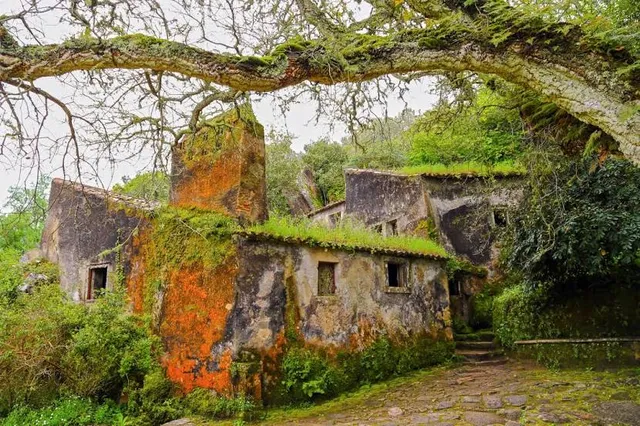


 Learn more insights from Wanderboat AI.