HTML SitemapExplore

Lighthouse of the Town of Sagres — Attraction in Vila do Bispo

Name
Lighthouse of the Town of Sagres
Description
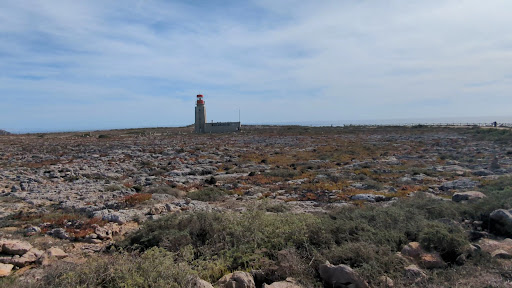
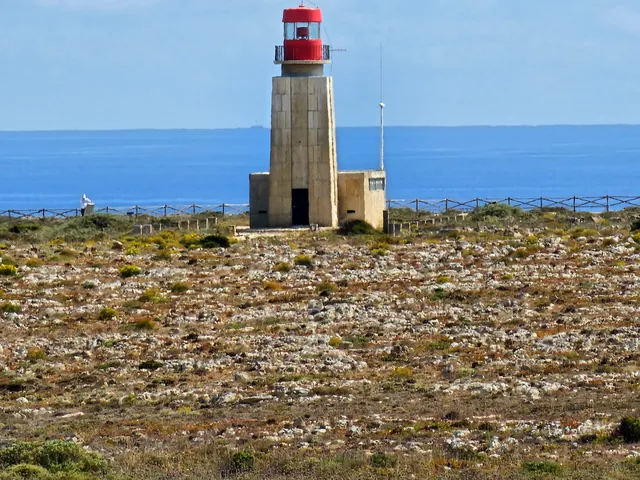
The Lighthouse of Ponta de Sagres, is beacon/lighthouse located along the coastal peninsula of Sagres Point in the civil parish of Sagres, in the Portuguese municipality of the Vila do Bispo.
Nearby attractions
Sagres Fortress
R. da Fortaleza 8650, 8650-360 Sagres, Portugal
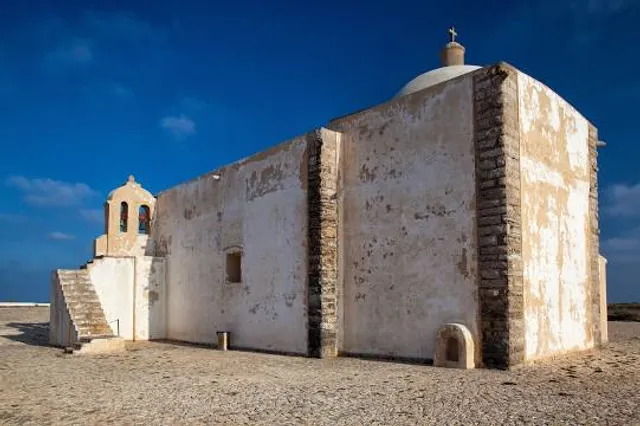
Igreja de Nossa Senhora da Graça
360, R. da Fortaleza 8650, 8650-360 Sagres, Portugal
Nearby restaurants
Nearby hotels
Related posts
Keywords
Lighthouse of the Town of Sagres tourism.Lighthouse of the Town of Sagres hotels.Lighthouse of the Town of Sagres bed and breakfast. flights to Lighthouse of the Town of Sagres.Lighthouse of the Town of Sagres attractions.Lighthouse of the Town of Sagres restaurants.Lighthouse of the Town of Sagres travel.Lighthouse of the Town of Sagres travel guide.Lighthouse of the Town of Sagres travel blog.Lighthouse of the Town of Sagres pictures.Lighthouse of the Town of Sagres photos.Lighthouse of the Town of Sagres travel tips.Lighthouse of the Town of Sagres maps.Lighthouse of the Town of Sagres things to do.
Lighthouse of the Town of Sagres things to do, attractions, restaurants, events info and trip planning
Lighthouse of the Town of Sagres
PortugalVila do BispoLighthouse of the Town of Sagres

Basic Info

Lighthouse of the Town of Sagres

R. da Fortaleza 8650, 8650-360 Sagres, Portugal
4.6(776)
Open 24 hours
Save
spot

Ratings & Description

Info

The Lighthouse of Ponta de Sagres, is beacon/lighthouse located along the coastal peninsula of Sagres Point in the civil parish of Sagres, in the Portuguese municipality of the Vila do Bispo.

Scenic
Outdoor
Cultural
attractions: Sagres Fortress, Igreja de Nossa Senhora da Graça, restaurants:
logoLearn more insights from Wanderboat AI.

Plan your stay

hotel
Pet-friendly Hotels in Vila do Bispo
Find a cozy hotel nearby and make it a full experience.
hotel
Affordable Hotels in Vila do Bispo
Find a cozy hotel nearby and make it a full experience.
hotel
The Coolest Hotels You Haven't Heard Of (Yet)
Find a cozy hotel nearby and make it a full experience.
hotel
Trending Stays Worth the Hype in Vila do Bispo
Find a cozy hotel nearby and make it a full experience.

Reviews

Nearby attractions of Lighthouse of the Town of Sagres

Sagres Fortress

Igreja de Nossa Senhora da Graça

Sagres Fortress

Sagres Fortress

4.4

(8.1K)

Open 24 hours
Click for details
Igreja de Nossa Senhora da Graça

Igreja de Nossa Senhora da Graça

4.3

(702)

Closed
Click for details

Things to do nearby

Hidden Sites & Bites
discover Lagos
Hidden Sites & Bites discover Lagos
Sun, Jan 11 • 9:00 AM
8600-607, Lagos, Portugal
View details
Encounter the Ponta da Piedade Caves by boat
Sun, Jan 11 • 9:30 AM
8600-315, Lagos, Portugal
View details
Descubre las cuevas de Ponta da Piedade
Sun, Jan 11 • 10:00 AM
8600-302, Lagos, Portugal
View details
Get the Appoverlay
Get the AppOne tap to find yournext favorite spots!
Wanderboat LogoWanderboat

Your everyday Al companion for getaway ideas

CompanyAbout Us
InformationAI Trip PlannerSitemap
SocialXInstagramTiktokLinkedin
LegalTerms of ServicePrivacy Policy

Get the app

© 2025 Wanderboat. All rights reserved.

Reviews of Lighthouse of the Town of Sagres

4.6
(776)
avatar
5.0
1y

I recently visited the Farol de Sagres, and let me tell you, my experience was nothing short of a catastrophic letdown. As a self-proclaimed lighthouse enthusiast, I had high hopes for this maritime marvel, but it turned out to be more of a maritime farce!

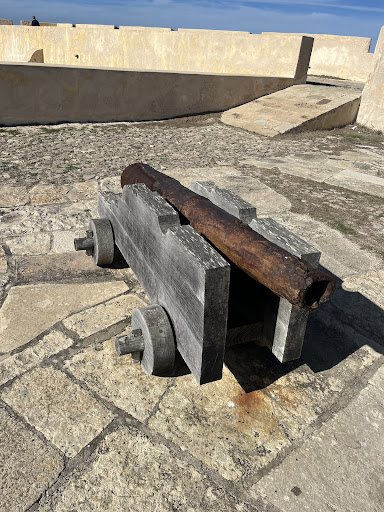
First off, let's talk about the cannons. Yes, you heard that right: cannons! The Farol de Sagres boasts an impressive array of cannons supposedly installed for signaling and defense. I imagined myself standing on the rocky outcrop, surrounded by the salty sea breeze, firing a cannon in a grand display of nautical heritage. Instead, I found a row of rusty, non-functioning relics that looked like they had been plucked straight from the bottom of a pirate’s grave. I mean, what kind of lighthouse doesn’t have working cannons? Isn’t that the whole point?

To add insult to injury, I attempted to ignite one of the cannons for a photo op, only to be met with a puff of dust and the disdain of a nearby seagull. The seagull seemed to mock me, as if it knew the cannons hadn’t fired since the last century. I left the lighthouse with a deep sense of betrayal. How can you call yourself a lighthouse if you can't even shoot a cannon?

As for the actual lighthouse structure, it was just as disappointing. The paint was peeling like an old sunburn, and the light at the top barely flickered, resembling more of a sad glow than a beacon of hope. I half-expected it to start playing a sad tune like a broken music box, lamenting the wasted potential of its...

   Read more
avatar
5.0
3y

“A primeira estrutura de apoio à navegação naquele local foi um farolim provisório, instalado em Março de 1894, por ocasião das comemorações do quinto centenário do Infante D. Henrique. Segundo o periódico O Progresso do Sul de 11 de Março, foi construído a pedido da comissão responsável pela organização dos festejos, cumprindo assim uma petição da Câmara Municipal de Vila do Bispo. O aparelho terá entrado em funcionamento no dia 4 de Março.

Porém, a luz de resguardo da Ponta de Sagres começou logo desde o seu primeiro acendimento e pelo seu diminuto alcance a provocar justos reparos e reclamações da numerosa navegação que ali passava. Muito mais avançado para o sul e tendo menos trinta metros de altitude que o Cabo de São Vicente, não era com uma luz de três milhas de alcance luminoso que se devia ter assinalado o promontório de Sagres.

O Aviso aos Navegantes N.º 3 de 3 de Março de 1894 indica que a luz é fixa vermelha, com um alcance de cinco milhas, utilizando um candeeiro a petróleo. Em 28 de Novembro de 1906 o aparelho de luz foi substituído por outro de maior alcance. O aparelho é de luz fixa vermelha, de horizonte, com candeeiro de duas torcidas e 12 milhas de alcance luminoso. Em 30 de Junho de 1923 começou a funcionar o novo farol de Sagres.

O edifício constava de uma torre quadrangular de alvenaria branca, com anexos de um só pavimento, para habitação de faroleiros e depósito de material. A torre media 5,5 metros de altura, desde o terreno até à aresta superior da cornija. A fonte luminosa é um candeeiro de nível constante. A rotação da óptica era produzida através de um mecanismo de relojoaria e o alcance luminoso é de 14 milhas.

A 1 de Abril de 1960 começou a funcionar o novo farol de Sagres (3.ª torre), cuja construção foi orçada em 146.890$00 (€ 733,00), tendo sido demolido o anterior.

O farol foi electrificado e automatizado em Agosto de 1983, ficando a ser monitorizado a partir do farol de São Vicente, deixando de estar guarnecido de...

   Read more
avatar
5.0
45w

Assuming you are already visiting the fortess and are walking around its beautiful surroundings, the pilgrimage to this small (13m tall), but important lighthouse is a must, as its one of the principal attractions of the southern section of the fortress. The lighthouse itself is not accessible but you can stroll around it, admire the marble cladding and its distinctive red cupola housing the lantern room. The lighthouse also offers various photo opportunities for your creative...

   Read more
Page 1 of 7
Previous
Next

Posts

Ben OnofrioBen Onofrio
I recently visited the Farol de Sagres, and let me tell you, my experience was nothing short of a catastrophic letdown. As a self-proclaimed lighthouse enthusiast, I had high hopes for this maritime marvel, but it turned out to be more of a maritime farce! First off, let's talk about the cannons. Yes, you heard that right: cannons! The Farol de Sagres boasts an impressive array of cannons supposedly installed for signaling and defense. I imagined myself standing on the rocky outcrop, surrounded by the salty sea breeze, firing a cannon in a grand display of nautical heritage. Instead, I found a row of rusty, non-functioning relics that looked like they had been plucked straight from the bottom of a pirate’s grave. I mean, what kind of lighthouse doesn’t have working cannons? Isn’t that the whole point? To add insult to injury, I attempted to ignite one of the cannons for a photo op, only to be met with a puff of dust and the disdain of a nearby seagull. The seagull seemed to mock me, as if it knew the cannons hadn’t fired since the last century. I left the lighthouse with a deep sense of betrayal. How can you call yourself a lighthouse if you can't even shoot a cannon? As for the actual lighthouse structure, it was just as disappointing. The paint was peeling like an old sunburn, and the light at the top barely flickered, resembling more of a sad glow than a beacon of hope. I half-expected it to start playing a sad tune like a broken music box, lamenting the wasted potential of its once-proud existence.
Oliver RodriguesOliver Rodrigues
“A primeira estrutura de apoio à navegação naquele local foi um farolim provisório, instalado em Março de 1894, por ocasião das comemorações do quinto centenário do Infante D. Henrique. Segundo o periódico O Progresso do Sul de 11 de Março, foi construído a pedido da comissão responsável pela organização dos festejos, cumprindo assim uma petição da Câmara Municipal de Vila do Bispo. O aparelho terá entrado em funcionamento no dia 4 de Março. Porém, a luz de resguardo da Ponta de Sagres começou logo desde o seu primeiro acendimento e pelo seu diminuto alcance a provocar justos reparos e reclamações da numerosa navegação que ali passava. Muito mais avançado para o sul e tendo menos trinta metros de altitude que o Cabo de São Vicente, não era com uma luz de três milhas de alcance luminoso que se devia ter assinalado o promontório de Sagres. O Aviso aos Navegantes N.º 3 de 3 de Março de 1894 indica que a luz é fixa vermelha, com um alcance de cinco milhas, utilizando um candeeiro a petróleo. Em 28 de Novembro de 1906 o aparelho de luz foi substituído por outro de maior alcance. O aparelho é de luz fixa vermelha, de horizonte, com candeeiro de duas torcidas e 12 milhas de alcance luminoso. Em 30 de Junho de 1923 começou a funcionar o novo farol de Sagres. O edifício constava de uma torre quadrangular de alvenaria branca, com anexos de um só pavimento, para habitação de faroleiros e depósito de material. A torre media 5,5 metros de altura, desde o terreno até à aresta superior da cornija. A fonte luminosa é um candeeiro de nível constante. A rotação da óptica era produzida através de um mecanismo de relojoaria e o alcance luminoso é de 14 milhas. A 1 de Abril de 1960 começou a funcionar o novo farol de Sagres (3.ª torre), cuja construção foi orçada em 146.890$00 (€ 733,00), tendo sido demolido o anterior. O farol foi electrificado e automatizado em Agosto de 1983, ficando a ser monitorizado a partir do farol de São Vicente, deixando de estar guarnecido de faroleiros.”
Andrej MichalAndrej Michal
Assuming you are already visiting the fortess and are walking around its beautiful surroundings, the pilgrimage to this small (13m tall), but important lighthouse is a must, as its one of the principal attractions of the southern section of the fortress. The lighthouse itself is not accessible but you can stroll around it, admire the marble cladding and its distinctive red cupola housing the lantern room. The lighthouse also offers various photo opportunities for your creative spirit to shine.
See more posts
See more posts
hotel
Find your stay

Pet-friendly Hotels in Vila do Bispo

Find a cozy hotel nearby and make it a full experience.

I recently visited the Farol de Sagres, and let me tell you, my experience was nothing short of a catastrophic letdown. As a self-proclaimed lighthouse enthusiast, I had high hopes for this maritime marvel, but it turned out to be more of a maritime farce! First off, let's talk about the cannons. Yes, you heard that right: cannons! The Farol de Sagres boasts an impressive array of cannons supposedly installed for signaling and defense. I imagined myself standing on the rocky outcrop, surrounded by the salty sea breeze, firing a cannon in a grand display of nautical heritage. Instead, I found a row of rusty, non-functioning relics that looked like they had been plucked straight from the bottom of a pirate’s grave. I mean, what kind of lighthouse doesn’t have working cannons? Isn’t that the whole point? To add insult to injury, I attempted to ignite one of the cannons for a photo op, only to be met with a puff of dust and the disdain of a nearby seagull. The seagull seemed to mock me, as if it knew the cannons hadn’t fired since the last century. I left the lighthouse with a deep sense of betrayal. How can you call yourself a lighthouse if you can't even shoot a cannon? As for the actual lighthouse structure, it was just as disappointing. The paint was peeling like an old sunburn, and the light at the top barely flickered, resembling more of a sad glow than a beacon of hope. I half-expected it to start playing a sad tune like a broken music box, lamenting the wasted potential of its once-proud existence.
Ben Onofrio

Ben Onofrio

hotel
Find your stay

Affordable Hotels in Vila do Bispo

Find a cozy hotel nearby and make it a full experience.

Get the Appoverlay
Get the AppOne tap to find yournext favorite spots!
“A primeira estrutura de apoio à navegação naquele local foi um farolim provisório, instalado em Março de 1894, por ocasião das comemorações do quinto centenário do Infante D. Henrique. Segundo o periódico O Progresso do Sul de 11 de Março, foi construído a pedido da comissão responsável pela organização dos festejos, cumprindo assim uma petição da Câmara Municipal de Vila do Bispo. O aparelho terá entrado em funcionamento no dia 4 de Março. Porém, a luz de resguardo da Ponta de Sagres começou logo desde o seu primeiro acendimento e pelo seu diminuto alcance a provocar justos reparos e reclamações da numerosa navegação que ali passava. Muito mais avançado para o sul e tendo menos trinta metros de altitude que o Cabo de São Vicente, não era com uma luz de três milhas de alcance luminoso que se devia ter assinalado o promontório de Sagres. O Aviso aos Navegantes N.º 3 de 3 de Março de 1894 indica que a luz é fixa vermelha, com um alcance de cinco milhas, utilizando um candeeiro a petróleo. Em 28 de Novembro de 1906 o aparelho de luz foi substituído por outro de maior alcance. O aparelho é de luz fixa vermelha, de horizonte, com candeeiro de duas torcidas e 12 milhas de alcance luminoso. Em 30 de Junho de 1923 começou a funcionar o novo farol de Sagres. O edifício constava de uma torre quadrangular de alvenaria branca, com anexos de um só pavimento, para habitação de faroleiros e depósito de material. A torre media 5,5 metros de altura, desde o terreno até à aresta superior da cornija. A fonte luminosa é um candeeiro de nível constante. A rotação da óptica era produzida através de um mecanismo de relojoaria e o alcance luminoso é de 14 milhas. A 1 de Abril de 1960 começou a funcionar o novo farol de Sagres (3.ª torre), cuja construção foi orçada em 146.890$00 (€ 733,00), tendo sido demolido o anterior. O farol foi electrificado e automatizado em Agosto de 1983, ficando a ser monitorizado a partir do farol de São Vicente, deixando de estar guarnecido de faroleiros.”
Oliver Rodrigues

Oliver Rodrigues

hotel
Find your stay

The Coolest Hotels You Haven't Heard Of (Yet)

Find a cozy hotel nearby and make it a full experience.

hotel
Find your stay

Trending Stays Worth the Hype in Vila do Bispo

Find a cozy hotel nearby and make it a full experience.

Assuming you are already visiting the fortess and are walking around its beautiful surroundings, the pilgrimage to this small (13m tall), but important lighthouse is a must, as its one of the principal attractions of the southern section of the fortress. The lighthouse itself is not accessible but you can stroll around it, admire the marble cladding and its distinctive red cupola housing the lantern room. The lighthouse also offers various photo opportunities for your creative spirit to shine.
Andrej Michal

Andrej Michal

See more posts
See more posts