HTML SitemapExplore
logo
Find Things to DoFind The Best Restaurants

Al Zubara Fort — Attraction in Ash Shamal

Name
Al Zubara Fort
Description
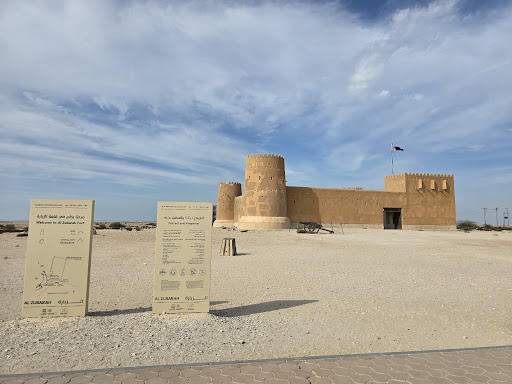
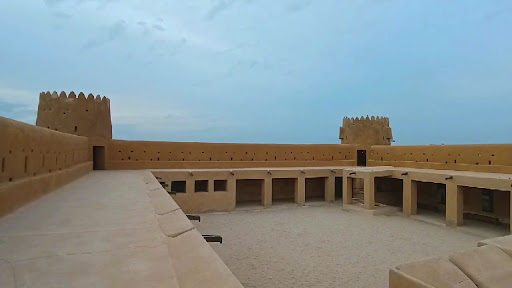
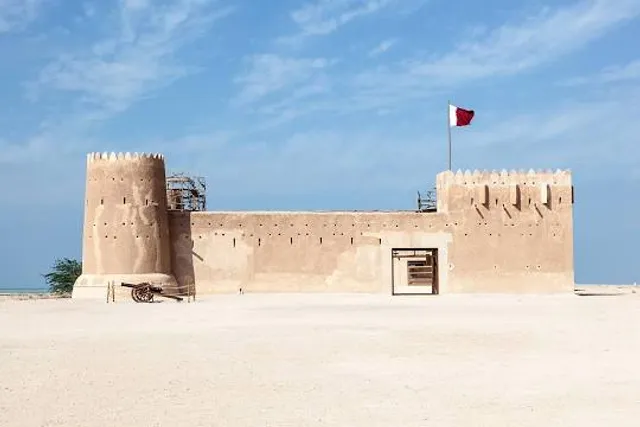
Al Zubara Fort, also known as Fort Zubara, Zubara Fort, Al Zubarah Fort, or Az Zubara Fort, is a historic Qatari military fortress built under the oversight of Sheikh Abdullah bin Jassim Al Thani in 1938.
Nearby attractions
Nearby restaurants
Nearby hotels
Related posts
Keywords
Al Zubara Fort tourism.Al Zubara Fort hotels.Al Zubara Fort bed and breakfast. flights to Al Zubara Fort.Al Zubara Fort attractions.Al Zubara Fort restaurants.Al Zubara Fort travel.Al Zubara Fort travel guide.Al Zubara Fort travel blog.Al Zubara Fort pictures.Al Zubara Fort photos.Al Zubara Fort travel tips.Al Zubara Fort maps.Al Zubara Fort things to do.
Al Zubara Fort things to do, attractions, restaurants, events info and trip planning
Al Zubara Fort
QatarAsh ShamalAl Zubara Fort

Basic Info

Al Zubara Fort

Al Zubara Fort, Qatar
4.4(873)
Open 24 hours
Save
spot

Ratings & Description

Info

Al Zubara Fort, also known as Fort Zubara, Zubara Fort, Al Zubarah Fort, or Az Zubara Fort, is a historic Qatari military fortress built under the oversight of Sheikh Abdullah bin Jassim Al Thani in 1938.

Cultural
Scenic
Family friendly
attractions: , restaurants:
logoLearn more insights from Wanderboat AI.

Plan your stay

hotel
Pet-friendly Hotels in Ash Shamal
Find a cozy hotel nearby and make it a full experience.
hotel
Affordable Hotels in Ash Shamal
Find a cozy hotel nearby and make it a full experience.
hotel
The Coolest Hotels You Haven't Heard Of (Yet)
Find a cozy hotel nearby and make it a full experience.
hotel
Trending Stays Worth the Hype in Ash Shamal
Find a cozy hotel nearby and make it a full experience.

Reviews

Get the Appoverlay
Get the AppOne tap to find yournext favorite spots!
Wanderboat LogoWanderboat

Your everyday Al companion for getaway ideas

CompanyAbout Us
InformationAI Trip PlannerSitemap
SocialXInstagramTiktokLinkedin
LegalTerms of ServicePrivacy Policy

Get the app

© 2025 Wanderboat. All rights reserved.
logo

Reviews of Al Zubara Fort

4.4
(873)
avatar
4.0
37w

A Hidden Gem Steeped in History

Al Zubara Fort is a captivating step into Qatar’s rich cultural past. Tucked away on the country’s northwestern coast, this UNESCO World Heritage Site offers a peaceful escape from the bustling city and a deep dive into the region’s fascinating heritage.

The fort itself is beautifully preserved—its thick sandstone walls, traditional Qatari towers, and arched doorways make it feel like you've walked straight into a story from the past. Originally built in 1938 for military use, it now serves as a museum, featuring displays of pottery, tools, and archaeological discoveries that paint a vivid picture of life in the historic town of Al Zubara, once a busy pearling and trading port.

Beyond the fort walls lies a vast archaeological site, partially excavated, that adds a mysterious and almost magical atmosphere to the visit. Quiet and expansive, the area offers space for reflection, exploration, and some stunning photo opportunities.

The site is well-organized with informative signage in both English and Arabic. The staff are friendly and happy to share insights if you’re curious. It’s about an hour and a half from Doha, making it an ideal day trip for history lovers, families, or curious travelers.

Pro tip: Visit around late afternoon to avoid the midday heat and catch the golden sunset over the desert—an unforgettable view.

If you're looking to experience the soul of Qatar beyond the skyscrapers, Al Zubara Fort is an...

   Read more
avatar
5.0
43w

For those interested in history and culture, "Al Zubara Fort" is a must-see. A two-hour journey from Doha's gleaming cityscape, in the northwest desert of Qatar, Al Zubara Fort is a stoic reminder of the country's rich pre-oil past. The 20th-century fort and the surrounding ancient ruins, which have been recognised as a UNESCO World Heritage Site since 2013, provide an enthralling look into the area's former status as a bustling pearl-diving and trading powerhouse.

Sheikh Abdullah bin Jassim Al Thani constructed the fort in 1938 as a military outpost and coastline guardian. Its massive rectangular shape, featuring four corner watchtowers and tall walls, is a prime example of traditional defence architecture in Qatar. Restored in the 1980s, the fort now houses a museum showcasing artifacts unearthed from the adjacent Al Zubarah archaeological site. Exhibits include ancient pottery, intricate jewellery, pearl-diving tools, and coins, painting a vivid picture of 18th–19th-century life in the once-prosperous town.

Open Saturday through Thursday (8 AM–6 PM) and Friday (3–9 PM); admission is free. To avoid the midday heat, go in the early morning or late afternoon. The calm ambience is ideal for photography, and the earthy tones of the fort are accentuated by golden light. Basic facilities like parking and restrooms are available, but there isn't much shade, so pack drink,...

   Read more
avatar
5.0
48w

Al Zubarah Fort is a striking historical landmark that offers visitors a glimpse into Qatar's rich cultural and architectural heritage. Located approximately 105 kilometers northwest of Doha, this UNESCO World Heritage Site is a must-visit for history enthusiasts and travelers interested in understanding Qatar’s past.

Built in 1938 during the reign of Sheikh Abdullah bin Jassim Al Thani, the fort was initially constructed as a military outpost to protect the coastal town of Al Zubarah. Today, it stands as an iconic symbol of the region's historical significance and is a well-preserved example of traditional Arabian fort architecture. Its square design, with sturdy walls, circular corner towers, and distinctive crenellations, evokes a sense of strength and resilience.

Inside the fort, visitors can explore a small but informative museum that showcases artifacts, maps, and exhibits related to the once-thriving pearl trading town of Al Zubarah. The surrounding archaeological site is equally captivating, with ruins of merchant houses, mosques, and a fortified wall, reflecting the town's former prosperity.

The serene desert setting enhances the fort's allure, making it a perfect spot for photography. Al Zubarah Fort is more than a historical site; it is a testament to Qatar’s evolution and cultural pride, leaving visitors with a profound appreciation for...

   Read more
Page 1 of 7
Previous
Next

Posts

Agha Syed Mansoor-ul-Hassan Azeemi (Aap ka Dost)Agha Syed Mansoor-ul-Hassan Azeemi (Aap ka Dost)
For those interested in history and culture, "Al Zubara Fort" is a must-see. A two-hour journey from Doha's gleaming cityscape, in the northwest desert of Qatar, Al Zubara Fort is a stoic reminder of the country's rich pre-oil past. The 20th-century fort and the surrounding ancient ruins, which have been recognised as a UNESCO World Heritage Site since 2013, provide an enthralling look into the area's former status as a bustling pearl-diving and trading powerhouse. Sheikh Abdullah bin Jassim Al Thani constructed the fort in 1938 as a military outpost and coastline guardian. Its massive rectangular shape, featuring four corner watchtowers and tall walls, is a prime example of traditional defence architecture in Qatar. Restored in the 1980s, the fort now houses a museum showcasing artifacts unearthed from the adjacent Al Zubarah archaeological site. Exhibits include ancient pottery, intricate jewellery, pearl-diving tools, and coins, painting a vivid picture of 18th–19th-century life in the once-prosperous town. Open Saturday through Thursday (8 AM–6 PM) and Friday (3–9 PM); admission is free. To avoid the midday heat, go in the early morning or late afternoon. The calm ambience is ideal for photography, and the earthy tones of the fort are accentuated by golden light. Basic facilities like parking and restrooms are available, but there isn't much shade, so pack drink, sunscreen, and a hat.
Safal ShaSafal Sha
Al Zubarah Fort is a striking historical landmark that offers visitors a glimpse into Qatar's rich cultural and architectural heritage. Located approximately 105 kilometers northwest of Doha, this UNESCO World Heritage Site is a must-visit for history enthusiasts and travelers interested in understanding Qatar’s past. Built in 1938 during the reign of Sheikh Abdullah bin Jassim Al Thani, the fort was initially constructed as a military outpost to protect the coastal town of Al Zubarah. Today, it stands as an iconic symbol of the region's historical significance and is a well-preserved example of traditional Arabian fort architecture. Its square design, with sturdy walls, circular corner towers, and distinctive crenellations, evokes a sense of strength and resilience. Inside the fort, visitors can explore a small but informative museum that showcases artifacts, maps, and exhibits related to the once-thriving pearl trading town of Al Zubarah. The surrounding archaeological site is equally captivating, with ruins of merchant houses, mosques, and a fortified wall, reflecting the town's former prosperity. The serene desert setting enhances the fort's allure, making it a perfect spot for photography. Al Zubarah Fort is more than a historical site; it is a testament to Qatar’s evolution and cultural pride, leaving visitors with a profound appreciation for its heritage.
LusikLusik
История Катара достаточно древняя и эта территория упоминается еще Плинием. В 6 в. до н.э. Катаром и окрестными территориями завладело Персидское государство. В 7 в. в районе распространился ислам, и Катар вошел в состав Арабского халифата. В результате распада халифата в конце 10 в. возникло исмаилитское государство карматов со столицей в Бахрейне, но уже в 11 в. и оно пало. В 1510-х Катаром завладели португальцы, однако в 1536 они были изгнаны турецким флотом. История современного Катара начинается в 1970-ые годы. Сегодня — это монархия и одно из самых богатых государств мира. Являясь объектом охраны ЮНЕСКО с 2013 г., крепость отреставрирована и выглядит безупречно. Катарцы помнят и ценят свою историю, и даже гордятся ею. Приятно посетить это ухоженное место, пропитанное духом прошлого. Здесь открыт музей, экспонаты которого приоткроют завесу тайны с тех времен, когда Катар еще не был богатейшей державой мира. Туристы увидят уникальные артефакты: изделия из керамики; весы, которые использовали ловцы жемчуга; картины, изображающие традиционные лодки доу; ловушки для рыбы. Помимо самой крепости, путешественники смогут посмотреть на обширный археологический сайт, раскинувшийся позади крепости – площадь древнего города достигает 400 га! Интересным экспонатом, который можно увидеть здесь, является древний колодец. Когда-то он был источником чистой пресной воды, но давно высох. Выкопан он вручную в твердом известняке. По данным ЮНЕСКО, Аль-Зубара представляла собой длинную цепь процветающих торговых городов, расположенных вдоль побережья, которое находится на территории современного Катара. «Аль-Зубара является уникальным образцом того, как жители этого региона взаимодействовали с морем и суровой пустыней. Такие артефакты, как весы ловцов жемчуга, завезенные керамические изделия, изображения лодок доу, ловушки для рыбы, колодцы и сельскохозяйственная утварь, помогают понять, как менялся город под влиянием торговли и насколько сильно жизнь местного населения определялась водными ресурсами и пустынным климатом», — говорится в материалах ЮНЕСКО. Этот форт 20-го века, расположенный рядом с обнесенным стеной прибрежным городом Аль-Зубара, является самым молодым и наиболее заметным объектом археологических раскопок Аль-Зубара, внесенных в список Всемирного наследия ЮНЕСКО. Нетронутый пример типичного арабского форта, его стены толщиной в один метр защищали от захватчиков и помогали сохранять прохладу в комнатах жарким летом. На этом важном месте находятся жилые дворцы, мечети, дворовые дома, рыбацкие хижины, улицы, двойные оборонительные стены, гавань, канал и кладбища. Форт возвышается над руинами некогда оживленного торгово-жемчужного города, ставшего свидетелем ожесточенных межплеменных сражений в 18 веке, когда могущественные империи боролись за господство в регионе. Сегодня форт превратился в музей, где посетители могут исследовать артефакты эпохи ловли жемчуга. Расположенный рядом с Аль-Зубарой, Калат Мурайр был стратегически важным местом, обеспечивающим легкий доступ для лодок для торговли и сбора воды вдоль его канала, остатки которого видны и сегодня. Калат-Мурайр - большой прямоугольный корпус с четырьмя угловыми башнями, в котором изначально были жилые постройки, мечеть, цистерны и большие колодцы, - и форт оставался занятым до строительства нового форта Аль-Зубара в 1938 году. Посетители могут увидеть такие предметы, как оригинальные кастрюли и сковородки, гири для дайвинга, которые использовались ныряльщиками за жемчугом, пушечные ядра, глиняные трубки и даже монеты. Сильно укрепленный город Аль-Зубара пал перед войсками, верными султану Маската, в 1811 году. В 19 веке он превратился в шумное поселение, которое впоследствии стало началом современных государств Персидского залива. Когда-то процветающий торговый город, Аль-Зубара был заброшен в 20-м веке, с годами погребенный под песком. Сохраненный таким образом, он теперь является примером традиции торговли и добычи жемчуга в Персидском заливе, воплощая в жизнь положение региона как канала для торговли в 18-м и 19-м веках. Страна: Катар Курорт: Аль Зубар
See more posts
See more posts
hotel
Find your stay

Pet-friendly Hotels in Ash Shamal

Find a cozy hotel nearby and make it a full experience.

For those interested in history and culture, "Al Zubara Fort" is a must-see. A two-hour journey from Doha's gleaming cityscape, in the northwest desert of Qatar, Al Zubara Fort is a stoic reminder of the country's rich pre-oil past. The 20th-century fort and the surrounding ancient ruins, which have been recognised as a UNESCO World Heritage Site since 2013, provide an enthralling look into the area's former status as a bustling pearl-diving and trading powerhouse. Sheikh Abdullah bin Jassim Al Thani constructed the fort in 1938 as a military outpost and coastline guardian. Its massive rectangular shape, featuring four corner watchtowers and tall walls, is a prime example of traditional defence architecture in Qatar. Restored in the 1980s, the fort now houses a museum showcasing artifacts unearthed from the adjacent Al Zubarah archaeological site. Exhibits include ancient pottery, intricate jewellery, pearl-diving tools, and coins, painting a vivid picture of 18th–19th-century life in the once-prosperous town. Open Saturday through Thursday (8 AM–6 PM) and Friday (3–9 PM); admission is free. To avoid the midday heat, go in the early morning or late afternoon. The calm ambience is ideal for photography, and the earthy tones of the fort are accentuated by golden light. Basic facilities like parking and restrooms are available, but there isn't much shade, so pack drink, sunscreen, and a hat.
Agha Syed Mansoor-ul-Hassan Azeemi (Aap ka Dost)

Agha Syed Mansoor-ul-Hassan Azeemi (Aap ka Dost)

hotel
Find your stay

Affordable Hotels in Ash Shamal

Find a cozy hotel nearby and make it a full experience.

Get the Appoverlay
Get the AppOne tap to find yournext favorite spots!
Al Zubarah Fort is a striking historical landmark that offers visitors a glimpse into Qatar's rich cultural and architectural heritage. Located approximately 105 kilometers northwest of Doha, this UNESCO World Heritage Site is a must-visit for history enthusiasts and travelers interested in understanding Qatar’s past. Built in 1938 during the reign of Sheikh Abdullah bin Jassim Al Thani, the fort was initially constructed as a military outpost to protect the coastal town of Al Zubarah. Today, it stands as an iconic symbol of the region's historical significance and is a well-preserved example of traditional Arabian fort architecture. Its square design, with sturdy walls, circular corner towers, and distinctive crenellations, evokes a sense of strength and resilience. Inside the fort, visitors can explore a small but informative museum that showcases artifacts, maps, and exhibits related to the once-thriving pearl trading town of Al Zubarah. The surrounding archaeological site is equally captivating, with ruins of merchant houses, mosques, and a fortified wall, reflecting the town's former prosperity. The serene desert setting enhances the fort's allure, making it a perfect spot for photography. Al Zubarah Fort is more than a historical site; it is a testament to Qatar’s evolution and cultural pride, leaving visitors with a profound appreciation for its heritage.
Safal Sha

Safal Sha

hotel
Find your stay

The Coolest Hotels You Haven't Heard Of (Yet)

Find a cozy hotel nearby and make it a full experience.

hotel
Find your stay

Trending Stays Worth the Hype in Ash Shamal

Find a cozy hotel nearby and make it a full experience.

История Катара достаточно древняя и эта территория упоминается еще Плинием. В 6 в. до н.э. Катаром и окрестными территориями завладело Персидское государство. В 7 в. в районе распространился ислам, и Катар вошел в состав Арабского халифата. В результате распада халифата в конце 10 в. возникло исмаилитское государство карматов со столицей в Бахрейне, но уже в 11 в. и оно пало. В 1510-х Катаром завладели португальцы, однако в 1536 они были изгнаны турецким флотом. История современного Катара начинается в 1970-ые годы. Сегодня — это монархия и одно из самых богатых государств мира. Являясь объектом охраны ЮНЕСКО с 2013 г., крепость отреставрирована и выглядит безупречно. Катарцы помнят и ценят свою историю, и даже гордятся ею. Приятно посетить это ухоженное место, пропитанное духом прошлого. Здесь открыт музей, экспонаты которого приоткроют завесу тайны с тех времен, когда Катар еще не был богатейшей державой мира. Туристы увидят уникальные артефакты: изделия из керамики; весы, которые использовали ловцы жемчуга; картины, изображающие традиционные лодки доу; ловушки для рыбы. Помимо самой крепости, путешественники смогут посмотреть на обширный археологический сайт, раскинувшийся позади крепости – площадь древнего города достигает 400 га! Интересным экспонатом, который можно увидеть здесь, является древний колодец. Когда-то он был источником чистой пресной воды, но давно высох. Выкопан он вручную в твердом известняке. По данным ЮНЕСКО, Аль-Зубара представляла собой длинную цепь процветающих торговых городов, расположенных вдоль побережья, которое находится на территории современного Катара. «Аль-Зубара является уникальным образцом того, как жители этого региона взаимодействовали с морем и суровой пустыней. Такие артефакты, как весы ловцов жемчуга, завезенные керамические изделия, изображения лодок доу, ловушки для рыбы, колодцы и сельскохозяйственная утварь, помогают понять, как менялся город под влиянием торговли и насколько сильно жизнь местного населения определялась водными ресурсами и пустынным климатом», — говорится в материалах ЮНЕСКО. Этот форт 20-го века, расположенный рядом с обнесенным стеной прибрежным городом Аль-Зубара, является самым молодым и наиболее заметным объектом археологических раскопок Аль-Зубара, внесенных в список Всемирного наследия ЮНЕСКО. Нетронутый пример типичного арабского форта, его стены толщиной в один метр защищали от захватчиков и помогали сохранять прохладу в комнатах жарким летом. На этом важном месте находятся жилые дворцы, мечети, дворовые дома, рыбацкие хижины, улицы, двойные оборонительные стены, гавань, канал и кладбища. Форт возвышается над руинами некогда оживленного торгово-жемчужного города, ставшего свидетелем ожесточенных межплеменных сражений в 18 веке, когда могущественные империи боролись за господство в регионе. Сегодня форт превратился в музей, где посетители могут исследовать артефакты эпохи ловли жемчуга. Расположенный рядом с Аль-Зубарой, Калат Мурайр был стратегически важным местом, обеспечивающим легкий доступ для лодок для торговли и сбора воды вдоль его канала, остатки которого видны и сегодня. Калат-Мурайр - большой прямоугольный корпус с четырьмя угловыми башнями, в котором изначально были жилые постройки, мечеть, цистерны и большие колодцы, - и форт оставался занятым до строительства нового форта Аль-Зубара в 1938 году. Посетители могут увидеть такие предметы, как оригинальные кастрюли и сковородки, гири для дайвинга, которые использовались ныряльщиками за жемчугом, пушечные ядра, глиняные трубки и даже монеты. Сильно укрепленный город Аль-Зубара пал перед войсками, верными султану Маската, в 1811 году. В 19 веке он превратился в шумное поселение, которое впоследствии стало началом современных государств Персидского залива. Когда-то процветающий торговый город, Аль-Зубара был заброшен в 20-м веке, с годами погребенный под песком. Сохраненный таким образом, он теперь является примером традиции торговли и добычи жемчуга в Персидском заливе, воплощая в жизнь положение региона как канала для торговли в 18-м и 19-м веках. Страна: Катар Курорт: Аль Зубар
Lusik

Lusik

See more posts
See more posts