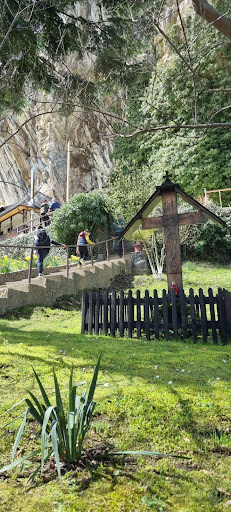
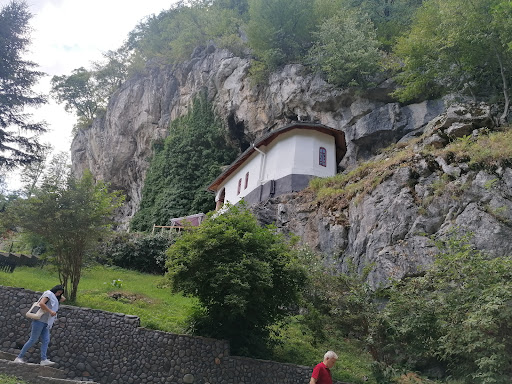
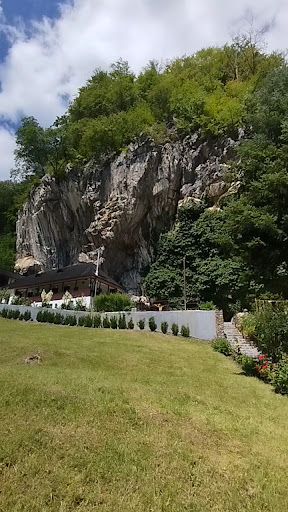
My visit to Schitul Pahomie was an incredibly serene and profound experience, leaving me with a deep sense of tranquility and spiritual renewal. Nestled amidst the picturesque landscapes of Romania, this monastery offers a sanctuary of peace and a connection to centuries of religious devotion.
As I approached Schitul Pahomie, the sight of the monastery emerging from the surrounding forest evoked a sense of reverence and awe. The beautifully crafted architecture, with its traditional elements and ornate detailing, exudes a timeless charm that immediately captures the heart.
Stepping inside the monastery, I was enveloped by a tranquil atmosphere that seemed to transcend time. The scent of incense filled the air as soft hymns echoed through the halls, creating a sacred ambiance that invited introspection and reflection. The gentle whispers of prayer and the rhythmic chanting of the monks added to the serenity of the space.
Exploring the grounds, I discovered serene courtyards adorned with blooming flowers and lush greenery. The peacefulness of the surroundings provided the perfect backdrop for contemplation and meditation. Walking along the pathways, I felt a profound connection to the natural world and a deep sense of harmony with my surroundings.
The monks of Schitul Pahomie embody a spirit of hospitality and warmth, offering a welcoming embrace to all visitors. Their genuine kindness and dedication to their spiritual practices are truly inspiring. Engaging in conversations with the monks provided insight into their way of life and a deeper understanding of the monastery's traditions.
Schitul Pahomie also offers a spiritual retreat for those seeking a more immersive experience. The monastery provides simple and comfortable accommodations, allowing visitors to fully immerse themselves in the spiritual atmosphere. Participating in the daily prayers, attending the church services, and witnessing the monastic rituals offer a profound glimpse into the monastic way of life.
Beyond the spiritual aspects, the monastery is surrounded by breathtaking natural beauty. The serene forests, rolling hills, and pristine streams create an idyllic setting for contemplative walks and moments of connection with nature. The simplicity and serenity of the environment truly enhance the spiritual experience.
It is important to approach Schitul Pahomie with respect and reverence, honoring the rules and customs of the monastery. Modest attire and a mindful demeanor are appreciated as a sign of reverence towards the spiritual practices and the monastic community.
For those seeking a spiritual retreat or simply a moment of respite from the hectic pace of life, Schitul Pahomie offers a haven of tranquility. It is a place where one can find solace, inner peace, and a deep connection to the divine. My visit to Schitul Pahomie was an unforgettable journey that left me with a renewed sense of purpose and a lasting...
Read moreIntrarea in smerita asezare monahala se face pe sub un turn-clopotnita varuit in alb. Potrivit unei vechi pisanii, intemeietorii schitului sihastresc sunt "Pahomie monahul si Sava Haiducul", care l-au zidit pe acesta in anul 1520, putin mai sus de Izvorul Frumos. Se stie ca "monahul Pahomie", mai inainte de calugarie numit Popa Postelnicu, a fost fiul lui Iordache Parscoveanu vel Stolnic, insa despre monahul "Sava haiducul" nu se stie nimic. Potrivit unei alte pisanii, se crede ca acest "monah Pahomie" a fost Barbu Craiovescu, ctitorul Manastirii Bistrita. Se crede ca Barbu Craiovescu ar fi zidit Schitul Pahomie prin anul 1509, drept multumire pentru faptul ca aici s-a ascuns si a scapat din calea lui Mihnea cel Rau, cel care, dupa ce ii daramase ctitoria de la Manastirea Bistrita, il cauta sa-l omoare. Alaturi de el a slujit zidirii schitului si capitanul Sava, numit "Sava haiducul" pentru pradarea unor bogati din zona, spre a face rost de hrana necesara celor ascunsi la "Izvorul Frumos". In actuala pisanie a bisericutei de sub stanca apare anul 1684; se crede insa ca in acest an a fost reparata si restaurata biserica. In anul 1684, Constantin vel Spatar (viitorul Sfant voievod Constantin Brancoveanu) repara Manastirea Bistrita si Schitul Pahomie, ambele fiind ctitorii ale boierilor Craiovesti, stramosii sai. Unii cred ca Barbu Craiovescu, calugarit Pahomie, ar fi zidit numai o bisericuta de lemn, in apropiere de Izvorul Frumos, iar Sfantul Constantin Brancoveanu ar fi zidit actuala biserica din piatra, de sub peretele de stanca. Pentru intarirea acestei ipoteze nu exista insa documente sau dovezi istorice. Shitul Pahomie, zidit in apropiere de "Izvorul Frumos", apare amintit intr-un document din anul 1793, semnat de Alexandru Moruzzi, prin care domnitorul tarii intareste sihastrilor de aici anumite scutiri de dari. Mai apoi, in anul 1798, domnitorul Constantin Hangherli intareste si el anumite danii schitului din Buila. In data de 17 decembrie 1824, cand "biserica se afla spre darapanare cu totul", schitul era metoc al Manastirii Iezer. Mai apoi, in anul 1880, schitul de sub stanca a fost insa complet parasit, biserica daramandu-se pana la jumatate, iar chiliile ruinandu-se definitiv. Abia in anul 1952 s-a recladit biserica schitului, in forma ei initiala (dupa trasaturile zidurilor ramase), si corpul de chilii. Schitul Pahomie a fost sfintit in data de 30 septembrie 1956, de catre episcopul Iosif al Ramnicului, fiind incredintat spre indrumare parintelui Veniamin, venit de...
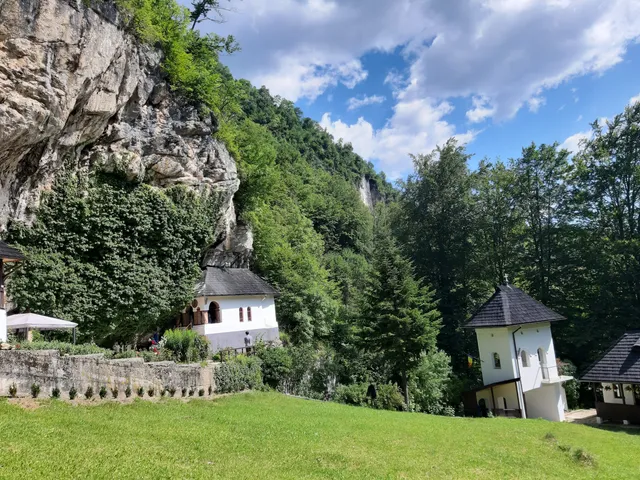
Read moreSchitul Pahomie este unul dintre cele mai izolate așezăminte monahale din Oltenia și din România, fiind construit în Munții Buila la circa 30km de Râmnicu Vâlcea și la 7km mai sus de Schitul Iezer prezentat anterior. Conform unei vechi pisanii, ctitorii sunt ”Pahomie monahul” și pe ”Sava haiducul” în anul 1520. Dintr-o altă pisanie se deduce că acel Pahomie ar putea fi chiar un boier din familia Craioveștilor, strămoș al Sfântului voievod Constantin Brâncoveanu care de altfel a și refăcut schitul în anul 1684. Oricum, de-a lungul veacurilor, Schitul Pahomie a trecut prin mai multe perioade de decădere, ruinare, abandonare și apoi reconstruire și repopulare cu călugări. Ultima perioadă de decădere a fost după 1960 când schitul a fost desființat în urma decretului comunist nr. 410/1959. Viața monahală s-a reluat în 1990, după căderea comunismului. Biserica schitului are hramul Sfântul Prooroc Ilie, este de foarte mici dimensiuni, având la intrare un pridvor deschis, iar interiorul (7 x 3 m) are numai altar și naos. Schitul este construit într-un cadru natural mirific, într-o poiană la baza unei mari stânci, de pe care curge în cascadă...
Read more