Bucharest hosts two types of visitors: people who go to the "Ferestroika" museum, and fools who miss out.
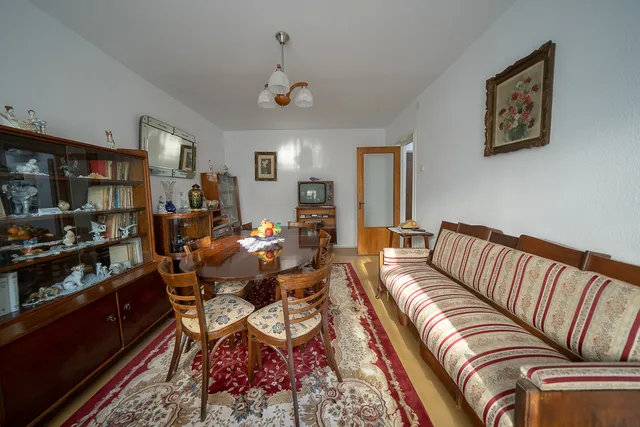
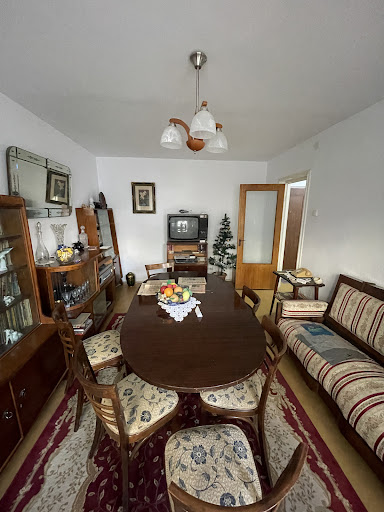
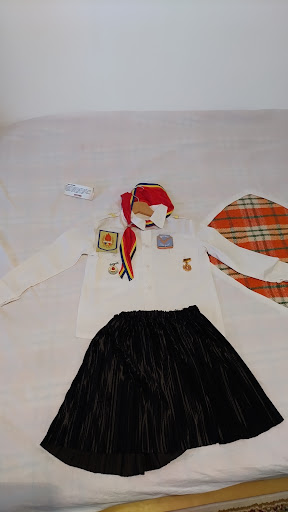
It is easy to forget how real history was experienced by the majority people who lived it; even traditional museums whose collections contain "everyday" items tend to do a poor job of conveying this reality. In my opinion, you need something more substantial, such as the flat at Ferestroika, to see it and hear about it in situ. I could tell you what's there and what I learned there, post my photos, but there would be no point: you need to go and see it, hear directly from someone who knows all about it.
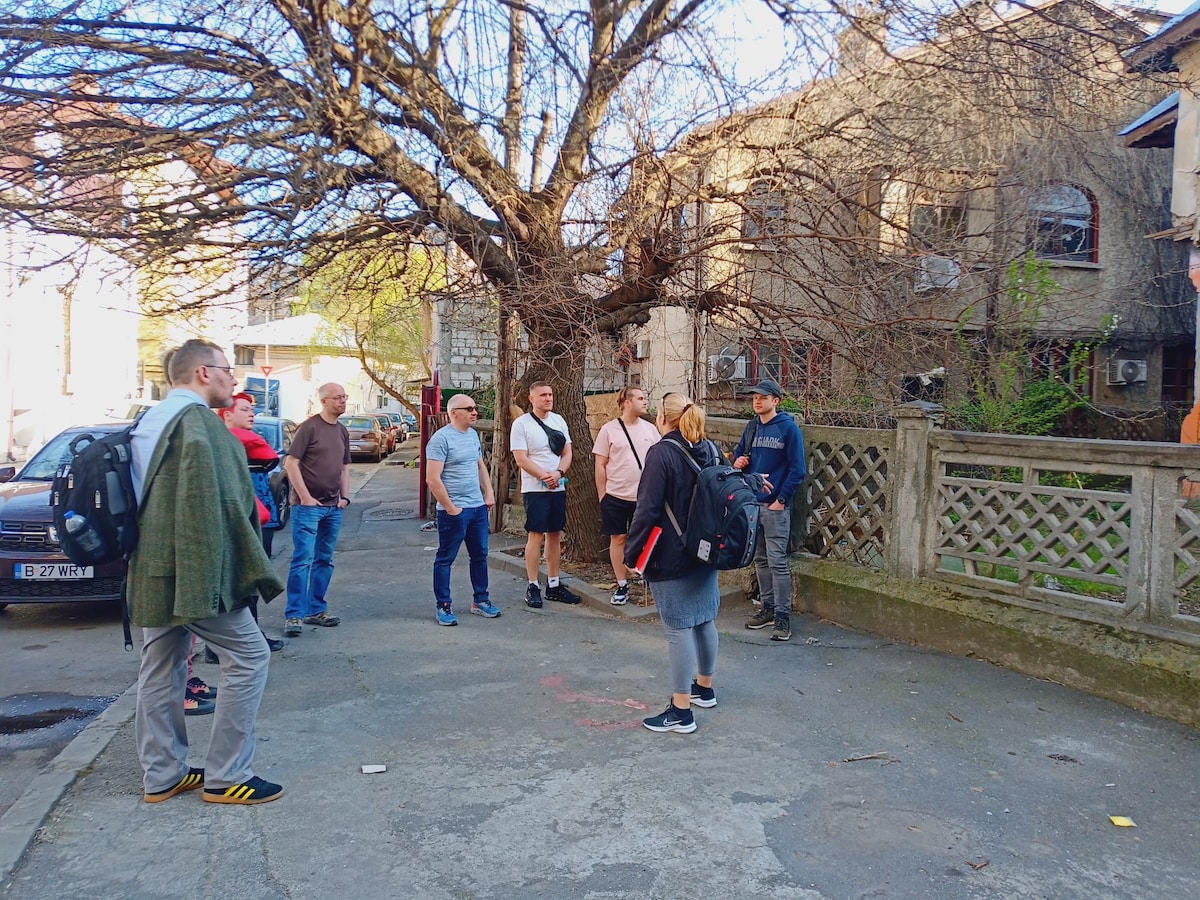
Our guide, Andra, was exceptional. Not only knowledgable about the period generally, she also told us personal stories about her childhood in the country as it recovered from the communist period, and of her parents' lives during it, to help us understand what the Romanian people went through under Ceausescu. She was interesting and I never lost focus once even though we overran quite a bit because of Andra's patience in answering all of our questions. And lastly she was a great conversationalist, happy to hear about our own experiences (as Brits) and whatever small similarities and differences we noticed as she showed us around.
What surprised and impressed me most was that this was really a museum about Bucharest today as it is about Bucharest in the 80s. I didn't expect that. When you understand exactly the cultural movements and motifs that existed in the communist regime, and how things developed from that, you can understand a lot more about Romania's present; cultural history isn't a series of distinct, solid periods, but a fluid. Again, I have to credit the guide for teaching us about those things and explaining as much about the present day as the past.
Go here. Cancel your plans to go to whatever gallery or museum you were going to do before you found out about...
Read moreThis is a great experience. I don’t consider this solely as a museum because it doesn’t merely contain objects no longer in use. I went to Ferestroika unannounced. I should’ve given the team more time to prepare. I messaged them a few minutes earlier and called to announce that I was on-site.
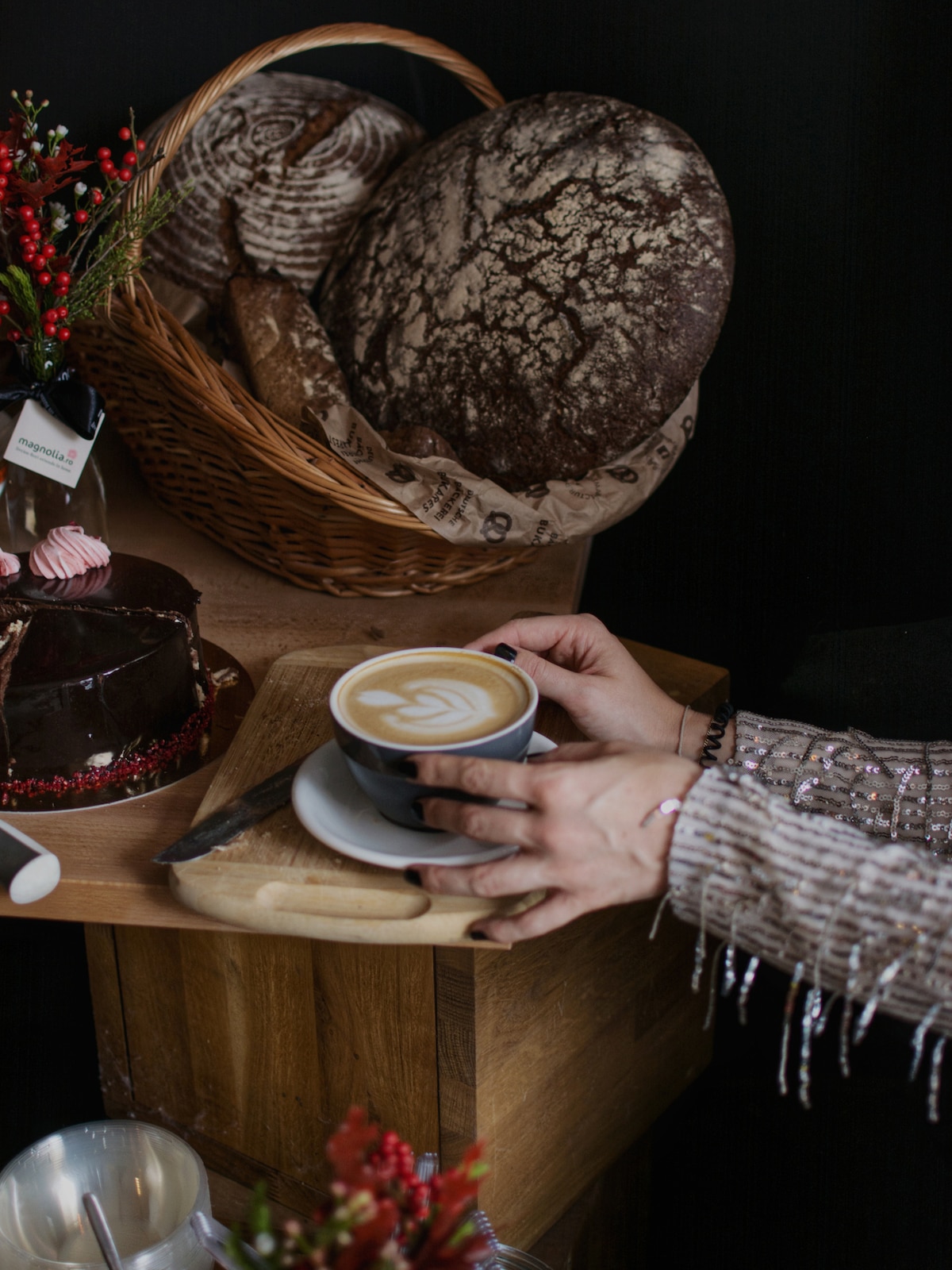
Despite springing myself on them the team adjusted beautifully. I was greeted by Alexandru, a Fulbright Scholar who has spent years studying Romania and Communism. His research has taken him to Berkeley and Palo Alto. What followed was a tour de force of deep knowledge and excitement on the subject. Alexandru led me from the station where he began by explaining the history of the neighborhood. We later had pastry and tea in the dining room where Alexandru and his colleague(the apartment used to belong to her grandfather).
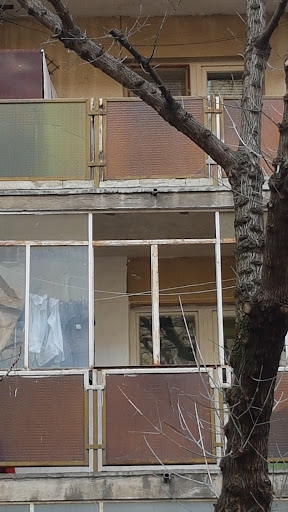
I highly recommend this innovative venture. It’s only a few metro stops away from the city center although if you book in advance on certain packages they’ll meet you downtown. Outside of the Primăverii Palace, Ceauşescu’s former residence, there is little that showcases daily life under Communism even though its effects are still quite evident. It’s a wonderful place filled with passionate and knowledgeable people. You will be enlightened...
Read moreIt is a good activity in Bucharest, especially if you are a Westerner. If you come from an Eastern country, you will see an appartement like you have in all Eastern countries and you will hear anecdotes you probably already know.
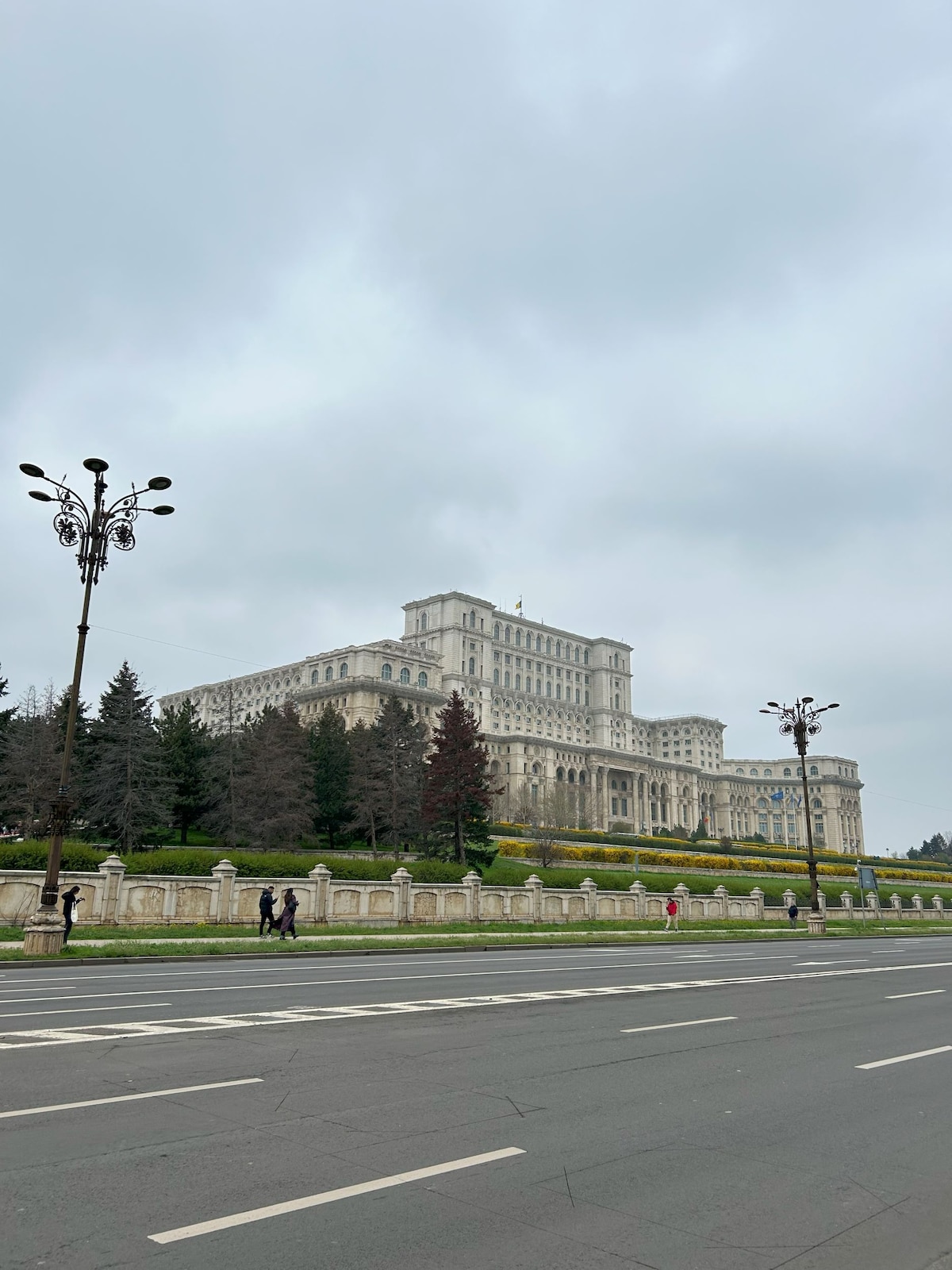
If you are interested in the communist era, I can recommend you the guided tour of the Parliament, the communism museum and Ferestroika (the visit lasts approximately between 1.5 hour and 2 hours). For me, it started at 10 am. I say it because it was not very clear at the moment I booked the tour.
It was great to have direct contact with a Romanian person and to be able to learn more about that period of time. I enjoyed it and I can...
Read more