HTML SitemapExplore
logo
Find Things to DoFind The Best Restaurants

Densuș Church — Attraction in Densuș

Name
Densuș Church
Description
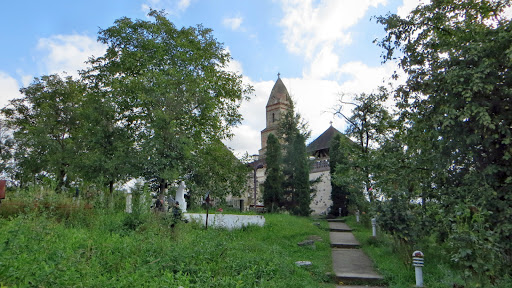
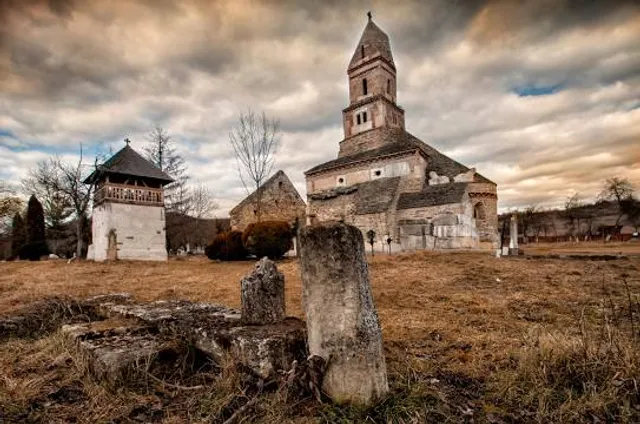
The Densuș Church in the village of Densuș, Hunedoara County is the oldest orthodox stone church in Romania. Up to the 15th century it was part of a "court" of the local knezial family.
Nearby attractions
Nearby restaurants
Nearby hotels
Casa De Sub Deal
Nr 21, Densuș 337205, Romania
Related posts
Keywords
Densuș Church tourism.Densuș Church hotels.Densuș Church bed and breakfast. flights to Densuș Church.Densuș Church attractions.Densuș Church restaurants.Densuș Church travel.Densuș Church travel guide.Densuș Church travel blog.Densuș Church pictures.Densuș Church photos.Densuș Church travel tips.Densuș Church maps.Densuș Church things to do.
Densuș Church things to do, attractions, restaurants, events info and trip planning
Densuș Church
RomaniaHunedoaraDensușDensuș Church

Basic Info

Densuș Church

45.581945,22.804696, 337205, Romania
4.8(1.1K)
Open 24 hours
Save
spot

Ratings & Description

Info

The Densuș Church in the village of Densuș, Hunedoara County is the oldest orthodox stone church in Romania. Up to the 15th century it was part of a "court" of the local knezial family.

Cultural
attractions: , restaurants:
logoLearn more insights from Wanderboat AI.
Phone
+40 720 010 952

Plan your stay

hotel
Pet-friendly Hotels in Densuș
Find a cozy hotel nearby and make it a full experience.
hotel
Affordable Hotels in Densuș
Find a cozy hotel nearby and make it a full experience.
hotel
The Coolest Hotels You Haven't Heard Of (Yet)
Find a cozy hotel nearby and make it a full experience.
hotel
Trending Stays Worth the Hype in Densuș
Find a cozy hotel nearby and make it a full experience.

Reviews

Get the Appoverlay
Get the AppOne tap to find yournext favorite spots!
Wanderboat LogoWanderboat

Your everyday Al companion for getaway ideas

CompanyAbout Us
InformationAI Trip PlannerSitemap
SocialXInstagramTiktokLinkedin
LegalTerms of ServicePrivacy Policy

Get the app

© 2025 Wanderboat. All rights reserved.
logo

Reviews of Densuș Church

4.8
(1,127)
avatar
5.0
8y

St. Nicholas Church in the village of Densus, located about 10 km from Hateg town, is one of the strangest Orthodox churches in Romania. It is built in a Romanesque style, but incorporates Dacian, Gothic and Orthodox elements . The origin and age of construction are very controversial topics. Among the hypotheses are: pagan temple predacic, Dacian Temple worshiped to the god Zamolxe, Roman temple dedicated to the god Mars, later Christianized (Paleo-Christian church, first from Dacia) or all of these in turn. The most circulated hypothesis assumes that the church had been built in the thirteenth century as the core having a Roman building, probably a monument erected in honor of General Longinus Maximus, governor of Roman Dacia. It is the only church in the village and compete for the title of oldest active church in Romania. The monument originally had a square shape, this being now the nave. It was added to the east (actually more to the south, certifying non-Christian origin) semicircular apse of the altar, complete with a diaconicon. Subsequently were added the "southern" gallery and the narthex to the "west", both being now ruined and roofless. Inside the nave there are four pillars, each made up of two Roman altars stacked. Noteworthy the roof made entirely of stone slabs stacked and decorated with statues of two lions. For the construction of the church are used more constructive and decorative marble elements (columns, statues, capitals, tombstones, sewerage pipes) taken from the ruins of Ulpia Traiana Sarmizegetusa, the capital of Roman Dacia, located only 10 km. Interior painting dates from 1443 and is the work of a team led by Maestro Stephen, with obvious influences with contemporary paintings of Romanian Country. Between 1566-1720 it served as Reformed-Calvin church, Calvin and painting was covered with thick layers of lime. Afterwards it became Greek Catholic church, and in 1872 he returned (with short interruptions in the late nineteenth century) to Orthodox congregation. Wooden iconostasis was painted in the...

   Read more

avatar
5.0
2y

The Densuș Church, also known as the Church of St. Nicholas, is a historic Romanian Orthodox church located in the village of Densuș in Hunedoara County, Romania. Believed to date back to the 7th century, it is considered one of the oldest churches in Romania. The church combines elements of both Roman and Byzantine architecture and is known for its well-preserved medieval frescoes. The Densuș Church has cultural and historical significance, attracting visitors interested in Romania's rich heritage.The Densuș Church is notable for its architectural simplicity, featuring a rectangular shape with a semicircular apse. The construction materials include stone and brick, and the church has a wooden roof. Inside, visitors can admire frescoes depicting scenes from the Bible, including the Last Judgment, saints, and other religious themes. The frescoes are believed to date back to the 14th century and are a valuable example of medieval Romanian religious art.

Despite its relatively small size, the Densuș Church holds a special place in Romanian history, representing the country's early Christian heritage. The church has undergone restoration efforts to preserve its cultural and historical significance, making it a fascinating destination for those interested in exploring Romania's ancient...

   Read more
avatar
5.0
5y

The church was partially built using stones from the ruins of Sarmizegetusa. However, what the written tourist paraphernalia do not state, is precisely what impressed me the most: the air of mystery and hermetism that enveloped me as soon as I stepped forward inside the church. In spite of this church not being impressive or majestic in terms of art (although as you can read in Wikipedia, it has important murals), the atmosphere seemed to envelop me, murmuring to my soul that there was a huge chthonic universe lurking beneath the ground. I have been impressed by many Orthodox churches in Romania and Catholic gothic churches in France, but the internal feeling of religious awe has never been as gripping as the one I felt when I entered...

   Read more
Page 1 of 7
Previous
Next

Posts

Lucian IonescuLucian Ionescu
St. Nicholas Church in the village of Densus, located about 10 km from Hateg town, is one of the strangest Orthodox churches in Romania. It is built in a Romanesque style, but incorporates Dacian, Gothic and Orthodox elements . The origin and age of construction are very controversial topics. Among the hypotheses are: pagan temple predacic, Dacian Temple worshiped to the god Zamolxe, Roman temple dedicated to the god Mars, later Christianized (Paleo-Christian church, first from Dacia) or all of these in turn. The most circulated hypothesis assumes that the church had been built in the thirteenth century as the core having a Roman building, probably a monument erected in honor of General Longinus Maximus, governor of Roman Dacia. It is the only church in the village and compete for the title of oldest active church in Romania. The monument originally had a square shape, this being now the nave. It was added to the east (actually more to the south, certifying non-Christian origin) semicircular apse of the altar, complete with a diaconicon. Subsequently were added the "southern" gallery and the narthex to the "west", both being now ruined and roofless. Inside the nave there are four pillars, each made up of two Roman altars stacked. Noteworthy the roof made entirely of stone slabs stacked and decorated with statues of two lions. For the construction of the church are used more constructive and decorative marble elements (columns, statues, capitals, tombstones, sewerage pipes) taken from the ruins of Ulpia Traiana Sarmizegetusa, the capital of Roman Dacia, located only 10 km. Interior painting dates from 1443 and is the work of a team led by Maestro Stephen, with obvious influences with contemporary paintings of Romanian Country. Between 1566-1720 it served as Reformed-Calvin church, Calvin and painting was covered with thick layers of lime. Afterwards it became Greek Catholic church, and in 1872 he returned (with short interruptions in the late nineteenth century) to Orthodox congregation. Wooden iconostasis was painted in the late eighteenth.
PATRICK MIHAESCUPATRICK MIHAESCU
Biserica din Densus - O comoară a istoriei și spiritualității Când am pasit pragul vechii Biserici din Densus, am fost imediat cucerit de aura sa impresionantă și de bogăția sa istorică. Această biserică unică, situată în mijlocul unui peisaj pitoresc din România, este una dintre cele mai vechi biserici creștine din țară și un loc de o importanță culturală și spirituală deosebită. Arhitectura acestei biserici m-a transportat în timp, iar simplitatea sa a evocat o stare de liniște și venerație. Zidurile groase și piatră brută îmbinată cu elemente romane și dacice dezvăluie o poveste fascinantă despre moștenirea culturală a zonei. În interior, frescele medievale și icoanele vechi de secole au fost o adevărată bijuterie artistică, iar detaliile delicate m-au purtat într-o călătorie spirituală. Energiile sacre ale acestui lăcaș s-au simțit în fiecare colțișor al său, iar aerul încărcat de istorie m-a făcut să mă simt conectat la trecutul strălucitor al bisericii. Un lucru care m-a impresionat în mod deosebit a fost atenția și respectul cu care se păstrează această biserică veche și valoroasă. Patrimoniul ei istoric și cultural este îngrijit cu grijă și pasiune, ceea ce m-a făcut să înțeleg importanța de a proteja aceste comori pentru generațiile viitoare. Dar Biserica din Densus nu este doar o destinație pentru pasionații de istorie și artă - este și un loc sacru pentru mulți credincioși. Fiecare vizitator are oportunitatea de a se conecta la spiritualitatea și reverența acestui loc, creând astfel o experiență unică și personală. Pentru mine, vizita la Biserica din Densus a fost cu adevărat o călătorie în timp și în suflet. Este un loc care merită să fie explorat cu răbdare și adânc respect, pentru că aduce în prezent gloria și taina trecutului nostru. În concluzie, Biserica din Densus este o comoară a istoriei și spiritualității. Cu arhitectura sa impresionantă și istoria sa bogată, acest loc reprezintă un pilon de patrimoniu cultural și religios pentru România și pentru toți cei care îi trec pragul.
Dan - Bogdan MovilăDan - Bogdan Movilă
Biserică foarte mică, dar cu o uimitoare structură arhitectonică. Construită undeva către anul 1300 (şi să nu credeţi poveştile despre cea mai veche, cea mai, pe locul ... etc.) după cum indică structura romanică târzie ce este completată cu unele elemente gotice abia apărute în zona Ardealului. Navă pătrată (6,40 x 6,25 metri), turn central sprijinit la interior pe 4 stâlpi realizaţi (şi) din 4 altare prismatice recuperate din construcţiile romane din zonă. Utilizare extinsă a decoraţiunilor romanice (brâuri de cărămidă în zig-zag, numită bandă lombardă şi copiată după biserica mai veche de la Sântămăria Orlea), coif de piatră (copiat tot de acolo), dar şi elemente gotice timpurii (ferestre şi bolţi în arc frânt, ferestre de piatră traforată). Ca formă pare să fie de tip oriental balcanic, dar probabil că arhitectul/meşterul nu a văzut niciodată aşa ceva, ci doar i s-a povestit cum arată, deoarece descărcarea greutăţii acoperişului se face într-un mod inedit, nemaiîntâlnit până aici. Utilizări pitoreşti a monumentelor funerare sau decorative romane (lei deasupra altarului, coloane adosate zidului nordic doar pentru decor, fără rol structural). Toate aceste elemente ce abundă dincolo de rolul utilitar crează o imagine de bogăţie şi fantezie, iar rezultatul este o structură arhitectonică uimitoare. Pe latura de sud s-au adăugat două încăperi, un veşmântar lângă altar şi o altă încăpere unită organic cu biserica, fapt ce sugerează (alături de un grafit interior şi o notiţă în documente) că s-ar fi putut să fi fost iniţial o mănăstire (a nu se face comparaţia cu sistemul monahal cu viaţă de obşte introdus la noi mult mai târziu de Sf. Nicodim de la Tismana!). Undeva la începutul secolului al XV-lea i se adaugă un pridvor/pronaos pe vest pentru a adăposti un număr sporit de credincioşi. Tot atunci ia naştere şi cimitirul din jur, deci avem o biserică de mir. Pictura de calitate superioară realizată la 1443 de un zugrav pe nume Ştefan. Tainiţe în interiorul turnului!
See more posts
See more posts
hotel
Find your stay

Pet-friendly Hotels in Densuș

Find a cozy hotel nearby and make it a full experience.

St. Nicholas Church in the village of Densus, located about 10 km from Hateg town, is one of the strangest Orthodox churches in Romania. It is built in a Romanesque style, but incorporates Dacian, Gothic and Orthodox elements . The origin and age of construction are very controversial topics. Among the hypotheses are: pagan temple predacic, Dacian Temple worshiped to the god Zamolxe, Roman temple dedicated to the god Mars, later Christianized (Paleo-Christian church, first from Dacia) or all of these in turn. The most circulated hypothesis assumes that the church had been built in the thirteenth century as the core having a Roman building, probably a monument erected in honor of General Longinus Maximus, governor of Roman Dacia. It is the only church in the village and compete for the title of oldest active church in Romania. The monument originally had a square shape, this being now the nave. It was added to the east (actually more to the south, certifying non-Christian origin) semicircular apse of the altar, complete with a diaconicon. Subsequently were added the "southern" gallery and the narthex to the "west", both being now ruined and roofless. Inside the nave there are four pillars, each made up of two Roman altars stacked. Noteworthy the roof made entirely of stone slabs stacked and decorated with statues of two lions. For the construction of the church are used more constructive and decorative marble elements (columns, statues, capitals, tombstones, sewerage pipes) taken from the ruins of Ulpia Traiana Sarmizegetusa, the capital of Roman Dacia, located only 10 km. Interior painting dates from 1443 and is the work of a team led by Maestro Stephen, with obvious influences with contemporary paintings of Romanian Country. Between 1566-1720 it served as Reformed-Calvin church, Calvin and painting was covered with thick layers of lime. Afterwards it became Greek Catholic church, and in 1872 he returned (with short interruptions in the late nineteenth century) to Orthodox congregation. Wooden iconostasis was painted in the late eighteenth.
Lucian Ionescu

Lucian Ionescu

hotel
Find your stay

Affordable Hotels in Densuș

Find a cozy hotel nearby and make it a full experience.

Get the Appoverlay
Get the AppOne tap to find yournext favorite spots!
Biserica din Densus - O comoară a istoriei și spiritualității Când am pasit pragul vechii Biserici din Densus, am fost imediat cucerit de aura sa impresionantă și de bogăția sa istorică. Această biserică unică, situată în mijlocul unui peisaj pitoresc din România, este una dintre cele mai vechi biserici creștine din țară și un loc de o importanță culturală și spirituală deosebită. Arhitectura acestei biserici m-a transportat în timp, iar simplitatea sa a evocat o stare de liniște și venerație. Zidurile groase și piatră brută îmbinată cu elemente romane și dacice dezvăluie o poveste fascinantă despre moștenirea culturală a zonei. În interior, frescele medievale și icoanele vechi de secole au fost o adevărată bijuterie artistică, iar detaliile delicate m-au purtat într-o călătorie spirituală. Energiile sacre ale acestui lăcaș s-au simțit în fiecare colțișor al său, iar aerul încărcat de istorie m-a făcut să mă simt conectat la trecutul strălucitor al bisericii. Un lucru care m-a impresionat în mod deosebit a fost atenția și respectul cu care se păstrează această biserică veche și valoroasă. Patrimoniul ei istoric și cultural este îngrijit cu grijă și pasiune, ceea ce m-a făcut să înțeleg importanța de a proteja aceste comori pentru generațiile viitoare. Dar Biserica din Densus nu este doar o destinație pentru pasionații de istorie și artă - este și un loc sacru pentru mulți credincioși. Fiecare vizitator are oportunitatea de a se conecta la spiritualitatea și reverența acestui loc, creând astfel o experiență unică și personală. Pentru mine, vizita la Biserica din Densus a fost cu adevărat o călătorie în timp și în suflet. Este un loc care merită să fie explorat cu răbdare și adânc respect, pentru că aduce în prezent gloria și taina trecutului nostru. În concluzie, Biserica din Densus este o comoară a istoriei și spiritualității. Cu arhitectura sa impresionantă și istoria sa bogată, acest loc reprezintă un pilon de patrimoniu cultural și religios pentru România și pentru toți cei care îi trec pragul.
PATRICK MIHAESCU

PATRICK MIHAESCU

hotel
Find your stay

The Coolest Hotels You Haven't Heard Of (Yet)

Find a cozy hotel nearby and make it a full experience.

hotel
Find your stay

Trending Stays Worth the Hype in Densuș

Find a cozy hotel nearby and make it a full experience.

Biserică foarte mică, dar cu o uimitoare structură arhitectonică. Construită undeva către anul 1300 (şi să nu credeţi poveştile despre cea mai veche, cea mai, pe locul ... etc.) după cum indică structura romanică târzie ce este completată cu unele elemente gotice abia apărute în zona Ardealului. Navă pătrată (6,40 x 6,25 metri), turn central sprijinit la interior pe 4 stâlpi realizaţi (şi) din 4 altare prismatice recuperate din construcţiile romane din zonă. Utilizare extinsă a decoraţiunilor romanice (brâuri de cărămidă în zig-zag, numită bandă lombardă şi copiată după biserica mai veche de la Sântămăria Orlea), coif de piatră (copiat tot de acolo), dar şi elemente gotice timpurii (ferestre şi bolţi în arc frânt, ferestre de piatră traforată). Ca formă pare să fie de tip oriental balcanic, dar probabil că arhitectul/meşterul nu a văzut niciodată aşa ceva, ci doar i s-a povestit cum arată, deoarece descărcarea greutăţii acoperişului se face într-un mod inedit, nemaiîntâlnit până aici. Utilizări pitoreşti a monumentelor funerare sau decorative romane (lei deasupra altarului, coloane adosate zidului nordic doar pentru decor, fără rol structural). Toate aceste elemente ce abundă dincolo de rolul utilitar crează o imagine de bogăţie şi fantezie, iar rezultatul este o structură arhitectonică uimitoare. Pe latura de sud s-au adăugat două încăperi, un veşmântar lângă altar şi o altă încăpere unită organic cu biserica, fapt ce sugerează (alături de un grafit interior şi o notiţă în documente) că s-ar fi putut să fi fost iniţial o mănăstire (a nu se face comparaţia cu sistemul monahal cu viaţă de obşte introdus la noi mult mai târziu de Sf. Nicodim de la Tismana!). Undeva la începutul secolului al XV-lea i se adaugă un pridvor/pronaos pe vest pentru a adăposti un număr sporit de credincioşi. Tot atunci ia naştere şi cimitirul din jur, deci avem o biserică de mir. Pictura de calitate superioară realizată la 1443 de un zugrav pe nume Ştefan. Tainiţe în interiorul turnului!
Dan - Bogdan Movilă

Dan - Bogdan Movilă

See more posts
See more posts