HTML SitemapExplore
logo
Find Things to DoFind The Best Restaurants

Rock Sculpture of Decebalus — Attraction in Eșelnița

Name
Rock Sculpture of Decebalus
Description
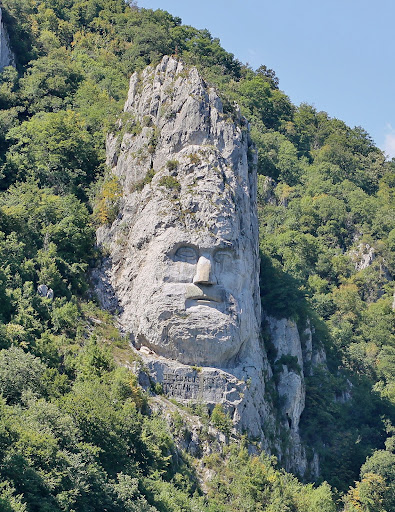
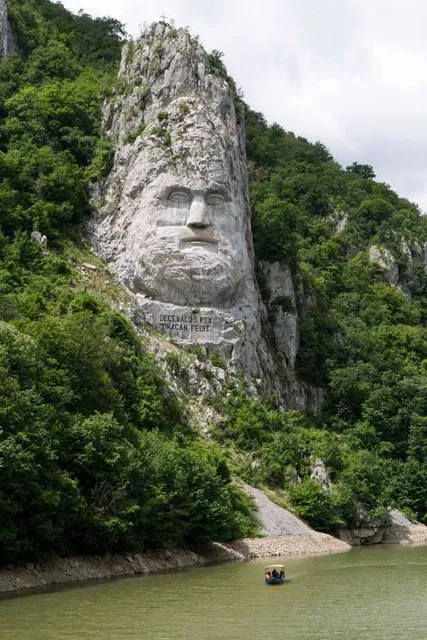
The rock sculpture of Decebalus is a colossal carving of the face of Decebalus, the last king of Dacia, who fought against the Roman emperors Domitian and Trajan to preserve the independence of his country, which corresponds to present-day Romania. The sculpture is located near the city of Orșova, in Mehedinți County.
Nearby attractions
Golful Mraconia
Str. Principală, Eșelnița 227170, Romania
Nearby restaurants
Nearby hotels
Casa de vacanta Golful Mraconia
Romania
Related posts
Keywords
Rock Sculpture of Decebalus tourism.Rock Sculpture of Decebalus hotels.Rock Sculpture of Decebalus bed and breakfast. flights to Rock Sculpture of Decebalus.Rock Sculpture of Decebalus attractions.Rock Sculpture of Decebalus restaurants.Rock Sculpture of Decebalus travel.Rock Sculpture of Decebalus travel guide.Rock Sculpture of Decebalus travel blog.Rock Sculpture of Decebalus pictures.Rock Sculpture of Decebalus photos.Rock Sculpture of Decebalus travel tips.Rock Sculpture of Decebalus maps.Rock Sculpture of Decebalus things to do.
Rock Sculpture of Decebalus things to do, attractions, restaurants, events info and trip planning
Rock Sculpture of Decebalus
RomaniaMehedințiEșelnițaRock Sculpture of Decebalus

Basic Info

Rock Sculpture of Decebalus

DN57, Dubova 227170, Romania
4.8(4.4K)
Open 24 hours
Save
spot

Ratings & Description

Info

The rock sculpture of Decebalus is a colossal carving of the face of Decebalus, the last king of Dacia, who fought against the Roman emperors Domitian and Trajan to preserve the independence of his country, which corresponds to present-day Romania. The sculpture is located near the city of Orșova, in Mehedinți County.

Outdoor
Cultural
Adventure
attractions: Golful Mraconia, restaurants:
logoLearn more insights from Wanderboat AI.
Phone
+40 744 612 005
Website
statuia-decebal.ro

Plan your stay

hotel
Pet-friendly Hotels in Eșelnița
Find a cozy hotel nearby and make it a full experience.
hotel
Affordable Hotels in Eșelnița
Find a cozy hotel nearby and make it a full experience.
hotel
The Coolest Hotels You Haven't Heard Of (Yet)
Find a cozy hotel nearby and make it a full experience.
hotel
Trending Stays Worth the Hype in Eșelnița
Find a cozy hotel nearby and make it a full experience.

Reviews

Nearby attractions of Rock Sculpture of Decebalus

Golful Mraconia

Golful Mraconia

Golful Mraconia

4.8

(32)

Open until 12:00 AM
Click for details
Get the Appoverlay
Get the AppOne tap to find yournext favorite spots!
Wanderboat LogoWanderboat

Your everyday Al companion for getaway ideas

CompanyAbout Us
InformationAI Trip PlannerSitemap
SocialXInstagramTiktokLinkedin
LegalTerms of ServicePrivacy Policy

Get the app

© 2025 Wanderboat. All rights reserved.
logo

Reviews of Rock Sculpture of Decebalus

4.8
(4,440)
avatar
5.0
6y

Decebalus is considered a national hero in Romania and has been portrayed in numerous literary works, movies, public sculptures, and other memorials.

The rock sculpture of Decebalus Rex  (Romanian: Chipul regelui dac Decebal) is a 42.9 m in height and 31.6 m in width carving in rock of the face of Decebalus (AD 87–106), the last king of Dacia, who fought against the Roman emperors Domitian and Trajan to preserve the independence of his country, which corresponded to modern Romania. The sculpture was made between 1994 and 2004, on a rocky outcrop on the river Danube, at the Iron Gates, which form the border between Romania and Serbia. It is located near the city of Orșova in Romania. It is the tallest rock relief in Europe.

The project of sculpting the colossal head of Decebalus was the brainchild of a wealthy Romanian businessman, Iosif Constantin Drăgan. In 1985, Drăgan chose the rock to be sculpted, an outcrop 128m in height located in the area of Iron Gorge, Danube. Perhaps one of the reasons Drăgan chose this site was due to the fact that the Tabula Traiana, a memorial to the Roman conquest of Dacia, was located on the opposite side of the river. After the sculpture was completed Latin inscription was put beneath it and is: DECEBALUS REX DRAGAN FECIT,  which meant “King Decebalus, made by Dragan”.

The best photographs are made while cruising if you are visiting from serbian side or from a bridge if you are...

   Read more
avatar
5.0
3y

Decebal sziklába vésett arcképe egyike a legtöbbet fotózott helynek a Vaskapuban. Ki volt Decebal mit tudunk róla? Imponáló méretével Európa legnagyobb méretű kőszobra ötvenöt méter magas és 25 méter széles. Az arcot tíz éven át (1994-2004) 10-12 alpinista véste. A munkálatokat egy román milliomos finanszírozta. Decebalt a fellelhető források először már hadvezérként említik, amikor i.u. 87-88-ban hódító háborút folytatott a Balkánon. A Római Birodalom akkortájt a területet saját érdekszférájába tartozónak tartotta, ezért az agresszióra hamar válaszolt. Decebal, már uralkodóként, 88-ban vereséget szenvedett a rómaiaktól de a győztesek enyhe békeszerződést „kényszerítettek” a dákokra. A veszteseket az északról támadó barbárok megállítására kötelezték, amihez az anyagiakat a rómaiak biztosították. Az új római császár, Traianus azonban a szerződést túlzottan engedékenynek tartotta, ezért azt semmisnek nyilvánította. 101-ben rómaiak megtámadták a dákokat és újra győzedelmeskedtek. Decebalnak ezúttal sokkal szigorúbb feltételeket kellett elfogadnia. Titokban azonban revansra készült. Traianushoz eljutott a készülődés híre, ezért végső leszámolásra sorakoztatta fel csapatait. Drobeta közelében hidat építtetett a Dunán és az átvonuló nagy létszámú seregtestek végső diadalt arattak a dák csapatok felett. Decebal menekült, ám néhány római katona észrevette és üldözésére indultak. Amikor további menekülését kilátástalannak ítélte, Decebal az öngyilkosságot választotta, saját kardjába dőlt, így kerülve el a fogságot. A rómaiak levágták a dák király fejét és Rómába, Traianus császárnak küldték el. A hiedelem szerint öngyilkossága előtt Decebal a kincseit elrejtette a Hunyad megyében csordogáló Strigy folyóba, és temetése hasonló volt Alttila hun királyhoz. A vízfolyás a Dák királyság fővárosától, Sarmizegethustól pár órára folyik. Amatőr és hivatásos kutatók a mai napig...

   Read more
avatar
5.0
6y

Very beautiful sculpture in a great location, where the Danube river is cutting through two big mountain ranges of Europe in the narrowest gorge for its huge flow. Easy to be accessed by car, while the journey presents a magnificent scenery on the bank of the Danube, though isn't a very short one. is especially inspiring for children, students but not limited to them, and it's a great opportunity for them to visit the area and see it there, ask the questions about it and why is in this location. Both an interesting and inspiring lesson of history and geography; also of geology...

   Read more
Page 1 of 7
Previous
Next

Posts

Sasa NikolicSasa Nikolic
Decebalus is considered a national hero in Romania and has been portrayed in numerous literary works, movies, public sculptures, and other memorials. The rock sculpture of Decebalus Rex  (Romanian: Chipul regelui dac Decebal) is a 42.9 m in height and 31.6 m in width carving in rock of the face of Decebalus (AD 87–106), the last king of Dacia, who fought against the Roman emperors Domitian and Trajan to preserve the independence of his country, which corresponded to modern Romania. The sculpture was made between 1994 and 2004, on a rocky outcrop on the river Danube, at the Iron Gates, which form the border between Romania and Serbia. It is located near the city of Orșova in Romania. It is the tallest rock relief in Europe. The project of sculpting the colossal head of Decebalus was the brainchild of a wealthy Romanian businessman, Iosif Constantin Drăgan. In 1985, Drăgan chose the rock to be sculpted, an outcrop 128m in height located in the area of Iron Gorge, Danube. Perhaps one of the reasons Drăgan chose this site was due to the fact that the Tabula Traiana, a memorial to the Roman conquest of Dacia, was located on the opposite side of the river. After the sculpture was completed Latin inscription was put beneath it and is: DECEBALUS REX DRAGAN FECIT,  which meant “King Decebalus, made by Dragan”. The best photographs are made while cruising if you are visiting from serbian side or from a bridge if you are already in Romania.
György JanovicsGyörgy Janovics
Decebal sziklába vésett arcképe egyike a legtöbbet fotózott helynek a Vaskapuban. Ki volt Decebal mit tudunk róla? Imponáló méretével Európa legnagyobb méretű kőszobra ötvenöt méter magas és 25 méter széles. Az arcot tíz éven át (1994-2004) 10-12 alpinista véste. A munkálatokat egy román milliomos finanszírozta. Decebalt a fellelhető források először már hadvezérként említik, amikor i.u. 87-88-ban hódító háborút folytatott a Balkánon. A Római Birodalom akkortájt a területet saját érdekszférájába tartozónak tartotta, ezért az agresszióra hamar válaszolt. Decebal, már uralkodóként, 88-ban vereséget szenvedett a rómaiaktól de a győztesek enyhe békeszerződést „kényszerítettek” a dákokra. A veszteseket az északról támadó barbárok megállítására kötelezték, amihez az anyagiakat a rómaiak biztosították. Az új római császár, Traianus azonban a szerződést túlzottan engedékenynek tartotta, ezért azt semmisnek nyilvánította. 101-ben rómaiak megtámadták a dákokat és újra győzedelmeskedtek. Decebalnak ezúttal sokkal szigorúbb feltételeket kellett elfogadnia. Titokban azonban revansra készült. Traianushoz eljutott a készülődés híre, ezért végső leszámolásra sorakoztatta fel csapatait. Drobeta közelében hidat építtetett a Dunán és az átvonuló nagy létszámú seregtestek végső diadalt arattak a dák csapatok felett. Decebal menekült, ám néhány római katona észrevette és üldözésére indultak. Amikor további menekülését kilátástalannak ítélte, Decebal az öngyilkosságot választotta, saját kardjába dőlt, így kerülve el a fogságot. A rómaiak levágták a dák király fejét és Rómába, Traianus császárnak küldték el. A hiedelem szerint öngyilkossága előtt Decebal a kincseit elrejtette a Hunyad megyében csordogáló Strigy folyóba, és temetése hasonló volt Alttila hun királyhoz. A vízfolyás a Dák királyság fővárosától, Sarmizegethustól pár órára folyik. Amatőr és hivatásos kutatók a mai napig keresik helyét.
Balkrishna ShroffBalkrishna Shroff
During our Danube river cruise we came across this gigantic statue near Orsova Romania. This statue is of King Decebalus. He was the last ruler of ancient kingdom of Dacia. He was a very kind ruler who ruled for the welfare of his people. This statue is a tribute to him. It is the the tallest rock sculpture in the Europe and sixth largest in the world. It took 10 years to complete. Its height is 43 meters and width 25 meters. The cruise ships slow down at this point. It takes 6/7 minutes to cross it. Those who are interested to shoot it should be ready with their cameras.
See more posts
See more posts
hotel
Find your stay

Pet-friendly Hotels in Eșelnița

Find a cozy hotel nearby and make it a full experience.

Decebalus is considered a national hero in Romania and has been portrayed in numerous literary works, movies, public sculptures, and other memorials. The rock sculpture of Decebalus Rex  (Romanian: Chipul regelui dac Decebal) is a 42.9 m in height and 31.6 m in width carving in rock of the face of Decebalus (AD 87–106), the last king of Dacia, who fought against the Roman emperors Domitian and Trajan to preserve the independence of his country, which corresponded to modern Romania. The sculpture was made between 1994 and 2004, on a rocky outcrop on the river Danube, at the Iron Gates, which form the border between Romania and Serbia. It is located near the city of Orșova in Romania. It is the tallest rock relief in Europe. The project of sculpting the colossal head of Decebalus was the brainchild of a wealthy Romanian businessman, Iosif Constantin Drăgan. In 1985, Drăgan chose the rock to be sculpted, an outcrop 128m in height located in the area of Iron Gorge, Danube. Perhaps one of the reasons Drăgan chose this site was due to the fact that the Tabula Traiana, a memorial to the Roman conquest of Dacia, was located on the opposite side of the river. After the sculpture was completed Latin inscription was put beneath it and is: DECEBALUS REX DRAGAN FECIT,  which meant “King Decebalus, made by Dragan”. The best photographs are made while cruising if you are visiting from serbian side or from a bridge if you are already in Romania.
Sasa Nikolic

Sasa Nikolic

hotel
Find your stay

Affordable Hotels in Eșelnița

Find a cozy hotel nearby and make it a full experience.

Get the Appoverlay
Get the AppOne tap to find yournext favorite spots!
Decebal sziklába vésett arcképe egyike a legtöbbet fotózott helynek a Vaskapuban. Ki volt Decebal mit tudunk róla? Imponáló méretével Európa legnagyobb méretű kőszobra ötvenöt méter magas és 25 méter széles. Az arcot tíz éven át (1994-2004) 10-12 alpinista véste. A munkálatokat egy román milliomos finanszírozta. Decebalt a fellelhető források először már hadvezérként említik, amikor i.u. 87-88-ban hódító háborút folytatott a Balkánon. A Római Birodalom akkortájt a területet saját érdekszférájába tartozónak tartotta, ezért az agresszióra hamar válaszolt. Decebal, már uralkodóként, 88-ban vereséget szenvedett a rómaiaktól de a győztesek enyhe békeszerződést „kényszerítettek” a dákokra. A veszteseket az északról támadó barbárok megállítására kötelezték, amihez az anyagiakat a rómaiak biztosították. Az új római császár, Traianus azonban a szerződést túlzottan engedékenynek tartotta, ezért azt semmisnek nyilvánította. 101-ben rómaiak megtámadták a dákokat és újra győzedelmeskedtek. Decebalnak ezúttal sokkal szigorúbb feltételeket kellett elfogadnia. Titokban azonban revansra készült. Traianushoz eljutott a készülődés híre, ezért végső leszámolásra sorakoztatta fel csapatait. Drobeta közelében hidat építtetett a Dunán és az átvonuló nagy létszámú seregtestek végső diadalt arattak a dák csapatok felett. Decebal menekült, ám néhány római katona észrevette és üldözésére indultak. Amikor további menekülését kilátástalannak ítélte, Decebal az öngyilkosságot választotta, saját kardjába dőlt, így kerülve el a fogságot. A rómaiak levágták a dák király fejét és Rómába, Traianus császárnak küldték el. A hiedelem szerint öngyilkossága előtt Decebal a kincseit elrejtette a Hunyad megyében csordogáló Strigy folyóba, és temetése hasonló volt Alttila hun királyhoz. A vízfolyás a Dák királyság fővárosától, Sarmizegethustól pár órára folyik. Amatőr és hivatásos kutatók a mai napig keresik helyét.
György Janovics

György Janovics

hotel
Find your stay

The Coolest Hotels You Haven't Heard Of (Yet)

Find a cozy hotel nearby and make it a full experience.

hotel
Find your stay

Trending Stays Worth the Hype in Eșelnița

Find a cozy hotel nearby and make it a full experience.

During our Danube river cruise we came across this gigantic statue near Orsova Romania. This statue is of King Decebalus. He was the last ruler of ancient kingdom of Dacia. He was a very kind ruler who ruled for the welfare of his people. This statue is a tribute to him. It is the the tallest rock sculpture in the Europe and sixth largest in the world. It took 10 years to complete. Its height is 43 meters and width 25 meters. The cruise ships slow down at this point. It takes 6/7 minutes to cross it. Those who are interested to shoot it should be ready with their cameras.
Balkrishna Shroff

Balkrishna Shroff

See more posts
See more posts