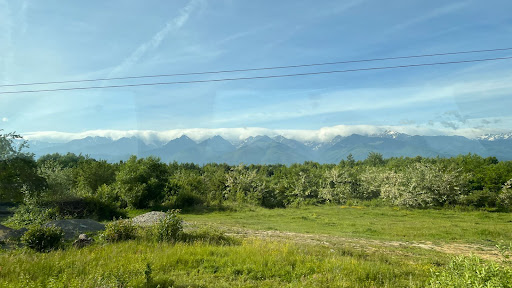
After my wife and I walked through the village of Şona, we embarked on a journey to the Pyramids of Şona. As we left the village, the road meandered through rolling hills and verdant fields, offering breathtaking views of the surrounding landscape. This road, we soon realized, was not just a path to a destination; it was a gateway to the beauty of nature. The lush greenery, dotted with wildflowers and ancient trees, created a serene and calming atmosphere. The air was fresh and invigorating, filled with the sounds of nature. This journey was a perfect opportunity to disconnect from the digital world and reconnect with nature.
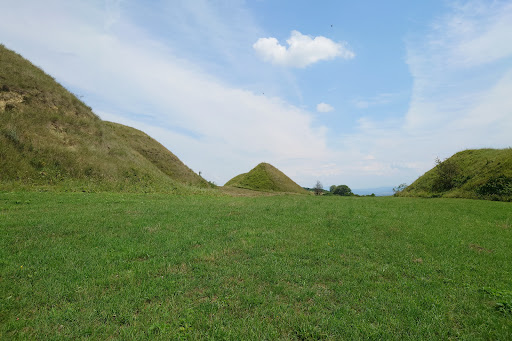
And when we finally reached the Pyramids of Şona, we were greeted with a mysterious and splendid sight. In the land of pyramids, the serene silence was gently interrupted by the melodious chirping of birds and the soft bleating of sheep grazing across the Olt River. This tranquil symphony added a touch of magic to the already peaceful landscape, inspiring us to explore more.
Our guide, a knowledgeable local, offered us a fascinating glimpse into the past, inviting us to ponder the stories, secrets, history, and legends that the Pyramids of Şona (Movilele de la Şona) hold. These remnants of ancient civilizations, a group of eight piles of mounds up to 30 meters (about 100ft.) high, continue to intrigue and inspire visitors. The soil mounds, arranged in two rows based on their size, have an unclear origin, even for specialists. Locals call them “guruieţi” and claim these mounds were formed by giants who once lived here. According to legend, Princess Şona ruled this land until giants from the Fagaras Mountains attacked. Crossing the Olt River, they shook the mud from their feet, creating these mounds.
Another legend says that they date back to Dacian times, and treasures were buried inside them. Historians suggest these mounds are tombs of Celtic chieftains who arrived in Transylvania before the Dacians. They buried their chiefs with jewels and precious objects in large mounds, creating additional graves to deter thieves, similar to those scattered across countries like Sweden, Norway, and Denmark.
Geologists believe that the pyramids formed due to landslides about 10.000 years ago.
Archaeologists have found traces of ancient inhabitants at the base of these pyramids, such as ceramics, spearheads, an ash urn, and an axe.
Villagers report strange occurrences in this area, adding to its mysterious reputation. For instance, the meat in the peasantry's food packages doesn’t rot, even if left for days. Additionally, water remains fresh and is said to become curative. These inexplicable phenomena add a touch of magic to the already peaceful landscape, leaving visitors with a sense of wonder and curiosity.
Whichever explanation we chose, we were amazed by these strange formations near the village of Şona and the...
Read more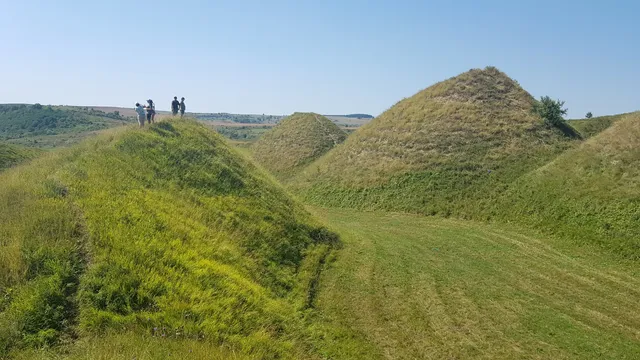
 Learn more insights from Wanderboat AI.