HTML SitemapExplore
logo
Find Things to DoFind The Best Restaurants

Palatul Mogoșoaia — Attraction in Mogoșoaia

Name
Palatul Mogoșoaia
Description
Nearby attractions
"The Brancovan Palaces" Cultural Center
Strada Valea Parcului 1, Mogoșoaia 077135, Romania
Nearby restaurants
Nearby hotels
Related posts
Keywords
Palatul Mogoșoaia tourism.Palatul Mogoșoaia hotels.Palatul Mogoșoaia bed and breakfast. flights to Palatul Mogoșoaia.Palatul Mogoșoaia attractions.Palatul Mogoșoaia restaurants.Palatul Mogoșoaia travel.Palatul Mogoșoaia travel guide.Palatul Mogoșoaia travel blog.Palatul Mogoșoaia pictures.Palatul Mogoșoaia photos.Palatul Mogoșoaia travel tips.Palatul Mogoșoaia maps.Palatul Mogoșoaia things to do.
Palatul Mogoșoaia things to do, attractions, restaurants, events info and trip planning
Palatul Mogoșoaia
RomaniaIlfovMogoșoaiaPalatul Mogoșoaia

Basic Info

Palatul Mogoșoaia

Strada Valea Parcului 1, Mogoșoaia 077135, Romania
4.7(5.9K)
Open until 6:00 PM
Save
spot

Ratings & Description

Info

Cultural
Outdoor
Family friendly
attractions: "The Brancovan Palaces" Cultural Center, restaurants:
logoLearn more insights from Wanderboat AI.
Phone
+40 760 906 090
Website
palatebrancovenesti.ro
Open hoursSee all hours
Tue10 AM - 6 PMOpen

Plan your stay

hotel
Pet-friendly Hotels in Mogoșoaia
Find a cozy hotel nearby and make it a full experience.
hotel
Affordable Hotels in Mogoșoaia
Find a cozy hotel nearby and make it a full experience.
hotel
The Coolest Hotels You Haven't Heard Of (Yet)
Find a cozy hotel nearby and make it a full experience.
hotel
Trending Stays Worth the Hype in Mogoșoaia
Find a cozy hotel nearby and make it a full experience.

Reviews

Nearby attractions of Palatul Mogoșoaia

"The Brancovan Palaces" Cultural Center

"The Brancovan Palaces" Cultural Center

"The Brancovan Palaces" Cultural Center

4.7

(383)

Open 24 hours
Click for details

Things to do nearby

Real Tour on Communism in Romania
Tue, Dec 9 • 11:00 AM
Bucharest, Bucharest, 030167, Romania
View details
Bohemian quarters, food & market
Tue, Dec 9 • 9:00 AM
Bucharest, Bucharest, 040242, Romania
View details
Get the Appoverlay
Get the AppOne tap to find yournext favorite spots!
Wanderboat LogoWanderboat

Your everyday Al companion for getaway ideas

CompanyAbout Us
InformationAI Trip PlannerSitemap
SocialXInstagramTiktokLinkedin
LegalTerms of ServicePrivacy Policy

Get the app

© 2025 Wanderboat. All rights reserved.
logo

Reviews of Palatul Mogoșoaia

4.7
(5,879)
avatar
5.0
6y

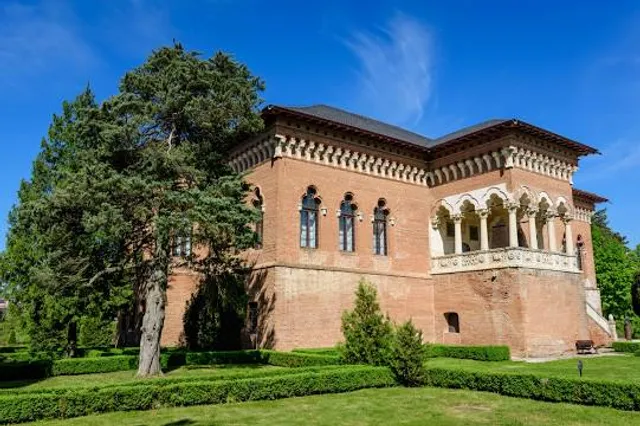
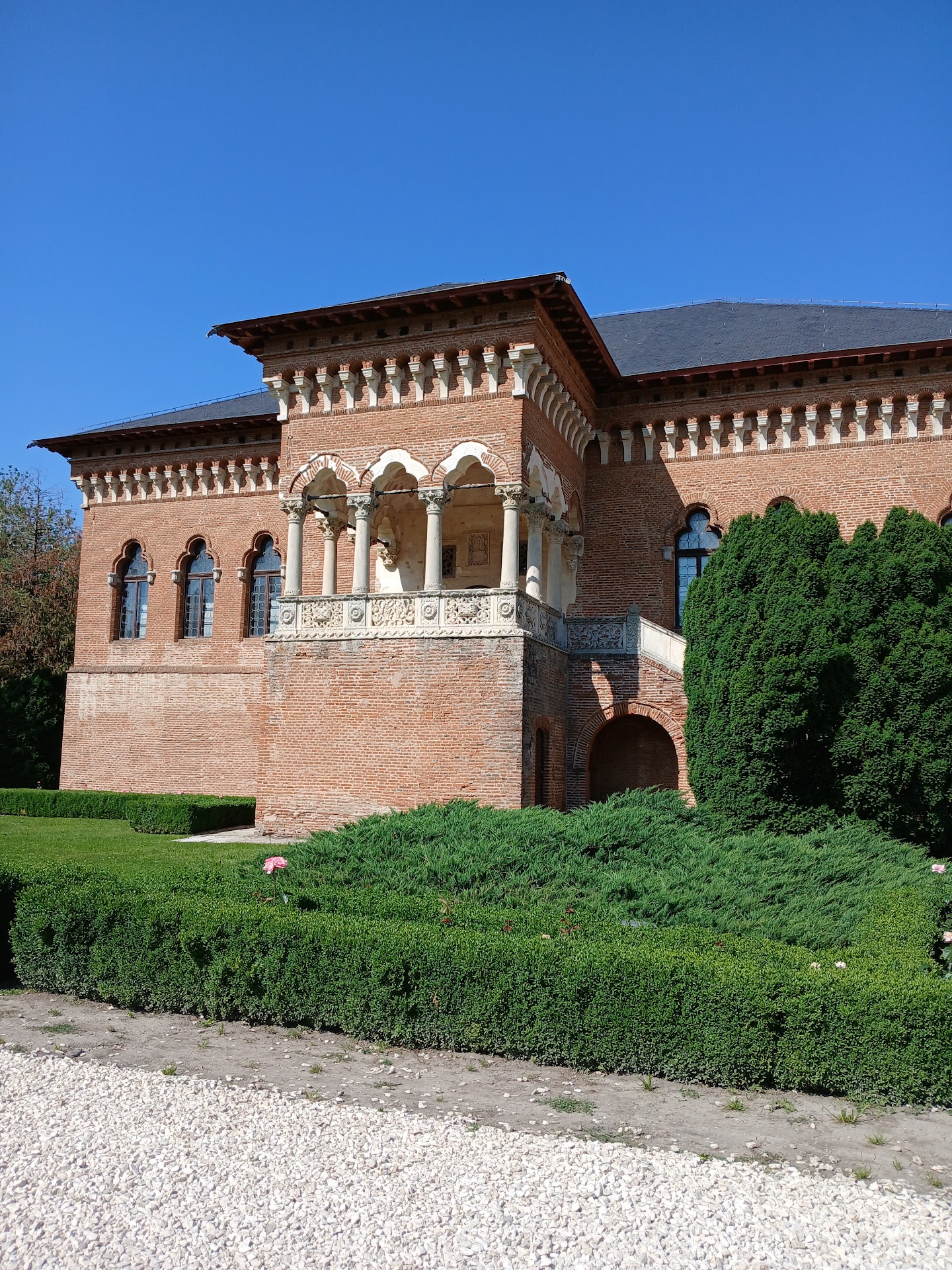
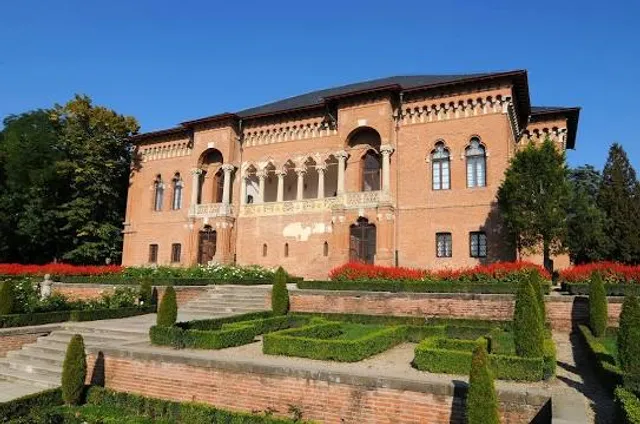
Mogoșoaia Palace is situated about 10 kilometres (6.2 mi) from Bucharest. It was built between 1698-1702 by Constantin Brâncoveanu in what is called the Romanian Renaissance style or Brâncovenesc style. The palace bears the name of the widow of the Romanian boyar Mogoș, who owned the land it was built on.

After 1714, when Constantin Brancoveanu was executed with his entire family in Constantinople, all the family's wealth was confiscated by the Ottomans and the palace was converted into an inn. Rebought by Prince Stefan Cantacuzino, he returned it to Brâncoveanu's grandson Constantin, and remained with the family until the early nineteenth century.

The palace was devastated by the Ottomans during the Russo-Turkish War of 1768-1774. Granted by prince Grigore to his daughter, Zoe Mavrocordat who had married George D. Bibescu, sovereign Prince of Wallachia. The palace remained within Bibescu family and was renovated by Nicolae Bibescu.[1]

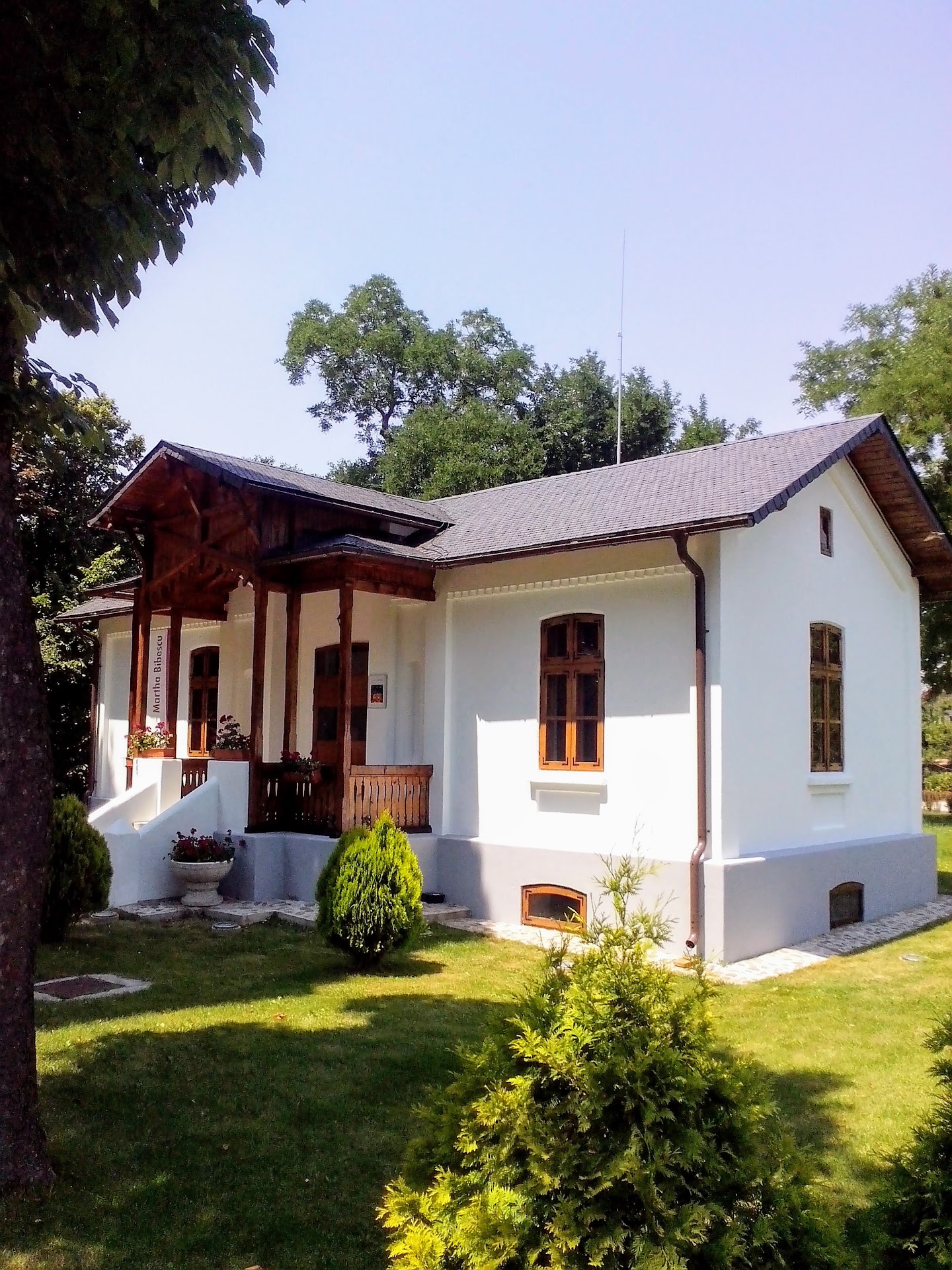
In November 1916, the palace at Mogosoaia was bombed by the German air forces.[2] Bought from Marie-Nicole by her cousin (and head of the Princely house), Prince George Bibesco, the Palace was given to his wife, Princess Martha. He later deeded the land to her, too. Martha spent her private fortune for the reconstruction. In the late 1920s and the 1930s, the palace became the meeting place for politicians and for the international high society. When Prince George died in 1941, he was buried in the small, white 1688 church on the grounds of the Palace.[3]

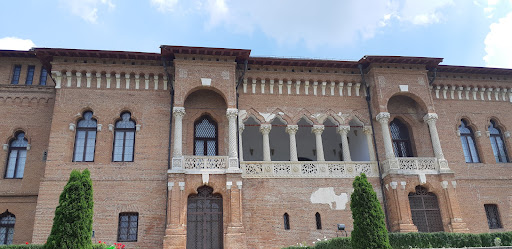
Brancovenesc architectural style

During the second world war, Prince Antoine Bibesco (a cousin of George Bibesco) and his wife Elizabeth Bibesco refused to flee the country. When Elizabeth died of pneumonia on April 7, 1945 she was buried in the Bibesco family vault on the grounds of Mogoșoaia. Neither Elizabeth Bibesco's husband, Antoine, nor George Bibesco's wife, Martha, could be buried beside them, as they both died during the Communist regime.[4] After 1945, the palace was forcibly nationalized by the communist authorities, and the owners, Valentina și Dimitrie Ghika-Comănești, were arrested. Some of its precious art collections disappeared during this period. In 1957, it eventually became a museum.[5] The Palace is now a popular tourist destination, but although the grounds and gardens are beautiful, the interior of the palace itself is under reconstruction and presently houses a museum and art gallery. (Muzeul de Artă Brâncovenească)

From Wikipedia, the free...

   Read more
avatar
5.0
7y

The monumental historical, cultural, tourist and recreational complex of Mogoşoaia is one of the most sought after and attractive places due to the valuable architectural heritage located in a picturesque natural setting in the immediate vicinity of Bucharest. Currently, after several stages of restoration, renovation, upgrading, completion and systematization, the area is composed of: Court of Honor - where it is located: The palace - erected in September 1702 by Constantin Brâncoveanu for his second son, Stephen. The Royal Court of Mogosoaia was attested at the end of the seventeenth century, the construction being completed at the beginning of the 18th century. Cuhnia - The former Princely Kitchen is currently the exhibition space. The tower of the gate [ante 1702] and the Gate of Targoviste, on which a replica of the statuary group representing the Goddess Minerva is mounted. Conference Center and Residence [former villa d'Elchingen] - [sec. XVII, refurbish 1927 - 1936] currently hosts a conference and residence center with 2 conference rooms [with a capacity of 50 or 75 seats], a restaurant - 120 seats and 16 accommodation rooms - 25 seats. Glacier - The former ice storehouse of the palace. Outside the courtyard are: The English park with gardens, its landscaping being carried out between 1921 and 1922 under the guidance of Martha Bibescu. The church dedicated to Saint George, built by Constantin Brâncoveanu in 1688, where the votive painting depicting Constantin Brâncoveanu with his four sons and Lady Maria with the 7 daughters is found. Also here is buried George Valentin Bibescu, the husband of Martha Bibescu, under a beautiful funeral slab decorated with the Bibescu family coat [two lions with the crowned eagle]. Gheorghe Bibescu Chapel - 19th Century - a true family necropolis, shelters the tombs of the last owners of Mogosoaia and their relatives: Prince Nicholas G. Bibescu and his wife Helene Louise Ney d'Elchingen, Prince George Bibescu and his wife Valentine de Caraman Chimay, Princess Elisabeth Bibescu, princes Mihai Basarab Brâncoveanu and George Basarab...

   Read more
avatar
5.0
24w

Unul dintre cele mai apreciate obiective turistice de lângă București, Palatul Mogoșoaia, care timp de aproape 120 de ani a aparținut familiei Brâncoveanu, este un spațiu de recreere preferat de mulți turiști...chiar dacă nu se cunoaşte cu exactitate data la care a fost începută construcţia, se ştie că familia Brâncoveanu a început să cumpere pământ în zonă încă din 1681 de la boierul Mogoş...de altfel, numele palatului provine de la văduva acestuia...intrarea în curtea palatului se face prin turnul-poartă care a fost gândit ca o construcţie cu rol de apărare, aici aflându-se capătul Podului Mogoşoaiei, cea mai vestită stradă a vechiului Bucureşti, Calea Victoriei de astăzi...de-a lungul timpului, palatul a fost supus mai multor procese de restaurare necesare după repetatele distrugeri pe care le-a suferit...după ce familia Brâncoveanu a fost executată la Constantinopol în 1714, palatul a fost luat de otomani care l-au deposedat de toate bogăţiile, transformându-l în han...răscumpărat de domnitorul Ștefan Cantacuzino, el a revenit apoi marelui ban Constantin Brâncoveanu, nepotul domnitorului, și a rămas în posesia familiei până la începutul secolului al XIX-lea...palatul a fost devastat de otomani în timpul războiului ruso-turc din 1768-1774, deoarece marele ban Nicolae Brâncoveanu ținuse partea rușilor în conflict...o nouă distrugere a palatului a avut loc cu ocazia revoluției din 1821 când ultimul urmaș al Brâncovenilor, Grigore Brâncoveanu, a fugit la Brașov și clădirea a fost ocupată de panduri...după moartea acestuia, palatul Mogoșoaia a rămas moștenire fiicei sale adoptive, Zoe Mavrocordat și, prin căsătoria acesteia cu domnitorul Gheorghe Bibescu, a trecut în familia acestuia și a fost renovat între 1860–1880 de Nicolae Bibescu...palatul a fost administrat în continuare de familia Bibescu care, însă, s-a mutat în vila cea nouă iar clădirea veche a rămas nelocuită...aceasta până în 1911, când Maria-Nicole Darvari a vândut palatul vărului ei George-Valentin Bibescu, care l-a oferit drept cadou de nuntă soției sale, Martha Bibescu...în prezent, Palatul Mogoșoaia adăpostește Muzeul de Artă Brâncovenească și este un important punct de atracție turistică...un punct deosebit de atractiv îl reprezintă faţada din spatele Palatului, cea dinspre lac...acolo se află o superbă logie de inspiraţie veneţiană...principala clădire a complexului de la Mogoşoaia este Palatul construit de Constantin Brâncoveanu...acesta are apartamentele familiei princiare la primul etaj, unde se ajunge direct din curte pe o scară exterioară ce dă într-un balcon amplasat pe faţadă...parterul palatului conţine camerele servitorilor, iar la subsol se află o pivniţă cu un tavan format din patru domuri...cuhnia – bucătăria brâncovenească se află în curtea palatului, având patru turnuri de aerisire...turnul porţii străjuieşte intrarea în curte...în el se poate urca pe o scară exterioară...atât turnul porţii, cât şi cuhnia au fost restaurate de Martha Bibescu între 1922 şi 1930...capela Gheorghe Bibescu, construită după 1880 adăposteşte mormintele familiei Bibescu...adăpostește inclusiv mormintele prinţilor Mihai şi George Basarab-Brâncoveanu, aviatori morţi în timpul celui de-al doilea război mondial...serele Mogoşoaia au fost construite după 1890, de arhitecţi francezi...sunt încă folosite pentru cultura florilor şi ca atelier de educaţie plastică pentru copii...Biserica „Sfântul Gheorghe” se află în afara zidurilor palatului, lângă turnul porţii...ctitorită de Constantin Brâncoveanu şi terminată în 1688, ea adăposteşte mormântul lui George-Valentin Bibescu...de asemenea, şi tabloul ce-i reprezintă pe Constantin Brâncoveanu şi pe cei patru fii ai săi...de asemenea, întregul ansamblu arhitectural este înconjurat de două mari parcuri...primul este construit între anii 1921-1922 în stil englezesc, sub îndrumarea Marthei Bibescu...al doilea reprezintă cea mai nouă parte a domeniului de la Mogoşoaia, construit recent, în urma cu...

   Read more
Page 1 of 7
Previous
Next

Posts

Radu Crahmaliuc Sr.Radu Crahmaliuc Sr.
The monumental historical, cultural, tourist and recreational complex of Mogoşoaia is one of the most sought after and attractive places due to the valuable architectural heritage located in a picturesque natural setting in the immediate vicinity of Bucharest. Currently, after several stages of restoration, renovation, upgrading, completion and systematization, the area is composed of: Court of Honor - where it is located: The palace - erected in September 1702 by Constantin Brâncoveanu for his second son, Stephen. The Royal Court of Mogosoaia was attested at the end of the seventeenth century, the construction being completed at the beginning of the 18th century. Cuhnia - The former Princely Kitchen is currently the exhibition space. The tower of the gate [ante 1702] and the Gate of Targoviste, on which a replica of the statuary group representing the Goddess Minerva is mounted. Conference Center and Residence [former villa d'Elchingen] - [sec. XVII, refurbish 1927 - 1936] currently hosts a conference and residence center with 2 conference rooms [with a capacity of 50 or 75 seats], a restaurant - 120 seats and 16 accommodation rooms - 25 seats. Glacier - The former ice storehouse of the palace. Outside the courtyard are: The English park with gardens, its landscaping being carried out between 1921 and 1922 under the guidance of Martha Bibescu. The church dedicated to Saint George, built by Constantin Brâncoveanu in 1688, where the votive painting depicting Constantin Brâncoveanu with his four sons and Lady Maria with the 7 daughters is found. Also here is buried George Valentin Bibescu, the husband of Martha Bibescu, under a beautiful funeral slab decorated with the Bibescu family coat [two lions with the crowned eagle]. Gheorghe Bibescu Chapel - 19th Century - a true family necropolis, shelters the tombs of the last owners of Mogosoaia and their relatives: Prince Nicholas G. Bibescu and his wife Helene Louise Ney d'Elchingen, Prince George Bibescu and his wife Valentine de Caraman Chimay, Princess Elisabeth Bibescu, princes Mihai Basarab Brâncoveanu and George Basarab Brâncoveanu.
Liviu IAMANDILiviu IAMANDI
Unul dintre cele mai apreciate obiective turistice de lângă București, Palatul Mogoșoaia, care timp de aproape 120 de ani a aparținut familiei Brâncoveanu, este un spațiu de recreere preferat de mulți turiști...chiar dacă nu se cunoaşte cu exactitate data la care a fost începută construcţia, se ştie că familia Brâncoveanu a început să cumpere pământ în zonă încă din 1681 de la boierul Mogoş...de altfel, numele palatului provine de la văduva acestuia...intrarea în curtea palatului se face prin turnul-poartă care a fost gândit ca o construcţie cu rol de apărare, aici aflându-se capătul Podului Mogoşoaiei, cea mai vestită stradă a vechiului Bucureşti, Calea Victoriei de astăzi...de-a lungul timpului, palatul a fost supus mai multor procese de restaurare necesare după repetatele distrugeri pe care le-a suferit...după ce familia Brâncoveanu a fost executată la Constantinopol în 1714, palatul a fost luat de otomani care l-au deposedat de toate bogăţiile, transformându-l în han...răscumpărat de domnitorul Ștefan Cantacuzino, el a revenit apoi marelui ban Constantin Brâncoveanu, nepotul domnitorului, și a rămas în posesia familiei până la începutul secolului al XIX-lea...palatul a fost devastat de otomani în timpul războiului ruso-turc din 1768-1774, deoarece marele ban Nicolae Brâncoveanu ținuse partea rușilor în conflict...o nouă distrugere a palatului a avut loc cu ocazia revoluției din 1821 când ultimul urmaș al Brâncovenilor, Grigore Brâncoveanu, a fugit la Brașov și clădirea a fost ocupată de panduri...după moartea acestuia, palatul Mogoșoaia a rămas moștenire fiicei sale adoptive, Zoe Mavrocordat și, prin căsătoria acesteia cu domnitorul Gheorghe Bibescu, a trecut în familia acestuia și a fost renovat între 1860–1880 de Nicolae Bibescu...palatul a fost administrat în continuare de familia Bibescu care, însă, s-a mutat în vila cea nouă iar clădirea veche a rămas nelocuită...aceasta până în 1911, când Maria-Nicole Darvari a vândut palatul vărului ei George-Valentin Bibescu, care l-a oferit drept cadou de nuntă soției sale, Martha Bibescu...în prezent, Palatul Mogoșoaia adăpostește Muzeul de Artă Brâncovenească și este un important punct de atracție turistică...un punct deosebit de atractiv îl reprezintă faţada din spatele Palatului, cea dinspre lac...acolo se află o superbă logie de inspiraţie veneţiană...principala clădire a complexului de la Mogoşoaia este Palatul construit de Constantin Brâncoveanu...acesta are apartamentele familiei princiare la primul etaj, unde se ajunge direct din curte pe o scară exterioară ce dă într-un balcon amplasat pe faţadă...parterul palatului conţine camerele servitorilor, iar la subsol se află o pivniţă cu un tavan format din patru domuri...cuhnia – bucătăria brâncovenească se află în curtea palatului, având patru turnuri de aerisire...turnul porţii străjuieşte intrarea în curte...în el se poate urca pe o scară exterioară...atât turnul porţii, cât şi cuhnia au fost restaurate de Martha Bibescu între 1922 şi 1930...capela Gheorghe Bibescu, construită după 1880 adăposteşte mormintele familiei Bibescu...adăpostește inclusiv mormintele prinţilor Mihai şi George Basarab-Brâncoveanu, aviatori morţi în timpul celui de-al doilea război mondial...serele Mogoşoaia au fost construite după 1890, de arhitecţi francezi...sunt încă folosite pentru cultura florilor şi ca atelier de educaţie plastică pentru copii...Biserica „Sfântul Gheorghe” se află în afara zidurilor palatului, lângă turnul porţii...ctitorită de Constantin Brâncoveanu şi terminată în 1688, ea adăposteşte mormântul lui George-Valentin Bibescu...de asemenea, şi tabloul ce-i reprezintă pe Constantin Brâncoveanu şi pe cei patru fii ai săi...de asemenea, întregul ansamblu arhitectural este înconjurat de două mari parcuri...primul este construit între anii 1921-1922 în stil englezesc, sub îndrumarea Marthei Bibescu...al doilea reprezintă cea mai nouă parte a domeniului de la Mogoşoaia, construit recent, în urma cu câţiva ani...
Shanit RaphaelShanit Raphael
If you have more days in central Bucharest this is worth a visit. Inside the buildings is mostly visit. The Palace of Mogoșoaia is a truly stunning place to visit, even if you can't go inside the main building. We arrived when the palace itself was closed, but it hardly mattered. The beauty of the grounds and the architecture alone made the trip completely worthwhile. The walk around the estate is like a peaceful journey back in time. The palace stands majestically on the lake, and the traditional Brâncovenesc architecture is a sight to behold. We spent a long time just appreciating the intricate details of the building and the serene atmosphere. The lush gardens and the calm water create a picture-perfect setting that is incredibly relaxing. So, if you're planning a visit, don't worry too much about the opening hours of the palace itself. The gardens, the lake, and the beautiful exterior of the building are more than enough to make your trip special. It's a wonderful place for a stroll and a dose of history and nature.
See more posts
See more posts
hotel
Find your stay

Pet-friendly Hotels in Mogoșoaia

Find a cozy hotel nearby and make it a full experience.

The monumental historical, cultural, tourist and recreational complex of Mogoşoaia is one of the most sought after and attractive places due to the valuable architectural heritage located in a picturesque natural setting in the immediate vicinity of Bucharest. Currently, after several stages of restoration, renovation, upgrading, completion and systematization, the area is composed of: Court of Honor - where it is located: The palace - erected in September 1702 by Constantin Brâncoveanu for his second son, Stephen. The Royal Court of Mogosoaia was attested at the end of the seventeenth century, the construction being completed at the beginning of the 18th century. Cuhnia - The former Princely Kitchen is currently the exhibition space. The tower of the gate [ante 1702] and the Gate of Targoviste, on which a replica of the statuary group representing the Goddess Minerva is mounted. Conference Center and Residence [former villa d'Elchingen] - [sec. XVII, refurbish 1927 - 1936] currently hosts a conference and residence center with 2 conference rooms [with a capacity of 50 or 75 seats], a restaurant - 120 seats and 16 accommodation rooms - 25 seats. Glacier - The former ice storehouse of the palace. Outside the courtyard are: The English park with gardens, its landscaping being carried out between 1921 and 1922 under the guidance of Martha Bibescu. The church dedicated to Saint George, built by Constantin Brâncoveanu in 1688, where the votive painting depicting Constantin Brâncoveanu with his four sons and Lady Maria with the 7 daughters is found. Also here is buried George Valentin Bibescu, the husband of Martha Bibescu, under a beautiful funeral slab decorated with the Bibescu family coat [two lions with the crowned eagle]. Gheorghe Bibescu Chapel - 19th Century - a true family necropolis, shelters the tombs of the last owners of Mogosoaia and their relatives: Prince Nicholas G. Bibescu and his wife Helene Louise Ney d'Elchingen, Prince George Bibescu and his wife Valentine de Caraman Chimay, Princess Elisabeth Bibescu, princes Mihai Basarab Brâncoveanu and George Basarab Brâncoveanu.
Radu Crahmaliuc Sr.

Radu Crahmaliuc Sr.

hotel
Find your stay

Affordable Hotels in Mogoșoaia

Find a cozy hotel nearby and make it a full experience.

Get the Appoverlay
Get the AppOne tap to find yournext favorite spots!
Unul dintre cele mai apreciate obiective turistice de lângă București, Palatul Mogoșoaia, care timp de aproape 120 de ani a aparținut familiei Brâncoveanu, este un spațiu de recreere preferat de mulți turiști...chiar dacă nu se cunoaşte cu exactitate data la care a fost începută construcţia, se ştie că familia Brâncoveanu a început să cumpere pământ în zonă încă din 1681 de la boierul Mogoş...de altfel, numele palatului provine de la văduva acestuia...intrarea în curtea palatului se face prin turnul-poartă care a fost gândit ca o construcţie cu rol de apărare, aici aflându-se capătul Podului Mogoşoaiei, cea mai vestită stradă a vechiului Bucureşti, Calea Victoriei de astăzi...de-a lungul timpului, palatul a fost supus mai multor procese de restaurare necesare după repetatele distrugeri pe care le-a suferit...după ce familia Brâncoveanu a fost executată la Constantinopol în 1714, palatul a fost luat de otomani care l-au deposedat de toate bogăţiile, transformându-l în han...răscumpărat de domnitorul Ștefan Cantacuzino, el a revenit apoi marelui ban Constantin Brâncoveanu, nepotul domnitorului, și a rămas în posesia familiei până la începutul secolului al XIX-lea...palatul a fost devastat de otomani în timpul războiului ruso-turc din 1768-1774, deoarece marele ban Nicolae Brâncoveanu ținuse partea rușilor în conflict...o nouă distrugere a palatului a avut loc cu ocazia revoluției din 1821 când ultimul urmaș al Brâncovenilor, Grigore Brâncoveanu, a fugit la Brașov și clădirea a fost ocupată de panduri...după moartea acestuia, palatul Mogoșoaia a rămas moștenire fiicei sale adoptive, Zoe Mavrocordat și, prin căsătoria acesteia cu domnitorul Gheorghe Bibescu, a trecut în familia acestuia și a fost renovat între 1860–1880 de Nicolae Bibescu...palatul a fost administrat în continuare de familia Bibescu care, însă, s-a mutat în vila cea nouă iar clădirea veche a rămas nelocuită...aceasta până în 1911, când Maria-Nicole Darvari a vândut palatul vărului ei George-Valentin Bibescu, care l-a oferit drept cadou de nuntă soției sale, Martha Bibescu...în prezent, Palatul Mogoșoaia adăpostește Muzeul de Artă Brâncovenească și este un important punct de atracție turistică...un punct deosebit de atractiv îl reprezintă faţada din spatele Palatului, cea dinspre lac...acolo se află o superbă logie de inspiraţie veneţiană...principala clădire a complexului de la Mogoşoaia este Palatul construit de Constantin Brâncoveanu...acesta are apartamentele familiei princiare la primul etaj, unde se ajunge direct din curte pe o scară exterioară ce dă într-un balcon amplasat pe faţadă...parterul palatului conţine camerele servitorilor, iar la subsol se află o pivniţă cu un tavan format din patru domuri...cuhnia – bucătăria brâncovenească se află în curtea palatului, având patru turnuri de aerisire...turnul porţii străjuieşte intrarea în curte...în el se poate urca pe o scară exterioară...atât turnul porţii, cât şi cuhnia au fost restaurate de Martha Bibescu între 1922 şi 1930...capela Gheorghe Bibescu, construită după 1880 adăposteşte mormintele familiei Bibescu...adăpostește inclusiv mormintele prinţilor Mihai şi George Basarab-Brâncoveanu, aviatori morţi în timpul celui de-al doilea război mondial...serele Mogoşoaia au fost construite după 1890, de arhitecţi francezi...sunt încă folosite pentru cultura florilor şi ca atelier de educaţie plastică pentru copii...Biserica „Sfântul Gheorghe” se află în afara zidurilor palatului, lângă turnul porţii...ctitorită de Constantin Brâncoveanu şi terminată în 1688, ea adăposteşte mormântul lui George-Valentin Bibescu...de asemenea, şi tabloul ce-i reprezintă pe Constantin Brâncoveanu şi pe cei patru fii ai săi...de asemenea, întregul ansamblu arhitectural este înconjurat de două mari parcuri...primul este construit între anii 1921-1922 în stil englezesc, sub îndrumarea Marthei Bibescu...al doilea reprezintă cea mai nouă parte a domeniului de la Mogoşoaia, construit recent, în urma cu câţiva ani...
Liviu IAMANDI

Liviu IAMANDI

hotel
Find your stay

The Coolest Hotels You Haven't Heard Of (Yet)

Find a cozy hotel nearby and make it a full experience.

hotel
Find your stay

Trending Stays Worth the Hype in Mogoșoaia

Find a cozy hotel nearby and make it a full experience.

If you have more days in central Bucharest this is worth a visit. Inside the buildings is mostly visit. The Palace of Mogoșoaia is a truly stunning place to visit, even if you can't go inside the main building. We arrived when the palace itself was closed, but it hardly mattered. The beauty of the grounds and the architecture alone made the trip completely worthwhile. The walk around the estate is like a peaceful journey back in time. The palace stands majestically on the lake, and the traditional Brâncovenesc architecture is a sight to behold. We spent a long time just appreciating the intricate details of the building and the serene atmosphere. The lush gardens and the calm water create a picture-perfect setting that is incredibly relaxing. So, if you're planning a visit, don't worry too much about the opening hours of the palace itself. The gardens, the lake, and the beautiful exterior of the building are more than enough to make your trip special. It's a wonderful place for a stroll and a dose of history and nature.
Shanit Raphael

Shanit Raphael

See more posts
See more posts