HTML SitemapExplore
logo
Find Things to DoFind The Best Restaurants

Snagov Monastery — Attraction in Snagov

Name
Snagov Monastery
Description
Nearby attractions
Nearby restaurants
Nearby hotels
Vila Snagov Vila Vlad Tepes
Str. Principala nr. 5, Comuna Snagov 077117, Romania
Related posts
Keywords
Snagov Monastery tourism.Snagov Monastery hotels.Snagov Monastery bed and breakfast. flights to Snagov Monastery.Snagov Monastery attractions.Snagov Monastery restaurants.Snagov Monastery travel.Snagov Monastery travel guide.Snagov Monastery travel blog.Snagov Monastery pictures.Snagov Monastery photos.Snagov Monastery travel tips.Snagov Monastery maps.Snagov Monastery things to do.
Snagov Monastery things to do, attractions, restaurants, events info and trip planning
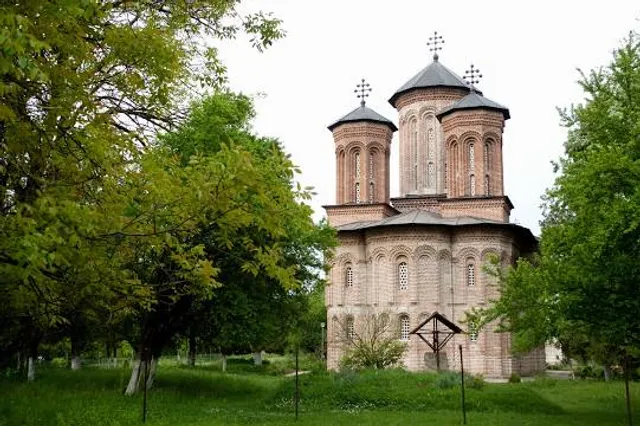
Snagov Monastery
RomaniaIlfovSnagovSnagov Monastery

Basic Info

Snagov Monastery

Strada Mânăstirea Vlad Ţepeş, Siliștea Snagovului 077117, Romania
4.2(970)
Open 24 hours
Save
spot

Ratings & Description

Info

Cultural
Outdoor
attractions: , restaurants:
logoLearn more insights from Wanderboat AI.
Phone
+40 724 768 949

Plan your stay

hotel
Pet-friendly Hotels in Snagov
Find a cozy hotel nearby and make it a full experience.

hotel
Affordable Hotels in Snagov
Find a cozy hotel nearby and make it a full experience.

hotel
The Coolest Hotels You Haven't Heard Of (Yet)
Find a cozy hotel nearby and make it a full experience.

hotel
Trending Stays Worth the Hype in Snagov
Find a cozy hotel nearby and make it a full experience.

Reviews

Things to do nearby

Explore Bucharest by bike
Mon, Dec 15 • 9:00 AM
Bucharest, Bucharest, 00000, Romania
View details

Ride through Bucharests countryside
Mon, Dec 15 • 9:00 AM
Mogoșoaia, Ilfov County, 13701 , Romania
View details

Get the Appoverlay
Get the AppOne tap to find yournext favorite spots!
Wanderboat LogoWanderboat

Your everyday Al companion for getaway ideas

CompanyAbout Us
InformationAI Trip PlannerSitemap
SocialXInstagramTiktokLinkedin
LegalTerms of ServicePrivacy Policy

Get the app

© 2025 Wanderboat. All rights reserved.
logo

Reviews of Snagov Monastery

4.2
(970)
avatar
5.0
5y

My journey to Snagov Monastery was everything I hoped it would be. Parking was easy, there's a free lot near the entrance to the bridge. Be warned: there's an old man who wanders around outside the lot promising to "watch your car" while you're in the monastery. He's perfectly harmless and really just wants a few leu. It's like 40 cents, I think you can afford it to make an old man smile.

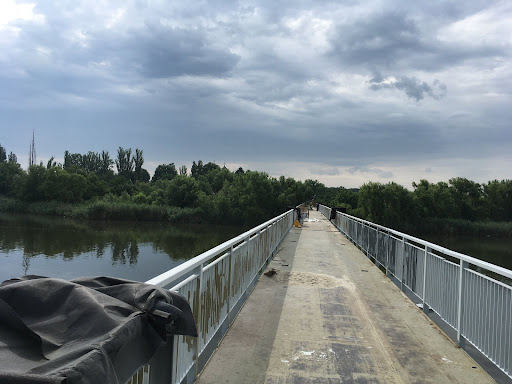
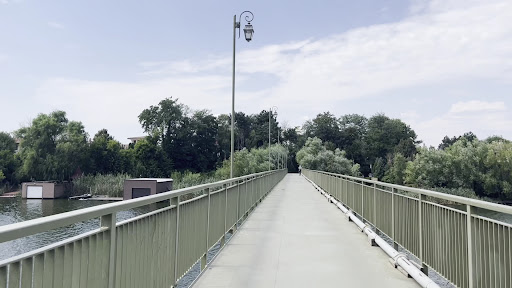
When I was crossing the bridge to get to the island, it was under construction, but I had no problems getting across.

The island itself was beautiful and quiet the entire time I was there, no other tourists arrived, so I guess I came on the right day. There was a young boy who took my entrance fee (I think it was 5 leu, but I gave him a 10 and told him to keep the change as a tip. Literally $4 folks...).

After taking my fee, he opened the doors of the sanctuary building and let me on my own. I was able to walk around and really take my time looking at all the amazing murals and religious icons in the sanctuary. I took as many pictures and videos as I wanted with no problems. There's an information board with info mostly in Romanian, but there are a lot of pictures, so you can kind of get the gist.

The island itself is a pleasure to walk around and you can do so on your own while admiring the architecture of the building. There is a little dock on the south side of the island where you can get an excellent view of the lake and the opposite shore. I believe there's an old government palace across the shore, which is now a public community building.

I really enjoyed my experience at Snagov Monastery, which was my very first tourist stop in Romania, just a short drive north of Bucharest. Seeing the actual tomb of Vlad the Impaler provided me a new perspective on his life and guided me in creating the Tarot of...

   Read more
avatar
5.0
6y

It's definitely worth it if you're interested in Vlad/Dracula history. I read quite a few reviews saying it's nothing special and to do do Mogosoaia Palace instead (which I found disappointing). It is a small monastery, but lovely nonetheless.

I read a few blogs/posts advising how to get here by public transport from Bucharest and my attempts were a total fail. Also asking at the bus information/ticket offices proved unsuccessful. If you search the internet, you will find guidance to go to the tram area at Piața Presei Libere, and get a maxi-taxi 444 or bus 443 to Siliștea Snagovului. When I asked at the ticket office, they kept directing me to buses going to Snagov plaza (443, 446, 447), but that stop is at least a 3-4 hr walk to the monastery. Then a staff member told me to get a bus stopping at an undefined "Monasterii" but it was between stops that were no where near Snagov. There were no buses going to Siliștea Snagovului (which is a 30 min walk to the monastery). There are only 2 maxi-taxis: 448 that does not go any where near the monastery and 444 (on the hour, last bus back at 6pm) which goes to Snagov village. I was told by someone on the maxi 444 that the stop in Snagov village is about 2 hr walk to the monastery, and that you can ask the driver to drop you off a bit further/closer to the monastery, but that it is still at least 1.5 hr walk to the monastery. In the end I got lucky with a taxi driver that was willing to do a return trip for 150 lei. All tours were sold out during my stay, but I recommend just doing a guided day tour from Bucharest.

I didn't have to pay for entry or to take pics. I didn't notice anyone else having...

   Read more
avatar
5.0
14w

A visit to Snagov Monastery is more than just a trip to a historical site; it's a unique excursion to a place steeped in both spiritual and historical legend. A Journey to a Hidden Island Located on an island in the middle of Lake Snagov, getting to the monastery is part of the experience. The journey, often by boat, adds a sense of peaceful seclusion, making you feel as though you are leaving the modern world behind to enter a place untouched by time. The serene waters of the lake and the lush greenery of the surrounding area create a tranquil and beautiful setting. A Place of Legend and History The monastery itself is a beautiful and quiet place, with a solemn atmosphere that encourages reflection. It is famous for a single, compelling reason: it is the rumored final resting place of Vlad the Impaler. While the historical truth of his burial site remains a subject of debate, visiting the small, unassuming tomb inside the church is a powerful and mysterious experience. It is a moment where history and legend collide, and you can't help but feel a sense of awe. A Worthwhile Excursion Snagov Monastery is not a simple walk-up attraction; it's a destination that requires a bit of effort to reach, but it is well worth it. The combination of the beautiful natural setting, the tranquil atmosphere of the monastery, and the captivating legend of Vlad the Impaler makes it a fascinating and memorable trip. It is a highly recommended excursion for anyone with an interest in history, legend, or simply a peaceful escape from the city.

There is strong energy felt...

   Read more
Page 1 of 7
Previous
Next

Posts

Travis McHenryTravis McHenry
My journey to Snagov Monastery was everything I hoped it would be. Parking was easy, there's a free lot near the entrance to the bridge. Be warned: there's an old man who wanders around outside the lot promising to "watch your car" while you're in the monastery. He's perfectly harmless and really just wants a few leu. It's like 40 cents, I think you can afford it to make an old man smile. When I was crossing the bridge to get to the island, it was under construction, but I had no problems getting across. The island itself was beautiful and quiet the entire time I was there, no other tourists arrived, so I guess I came on the right day. There was a young boy who took my entrance fee (I think it was 5 leu, but I gave him a 10 and told him to keep the change as a tip. Literally $4 folks...). After taking my fee, he opened the doors of the sanctuary building and let me on my own. I was able to walk around and really take my time looking at all the amazing murals and religious icons in the sanctuary. I took as many pictures and videos as I wanted with no problems. There's an information board with info mostly in Romanian, but there are a lot of pictures, so you can kind of get the gist. The island itself is a pleasure to walk around and you can do so on your own while admiring the architecture of the building. There is a little dock on the south side of the island where you can get an excellent view of the lake and the opposite shore. I believe there's an old government palace across the shore, which is now a public community building. I really enjoyed my experience at Snagov Monastery, which was my very first tourist stop in Romania, just a short drive north of Bucharest. Seeing the actual tomb of Vlad the Impaler provided me a new perspective on his life and guided me in creating the Tarot of Vlad Dracula.
Shanit RaphaelShanit Raphael
A visit to Snagov Monastery is more than just a trip to a historical site; it's a unique excursion to a place steeped in both spiritual and historical legend. A Journey to a Hidden Island Located on an island in the middle of Lake Snagov, getting to the monastery is part of the experience. The journey, often by boat, adds a sense of peaceful seclusion, making you feel as though you are leaving the modern world behind to enter a place untouched by time. The serene waters of the lake and the lush greenery of the surrounding area create a tranquil and beautiful setting. A Place of Legend and History The monastery itself is a beautiful and quiet place, with a solemn atmosphere that encourages reflection. It is famous for a single, compelling reason: it is the rumored final resting place of Vlad the Impaler. While the historical truth of his burial site remains a subject of debate, visiting the small, unassuming tomb inside the church is a powerful and mysterious experience. It is a moment where history and legend collide, and you can't help but feel a sense of awe. A Worthwhile Excursion Snagov Monastery is not a simple walk-up attraction; it's a destination that requires a bit of effort to reach, but it is well worth it. The combination of the beautiful natural setting, the tranquil atmosphere of the monastery, and the captivating legend of Vlad the Impaler makes it a fascinating and memorable trip. It is a highly recommended excursion for anyone with an interest in history, legend, or simply a peaceful escape from the city. There is strong energy felt inside the church
Liviu IAMANDILiviu IAMANDI
Mănăstirea Snagov a fost ridicată pe o insulă din partea nordică a lacului Snagov...lăcașul de cult este atestat documentar încă de pe vremea domnitorului Mircea cel Bătrân...Mănăstirea este legată însă de numele domnitorului Vlad Ţepeş, a cărui piatră de mormânt se află în interiorul bisericii, în fața altarului...în prezent, din vechea vatră monahală se mai păstrează doar biserica principală cu hramul Intrării Maicii Domnului în biserică, refăcută de domnitorului Neagoe Basarab între anii 1517-1521, clopotniţa şi vestigii ale vechilor chilii...de-a lungul timpului, numeroşi domnitori au contribuit la ridicarea acestui aşezământ, un adevărat centru de spiritualitate şi cultură ortodoxă...Domnitorul Vlad Ţepeş a construit pe insulă cea dintâi biserică de zid, chilii pentru monahi, clopotnița şi trapeza...în jurul anului 1456, Vlad Ţepeş dispune construirea unui zid de apărare, a unui pod, a unei închisori pentru trădători şi tâlhari şi a unui tunel de refugiu pe sub apă, tunel care, deşi ruinat, se păstrează până astăzi...se pare că nici Neagoe Basarab, nici Mircea Ciobanul n-au terminat de zugrăvit biserica Mănăstirii Snagov, aceasta rămâne în grija fiului lui Mircea Vodă şi al Doamnei Chiajna, Petru Voevod cel Tânăr (1558-1568), conform site-ului Arhiepiscopiei Bucureștilor..Matei Basarab (1632-1654) a ocupat tronul Ţări Româneşti în urma unei răscoale pornită contra grecilor şi ulterior va lua măsuri pentru dezrobirea mănăstirilor închinate, printre acestea se afla şi Mănăstirea Snagov...spre sfârşitul domniei lui Matei Basarab, în 1653, când Patriarhul Macarie al Antiohiei, însoţit de diaconul Paul de Alep, călătorea prin Ţările Române, Mănăstirea Snagov, s-a învrednicit să primească vizita acestui înalt ierarh...Paul de Alep, descriind călătoria, spune că Mănăstirea Snagov este ultima dintre lăcaşele sfinte ale Ţării Româneşti pe care au vizitat-o şi că e „situată într-o insulă cu un lac mare împrejur, deasupra căruia se află un pod, este o clădire veche cu hramul Intrarea Maicii Domnului în biserică şi că zidirea ei este în special atribuită lui Mircea Vodă, Radu Vodă, Basarab Voevod şi lui Petru Voevod”...în aprilie 1694, Constantin Brâncoveanu l-a numit pe Antim Ivireanul egumen al mănăstirii Snagov...teologul și omul de cultură de origine georgiană a desfășurat aici o bogată activitate tipografică, tipărind numeroase cărţi, nu numai în limba română dar şi în greacă, slavonă şi arabă...în martie 1705, Antim Ivireanul a părăsit Snagovul, fiind numit episcop de Râmnic Noul Severin...nu se ştie ce s-a întâmplat cu tipografia românească şi cea grecească de la Snagov după plecarea lui Antim Ivireanul, se presupune doar că a fost luată la Râmnic, iar cea arăbeasca se ştie că a fost dată de Constantin Brâncoveanu patriarhului de Antiohia, Atanasie al IV-lea Dabbas, care o duce la Alep, unde continuă să o folosească tipărind cărţi pentru conaţionalii săi...după plecarea lui Antim Ivireanul de la Snagov începe decăderea mănăstirii, şi ea nu va mai cunoaşte vreodată înflorirea la care ajunsese sub egumenia Sfântului Antim...în secolul al XIX-lea, mănăstirea s-a degradat treptat, ajungând în pragul desființării...la 5 februarie 1883, Administraţia domeniilor şi pădurilor Statului nota că „zidul ce înconjoară Mănăstirea Snagov este dărâmat până în faţa pământului, iar cărămida a fost luată de locuitorii cătunelor Snagov, Coadele, Turbaţi şi Dobroşeşti”...la începutul secolului XX au fost efectuate mai multe lucrări de refacere a lăcașului de cult, însă mănăstirea Snagov a intrat din nou într-un con de umbră în perioada comunistă, biserica fiind afectată de cutremurul din 1977...în anul 1991, Arhiepiscopia Bucureştilor cu sprijinul Ministerului Cultelor, a început reconsolidarea, reamenajarea şi restaurarea acestui monument istoric...în anul 2003 a început restaurarea picturii din pronaos şi altar...în prezent, pe insulă se ajunge pe o pasarelă pietonală din fier, construită după 2010...Biserica Mănăstirii Snagov a deţinut numeroase obiecte de cult, multe dintre ele fiind conservate astăzi la Muzeul Naţional de Artă...
See more posts
See more posts
hotel
Find your stay

Pet-friendly Hotels in Snagov

Find a cozy hotel nearby and make it a full experience.

My journey to Snagov Monastery was everything I hoped it would be. Parking was easy, there's a free lot near the entrance to the bridge. Be warned: there's an old man who wanders around outside the lot promising to "watch your car" while you're in the monastery. He's perfectly harmless and really just wants a few leu. It's like 40 cents, I think you can afford it to make an old man smile. When I was crossing the bridge to get to the island, it was under construction, but I had no problems getting across. The island itself was beautiful and quiet the entire time I was there, no other tourists arrived, so I guess I came on the right day. There was a young boy who took my entrance fee (I think it was 5 leu, but I gave him a 10 and told him to keep the change as a tip. Literally $4 folks...). After taking my fee, he opened the doors of the sanctuary building and let me on my own. I was able to walk around and really take my time looking at all the amazing murals and religious icons in the sanctuary. I took as many pictures and videos as I wanted with no problems. There's an information board with info mostly in Romanian, but there are a lot of pictures, so you can kind of get the gist. The island itself is a pleasure to walk around and you can do so on your own while admiring the architecture of the building. There is a little dock on the south side of the island where you can get an excellent view of the lake and the opposite shore. I believe there's an old government palace across the shore, which is now a public community building. I really enjoyed my experience at Snagov Monastery, which was my very first tourist stop in Romania, just a short drive north of Bucharest. Seeing the actual tomb of Vlad the Impaler provided me a new perspective on his life and guided me in creating the Tarot of Vlad Dracula.
Travis McHenry

Travis McHenry

hotel
Find your stay

Affordable Hotels in Snagov

Find a cozy hotel nearby and make it a full experience.

Get the Appoverlay
Get the AppOne tap to find yournext favorite spots!
A visit to Snagov Monastery is more than just a trip to a historical site; it's a unique excursion to a place steeped in both spiritual and historical legend. A Journey to a Hidden Island Located on an island in the middle of Lake Snagov, getting to the monastery is part of the experience. The journey, often by boat, adds a sense of peaceful seclusion, making you feel as though you are leaving the modern world behind to enter a place untouched by time. The serene waters of the lake and the lush greenery of the surrounding area create a tranquil and beautiful setting. A Place of Legend and History The monastery itself is a beautiful and quiet place, with a solemn atmosphere that encourages reflection. It is famous for a single, compelling reason: it is the rumored final resting place of Vlad the Impaler. While the historical truth of his burial site remains a subject of debate, visiting the small, unassuming tomb inside the church is a powerful and mysterious experience. It is a moment where history and legend collide, and you can't help but feel a sense of awe. A Worthwhile Excursion Snagov Monastery is not a simple walk-up attraction; it's a destination that requires a bit of effort to reach, but it is well worth it. The combination of the beautiful natural setting, the tranquil atmosphere of the monastery, and the captivating legend of Vlad the Impaler makes it a fascinating and memorable trip. It is a highly recommended excursion for anyone with an interest in history, legend, or simply a peaceful escape from the city. There is strong energy felt inside the church
Shanit Raphael

Shanit Raphael

hotel
Find your stay

The Coolest Hotels You Haven't Heard Of (Yet)

Find a cozy hotel nearby and make it a full experience.

hotel
Find your stay

Trending Stays Worth the Hype in Snagov

Find a cozy hotel nearby and make it a full experience.

Mănăstirea Snagov a fost ridicată pe o insulă din partea nordică a lacului Snagov...lăcașul de cult este atestat documentar încă de pe vremea domnitorului Mircea cel Bătrân...Mănăstirea este legată însă de numele domnitorului Vlad Ţepeş, a cărui piatră de mormânt se află în interiorul bisericii, în fața altarului...în prezent, din vechea vatră monahală se mai păstrează doar biserica principală cu hramul Intrării Maicii Domnului în biserică, refăcută de domnitorului Neagoe Basarab între anii 1517-1521, clopotniţa şi vestigii ale vechilor chilii...de-a lungul timpului, numeroşi domnitori au contribuit la ridicarea acestui aşezământ, un adevărat centru de spiritualitate şi cultură ortodoxă...Domnitorul Vlad Ţepeş a construit pe insulă cea dintâi biserică de zid, chilii pentru monahi, clopotnița şi trapeza...în jurul anului 1456, Vlad Ţepeş dispune construirea unui zid de apărare, a unui pod, a unei închisori pentru trădători şi tâlhari şi a unui tunel de refugiu pe sub apă, tunel care, deşi ruinat, se păstrează până astăzi...se pare că nici Neagoe Basarab, nici Mircea Ciobanul n-au terminat de zugrăvit biserica Mănăstirii Snagov, aceasta rămâne în grija fiului lui Mircea Vodă şi al Doamnei Chiajna, Petru Voevod cel Tânăr (1558-1568), conform site-ului Arhiepiscopiei Bucureștilor..Matei Basarab (1632-1654) a ocupat tronul Ţări Româneşti în urma unei răscoale pornită contra grecilor şi ulterior va lua măsuri pentru dezrobirea mănăstirilor închinate, printre acestea se afla şi Mănăstirea Snagov...spre sfârşitul domniei lui Matei Basarab, în 1653, când Patriarhul Macarie al Antiohiei, însoţit de diaconul Paul de Alep, călătorea prin Ţările Române, Mănăstirea Snagov, s-a învrednicit să primească vizita acestui înalt ierarh...Paul de Alep, descriind călătoria, spune că Mănăstirea Snagov este ultima dintre lăcaşele sfinte ale Ţării Româneşti pe care au vizitat-o şi că e „situată într-o insulă cu un lac mare împrejur, deasupra căruia se află un pod, este o clădire veche cu hramul Intrarea Maicii Domnului în biserică şi că zidirea ei este în special atribuită lui Mircea Vodă, Radu Vodă, Basarab Voevod şi lui Petru Voevod”...în aprilie 1694, Constantin Brâncoveanu l-a numit pe Antim Ivireanul egumen al mănăstirii Snagov...teologul și omul de cultură de origine georgiană a desfășurat aici o bogată activitate tipografică, tipărind numeroase cărţi, nu numai în limba română dar şi în greacă, slavonă şi arabă...în martie 1705, Antim Ivireanul a părăsit Snagovul, fiind numit episcop de Râmnic Noul Severin...nu se ştie ce s-a întâmplat cu tipografia românească şi cea grecească de la Snagov după plecarea lui Antim Ivireanul, se presupune doar că a fost luată la Râmnic, iar cea arăbeasca se ştie că a fost dată de Constantin Brâncoveanu patriarhului de Antiohia, Atanasie al IV-lea Dabbas, care o duce la Alep, unde continuă să o folosească tipărind cărţi pentru conaţionalii săi...după plecarea lui Antim Ivireanul de la Snagov începe decăderea mănăstirii, şi ea nu va mai cunoaşte vreodată înflorirea la care ajunsese sub egumenia Sfântului Antim...în secolul al XIX-lea, mănăstirea s-a degradat treptat, ajungând în pragul desființării...la 5 februarie 1883, Administraţia domeniilor şi pădurilor Statului nota că „zidul ce înconjoară Mănăstirea Snagov este dărâmat până în faţa pământului, iar cărămida a fost luată de locuitorii cătunelor Snagov, Coadele, Turbaţi şi Dobroşeşti”...la începutul secolului XX au fost efectuate mai multe lucrări de refacere a lăcașului de cult, însă mănăstirea Snagov a intrat din nou într-un con de umbră în perioada comunistă, biserica fiind afectată de cutremurul din 1977...în anul 1991, Arhiepiscopia Bucureştilor cu sprijinul Ministerului Cultelor, a început reconsolidarea, reamenajarea şi restaurarea acestui monument istoric...în anul 2003 a început restaurarea picturii din pronaos şi altar...în prezent, pe insulă se ajunge pe o pasarelă pietonală din fier, construită după 2010...Biserica Mănăstirii Snagov a deţinut numeroase obiecte de cult, multe dintre ele fiind conservate astăzi la Muzeul Naţional de Artă...
Liviu IAMANDI

Liviu IAMANDI

See more posts
See more posts