HTML SitemapExplore

Yuzhno-Ural'skiy Gosudarstvennyy Prirodnyy Zapovednik — Attraction in Инзерский сельсовет

Name
Yuzhno-Ural'skiy Gosudarstvennyy Prirodnyy Zapovednik
Description
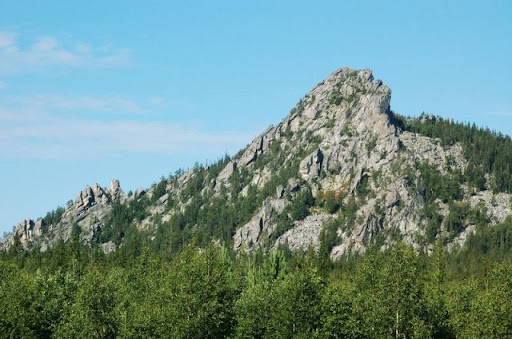
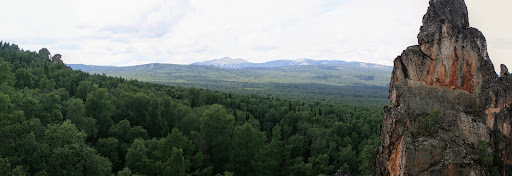
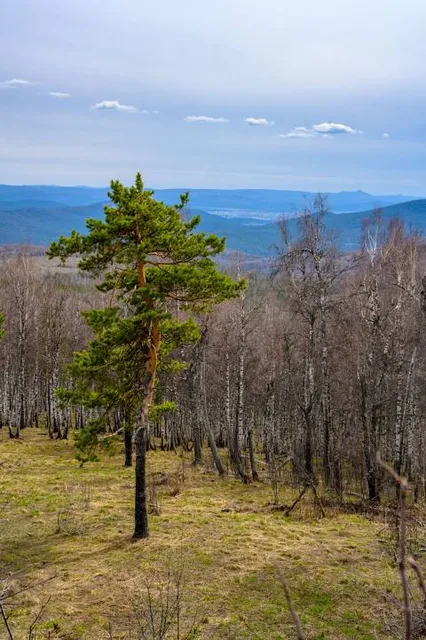
South Ural Nature Reserve is a Russian 'zapovednik' protecting mountain taiga ecosystems in the highest part of the Southern Ural Mountains. Several mountain ranges run through the territory: Mashak, Zigalga, Nara Kumardak and Yamantau.
Nearby attractions
Nearby restaurants
Nearby local services
Nearby hotels
Related posts
Keywords
Yuzhno-Ural'skiy Gosudarstvennyy Prirodnyy Zapovednik tourism.Yuzhno-Ural'skiy Gosudarstvennyy Prirodnyy Zapovednik hotels.Yuzhno-Ural'skiy Gosudarstvennyy Prirodnyy Zapovednik bed and breakfast. flights to Yuzhno-Ural'skiy Gosudarstvennyy Prirodnyy Zapovednik.Yuzhno-Ural'skiy Gosudarstvennyy Prirodnyy Zapovednik attractions.Yuzhno-Ural'skiy Gosudarstvennyy Prirodnyy Zapovednik restaurants.Yuzhno-Ural'skiy Gosudarstvennyy Prirodnyy Zapovednik local services.Yuzhno-Ural'skiy Gosudarstvennyy Prirodnyy Zapovednik travel.Yuzhno-Ural'skiy Gosudarstvennyy Prirodnyy Zapovednik travel guide.Yuzhno-Ural'skiy Gosudarstvennyy Prirodnyy Zapovednik travel blog.Yuzhno-Ural'skiy Gosudarstvennyy Prirodnyy Zapovednik pictures.Yuzhno-Ural'skiy Gosudarstvennyy Prirodnyy Zapovednik photos.Yuzhno-Ural'skiy Gosudarstvennyy Prirodnyy Zapovednik travel tips.Yuzhno-Ural'skiy Gosudarstvennyy Prirodnyy Zapovednik maps.Yuzhno-Ural'skiy Gosudarstvennyy Prirodnyy Zapovednik things to do.
Yuzhno-Ural'skiy Gosudarstvennyy Prirodnyy Zapovednik things to do, attractions, restaurants, events info and trip planning
Yuzhno-Ural'skiy Gosudarstvennyy Prirodnyy Zapovednik
RussiaBashkortostanИнзерский сельсоветYuzhno-Ural'skiy Gosudarstvennyy Prirodnyy Zapovednik

Basic Info

Yuzhno-Ural'skiy Gosudarstvennyy Prirodnyy Zapovednik

п, Реветь, Republic of Bashkortostan, Russia, 453570
4.7(664)
Open until 6:00 PM
Save
spot

Ratings & Description

Info

South Ural Nature Reserve is a Russian 'zapovednik' protecting mountain taiga ecosystems in the highest part of the Southern Ural Mountains. Several mountain ranges run through the territory: Mashak, Zigalga, Nara Kumardak and Yamantau.

Outdoor
Adventure
Scenic
Off the beaten path
attractions: , restaurants: , local businesses:
logoLearn more insights from Wanderboat AI.
Phone
+7 962 538-91-65
Website
south-ural-reserve.ru
Open hoursSee all hours
Thu9 am - 6 pmOpen

Plan your stay

hotel
Pet-friendly Hotels in Инзерский сельсовет
Find a cozy hotel nearby and make it a full experience.
hotel
Affordable Hotels in Инзерский сельсовет
Find a cozy hotel nearby and make it a full experience.
hotel
The Coolest Hotels You Haven't Heard Of (Yet)
Find a cozy hotel nearby and make it a full experience.
hotel
Trending Stays Worth the Hype in Инзерский сельсовет
Find a cozy hotel nearby and make it a full experience.

Reviews

Get the Appoverlay
Get the AppOne tap to find yournext favorite spots!
Wanderboat LogoWanderboat

Your everyday Al companion for getaway ideas

CompanyAbout Us
InformationAI Trip PlannerSitemap
SocialXInstagramTiktokLinkedin
LegalTerms of ServicePrivacy Policy

Get the app

© 2025 Wanderboat. All rights reserved.

Reviews of Yuzhno-Ural'skiy Gosudarstvennyy Prirodnyy Zapovednik

4.7
(664)
avatar
5.0
2y

South Ural Nature Reserve is a Russian 'zapovednik' (strict nature reserve) protecting mountain taiga ecosystems in the highest part of the Southern Ural Mountains. Several mountain ranges run through the territory: Mashak, Zigalga, Nara Kumardak and Yamantau. Mt. Yamantau reaches 1,640 metres (5,380 ft), and is the highest mountain in the Southern Urals. 90% of the reserve is situated in the Beloretsky District of Bashkortostan, the remainder is in Chelyabinsk Oblast. The regional city of Ufa is about 200 km to the northwest.

The South Ural Reserve terrain consists of several mountain ridges (Mashak, Zigalga, Nara Kumardak and Yamantau) running in parallel from southwest to northeast, with broad inter-mountain valleys and cross-river cuts that create a lattice structure. The area was not fully glaciated, but shows evidence of local glaciation (moraine deposits) on the mountain and plateaus. All of the rivers in the territory are classified as small rivers or streams; the longest is the Small Inzer River, which is 93 km long and runs entirely within the reserve boundaries. The streams have fast currents and rocky beds. There are several small bogs in the reserve. The South Urals reserve is surrounded on all sides by forestry zones.

The area has been heavily affected by successive waves of economic activity in the area. The region was the site of extensive iron foundries in the 1700s and 1800s, which the attendant pollution of rivers and extensive cutting of trees to feed the charcoal kilns. In the early 1900s, commercial logging expanded, and during the war several internment camps were built inside one of the borders along with a narrow gauge railroad. In the 1970s, roads, powerlines, and pipelines were laid across parts of the territory. In 1979, the reserve was established to restore and protect a large section of representative Southern Ural forest.

South Ural is located in the Urals montane tundra and taiga ecoregion. This ecoregion covers the Ural Mountains in a band that is narrow from west-east, but runs up most of the divide between European and Asiatic Russia. It is a meeting zones of taiga and tundra tree and plant species.

The climate of the South Ural Reserve is Humid continental climate, warm summer (Köppen climate classification (Dfb)). This climate is characterized by large swings in temperature, both diurnally and seasonally, with mild summers and cold, snowy winters. In the South Ural Reserve, average annual precipitation is 667 mm, the growing season averages 168 days, and the average frost-free period, from May 30 to mid September, averages 107 days. At the highest elevations, the precipitation rises to 1,100 mm, and the frost-free period drops to 60 days.

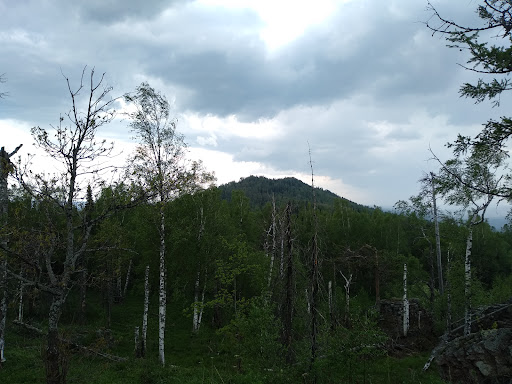
Forests cover 89% of the ground; they are a mix of light conifers (4 species) and deciduous (10 species, including aspen and birch). Above 1200 meters, the zone of mountain tundra is one of shrub-moss plant communities. Scientists on the reserve have recorded 700 species of vascular plants.

The mammals of the reserve are forest species. Moose are common, as a black bear. 13 different predator species are present (including wolves as permanent residents), indicating significant prey that include deer and elk. 50 different mammal species have been recorded. 168 species of birds have been recorded, with...

   Read more

avatar
5.0
8y

Южно-Уральский государственный природный заповедник расположен на территории Белорецкого района Башкортостана и, частично, Челябинской области. Образован в 1978 г. для охраны и изучения горно-таежных экосистем Южного Урала. Общая площадь 252,8 тыс. га. На территории заповедника расположены несколько горных хребтов — Машак, Зигальга, Нары, Кумардак и Ямантау. Гора Большой Ямантау, имеющая высоту 1640 м, является самой высокой горой Южного Урала. Доступ на территорию заповедника ограничен. Существуют предположения, что заповедник был основан в целях ограничения доступа к секретным объектам, расположенным в...

   Read more
avatar
5.0
51w

great place to disappear in forever and live as a hunter gatherer for the rest of your life because you are so sick of...

   Read more
Page 1 of 7
Previous
Next

Posts

Alireza HooshmandAlireza Hooshmand
South Ural Nature Reserve is a Russian 'zapovednik' (strict nature reserve) protecting mountain taiga ecosystems in the highest part of the Southern Ural Mountains. Several mountain ranges run through the territory: Mashak, Zigalga, Nara Kumardak and Yamantau. Mt. Yamantau reaches 1,640 metres (5,380 ft), and is the highest mountain in the Southern Urals. 90% of the reserve is situated in the Beloretsky District of Bashkortostan, the remainder is in Chelyabinsk Oblast. The regional city of Ufa is about 200 km to the northwest. The South Ural Reserve terrain consists of several mountain ridges (Mashak, Zigalga, Nara Kumardak and Yamantau) running in parallel from southwest to northeast, with broad inter-mountain valleys and cross-river cuts that create a lattice structure. The area was not fully glaciated, but shows evidence of local glaciation (moraine deposits) on the mountain and plateaus. All of the rivers in the territory are classified as small rivers or streams; the longest is the Small Inzer River, which is 93 km long and runs entirely within the reserve boundaries. The streams have fast currents and rocky beds. There are several small bogs in the reserve. The South Urals reserve is surrounded on all sides by forestry zones. The area has been heavily affected by successive waves of economic activity in the area. The region was the site of extensive iron foundries in the 1700s and 1800s, which the attendant pollution of rivers and extensive cutting of trees to feed the charcoal kilns. In the early 1900s, commercial logging expanded, and during the war several internment camps were built inside one of the borders along with a narrow gauge railroad. In the 1970s, roads, powerlines, and pipelines were laid across parts of the territory. In 1979, the reserve was established to restore and protect a large section of representative Southern Ural forest. South Ural is located in the Urals montane tundra and taiga ecoregion. This ecoregion covers the Ural Mountains in a band that is narrow from west-east, but runs up most of the divide between European and Asiatic Russia. It is a meeting zones of taiga and tundra tree and plant species. The climate of the South Ural Reserve is Humid continental climate, warm summer (Köppen climate classification (Dfb)). This climate is characterized by large swings in temperature, both diurnally and seasonally, with mild summers and cold, snowy winters. In the South Ural Reserve, average annual precipitation is 667 mm, the growing season averages 168 days, and the average frost-free period, from May 30 to mid September, averages 107 days. At the highest elevations, the precipitation rises to 1,100 mm, and the frost-free period drops to 60 days. Forests cover 89% of the ground; they are a mix of light conifers (4 species) and deciduous (10 species, including aspen and birch). Above 1200 meters, the zone of mountain tundra is one of shrub-moss plant communities. Scientists on the reserve have recorded 700 species of vascular plants. The mammals of the reserve are forest species. Moose are common, as a black bear. 13 different predator species are present (including wolves as permanent residents), indicating significant prey that include deer and elk. 50 different mammal species have been recorded. 168 species of birds have been recorded, with 132 nesting.
Алексей РодионовАлексей Родионов
Южно-Уральский государственный природный заповедник расположен на территории Белорецкого района Башкортостана и, частично, Челябинской области. Образован в 1978 г. для охраны и изучения горно-таежных экосистем Южного Урала. Общая площадь 252,8 тыс. га. На территории заповедника расположены несколько горных хребтов — Машак, Зигальга, Нары, Кумардак и Ямантау. Гора Большой Ямантау, имеющая высоту 1640 м, является самой высокой горой Южного Урала. Доступ на территорию заповедника ограничен. Существуют предположения, что заповедник был основан в целях ограничения доступа к секретным объектам, расположенным в городе Межгорье.
Екатерина БеберштейнЕкатерина Беберштейн
Поднимались на гору Малый Ямантау, хоть с погодой и не повезло, вид с горы все таки занимательный, для посещения можно рекомендовать. Но надо быть готовым к тому, что подъем будет затяжной примерно в 5 км и будут встречаться клещи, что, конечно, мало приятно. Надо позаботиться об этом самим - прививка, репелленты, все дела.
See more posts
See more posts
hotel
Find your stay

Pet-friendly Hotels in Инзерский сельсовет

Find a cozy hotel nearby and make it a full experience.

South Ural Nature Reserve is a Russian 'zapovednik' (strict nature reserve) protecting mountain taiga ecosystems in the highest part of the Southern Ural Mountains. Several mountain ranges run through the territory: Mashak, Zigalga, Nara Kumardak and Yamantau. Mt. Yamantau reaches 1,640 metres (5,380 ft), and is the highest mountain in the Southern Urals. 90% of the reserve is situated in the Beloretsky District of Bashkortostan, the remainder is in Chelyabinsk Oblast. The regional city of Ufa is about 200 km to the northwest. The South Ural Reserve terrain consists of several mountain ridges (Mashak, Zigalga, Nara Kumardak and Yamantau) running in parallel from southwest to northeast, with broad inter-mountain valleys and cross-river cuts that create a lattice structure. The area was not fully glaciated, but shows evidence of local glaciation (moraine deposits) on the mountain and plateaus. All of the rivers in the territory are classified as small rivers or streams; the longest is the Small Inzer River, which is 93 km long and runs entirely within the reserve boundaries. The streams have fast currents and rocky beds. There are several small bogs in the reserve. The South Urals reserve is surrounded on all sides by forestry zones. The area has been heavily affected by successive waves of economic activity in the area. The region was the site of extensive iron foundries in the 1700s and 1800s, which the attendant pollution of rivers and extensive cutting of trees to feed the charcoal kilns. In the early 1900s, commercial logging expanded, and during the war several internment camps were built inside one of the borders along with a narrow gauge railroad. In the 1970s, roads, powerlines, and pipelines were laid across parts of the territory. In 1979, the reserve was established to restore and protect a large section of representative Southern Ural forest. South Ural is located in the Urals montane tundra and taiga ecoregion. This ecoregion covers the Ural Mountains in a band that is narrow from west-east, but runs up most of the divide between European and Asiatic Russia. It is a meeting zones of taiga and tundra tree and plant species. The climate of the South Ural Reserve is Humid continental climate, warm summer (Köppen climate classification (Dfb)). This climate is characterized by large swings in temperature, both diurnally and seasonally, with mild summers and cold, snowy winters. In the South Ural Reserve, average annual precipitation is 667 mm, the growing season averages 168 days, and the average frost-free period, from May 30 to mid September, averages 107 days. At the highest elevations, the precipitation rises to 1,100 mm, and the frost-free period drops to 60 days. Forests cover 89% of the ground; they are a mix of light conifers (4 species) and deciduous (10 species, including aspen and birch). Above 1200 meters, the zone of mountain tundra is one of shrub-moss plant communities. Scientists on the reserve have recorded 700 species of vascular plants. The mammals of the reserve are forest species. Moose are common, as a black bear. 13 different predator species are present (including wolves as permanent residents), indicating significant prey that include deer and elk. 50 different mammal species have been recorded. 168 species of birds have been recorded, with 132 nesting.
Alireza Hooshmand

Alireza Hooshmand

hotel
Find your stay

Affordable Hotels in Инзерский сельсовет

Find a cozy hotel nearby and make it a full experience.

Get the Appoverlay
Get the AppOne tap to find yournext favorite spots!
Южно-Уральский государственный природный заповедник расположен на территории Белорецкого района Башкортостана и, частично, Челябинской области. Образован в 1978 г. для охраны и изучения горно-таежных экосистем Южного Урала. Общая площадь 252,8 тыс. га. На территории заповедника расположены несколько горных хребтов — Машак, Зигальга, Нары, Кумардак и Ямантау. Гора Большой Ямантау, имеющая высоту 1640 м, является самой высокой горой Южного Урала. Доступ на территорию заповедника ограничен. Существуют предположения, что заповедник был основан в целях ограничения доступа к секретным объектам, расположенным в городе Межгорье.
Алексей Родионов

Алексей Родионов

hotel
Find your stay

The Coolest Hotels You Haven't Heard Of (Yet)

Find a cozy hotel nearby and make it a full experience.

hotel
Find your stay

Trending Stays Worth the Hype in Инзерский сельсовет

Find a cozy hotel nearby and make it a full experience.

Поднимались на гору Малый Ямантау, хоть с погодой и не повезло, вид с горы все таки занимательный, для посещения можно рекомендовать. Но надо быть готовым к тому, что подъем будет затяжной примерно в 5 км и будут встречаться клещи, что, конечно, мало приятно. Надо позаботиться об этом самим - прививка, репелленты, все дела.
Екатерина Беберштейн

Екатерина Беберштейн

See more posts
See more posts