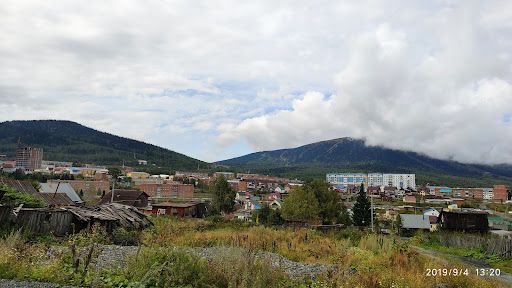
Shorsky National Park is a forested, mountainous area in southwestern Siberia, where the West Siberian Plain meets the South Siberian Mountains. It is representative of areas with dark taiga tree cover (92% of the park is forested). With an area of 1,614 square miles (4,180 km2), the park covers over a third of Tashtagolsky District at the southern end of Kemerovo Oblast, about 300 kilometres (190 mi) south of the city of Kemerovo. The area is the home of the Shors people, and has historically been associated with mining and logging industries before being established as a protected area in 1989.
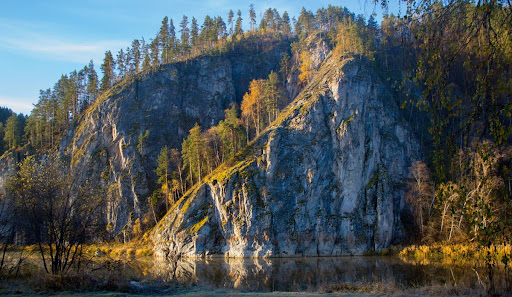
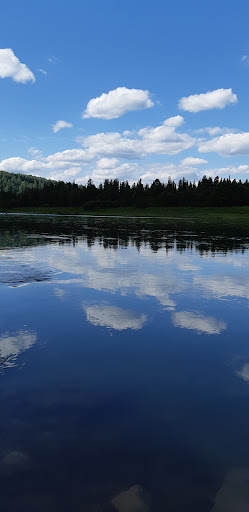
Most of the park is of medium-sized mountains, with deep river valleys. The mountains average 500–800 metres (1,600–2,600 ft) in height above sea level, with a maximum of 1,555 metres (5,102 ft) on Kubez Mountain. On the west it is bordered by a spur of the higher Altai mountain range, and to the east by the Abakan Range. The Mrassu River (meaning "Siberian Pine River" in the Shor language), is the main river through the park, running from north to south through its middle. The park stretches 110 km north to south, and 90 km east to west. Much of the geology is karst landscape, with soluble rocks such as limestone creating the conditions for springs, caves, and unusual rock formations.
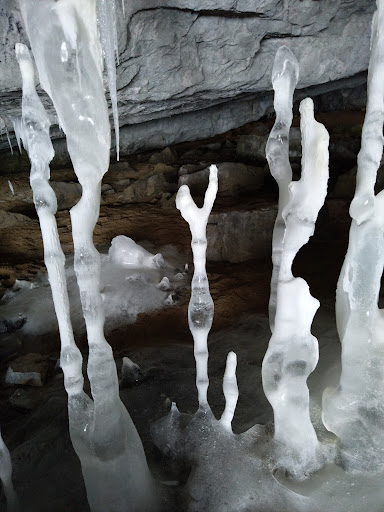
The park provides paths and access to particular land-forms of interest. These include the "Saga Waterfall", a multi-tier cascade over rocks to a calm pool and grotto from a height of 15 meters; the "Tsar's Gate" rocks, a large formation with a hole through it on a rise over the Mrassu river; the "Moonlight" cave, 200 meters long and covered inside with stalactites and stalagmites; the "Azasskoy" cave, which boasts a large gallery; and over 60 other named caves and outcrops.
The climate of Shorsky is Humid continental climate, warm summer. This climate is characterized by large swings in temperature, both diurnally and seasonally, with mild summers and cold, snowy winters. The area as unusual characteristics due to the distance from ocean, the topography of the surrounding area, and the local westerly winds – the park is an area of local high temperatures and high precipitation (rainfall averages 950 mm/year, and average snow cover is 70 cm).
Large mammals in the park include brown bear, red deer, roe deer, mink, and sable (for which is the area is particularly known). There are 61 recorded mammal species, 183 bird species, and 14 species of fish. Other predatory mammals include wolf, fox, wolverine, weasel, ermine, mink, otter, badger, and lynx. There are relatively few species associated with steppe and...
Read more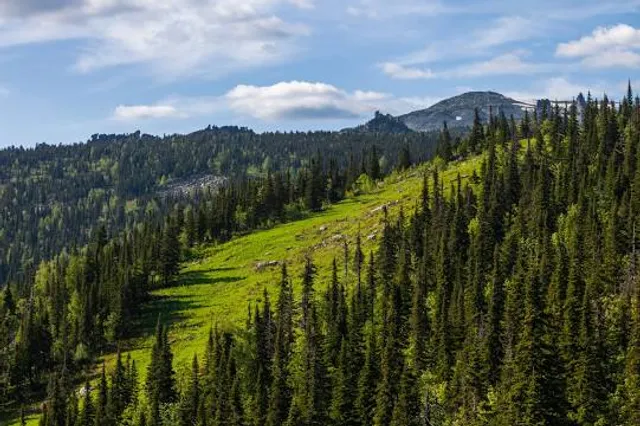
 Learn more insights from Wanderboat AI.