Oreshek Fortress things to do, attractions, restaurants, events info and trip planning
Basic Info
Oreshek Fortress
о. Ореховый, крепость Орешек, Shlisselburg, Leningrad Oblast, Russia, 187320
4.7(1.9K)
Open until 6:00 PM

tickets
Save
spot
spot
Ratings & Description
Info
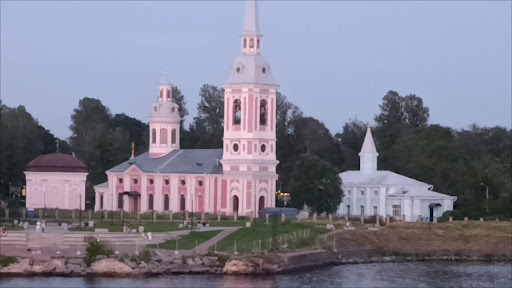
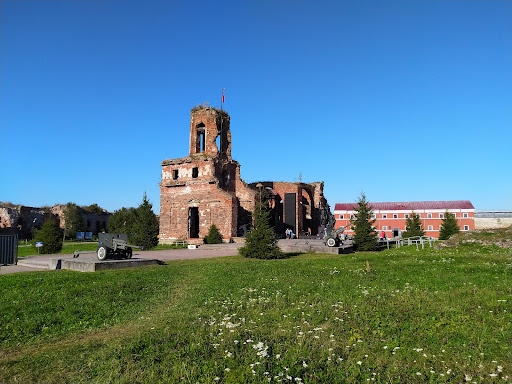
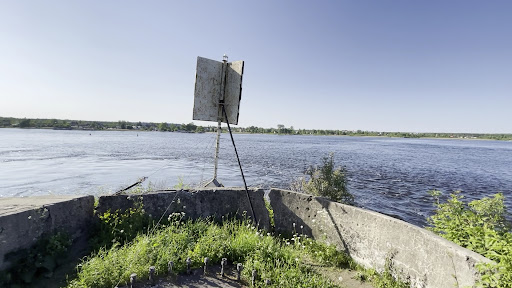
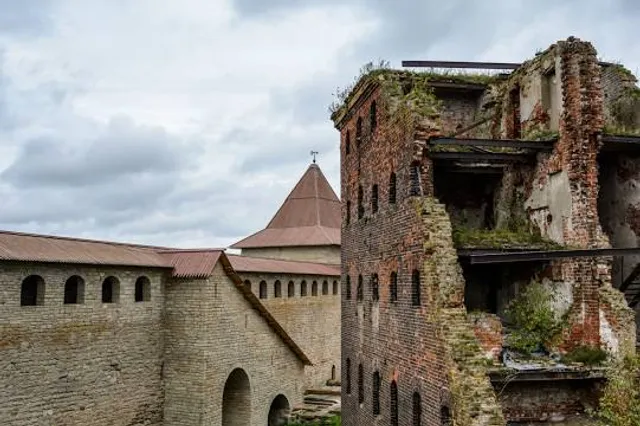
The Shlisselburg Fortress or Oreshek Fortress is one of a series of fortifications built in Oreshek on Orekhovy Island in Lake Ladoga, near the present-day city of Saint Petersburg, Russia. The first fortress was built in 1323.
Cultural
Outdoor
Family friendly
attractions: Monument to Peter the Great, Pamyatnik S. L. Vladislavichu-Raguzinskomu, restaurants: , local businesses: Cathedral of the Nativity of St. John the Baptist
 Learn more insights from Wanderboat AI.
Phone
+7 812 230-64-31
Website
spbmuseum.ru
Open hoursSee all hours
Tue10 AM - 6 PMOpen
Plan your stay

Pet-friendly Hotels in Shlisselburg
Find a cozy hotel nearby and make it a full experience.

Affordable Hotels in Shlisselburg
Find a cozy hotel nearby and make it a full experience.

The Coolest Hotels You Haven't Heard Of (Yet)
Find a cozy hotel nearby and make it a full experience.

Trending Stays Worth the Hype in Shlisselburg
Find a cozy hotel nearby and make it a full experience.
Reviews
Nearby attractions of Oreshek Fortress
Monument to Peter the Great
Pamyatnik S. L. Vladislavichu-Raguzinskomu
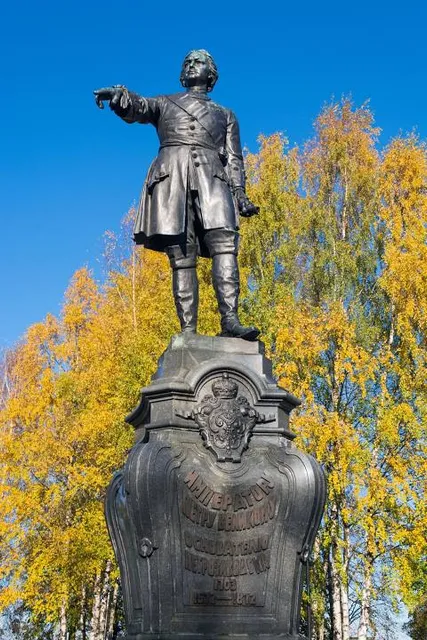
Monument to Peter the Great
4.6
(151)
Open until 12:00 AM
Click for details

Pamyatnik S. L. Vladislavichu-Raguzinskomu
4.5
(47)
Open until 12:00 AM
Click for details
Nearby local services of Oreshek Fortress
Cathedral of the Nativity of St. John the Baptist
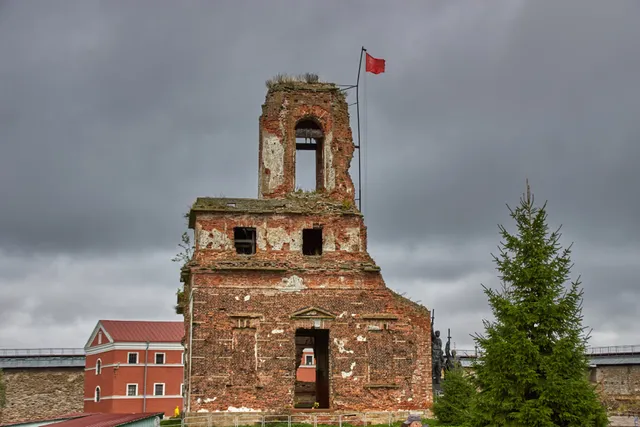
Cathedral of the Nativity of St. John the Baptist
4.7
(15)
Click for details