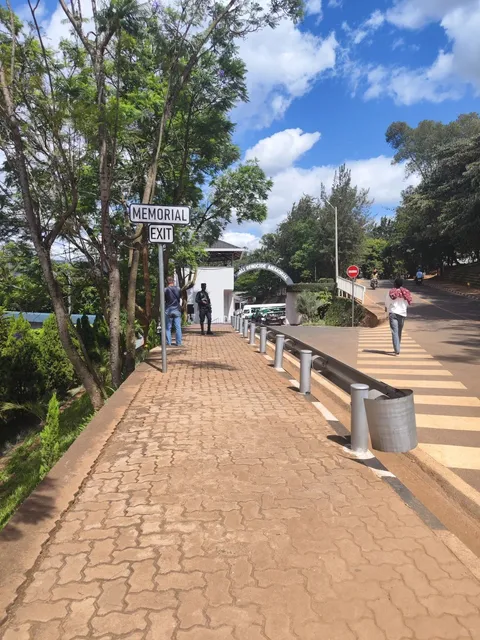
The Genocide Memorial Center, often referring to the Kigali Genocide Memorial in Rwanda, stands as a profound and emotional testament to the victims of the 1994 Rwandan Genocide. It serves both as a place of remembrance and as an educational institution. Here’s an overview of what visitors typically experience:
Historical Significance
The memorial plays a crucial role in preserving the history of one of the most tragic events of the 20th century. The Rwandan Genocide, which resulted in the deaths of approximately 800,000 Tutsis and moderate Hutus, left deep scars. The memorial not only commemorates the lives lost but also acts as a sobering reminder of the horrors of ethnic violence and the devastating consequences of hatred.
Exhibits and Displays
The Kigali Genocide Memorial is home to several powerful exhibitions that delve into the history, events, and aftermath of the genocide. Visitors will find photographs, personal testimonies, and accounts of the genocide’s victims and survivors. The center covers topics such as the origins of ethnic tensions, the role of international actors, and the aftermath of the genocide.
One of the most moving parts of the memorial is the mass graves where thousands of victims are buried. The somber atmosphere serves as a reminder of the scale of the tragedy.
Educational Role
The center is not only a memorial but also an important educational resource. It is dedicated to teaching visitors about the dangers of genocide, the importance of tolerance, and the need for peace. The center’s outreach programs, workshops, and resources continue to raise awareness on issues of human rights and justice.
Atmosphere
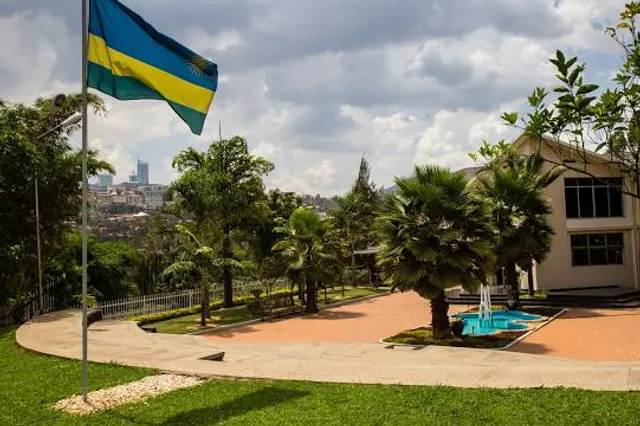
The Kigali Genocide Memorial is a quiet, respectful space. The site is well-maintained, with beautifully landscaped grounds, which include gardens symbolizing hope and reconciliation. The stark contrast between the peaceful surroundings and the horrific history it commemorates deepens the emotional impact.
Visitor Experience
Visitors often describe their experience as deeply moving, even overwhelming. The combination of visual storytelling, personal stories, and the solemnity of the site creates an atmosphere of reflection and remembrance. The memorial has received positive reviews for being well-organized and respectful while being educational and impactful.
Impact on Reconciliation
In addition to remembrance, the memorial emphasizes reconciliation and healing. Rwanda has made tremendous strides in rebuilding and fostering national unity post-genocide, and the memorial is a crucial part of that process. It reminds visitors of the importance of forgiveness, understanding, and creating a peaceful future, free of hate.
Conclusion:
The Genocide Memorial Center is a must-visit for anyone seeking to understand Rwanda's history, the impact of genocide, and the country's journey toward reconciliation. It is a place of learning, mourning, and reflection that challenges visitors to think deeply about human rights, peace,...
Read moreI arrived in Kigali on a Friday morning, had some rest at my Hotel and later moved out to enjoy the serenity of the City, I reached the Memorial after closing time and was advised to go back the next day.
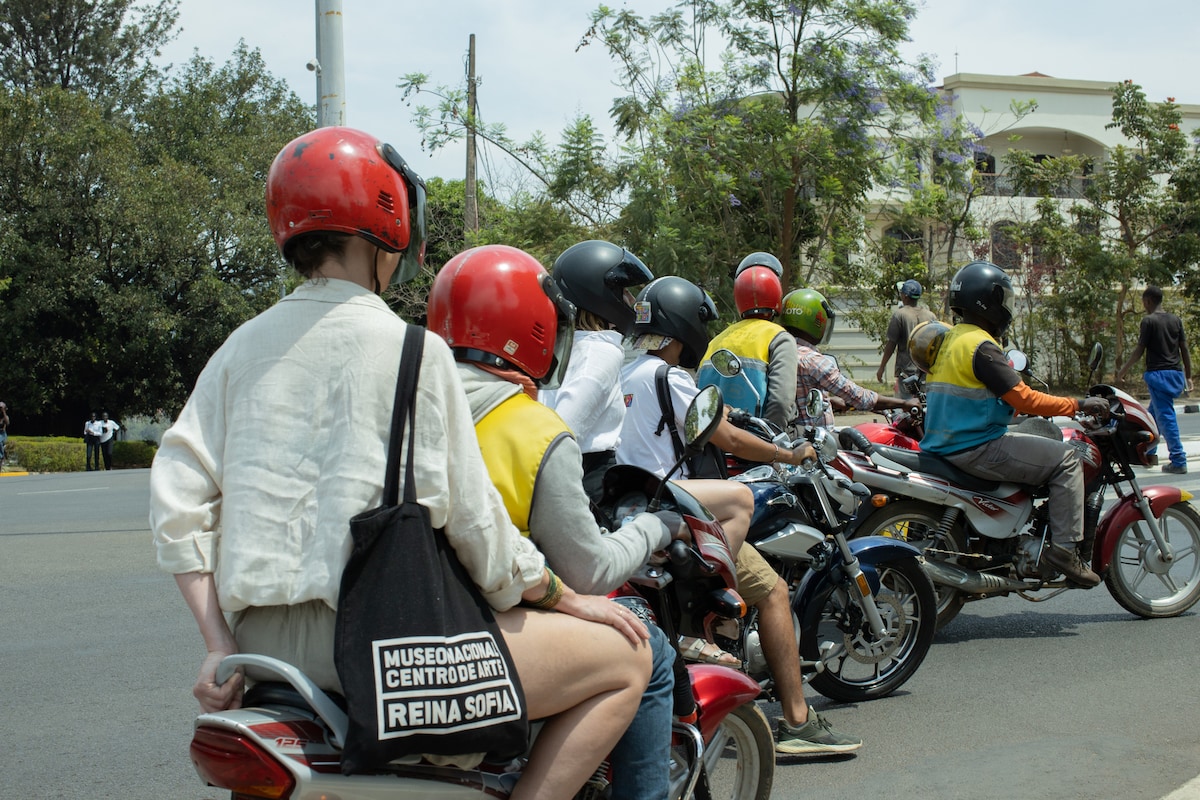
Very early on Saturday, I grabbed a bike to the Memorial and was welcomed by the Security, went through the security procedure and then to the Memorial reception where I was also welcomed.
I was asked if I needed the Audio version of the Genocide victims but I am not someone who really likes things in my ears so side no, politely. To note THE Audio costs around 30 USD, which in my opinion is fair. Since I had said no to the, I asked the receptionist if touring the place is free and guess what, yeah it's totally free. But in case any one wants to Donate to the Memorial, that is also ok.
I forgot to tell you, I was there with other visitors, from other parts of the world, and we ushered into a room with a big screen to show us, how it all started, survival stories, and rehabilitation.
We then moved into the Memorial building "museum", where there are some weapons that were used, photos, stories of the genocide started, those who died, pictures of victims, from old people to the children. It was a bit terrifying and almost tears came out of my eyes.
I moved around, the mass graves, the open graves, the amphitheater, The flame of remembrance, the Rose gardens and the peace school.
I took some shots attached, it's a great place to Visit if you are interested in Learning about the Rwanda Genocide.
However, kindly take of the time the Memorial opens and closes 9: 00AM to 4:00PM, My first visit on Friday I reached there after 4:00 PM and was advised to come back the next day which...
Read moreOh my God I side here I got to know and Learn more than I have heard. I got to understand why in present day there are no tribes in Rwanda. It is these tribal or class issues that brought about division to the point of losing lives a 5hing 5gat grew into the genocide. It was just one hundred days of blood she'd but claimed more than millions of lives.
Anywhere let me guide you about the place.
first and foremost you will have to go through the security and then head to the reception. Entrance into the memorial and it's museum is free. But if you need a quick guide in English you can pay a few dollars (I don't remember the exact amount but it was not more than twenty dollars) this is like an ear piece which guide you through the memorial museum.
The walk through the museum starts with a short movie which is about ten minutes long which gives a highlight of what is inside. At this very first place, I was all tears and tears. Till the last bit. It also ends with a short movie still showing the life after the genocide.
The mass graves are out and the rose gardens tooo.
Around this place, a peace school has been built o as to promote unity and for all people to leave as one.
From this place I recommend that one heads to the museum that is against the genocide Here is the base where they started the movement to stop the genicide. There is great history and evidence of what really happened. It is found at the...
Read more