HTML SitemapExplore
logo
Find Things to DoFind The Best Restaurants

Nyamata Genocide Memorial Site — Attraction in Nyamata

Name
Nyamata Genocide Memorial Site
Description
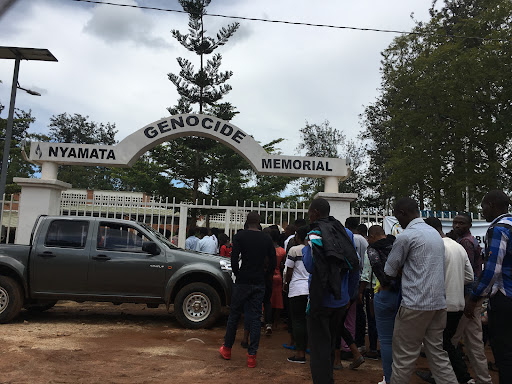
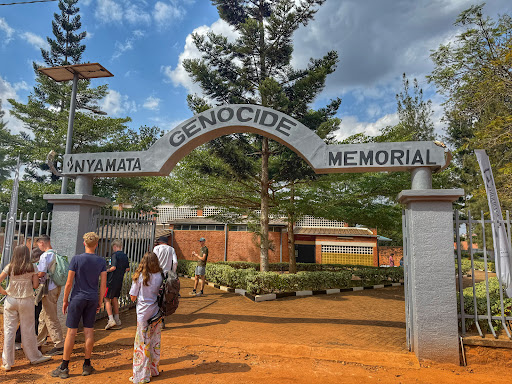
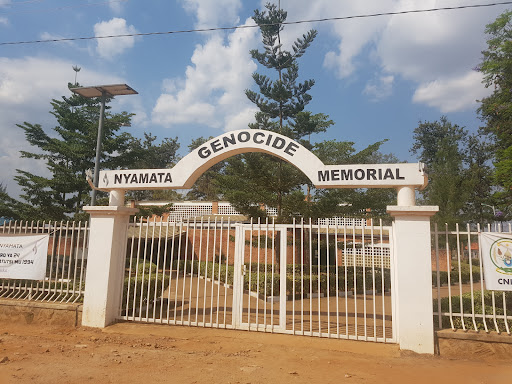
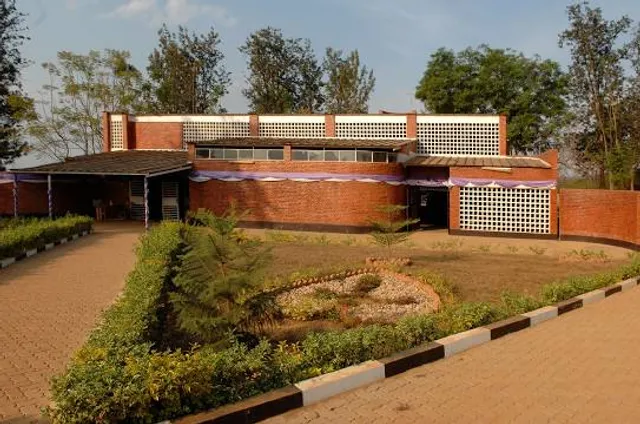
The Nyamata Genocide Memorial is based around a former church 30 km south of Kigali in Rwanda, which commemorates the Rwandan genocide in 1994. The remains of 50,000 people are buried here.
Nearby attractions
Nearby restaurants
La Racine Eatery
V33R+XH8, NR5, Nyamata, Rwanda
La Quinta Motel
Nyamata, Rwanda
Happy Time
V34Q+RGR, Nyamata, Rwanda
Nearby hotels
Palast Rock Hotel
Nyamata Road Rwanda Bugesera, Kigali, Rwanda
Related posts
Keywords
Nyamata Genocide Memorial Site tourism.Nyamata Genocide Memorial Site hotels.Nyamata Genocide Memorial Site bed and breakfast. flights to Nyamata Genocide Memorial Site.Nyamata Genocide Memorial Site attractions.Nyamata Genocide Memorial Site restaurants.Nyamata Genocide Memorial Site travel.Nyamata Genocide Memorial Site travel guide.Nyamata Genocide Memorial Site travel blog.Nyamata Genocide Memorial Site pictures.Nyamata Genocide Memorial Site photos.Nyamata Genocide Memorial Site travel tips.Nyamata Genocide Memorial Site maps.Nyamata Genocide Memorial Site things to do.
Nyamata Genocide Memorial Site things to do, attractions, restaurants, events info and trip planning
Nyamata Genocide Memorial Site
RwandaEastern ProvinceNyamataNyamata Genocide Memorial Site

Basic Info

Nyamata Genocide Memorial Site

V32R+C9R, Nyamata, Rwanda
4.5(107)
Open 24 hours
Save
spot

Ratings & Description

Info

The Nyamata Genocide Memorial is based around a former church 30 km south of Kigali in Rwanda, which commemorates the Rwandan genocide in 1994. The remains of 50,000 people are buried here.

"cultural"
attractions: , restaurants: La Racine Eatery, La Quinta Motel, Happy Time
logoLearn more insights from Wanderboat AI.
Phone
+250 788 556 065

Plan your stay

hotel
Pet-friendly Hotels in Nyamata
Find a cozy hotel nearby and make it a full experience.

hotel
Affordable Hotels in Nyamata
Find a cozy hotel nearby and make it a full experience.

hotel
The Coolest Hotels You Haven't Heard Of (Yet)
Find a cozy hotel nearby and make it a full experience.

hotel
Trending Stays Worth the Hype in Nyamata
Find a cozy hotel nearby and make it a full experience.

Reviews

Things to do nearby

Walk downtown Kigali with a local
Sat, Dec 6 • 9:00 AM
Kamonyi, Southern Province, Rwanda
View details
🔥 WILDFIRE NIGHT 🔥 : Lumen Special Christmas Event
Sat, Dec 6 • 4:00 PM
Christ's Church Rwanda, KG 408 St, Kigali, Rwanda
View details

Nearby restaurants of Nyamata Genocide Memorial Site

La Racine Eatery

La Quinta Motel

Happy Time

La Racine Eatery

La Racine Eatery

5.0

(3)

Click for details
La Quinta Motel

La Quinta Motel

3.5

(41)

Click for details
Happy Time

Happy Time

3.5

(83)

$

Click for details
Get the Appoverlay
Get the AppOne tap to find yournext favorite spots!
Wanderboat LogoWanderboat

Your everyday Al companion for getaway ideas

CompanyAbout Us
InformationAI Trip PlannerSitemap
SocialXInstagramTiktokLinkedin
LegalTerms of ServicePrivacy Policy

Get the app

© 2025 Wanderboat. All rights reserved.
logo

Reviews of Nyamata Genocide Memorial Site

4.5
(107)
avatar
5.0
7y

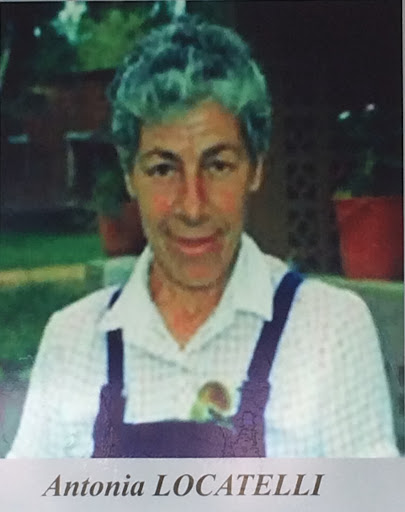
This is a MUST VISIT when you are in Rwanda. The guy working in the reception is excellent explaining the history before, during and after the genocide. The first attempt killing 1000 Tutsis that took shelter in 1992, was stopped by a brave Italian nun Antonia Locatelli. She announced what was ongoing to international media and was killed the same day. The four international catholic priests at the church was evacuated in the beginning of April 1994 and the genocide started the 14th. The guy at the reception explains this so well... Walking to the backside and seeing the mass graves with 40.000 people makes you becoming very humble. (10.000 of them died either inside the church or inside the fence surrounding the church) Taking the steps down and seeing coffin after coffin standing in the shelfs, looking into one who is half open makes you cry imagining what the other coffins are carrying. Entering the church, observing the remains from the victims, the bullet holes, damages from the grenades, blood stained on the altar, the floor and in the ceiling; makes you imagine the hell people were living their last hours, minutes and seconds of their lifes. It’s very easy for any visitor with a heart to cry and pray for everyone who died in this genocide. Entering the crypt seeing marks of weapons on the sculls and bones. As they are on display, it makes you ask how could neighbors, family members, bishops, priests and others participate in the genocide? Don’t forget the coffin on the bottom of the crypt and the beautiful lady that lays in it. She refused to get engaged with many Hutu men who wanted her. When the 14th of April came, she was violated many times and finally a spear was jabbed into her body from her v**a and the whole way through the upper body and out from the inside of her skull. You might ask yourself, who can forgive these criminals organizing the genocide, and what punishment should everyone who participate get? I left this memorial very...

   Read more
avatar
5.0
7y

This memorial was the church where more than 2,000 Tutsis were slaughtered by Hutus in 1994. Since 1959, the Tutsis have been systematically targeted by the Hutus and Tutsis would always sought refuge in this church. They always survived but not in 1994 when the iron entrance of the church was destroyed by a grenade and the killers went up the roof and fired at the people inside. Some survived by playing dead. It took three weeks before the remains were attendee to. By then, the bodies already decomposed. The clothing of the deceased are arranged in rows inside the church while the skulls are on display inside an encased cabined in the basement. You can tell from holes and cracks in the skulls how the victims suffered a painful death. A coffin of a 26 year-old woman is placed at the bottom of the basement. Her story is harrowing! During our visit, we saw bones of about 6 people being dried outside the church. A woman who seated nearby voluntarily told us that the bones belong to members of her family. We found out that these bones were excavated from a grave somewhere two days ago. We learned that many bones are yet to be discovered. The woman seemed relieved that she has finally a closure on the fate of her family members. This place is more authentic than the Kigali Genocide Memorial. I felt like I was punched in the gut looking at the remnants of the horrors of the massacre and hearing the anecdotes the guide shared. Entrance to the memorial is free but I would encourage guests to donate a couple of dollars or more. The tour could take about 20 minutes. Photo-taking...

   Read more
avatar
5.0
21w

The story of this one of many hundreds of incidents that happened throughout Rwanda in 1994. This was the site of a horrific massacre of men, women, children and babies and the evidence of this has been left as a reminder of just how barbaric a time that was. From victims clothing, bullet and shrapnel damage, to skulls and bones and hand written notes of those that were killed. The guide does not hold back and is extremely candid regarding the violence shown to these people and makes no apology for that. This site remains an unescorted site of interest and memorial to remind generations of the slaughter caused by division and misinformation. The museum is free and only asks for a donation before you leave. It is not suitable for children or those who are easily upset. It’s a hard one to visit but such an important place to preserve...

   Read more
Page 1 of 7
Previous
Next

Posts

Jan NazellJan Nazell
This is a MUST VISIT when you are in Rwanda. The guy working in the reception is excellent explaining the history before, during and after the genocide. The first attempt killing 1000 Tutsis that took shelter in 1992, was stopped by a brave Italian nun Antonia Locatelli. She announced what was ongoing to international media and was killed the same day. The four international catholic priests at the church was evacuated in the beginning of April 1994 and the genocide started the 14th. The guy at the reception explains this so well... Walking to the backside and seeing the mass graves with 40.000 people makes you becoming very humble. (10.000 of them died either inside the church or inside the fence surrounding the church) Taking the steps down and seeing coffin after coffin standing in the shelfs, looking into one who is half open makes you cry imagining what the other coffins are carrying. Entering the church, observing the remains from the victims, the bullet holes, damages from the grenades, blood stained on the altar, the floor and in the ceiling; makes you imagine the hell people were living their last hours, minutes and seconds of their lifes. It’s very easy for any visitor with a heart to cry and pray for everyone who died in this genocide. Entering the crypt seeing marks of weapons on the sculls and bones. As they are on display, it makes you ask how could neighbors, family members, bishops, priests and others participate in the genocide? Don’t forget the coffin on the bottom of the crypt and the beautiful lady that lays in it. She refused to get engaged with many Hutu men who wanted her. When the 14th of April came, she was violated many times and finally a spear was jabbed into her body from her v****a and the whole way through the upper body and out from the inside of her skull. You might ask yourself, who can forgive these criminals organizing the genocide, and what punishment should everyone who participate get? I left this memorial very emotional...
Elmer LighidElmer Lighid
This memorial was the church where more than 2,000 Tutsis were slaughtered by Hutus in 1994. Since 1959, the Tutsis have been systematically targeted by the Hutus and Tutsis would always sought refuge in this church. They always survived but not in 1994 when the iron entrance of the church was destroyed by a grenade and the killers went up the roof and fired at the people inside. Some survived by playing dead. It took three weeks before the remains were attendee to. By then, the bodies already decomposed. The clothing of the deceased are arranged in rows inside the church while the skulls are on display inside an encased cabined in the basement. You can tell from holes and cracks in the skulls how the victims suffered a painful death. A coffin of a 26 year-old woman is placed at the bottom of the basement. Her story is harrowing! During our visit, we saw bones of about 6 people being dried outside the church. A woman who seated nearby voluntarily told us that the bones belong to members of her family. We found out that these bones were excavated from a grave somewhere two days ago. We learned that many bones are yet to be discovered. The woman seemed relieved that she has finally a closure on the fate of her family members. This place is more authentic than the Kigali Genocide Memorial. I felt like I was punched in the gut looking at the remnants of the horrors of the massacre and hearing the anecdotes the guide shared. Entrance to the memorial is free but I would encourage guests to donate a couple of dollars or more. The tour could take about 20 minutes. Photo-taking is prohibited.
Simon GilesSimon Giles
The story of this one of many hundreds of incidents that happened throughout Rwanda in 1994. This was the site of a horrific massacre of men, women, children and babies and the evidence of this has been left as a reminder of just how barbaric a time that was. From victims clothing, bullet and shrapnel damage, to skulls and bones and hand written notes of those that were killed. The guide does not hold back and is extremely candid regarding the violence shown to these people and makes no apology for that. This site remains an unescorted site of interest and memorial to remind generations of the slaughter caused by division and misinformation. The museum is free and only asks for a donation before you leave. It is not suitable for children or those who are easily upset. It’s a hard one to visit but such an important place to preserve for humanity.
See more posts
See more posts
hotel
Find your stay

Pet-friendly Hotels in Nyamata

Find a cozy hotel nearby and make it a full experience.

This is a MUST VISIT when you are in Rwanda. The guy working in the reception is excellent explaining the history before, during and after the genocide. The first attempt killing 1000 Tutsis that took shelter in 1992, was stopped by a brave Italian nun Antonia Locatelli. She announced what was ongoing to international media and was killed the same day. The four international catholic priests at the church was evacuated in the beginning of April 1994 and the genocide started the 14th. The guy at the reception explains this so well... Walking to the backside and seeing the mass graves with 40.000 people makes you becoming very humble. (10.000 of them died either inside the church or inside the fence surrounding the church) Taking the steps down and seeing coffin after coffin standing in the shelfs, looking into one who is half open makes you cry imagining what the other coffins are carrying. Entering the church, observing the remains from the victims, the bullet holes, damages from the grenades, blood stained on the altar, the floor and in the ceiling; makes you imagine the hell people were living their last hours, minutes and seconds of their lifes. It’s very easy for any visitor with a heart to cry and pray for everyone who died in this genocide. Entering the crypt seeing marks of weapons on the sculls and bones. As they are on display, it makes you ask how could neighbors, family members, bishops, priests and others participate in the genocide? Don’t forget the coffin on the bottom of the crypt and the beautiful lady that lays in it. She refused to get engaged with many Hutu men who wanted her. When the 14th of April came, she was violated many times and finally a spear was jabbed into her body from her v****a and the whole way through the upper body and out from the inside of her skull. You might ask yourself, who can forgive these criminals organizing the genocide, and what punishment should everyone who participate get? I left this memorial very emotional...
Jan Nazell

Jan Nazell

hotel
Find your stay

Affordable Hotels in Nyamata

Find a cozy hotel nearby and make it a full experience.

Get the Appoverlay
Get the AppOne tap to find yournext favorite spots!
This memorial was the church where more than 2,000 Tutsis were slaughtered by Hutus in 1994. Since 1959, the Tutsis have been systematically targeted by the Hutus and Tutsis would always sought refuge in this church. They always survived but not in 1994 when the iron entrance of the church was destroyed by a grenade and the killers went up the roof and fired at the people inside. Some survived by playing dead. It took three weeks before the remains were attendee to. By then, the bodies already decomposed. The clothing of the deceased are arranged in rows inside the church while the skulls are on display inside an encased cabined in the basement. You can tell from holes and cracks in the skulls how the victims suffered a painful death. A coffin of a 26 year-old woman is placed at the bottom of the basement. Her story is harrowing! During our visit, we saw bones of about 6 people being dried outside the church. A woman who seated nearby voluntarily told us that the bones belong to members of her family. We found out that these bones were excavated from a grave somewhere two days ago. We learned that many bones are yet to be discovered. The woman seemed relieved that she has finally a closure on the fate of her family members. This place is more authentic than the Kigali Genocide Memorial. I felt like I was punched in the gut looking at the remnants of the horrors of the massacre and hearing the anecdotes the guide shared. Entrance to the memorial is free but I would encourage guests to donate a couple of dollars or more. The tour could take about 20 minutes. Photo-taking is prohibited.
Elmer Lighid

Elmer Lighid

hotel
Find your stay

The Coolest Hotels You Haven't Heard Of (Yet)

Find a cozy hotel nearby and make it a full experience.

hotel
Find your stay

Trending Stays Worth the Hype in Nyamata

Find a cozy hotel nearby and make it a full experience.

The story of this one of many hundreds of incidents that happened throughout Rwanda in 1994. This was the site of a horrific massacre of men, women, children and babies and the evidence of this has been left as a reminder of just how barbaric a time that was. From victims clothing, bullet and shrapnel damage, to skulls and bones and hand written notes of those that were killed. The guide does not hold back and is extremely candid regarding the violence shown to these people and makes no apology for that. This site remains an unescorted site of interest and memorial to remind generations of the slaughter caused by division and misinformation. The museum is free and only asks for a donation before you leave. It is not suitable for children or those who are easily upset. It’s a hard one to visit but such an important place to preserve for humanity.
Simon Giles

Simon Giles

See more posts
See more posts