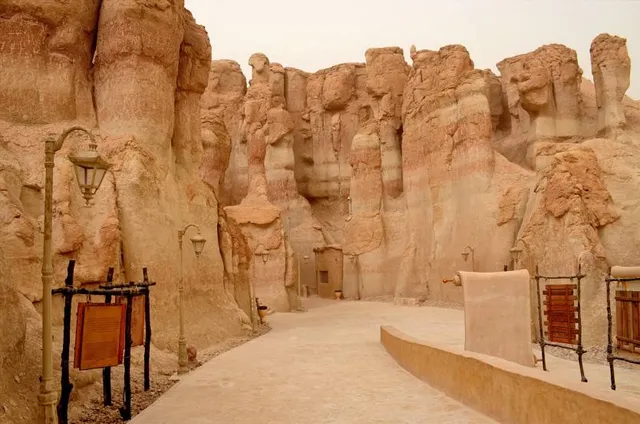
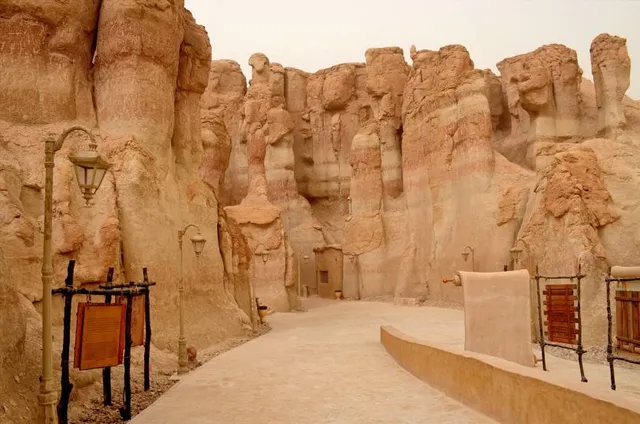
The Land of Civilization, situated in Hafuf, Saudi Arabia, is a captivating destination that seamlessly blends history, culture, and natural beauty. As a visitor, you'll find yourself immersed in a rich tapestry of heritage and modernity, making it a must-visit location for travelers seeking an authentic experience.
Upon arrival, the first thing that strikes you is the impressive architectural marvels that adorn the landscape. The region is renowned for its ancient forts, palaces, and mud-brick structures, each telling a unique story of the civilization that once thrived here. The iconic Qasr Ibrahim, a sprawling palace complex dating back centuries, stands as a testament to the region's rich history and grandeur.
Exploring the Land of Civilization offers a glimpse into the region's past, with archaeological sites such as the Al-Qarah Mountain and Jawatha Mosque providing insights into ancient civilizations and their cultural practices. These sites are not only historically significant but also offer breathtaking views of the surrounding landscape, making them ideal spots for photography enthusiasts and history buffs alike.
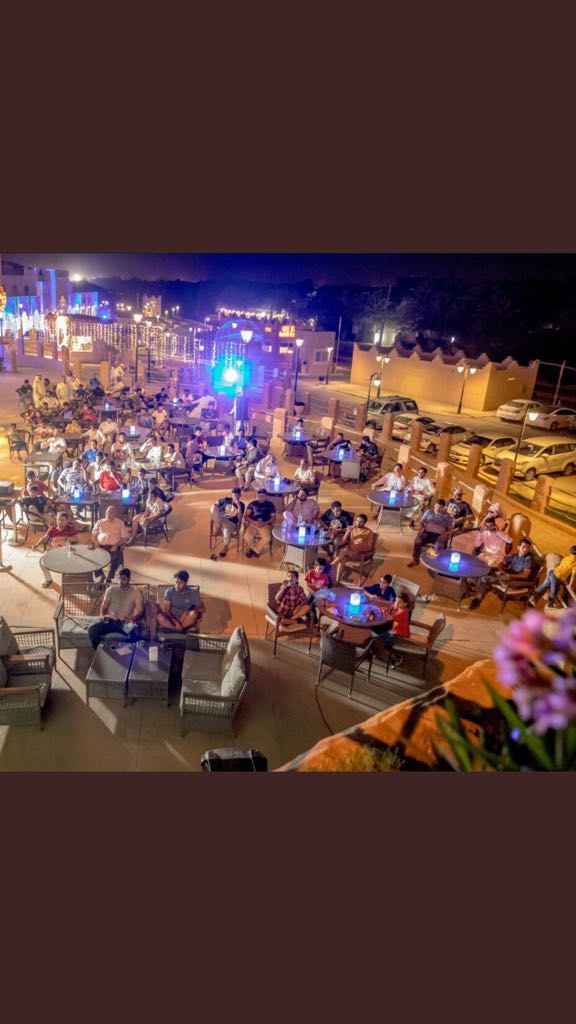
For those interested in experiencing the local culture, Hafuf's vibrant markets and traditional festivals provide ample opportunities to immerse oneself in the customs and traditions of the region. Whether it's sampling delicious local cuisine at the bustling souks or witnessing traditional dances and performances, there's no shortage of ways to engage with the local community and gain a deeper understanding of their way of life.
Nature lovers will also find plenty to admire in the Land of Civilization. The region's lush oases, such as the Al-Ahsa Oasis, offer a welcome respite from the desert landscape, with verdant palm groves and serene waterways providing a stark contrast to the arid surroundings. Exploring these oases on foot or by traditional boat offers a tranquil escape and a chance to appreciate the beauty of nature in an otherwise harsh environment.
In conclusion, the Land of Civilization in Hafuf, Saudi Arabia, is a destination that appeals to travelers of all interests. Whether you're drawn to its rich history, vibrant culture, or stunning natural beauty, there's something here for everyone. With its unique blend of past and present, this enchanting region offers a truly unforgettable experience that will leave a lasting impression on...
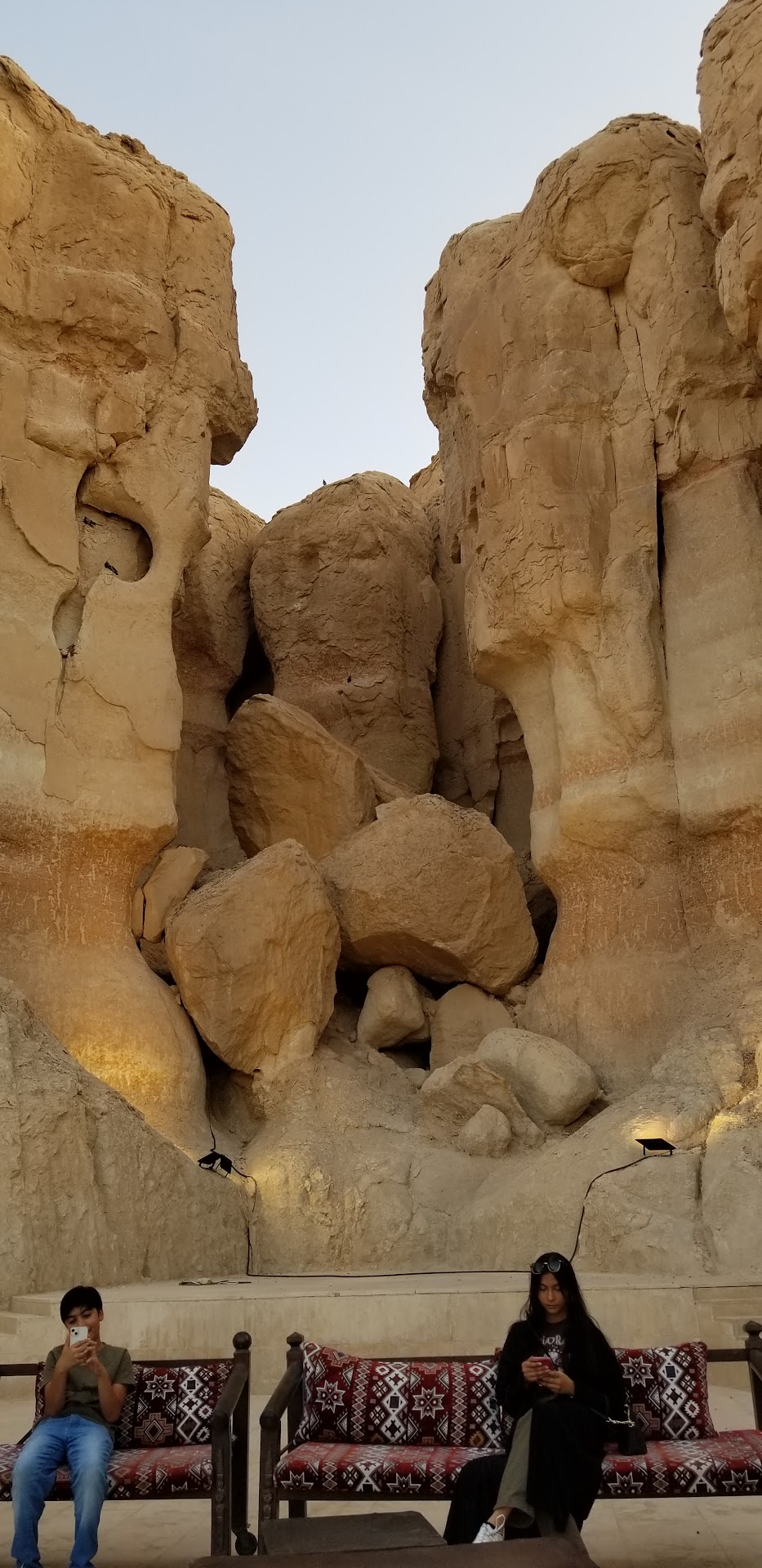
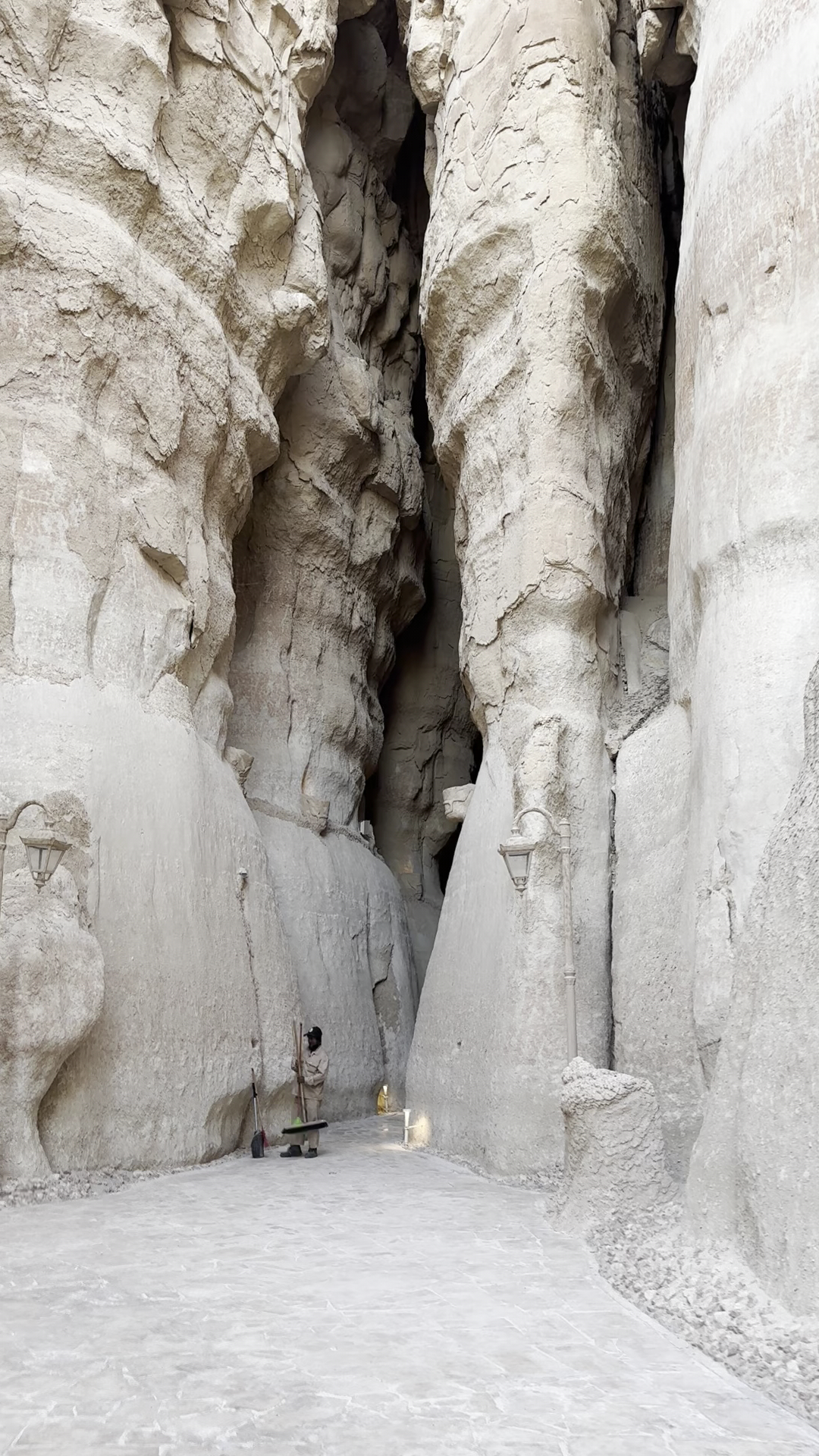
Read moreFirst of all the good ones: easy parking, small shops with refreshments and souvenirs/toys for kids, a hall with educational issues of the story behind this rock formation, clean and well lighted in the cave making a nice atmosphere. Great place for some pictures that helped with the atmosperic light of the cave will make for sure a print out for your house or your social media. The not so good ones: it's trying to do a bit of that and a bit of this failing in both, having some very few replicas of ancient structures under scale does not make it a museum, information for the rock are not enough, better they should focus on the rock itself and nothing else. Signage is very much needed so people keep a way of entering and where to go and how to turn back, many dead ends unmarked made it feel like you are playing in a maze and wanting to go out can be challenging if you cannot orient yourself properly. A nice restaurant would be needed as it is not near and maybe people are traveling from Riyadh to see it and need a proper rest place Tickets are expensive for what is on offer here, 50sar which is the adult price (kids are free) if there was a guided tour would be ok, now it's not. More resting places around the route are needed, for couples with babies or young children who need short breaks. Proper support is needed in some areas as we talk about a natural formation here that has tons of rocks above your head some questionably supported imo. Overall a decent effort and well done for making it, it can be done better with...
Read more12 كيلومتراً عن العاصمة الإدارية للأحساء، الهفوف، ينتصب “جبل قارة”، أو القارة كما اشتهر الاسم في العقود الأخيرة، الذي يردّ الجيولوجيون تشكّله إلى ما قبل 2.5 مليون سنة. ويرتفع عن سطح البحر 210 أمتار، ويبلغ طوله نحو 1000 متر من الشمال إلى الجنوب، و800 متر من الشرق إلى الغرب. يتكوَّن هذا الجبل من صخور رسوبية تميل إلى اللون (الأحمر)، ويشرف على مساحات شاسعة من أشجار النخيل والبساتين، وعدد من القرى أبرزها “القارة” التي اتخذ الجبل اسمه منها. وإضافة إلى القارة، يطل الجبل كذلك على قرى “الدالوة” و”التهيمية” و”التويثير”. ويطلق أهالي هذه الأخيرة على الجبل اسم جبل “أبو حصيص” الذي شهد موقعة الملك عبدالعزيز – يرحمه الله – مع قبيلة العجمان عند دخوله الأحساء في العام 1313هـ. أما ما صنع شهرة هذا الجبل، والأمر معروف، فهو احتواؤه على اثنتي عشرة مغارة مختلفة الأشكال والأطوال، وتتميّز ببرودة جوّها الداخلي، حيث تبقى الحرارة في حدود 20 درجة مئوية، حتى في أحرّ أيام الصيف عندما تتجاوز الحرارة في خارجها الأربعين درجة مئوية.
مغارات الجبل والقرى الأربع أرجع العلامة حمد الجاسر – يرحمه الله – في معجمه الجغرافي برودة كهوف جبل قارة إلى وقوعها أسفل الواحة، ما يمنحها تلك الطراوة الملحوظة، فضلاً عن حجب الصخور العظيمة حرارة الشمس، ما يسهم في تبريد التيارات الهوائية الداخلة. وفي أثناء توغلك في المكان وتشعباته والتواءاته، يتفاوت اتساع الممرات والمغارات وضيقها تفاوتاً كبيراً، من طريق يضطرك إلى حشر نفسك بين الصخور الملساء بصعوبة لتعبره إلى طريق آخر قد يصل إلى أمتار عدة في اتساعه، وكذا في الكهوف والمغارات، فبعضها لا تستطيع ولوجه إلَّا منحنياً أو جاثياً على ركبتيك أو حتى زاحفاً، وبعضها الآخر قد يصل اتساعه إلى بهو قصر كبير، مثل “مغارة الناقة” التي تستوعب أكثر من 500 شخص. ويلفتنا الإعلامي وابن القارة جعفر عمران في حديثه عن مغارات الجبل، إلى أن ما لا يعرفه السياح والزائرون هو وجود مغارات في القرى الأربع المجاورة للجبل. ففي كل واحدة منها، يوجد عدد من المغارات المعروفة عند أهالي القرية نفسها، ويكون مدخلها من القرية. أما تلك التي هي في قرية “القارة” فهي المغارات الرئيسة الشهيرة. وكلها تحتوي على حكايات ضاربة في عمق تاريخ الجبل، ومنها غار “العيد” وغار “الميهوب” وغار “عزيز”. ويضيف عمران أنَّ في كل قرية من القرى المحيطة بالجبل، ثمة حكايات كثيرة يرويها الصغار والكبار، وبعضها أقرب إلى الأساطير، تغذيها التشكيلات الصخرية للجبل وتلك القائمة في جواره، إذ إنَّ بعضها يشبه الحيوانات والطيور، وبعضها الآخر يشبه الإنسان، أو غير ذلك مما يغذي خيال البعض، أو يكتفي بأن يكون مادة للتصوير الفوتوغرافي عند البعض الآخر. ويشير محدثنا إلى أن هذا الجبل ومحيطه قد يكون أكثر المواقع الطبيعية في المملكة جذباً للمصوِّرين. وقد تمكَّن عدد كبير منهم من الفوز بجوائز عالمية عن صور تم التقاطها في محيط الجبل ومغاراته وعُرضت عالمياً.
في البحث عن تاريخ الجبل وأمام جبل قارة يبدو استطلاع تاريخه أمراً مغرياً حتى لأولئك الذين لا يتمتعون بفضول كبير. ومن ينطلق في استطلاع هذا التاريخ من الاسم، سيجد روايات ترده إلى قبيلة جاهلية “حذقت في الرماية” وسُميت “القارة”، لشدة براعة أهلها في رمي السهام. لكن تضاريس الموقع ترجِّح صحة التعريف بأنَّ معنى الاسم هو “جبل صغيرٌ منفردٌ أَسودُ مستديرٌ ملمومٌ طويلٌ في السماءِ”. وتفيد بعض كتب التاريخ أن جبل قارة كان هو المقصود باسم “المشقّر” الذي ورد قديماً عند المؤرِّخين والرحَّالة. فقد كتب العلَّامة حمد الجاسر في كتابه “المعجم الجغرافي للبلاد العربية السعودية – المنطقة الشرقية – القسم الرابع” أن المؤرِّخين اختلفوا في موضع المُشقّر، فقيل “إنه موضع في الحجاز، ووادٍ في أجأ أحد جبلي طيء، وحصن في البحرين، وهذا أشهرها”. ويتحدَّث الجاسر عن اختلاف المؤرِّخين في موقع المُشقّر ، فهناك من يَعُده سوقاً في الطائف، وحصناً بين نجران والبحرين، ويذكر في معجمه: “إذا أجملنا أرض البحرين وهي أرض المُشقّر، فهي هجر مدينتها العظمى والعقير والقطيف والأحساء، ومحلّم نهرهم”. وهذا ما توصَّل إليه الباحث عبد الخالق الجنبي في بحث تاريخي صدر في كتاب عام 2004م بعنوان “هَجر وقصباتها الثلاث، المُشقّر – الصفا – محلّم”. حيث يؤكد الجنبي أن القارة سميّت بهذا الاسم لأن جنوبها يلتصق بتلّ كبير الحجم، غريب الشكل والتكوين ذي كهوف متفاوتة الحجم، وفوقه صخرة كبيرة منحوتة بشكل عجيب: إنها ثلاثة رؤوس، أحدها متجه إلى الجنوب وهو يشبه رأس امرأة، وآخر متجه نحو الشمال، وهو يشبه رأس رجل، أما الثالث فهو الوسط بينهما ويشبه رأس أسد في منظره، وهذا الجبل ما زال يُعرف حتى اليوم باسم جبل “رأس القارة” وهو الذي عناه الجغرافيون العرب، وأن حصن المُشقّر هو نفسه هذا التلّ العجيب التكوين، وهو تكوين إلهي، ولا يد للإنسان في تكوينه كما يقول...
Read more