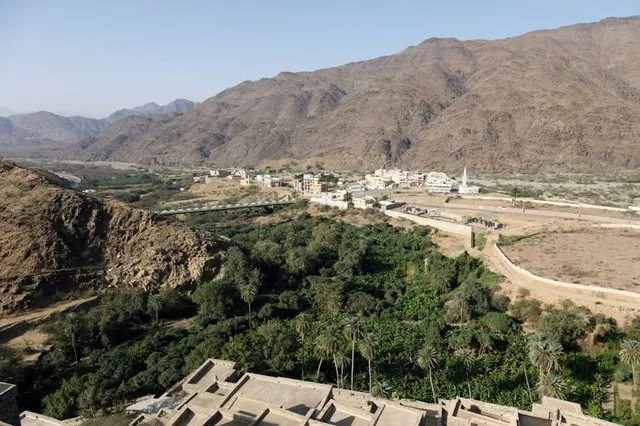
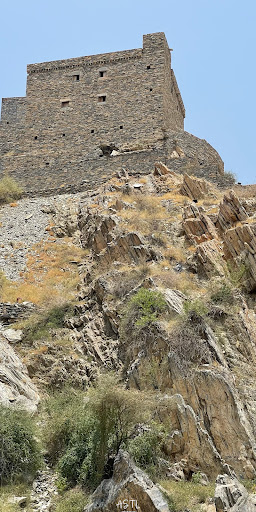
The village is among the most important traditional villages in Al-Baha region, and it was built on a mountain top featuring a unique urban heritage organization. The houses were built from polished stones, with multiple floors from two to four floors that are similar in terms of planning, dating back to the end of the 10thcentury AH/8th century CE. The village is further characterized by the presence of a permanent water source and defensive fortification surrounded by mountains on three sides.
Zee Ain is an archaeological village located in Tehamat Zahran about 20 kilometers from Al-Makhwat province and 24 kilometers from the Al-Baha, it was developed in the 10th century AH/8th century CE making it more than 400 years old. The village was built on the summit of a White Mountain famous for the cultivation of banana, lemon, pepper, basil and Kadi, and handicrafts. The village has many two to four floors houses and a small mosque and many forts used to defend and survey the village
The village was named after a water spring continuously flowing from the nearby mountains to several reservoirs and each particular pond has its own name. There is a local legend that talks about a man lost his cane in one of the valleys, and to retrieve it he tracked it until he reached the village, he gathered its inhabitants and retrieved his cane after digging the spring.
The village has 49 dwellings, 9 of which are composed of one floor, 19 from two floors, 11 from three floors and 10 from four floors. The village was constructed using load bearing walls system "Medamik" and the thickness of the walls are between 0.7 to almost 0.9 meters, structures are roofed using Sider wood. The big rooms are roofed using columns known as "Al-zafer", and above the Sedir wood there is a kind of stones known as "Salat" and the stones are covered with mud. The lower floors are used for reception and living, the upper floors for sleeping, and some of the buildings still exist since the establishment of the village and some are partially run-down and some are completely demolished.
The village witnessed many tribal battles before the Kingdom’s unification by King Abdul Aziz. The most important of these battles suffered by the region is when the tribes of Zahran and Ghamd met with the Turkish army lead by Muhammad Ali Pasha that ended with the defeat of the Turks; their burial place is known as "the...
Read moreThee Ain Village is a picturesque village located in the Al-Bahah region of Saudi Arabia. It is renowned for its stunning natural beauty, lush greenery, and traditional architecture. Here are some key highlights about Thee Ain Village:
Scenic Beauty: Thee Ain Village is nestled amidst the majestic mountains of the Hejaz range, offering visitors breathtaking views of verdant valleys, terraced farms, and cascading waterfalls. The natural landscape of the village is characterized by its abundant palm groves, fruit orchards, and colorful flowers.
Traditional Architecture: The village is known for its traditional mud-brick houses with distinctive architectural features, such as intricately carved wooden doors and windows, ornamental balconies, and flat roofs. These traditional buildings reflect the rich cultural heritage of the region and provide insight into the traditional way of life in rural Saudi Arabia.
Cultural Heritage: Thee Ain Village is home to a vibrant community that takes pride in preserving its cultural heritage and traditions. Visitors can immerse themselves in the local culture by exploring the village's narrow alleyways, visiting historic landmarks, and interacting with friendly locals.
Outdoor Activities: Thee Ain Village is a paradise for outdoor enthusiasts, offering a variety of recreational activities such as hiking, trekking, and picnicking. Visitors can explore the surrounding mountains and valleys on foot or by 4x4 vehicles, discovering hidden gems such as natural springs, caves, and rock formations.
Tourist Facilities: While Thee Ain Village retains its rustic charm, it also offers modern amenities and tourist facilities to ensure a comfortable stay for visitors. These include guesthouses, restaurants serving traditional Saudi cuisine, souvenir shops, and guided tours of the village and its surroundings.
Overall, Thee Ain Village is a must-visit destination for travelers seeking an authentic cultural experience and a chance to reconnect with nature amidst the stunning landscapes of...
Read moreThee Ain Heritage Village, also known as the Marble Village, is a 400-year-old village located in the Al-Baha region of Saudi Arabia. Perched on a rocky hill of white marble, this ancient village boasts stunning views of the surrounding landscape. Here's what you can expect when visiting: Architecture: The village features traditional Saudi houses built with polished stones, with multi-story buildings constructed using a load-bearing wall system called Medamik. The structures are roofed with sider wood, and big rooms are decorated with columns known as "al-zafer" or "zafer". History: The village dates back to the 10th century AH and has witnessed several tribal battles, including a notable battle between the Zahran and Ghamd tribes and the Turkish army led by Muhammad Ali Pasha. Attractions: Scenic Views: The village offers breathtaking views of the surrounding mountains and valleys. Waterfall and Garden: Explore the lush oasis behind the stone structures, featuring a small waterfall and an outdoor cafe. Ancient Buildings: Visit the defensive fortress, mosque, and transformed buildings now serving as restaurants, hotel apartments, museums, and handicraft shops. Rehabilitation Project: The Saudi Commission for Tourism and National Heritage has invested heavily in restoring the village, with a 15 million riyal project to turn it into a major tourist attraction. Visiting Information: Location: The village is 25 km from Al-Baha city center, in the Qilwah Governorate of Al-Baha Region. Opening Hours: 7 am to 6 pm, every day. Entry Fee: Free. Best Time to Visit: Winter or early morning/evening hours to avoid the heat.
Consider staying at the Swiss Spirit Baha hotel, which offers comfortable rooms and a delicious buffet breakfast. The hotel is about a 35- minute drive from the village, with scenic views...
Read more