a famous Taabi'ee (Successors of the Sahabah), a scholar of Hadeeth (Prophetic Narration) who was born in the penultimate year (22AH) of the caliphate of Umar (radhiallahu `anhu) and died 94AH. His father was az-Zubair ibn A’wwam, one of the ten Promised with Paradise. His mother was Asma daughter of Abu Bakr, and therefore his aunt was Aa’ishah, the mother of the Believers from whom he benefited immensely.
would even fast during the hottest days in Madinah and would always stand for night prayers. He would keep his tongue moist with the remembrance of Allah. He would read a fourth of the Quran from a mushaf (copy of the Qur’aan) during the day and then he would repeat that it heart in his night prayers. And it is not known that he left this practice from his early youth up until the day he died except on one occasion...
Urwah ibn Zubayr was invited by the khalifah, al-Walid bin Abdul-Malik (705-715 CE, 6th Khalifah of Bana Ummaya) in Damascus. U’rwah accepted the invitation and went with his eldest son Muhammad, who was one of the most handsome of men. The young man had dressed up for the occasion in fine clothes, and had done up his hair. Al-Walid welcomed them with honour and when he saw his son, he said,
"This is how the young people of Quraysh should look!"
and by saying so, he put the evil eye on him. Before he left, the young man fell ill. When he was in the stable (preparing for the journey) and admiring the khalifa's fine horses, one of the horses trampled him to death.
The grief-stricken father had barely shaken off the dust from burying his son, when he developed gangrene of the foot. His leg became swollen and the gangrene began to spread at frightening speed. Al-Walid sent for the best doctors to cure his guest by any means possible. But the doctors were unanimously united on the fact that the only cure for him was amputation quickly before the gangrene spreads and kills him. 'Urwah seeing no other choice agreed.
When the surgeon came to amputate his leg with his scalpel and a saw, he said to U’rwah,'I think it would be appropriate for us to give you a mouthful of intoxicant so that you do not feel the excruciating pain of amputation'.
'Urwah replied,
'No, I will not do that. I will not seek help by taking that which is impermissible, for that which I forgiveness (of Allah) from'.
So the doctor said, 'So we will give you some tranquilizer’.
'Urwah replied,
'I do not wish to be deprived of one of my limbs without me feeling its pain for that for which I aspire the reward of Allah for’.
Then, just before the surgeon was about to cut his leg, a group of men came to them, so U’rwah said,
'Who are these people?’
It was said to him, 'They have been sent for, so that they can hold you, since perhaps when the pain becomes severe, it might cause you to pull back your leg causing you harm.'
'Urwah replied,
'Send them back! I have no need of them as I hope that dhikr (the remembrance of Allah ('azza wa jall)) and tasbeeh (glorify Allah) will suffice me of them.'
So the surgeon began by first cutting off his flesh with a scalpel and when he reached his bone, he started to saw. All that could be heard from Urwah was ‘Laa ilaaha ill Allah (there is none worthy of worship except Allah)’ and ‘Allahu akbar (Allah is the Greatest)’ until his leg was cut off. Then boiling oil was brought in an iron scoop, and was poured on 'Urwah's leg to stop the pouring of blood and close the wound. Urwah at this point lost consciousness and fell into such a deep sleep that he did not read his normal portion of Qur’aan that day. This was the only time when he did not perform his regular good deed.
When he regained consciousness, he called for his amputated leg, kissed it and said while turning it in his hand,
"I swear by the One, Who mounted me on you, I never used you to walk to any place of wrong action or to any place where Allah would not like me to be in."
Then he gave instructions that the leg should be washed, perfumed, wrapped in a cloth and buried in the...
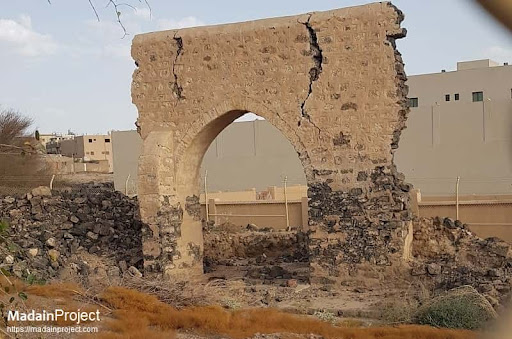
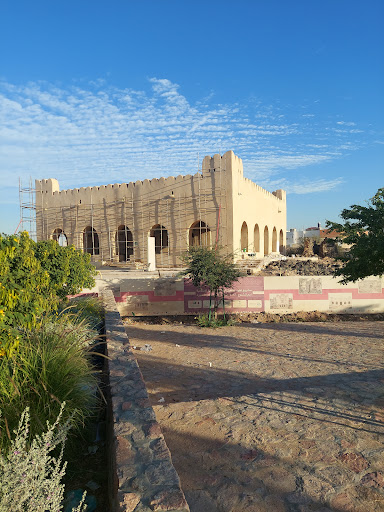
Read moreThe castle of Urwah (قصر عروة بن الزبير), also known as the Castle of Urwah was discovered and excavated in 2013. The connection between the Urwah ibn Zubair ibn Awaam could not be established, it was merely named after him. The castle, which was built on a mountain, overlooks Al-Aqeeq Valley and its walls and foundations were built with stones cut from the nearby mountains. Its gate was on the southern side and its architectural units spreading around its three courtyards.
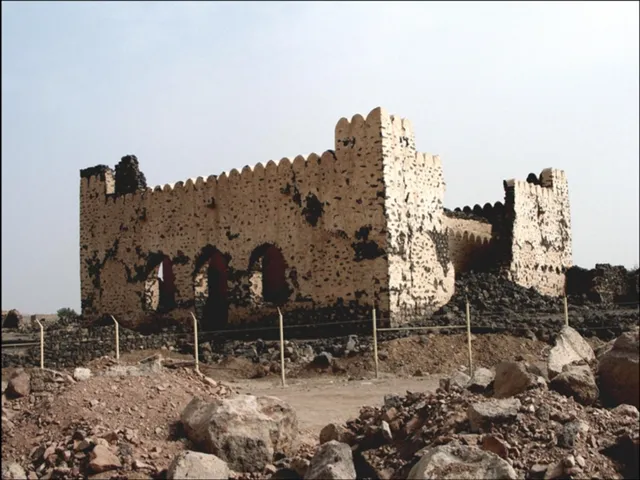
According to tradition Urwah bin Zubair purchased a portion of Khawwat bin Jubair's and converted it into a farm and also built a large fortress on it. Urwah also had a well dug near this complex to water his land for the purpose of cultivation. In 2013, the historical ruins of an Ottoman era castle were unearthed in excavations carried out by a team of archeologists from the Supreme Commission for Tourism and Antiquities (SCTA). Among the discoveries were pottery, glass, tools made of stone, and steatite utensils, the Saudi Press Agency reported on Sunday.
The excavations and restoration works were carried out over two seasons continuously in the valley near the ancient castle named after Urwah Bin al Zubair, grandson of the first Caliph Abu Bakr. The remnants included major portions of the castle, which dates back to the Umayyad era in the first century Hijra, covering an area of 1,200 square meters. The remains of the Umayyad era castle included foundations of eight rooms on an area spreading over 40x30 square meters, and the walls were made of volcanic stones. No archaeological connection between the structure and Urwah could be extablished, the structure was merely named after him after the discovery.
The main construction materials discovered during the third excavation included marble and glass, as well as steatite utensils and ceramics that show how far the Islamic ceramic industry developed during the first and second Hijri centuries. Several pieces of glass utensils and artifacts as well as metal tools apparently used for decoration purposes were...
Read moreقصر عروة في التاريخ لما اتخذ عروة بن الزبير قصره قال له الناس: قد جفوت مسجد رسول الله صلى الله عليه وسلم، قال: إني رأيت مساجدهم لاهية، وأسواقهم لاغية، والفاحشة في فجاجهم عالية، فكان فيما هناك عما هم فيه عافية. وتصدق عروة بقصره وأرضه وبئره على المسلمين، وأوصى بذلك إلى الوليد بن عبد الملك، فولاه ابنيه يحيى وعبد الله، ثم توفي يحيى وأقام عبد الله في القصر نحوا من أربعين سنة، ثم توفي عبد الله، ثم وليها هشام بن عروة بالسن، ثم عبد الله بن عروة. وقال الزبير بن بكار: رأيت الخراج من المدينة إلى مكة وغيرها ممن يمر بالعقيق يخففون من الماء حتى يتزودوا من بئر عروة، وإذا قدموا منها بماء يقدمون به على أهلهم يشربونه في منازلهم عند مقدمهم. وقال: ورأيت أبي يأمر به فيغلى، ثم يجعل في القوارير ثم يهديه إلى أمير المؤمنين هارون بالرقة. وعن نوفل بن عمارة قال: لما بنت أمي قصرها أرسل إليها هشام بن عروة يقول: إنك نزلت بين الطيبين بئر عروة وبئر المغيرة بن الأخنس، فأسألك برحمي إلا جعلت شرابك من بئر عروة ووضوئك من بئر المغيرة، فكانت أمي لا تشرب إلا من بئر عروة، ولا تتوضأ إلا من بئر المغيرة، حتى لقيت الله تعالى. قصر عروة في الشعر قيل في قصر عروة وبئره أشعار كثيرة، منها أبيات للشاعر عامر بن صالح يقول فيها: حبذا القصر ذو الظلال وذو البئر ببطن العقيق ذات السقاة ماء مزن لم يبغ عروة فيها غير تقوى الإله في المفظعات بمكان من العقيق أنيس بارد الظل طيب الغدوات وقال أيضا: يا حبذا القصر لذي الإملاق ذو البئر بالوادي عليها الساقي وقال أيضا: ولقصر عروة ذو الظلال وبئره بشقا العقيق البارد الأفياء أشهى إلي من العيون وأهلها والدور من فحلين والفرعاء وقال جابر الزمعي في بئـــر عروة: يعرضها الآني من الناس أهله ويجعله زادا له حين يذهب وقال السري بن عبد الرحمن الأنصاري: كفنوني إن مت في درع أروى واستقوا لي من بئر عروة مائي سخنة في الشتاء باردة الصيف سراج في الليلة الظلماء تنقيب الهيئة: أثناء عمل فريق الهيئة العامة للسياحة والتراث الوطني في وادي العقيق بمنطقة المدينة المنورة، خلال موسم التنقيب الثاني 1433هـ/2012م، اكتشفوا قصرا يرجع إلى القرن الهجري الأول، إضافة إلى معثورات متنوعة من الفخار والزجاج والأدوات الحجرية وأواني الحجر الصابوني. وذكر رئيس فريق التنقيب الدكتور خالد بن محمد أسكوبي، أن نتائج الدراسات الأولية للعناصر المعمارية المكتشفة والمعثورات الأثرية أكدت أن القصر يرجع إلى القرن الهجري الأول، وأنه جزء من المنظومة الحضارية لوادي العقيق. وقال: إن قطاع الآثار والمتاحف نفذ خلال موسمين متتاليين تنقيبات أثرية بالقرب من وادي العقيق في الجهة الجنوبية الشرقية مما يسمى حاليا بقصور عروة، وهو عبارة عن تل أثري متوسط الارتفاع تنتشر على سطحه الكسر الفخارية والحجارة البركانية، حيث اكتشف لأول مرة آثار لقصر تبلغ مساحته (40م × 30م) تقريبا، وعثر على معثورات أثرية فريدة ومتنوعة تعود للفترة الأموية من القرن الأول الهجري. وحول العناصر المعمارية للقصر، قال إنه تم الكشف عن أساسات معمارية تمثل ثمان وحدات لغرف موزعة داخل القصر، وبنيت جدران القصر بالحجارة البركانية، وتغطي جدران القصر لياسة طينية في بعضها بينما تغطي بعضها الآخر اللياسة الجصية، في حين تغطي معظم الوحدات المكتشفة الأرضيات المدكوكة بالطين. وأضاف أن وادي العقيق يعد من أشهر أودية المدينة المنورة، وهو جزء من تاريخ المدينة المنورة، حيث ذكره عديد من المصادر التاريخية والجغرافية والدينية، وسمي وادي العقيق بذلك لأن سيله عق في الحرة أي شق، مشيرا إلى أن الكتابات والآثار القائمة في الموقع تدل على وجود استيطان بشري موغل في القدم، حيث بقايا قصور ترجع للعصرين الأموي والعباسي، التي من أشهرها قصر عروة بن الزبير، وقصر سعيد بن العاص، وقصر مروان بن الحكم، وقصر سعد بن أبي وقاص، وقصر سكينة...
Read more