HTML SitemapExplore
logo
Find Things to DoFind The Best Restaurants

Castle Strečno — Attraction in Strečno

Name
Castle Strečno
Description
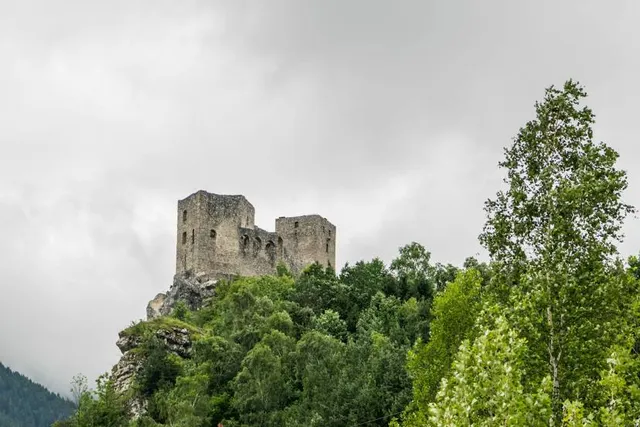
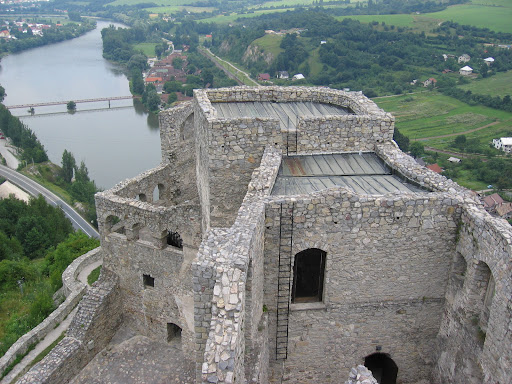
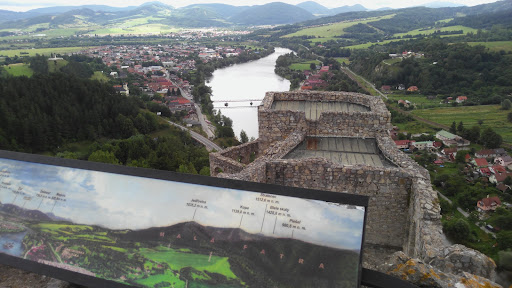
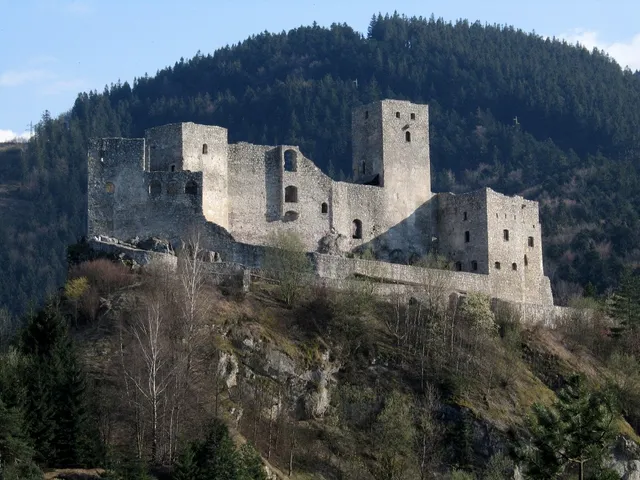
The Strečno Castle is a reconstructed ruin of a medieval castle of an irregular plan located in northern Slovakia, 12 km east of Žilina. The castle stands on a 103-metre-high calcite cliff above the international road E50 and village Strečno.
Nearby attractions
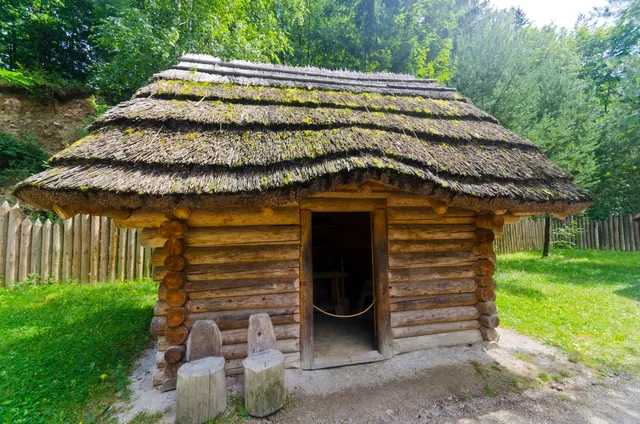
Medieval Village
013 24 Strečno, Slovakia
Plte na Váhu
SNP 86, 013 24 Strečno, Slovakia
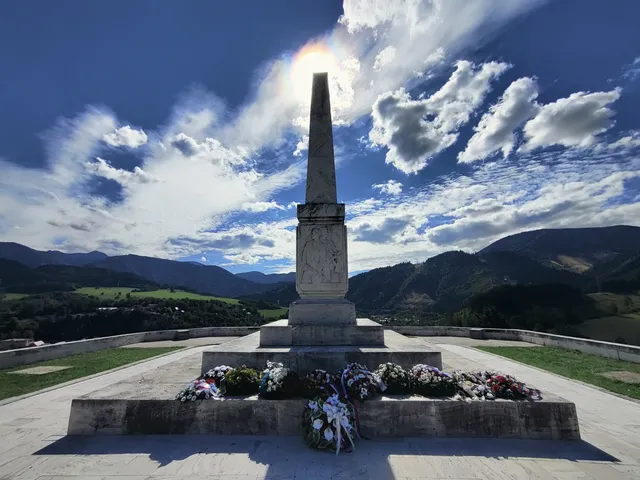
Pamätník francúzskym partizánom
013 24 Strečno, Slovakia
Nearby restaurants
Nearby hotels
Related posts
Keywords
Castle Strečno tourism.Castle Strečno hotels.Castle Strečno bed and breakfast. flights to Castle Strečno.Castle Strečno attractions.Castle Strečno restaurants.Castle Strečno travel.Castle Strečno travel guide.Castle Strečno travel blog.Castle Strečno pictures.Castle Strečno photos.Castle Strečno travel tips.Castle Strečno maps.Castle Strečno things to do.
Castle Strečno things to do, attractions, restaurants, events info and trip planning
Castle Strečno
SlovakiaRegion of ŽilinaStrečnoCastle Strečno

Basic Info

Castle Strečno

Hrad Strecno, Hradná 1, 013 24 Strečno, Slovakia
4.6(2.2K)
Closed
Save
spot

Ratings & Description

Info

The Strečno Castle is a reconstructed ruin of a medieval castle of an irregular plan located in northern Slovakia, 12 km east of Žilina. The castle stands on a 103-metre-high calcite cliff above the international road E50 and village Strečno.

Cultural
Outdoor
Family friendly
attractions: Medieval Village, Plte na Váhu, Pamätník francúzskym partizánom, restaurants:
logoLearn more insights from Wanderboat AI.
Phone
+421 41/569 74 00
Website
pmza.sk
Open hoursSee all hours
Mon10 AM - 3 PMClosed

Plan your stay

hotel
Pet-friendly Hotels in Strečno
Find a cozy hotel nearby and make it a full experience.
hotel
Affordable Hotels in Strečno
Find a cozy hotel nearby and make it a full experience.
hotel
The Coolest Hotels You Haven't Heard Of (Yet)
Find a cozy hotel nearby and make it a full experience.
hotel
Trending Stays Worth the Hype in Strečno
Find a cozy hotel nearby and make it a full experience.

Reviews

Nearby attractions of Castle Strečno

Medieval Village

Plte na Váhu

Pamätník francúzskym partizánom

Medieval Village

Medieval Village

4.5

(94)

Closed
Click for details
Plte na Váhu

Plte na Váhu

4.7

(451)

Closed
Click for details
Pamätník francúzskym partizánom

Pamätník francúzskym partizánom

4.8

(51)

Open until 12:00 AM
Click for details
Get the Appoverlay
Get the AppOne tap to find yournext favorite spots!
Wanderboat LogoWanderboat

Your everyday Al companion for getaway ideas

CompanyAbout Us
InformationAI Trip PlannerSitemap
SocialXInstagramTiktokLinkedin
LegalTerms of ServicePrivacy Policy

Get the app

© 2025 Wanderboat. All rights reserved.
logo

Reviews of Castle Strečno

4.6
(2,190)
avatar
5.0
3y

The Strečno Castle is a reconstructed ruin of a medieval castle of an irregular plan located in northern Slovakia, 12 km east of Žilina.

The castle stands on a 103-metre-high (338 ft) calcite cliff above the international road E50 and village Strečno. Along with the Old castle constitutes a significant landscape landmark of the Upper Váh region.

The medieval Strečno Castle was built relatively late, because it was only at the turn of the thirteenth and fourteenth centuries. The exact date of its construction is unknown, the first recorded mention of the stone castle is from 1316. It took over the role of the Varin Castle, which was only 3 km away, and the task of its crew was to collect tolls on the ford by Váh. The first mention of this function comes from 1358.

Initially, the castle was a small site, limited to a square tower of the function of a bergfried and a residential building with a vaulted ground floor on the north-eastern side of a small courtyard, surrounded by a polygonal wall. Its dimensions were only 18 x 22 meters, and the entrance led from the south through a bridge over the ditch. The tower had dimensions of 8×8 meters and was accessible only through the ogival portal from the level of the second floor. It guarded the gate and protected a deeper placed residential building. There was also a rainwater tank, cut in the rock nearby. Still in the first half of the fourteenth century, a small outer ward was formed on the southern side.

At the end of the 15th century and at the beginning of the 16th century, a new ring of walls reinforced with three semicircular towers was added to the west and south, more easily accessible sides, and the entrance was elongated further south by the building of the southern foregate. The new perimeter of the walls created on the west side a very narrow zwinger area. The residential buildings of the upper castle were then expanded by a new eastern palace and a two-winged building in the southern courtyard (the former outer ward). The chapel was raised and crowned with a net vault, and the palace’s façades were varied with late-gothic windows and bay windows. Probably then, in the area of the western ward, a 88 meters deep well was carved.

A little later, because at the turn of the 16th and 17th centuries, new buildings were erected between the north tower and the chapel, topped with three arcades. Further north, on the rocky promontory was erected a small tower, probably of a guard and warning function, connected to the main complex by a curtain of the wall. The southern foregate was also extended once again.

Strečno Castle remained in ruin for a long time, from late seventeenth century until the 1970s, when extensive reconstruction works took place between 1978 and 1993, so that they could make it available to the public in 1995. After reconstruction, there are expositions of the Váh region regional museum. Today the castle belongs to the national cultural heritage of the Slovak republic.

Admission: Adults €6 Students, children (7 to 15 years), senior over 60 years €3 Children up to 6 years free

Some photos courtesy of...

   Read more
avatar
5.0
6y

During our trip through Slovakia we stopped to visit Strecno Castle. We had a fortune to reach the castle by the cable raft over the near river that was an experience with for the kids (2,5,8). Ti get to the castle there are app 20 min. of easy walking from the working situated on the river side. On the way to the castle there is a very small etno village with a kids playground. At the time of our visit n the village was held the presentation of medieval blacksmith shop, decoration and jewelry production and some more things.

The castle is visitable only as a guided tour... In the visiting group we were the only English speaking visitors, the guide was very kind and after the general explanation in every room / part of the castle dedicated some time to us to and replied to all our questions. after the visit he gave us a lot of valid suggestions for some other sightseeing.

There was made a lot of work on the renovation, the castle offers a lot of interesting things to see, with some amazing panoramic view. At the time of our visit in a chapel a musician had a performance on the harp. It was one of the most wonderful experience during our visit to Slovakia will recommend to all medieval...

   Read more
avatar
5.0
7y

Strečniansky hrad je rekonštruovaná zrúcanina stredovekého hradu nepravidelného pôdorysu, rozvíjajúceho sa okolo centrálneho jadra. Hrad sa nachádza 11 km od mesta Žilina po ceste E 50 (smer Martin) na 103 m vysokom brale nad riekou Váh. Pod hradom leží časť obce Strečno. Spolu s hradom Starhrad vytvára výraznú krajinnú dominantu vstupu do Strečnianskeho priesmyku. V súčasnosti je hrad zapísaný na zozname národných kultúrnych pamiatok Slovenskej republiky. V priestoroch hradu sa nachádzajú expozície Považského múzea v Žiline

Prvá písomná zmienka o kamennom hrade pochádza z roku 1316, kedy sa spomína Strečnianske panstvo. Založenie hradu sa pripisuje rodine Balašovcov. Hrad vznikol na staršom základe, pravdepodobne slovanského hradiska. Do obdobia 1. ½ 14. storočia je datovaný vznik jadra hradu polygonálneho pôdorysu o ploche cca 400 m², tzv. malého hradu pozostávajúceho z hranolovitej strážnej veže, cisterny vyhĺbenej v skalnom masíve a menšej obytnej budovy umiestnenej v severovýchodnom rohu opevnenia. Hrad už od začiatku svojej existencie slúžil ako ochranca mýtnej stanice, ktorá sa nachádzala pri brode cez rieku Váh pod hradom[3]. Hrad sa spomína v čase vlastníctva Matúšom Čákom ako stredisko väčšieho feudálneho panstva Strečna. Na konci prvej polovice 14. storočia došlo k dobudovaniu predhradia. Vystavaná bola branská budova s arkádou v severnom hrade a taktiež bolo upravené opevnenie novo dimenzované na odolnosť proti delostreľbe, ktorá v ranom období hradu nebola nevyhnutná. Konkrétne, postavili sa 2 polkruhové bastióny na severe a hranatý bastión na juhu. Od polovice 17. storočia nastávala ranobaroková prestavba opevnenia za obdobia vlastníctva Františka Vešeléniho.. Úpravy súviseli s prípravou Veselényho sprisahania – protihabsburského povstania v rokoch 1663/64. Po potlačení sprisahania obsadili hrad kurucké vojská Imricha Tököliho. V tej dobe išlo o najmodernejší hrad stredného Považia, ktorý predstavoval riziko pre cisára Leopolda I. Po nadobudnutí hradu po opätovnom dobytí dal hrad zbúrať, konkrétne v roku 1698. Za obeť tohto rozhodnutia padlo opevnenie, ktoré bolo kompletne zbúrané, studňa bola zasypaná a na budovách boli odstránené strechy, okenné a dverné výplne, čo v konečnom dôsledku znamenalo pre hrad totálnu deštrukciu. Po tomto období hrad vystriedal mnoho majiteľov, no nikdy ho nenavrátili do podoby z konca 17. storočia. Na stave hradu sa negatívne podpísal aj odpredaj Samuelovi Hahnovi začiatkom 20. storočia, ktorý hrad začal rozoberať a predávať ako stavebný materiál. V roku 1944, od 31. augusta do 3. septembra počas Druhej svetovej vojny prebiehali v Strečnianskej tiesňave boje (Bitka v Strečnianskej tiesňave) Slovenského národného povstania medzi Nemeckými skupinami Ohla a Junga a 1. Československou armádou spoločne s partizánmi. Počas týchto bojov bol hrad poškodení nemeckým delostreleckým útokom na pozície Československej armády na hrade. V roku 1974 a trvala 21 rokov do roku 1995 práve pre jej technologickú a finančnú náročnosť. Rekonštrukcia však nebola šťastná pre použitie veľkého množstva nových priznaných betónových konštrukcii z pohľadového betónu, čo malo za následok celkovú zmenu charakteru hradu. Pôvodne tvorili hradné zrúcaniny, zvyšky palácov, kaplnky a veží, vklinené do skalného masívu, s prírodným rámcom krajiny jednotný kompozičný celok. Po začatí konzervačných prác na korunách murív, ktoré sa uskutočnili začiatkom nášho storočia, sa veľa nezmenilo. Potom však nastalo obdobie veľkých „záchranných“ prác, ktoré prinieslo aj potrebné statické zabezpečenie hradnej skaly, ale silueta hradu ako aj jeho historická hodnota,...

   Read more
Page 1 of 7
Previous
Next

Posts

Dinh TuanDinh Tuan
The Strečno Castle is a reconstructed ruin of a medieval castle of an irregular plan located in northern Slovakia, 12 km east of Žilina. The castle stands on a 103-metre-high (338 ft) calcite cliff above the international road E50 and village Strečno. Along with the Old castle constitutes a significant landscape landmark of the Upper Váh region. The medieval Strečno Castle was built relatively late, because it was only at the turn of the thirteenth and fourteenth centuries. The exact date of its construction is unknown, the first recorded mention of the stone castle is from 1316. It took over the role of the Varin Castle, which was only 3 km away, and the task of its crew was to collect tolls on the ford by Váh. The first mention of this function comes from 1358. Initially, the castle was a small site, limited to a square tower of the function of a bergfried and a residential building with a vaulted ground floor on the north-eastern side of a small courtyard, surrounded by a polygonal wall. Its dimensions were only 18 x 22 meters, and the entrance led from the south through a bridge over the ditch. The tower had dimensions of 8×8 meters and was accessible only through the ogival portal from the level of the second floor. It guarded the gate and protected a deeper placed residential building. There was also a rainwater tank, cut in the rock nearby. Still in the first half of the fourteenth century, a small outer ward was formed on the southern side. At the end of the 15th century and at the beginning of the 16th century, a new ring of walls reinforced with three semicircular towers was added to the west and south, more easily accessible sides, and the entrance was elongated further south by the building of the southern foregate. The new perimeter of the walls created on the west side a very narrow zwinger area. The residential buildings of the upper castle were then expanded by a new eastern palace and a two-winged building in the southern courtyard (the former outer ward). The chapel was raised and crowned with a net vault, and the palace’s façades were varied with late-gothic windows and bay windows. Probably then, in the area of the western ward, a 88 meters deep well was carved. A little later, because at the turn of the 16th and 17th centuries, new buildings were erected between the north tower and the chapel, topped with three arcades. Further north, on the rocky promontory was erected a small tower, probably of a guard and warning function, connected to the main complex by a curtain of the wall. The southern foregate was also extended once again. Strečno Castle remained in ruin for a long time, from late seventeenth century until the 1970s, when extensive reconstruction works took place between 1978 and 1993, so that they could make it available to the public in 1995. After reconstruction, there are expositions of the Váh region regional museum. Today the castle belongs to the national cultural heritage of the Slovak republic. Admission: - Adults €6 - Students, children (7 to 15 years), senior over 60 years €3 - Children up to 6 years free * Some photos courtesy of Internet. Thanks!
Igor CIgor C
During our trip through Slovakia we stopped to visit Strecno Castle. We had a fortune to reach the castle by the cable raft over the near river that was an experience with for the kids (2,5,8). Ti get to the castle there are app 20 min. of easy walking from the working situated on the river side. On the way to the castle there is a very small etno village with a kids playground. At the time of our visit n the village was held the presentation of medieval blacksmith shop, decoration and jewelry production and some more things. The castle is visitable only as a guided tour... In the visiting group we were the only English speaking visitors, the guide was very kind and after the general explanation in every room / part of the castle dedicated some time to us to and replied to all our questions. after the visit he gave us a lot of valid suggestions for some other sightseeing. There was made a lot of work on the renovation, the castle offers a lot of interesting things to see, with some amazing panoramic view. At the time of our visit in a chapel a musician had a performance on the harp. It was one of the most wonderful experience during our visit to Slovakia will recommend to all medieval history lovers.
Ivan KnézelIvan Knézel
Strečniansky hrad je rekonštruovaná zrúcanina stredovekého hradu nepravidelného pôdorysu, rozvíjajúceho sa okolo centrálneho jadra. Hrad sa nachádza 11 km od mesta Žilina po ceste E 50 (smer Martin) na 103 m vysokom brale nad riekou Váh. Pod hradom leží časť obce Strečno. Spolu s hradom Starhrad vytvára výraznú krajinnú dominantu vstupu do Strečnianskeho priesmyku. V súčasnosti je hrad zapísaný na zozname národných kultúrnych pamiatok Slovenskej republiky. V priestoroch hradu sa nachádzajú expozície Považského múzea v Žiline Prvá písomná zmienka o kamennom hrade pochádza z roku 1316, kedy sa spomína Strečnianske panstvo. Založenie hradu sa pripisuje rodine Balašovcov. Hrad vznikol na staršom základe, pravdepodobne slovanského hradiska. Do obdobia 1. ½ 14. storočia je datovaný vznik jadra hradu polygonálneho pôdorysu o ploche cca 400 m², tzv. malého hradu pozostávajúceho z hranolovitej strážnej veže, cisterny vyhĺbenej v skalnom masíve a menšej obytnej budovy umiestnenej v severovýchodnom rohu opevnenia. Hrad už od začiatku svojej existencie slúžil ako ochranca mýtnej stanice, ktorá sa nachádzala pri brode cez rieku Váh pod hradom[3]. Hrad sa spomína v čase vlastníctva Matúšom Čákom ako stredisko väčšieho feudálneho panstva Strečna. Na konci prvej polovice 14. storočia došlo k dobudovaniu predhradia. Vystavaná bola branská budova s arkádou v severnom hrade a taktiež bolo upravené opevnenie novo dimenzované na odolnosť proti delostreľbe, ktorá v ranom období hradu nebola nevyhnutná. Konkrétne, postavili sa 2 polkruhové bastióny na severe a hranatý bastión na juhu. Od polovice 17. storočia nastávala ranobaroková prestavba opevnenia za obdobia vlastníctva Františka Vešeléniho.. Úpravy súviseli s prípravou Veselényho sprisahania – protihabsburského povstania v rokoch 1663/64. Po potlačení sprisahania obsadili hrad kurucké vojská Imricha Tököliho. V tej dobe išlo o najmodernejší hrad stredného Považia, ktorý predstavoval riziko pre cisára Leopolda I. Po nadobudnutí hradu po opätovnom dobytí dal hrad zbúrať, konkrétne v roku 1698. Za obeť tohto rozhodnutia padlo opevnenie, ktoré bolo kompletne zbúrané, studňa bola zasypaná a na budovách boli odstránené strechy, okenné a dverné výplne, čo v konečnom dôsledku znamenalo pre hrad totálnu deštrukciu. Po tomto období hrad vystriedal mnoho majiteľov, no nikdy ho nenavrátili do podoby z konca 17. storočia. Na stave hradu sa negatívne podpísal aj odpredaj Samuelovi Hahnovi začiatkom 20. storočia, ktorý hrad začal rozoberať a predávať ako stavebný materiál. V roku 1944, od 31. augusta do 3. septembra počas Druhej svetovej vojny prebiehali v Strečnianskej tiesňave boje (Bitka v Strečnianskej tiesňave) Slovenského národného povstania medzi Nemeckými skupinami Ohla a Junga a 1. Československou armádou spoločne s partizánmi. Počas týchto bojov bol hrad poškodení nemeckým delostreleckým útokom na pozície Československej armády na hrade. V roku 1974 a trvala 21 rokov do roku 1995 práve pre jej technologickú a finančnú náročnosť. Rekonštrukcia však nebola šťastná pre použitie veľkého množstva nových priznaných betónových konštrukcii z pohľadového betónu, čo malo za následok celkovú zmenu charakteru hradu. Pôvodne tvorili hradné zrúcaniny, zvyšky palácov, kaplnky a veží, vklinené do skalného masívu, s prírodným rámcom krajiny jednotný kompozičný celok. Po začatí konzervačných prác na korunách murív, ktoré sa uskutočnili začiatkom nášho storočia, sa veľa nezmenilo. Potom však nastalo obdobie veľkých „záchranných“ prác, ktoré prinieslo aj potrebné statické zabezpečenie hradnej skaly, ale silueta hradu ako aj jeho historická hodnota, značne utrpela.
See more posts
See more posts
hotel
Find your stay

Pet-friendly Hotels in Strečno

Find a cozy hotel nearby and make it a full experience.

The Strečno Castle is a reconstructed ruin of a medieval castle of an irregular plan located in northern Slovakia, 12 km east of Žilina. The castle stands on a 103-metre-high (338 ft) calcite cliff above the international road E50 and village Strečno. Along with the Old castle constitutes a significant landscape landmark of the Upper Váh region. The medieval Strečno Castle was built relatively late, because it was only at the turn of the thirteenth and fourteenth centuries. The exact date of its construction is unknown, the first recorded mention of the stone castle is from 1316. It took over the role of the Varin Castle, which was only 3 km away, and the task of its crew was to collect tolls on the ford by Váh. The first mention of this function comes from 1358. Initially, the castle was a small site, limited to a square tower of the function of a bergfried and a residential building with a vaulted ground floor on the north-eastern side of a small courtyard, surrounded by a polygonal wall. Its dimensions were only 18 x 22 meters, and the entrance led from the south through a bridge over the ditch. The tower had dimensions of 8×8 meters and was accessible only through the ogival portal from the level of the second floor. It guarded the gate and protected a deeper placed residential building. There was also a rainwater tank, cut in the rock nearby. Still in the first half of the fourteenth century, a small outer ward was formed on the southern side. At the end of the 15th century and at the beginning of the 16th century, a new ring of walls reinforced with three semicircular towers was added to the west and south, more easily accessible sides, and the entrance was elongated further south by the building of the southern foregate. The new perimeter of the walls created on the west side a very narrow zwinger area. The residential buildings of the upper castle were then expanded by a new eastern palace and a two-winged building in the southern courtyard (the former outer ward). The chapel was raised and crowned with a net vault, and the palace’s façades were varied with late-gothic windows and bay windows. Probably then, in the area of the western ward, a 88 meters deep well was carved. A little later, because at the turn of the 16th and 17th centuries, new buildings were erected between the north tower and the chapel, topped with three arcades. Further north, on the rocky promontory was erected a small tower, probably of a guard and warning function, connected to the main complex by a curtain of the wall. The southern foregate was also extended once again. Strečno Castle remained in ruin for a long time, from late seventeenth century until the 1970s, when extensive reconstruction works took place between 1978 and 1993, so that they could make it available to the public in 1995. After reconstruction, there are expositions of the Váh region regional museum. Today the castle belongs to the national cultural heritage of the Slovak republic. Admission: - Adults €6 - Students, children (7 to 15 years), senior over 60 years €3 - Children up to 6 years free * Some photos courtesy of Internet. Thanks!
Dinh Tuan

Dinh Tuan

hotel
Find your stay

Affordable Hotels in Strečno

Find a cozy hotel nearby and make it a full experience.

Get the Appoverlay
Get the AppOne tap to find yournext favorite spots!
During our trip through Slovakia we stopped to visit Strecno Castle. We had a fortune to reach the castle by the cable raft over the near river that was an experience with for the kids (2,5,8). Ti get to the castle there are app 20 min. of easy walking from the working situated on the river side. On the way to the castle there is a very small etno village with a kids playground. At the time of our visit n the village was held the presentation of medieval blacksmith shop, decoration and jewelry production and some more things. The castle is visitable only as a guided tour... In the visiting group we were the only English speaking visitors, the guide was very kind and after the general explanation in every room / part of the castle dedicated some time to us to and replied to all our questions. after the visit he gave us a lot of valid suggestions for some other sightseeing. There was made a lot of work on the renovation, the castle offers a lot of interesting things to see, with some amazing panoramic view. At the time of our visit in a chapel a musician had a performance on the harp. It was one of the most wonderful experience during our visit to Slovakia will recommend to all medieval history lovers.
Igor C

Igor C

hotel
Find your stay

The Coolest Hotels You Haven't Heard Of (Yet)

Find a cozy hotel nearby and make it a full experience.

hotel
Find your stay

Trending Stays Worth the Hype in Strečno

Find a cozy hotel nearby and make it a full experience.

Strečniansky hrad je rekonštruovaná zrúcanina stredovekého hradu nepravidelného pôdorysu, rozvíjajúceho sa okolo centrálneho jadra. Hrad sa nachádza 11 km od mesta Žilina po ceste E 50 (smer Martin) na 103 m vysokom brale nad riekou Váh. Pod hradom leží časť obce Strečno. Spolu s hradom Starhrad vytvára výraznú krajinnú dominantu vstupu do Strečnianskeho priesmyku. V súčasnosti je hrad zapísaný na zozname národných kultúrnych pamiatok Slovenskej republiky. V priestoroch hradu sa nachádzajú expozície Považského múzea v Žiline Prvá písomná zmienka o kamennom hrade pochádza z roku 1316, kedy sa spomína Strečnianske panstvo. Založenie hradu sa pripisuje rodine Balašovcov. Hrad vznikol na staršom základe, pravdepodobne slovanského hradiska. Do obdobia 1. ½ 14. storočia je datovaný vznik jadra hradu polygonálneho pôdorysu o ploche cca 400 m², tzv. malého hradu pozostávajúceho z hranolovitej strážnej veže, cisterny vyhĺbenej v skalnom masíve a menšej obytnej budovy umiestnenej v severovýchodnom rohu opevnenia. Hrad už od začiatku svojej existencie slúžil ako ochranca mýtnej stanice, ktorá sa nachádzala pri brode cez rieku Váh pod hradom[3]. Hrad sa spomína v čase vlastníctva Matúšom Čákom ako stredisko väčšieho feudálneho panstva Strečna. Na konci prvej polovice 14. storočia došlo k dobudovaniu predhradia. Vystavaná bola branská budova s arkádou v severnom hrade a taktiež bolo upravené opevnenie novo dimenzované na odolnosť proti delostreľbe, ktorá v ranom období hradu nebola nevyhnutná. Konkrétne, postavili sa 2 polkruhové bastióny na severe a hranatý bastión na juhu. Od polovice 17. storočia nastávala ranobaroková prestavba opevnenia za obdobia vlastníctva Františka Vešeléniho.. Úpravy súviseli s prípravou Veselényho sprisahania – protihabsburského povstania v rokoch 1663/64. Po potlačení sprisahania obsadili hrad kurucké vojská Imricha Tököliho. V tej dobe išlo o najmodernejší hrad stredného Považia, ktorý predstavoval riziko pre cisára Leopolda I. Po nadobudnutí hradu po opätovnom dobytí dal hrad zbúrať, konkrétne v roku 1698. Za obeť tohto rozhodnutia padlo opevnenie, ktoré bolo kompletne zbúrané, studňa bola zasypaná a na budovách boli odstránené strechy, okenné a dverné výplne, čo v konečnom dôsledku znamenalo pre hrad totálnu deštrukciu. Po tomto období hrad vystriedal mnoho majiteľov, no nikdy ho nenavrátili do podoby z konca 17. storočia. Na stave hradu sa negatívne podpísal aj odpredaj Samuelovi Hahnovi začiatkom 20. storočia, ktorý hrad začal rozoberať a predávať ako stavebný materiál. V roku 1944, od 31. augusta do 3. septembra počas Druhej svetovej vojny prebiehali v Strečnianskej tiesňave boje (Bitka v Strečnianskej tiesňave) Slovenského národného povstania medzi Nemeckými skupinami Ohla a Junga a 1. Československou armádou spoločne s partizánmi. Počas týchto bojov bol hrad poškodení nemeckým delostreleckým útokom na pozície Československej armády na hrade. V roku 1974 a trvala 21 rokov do roku 1995 práve pre jej technologickú a finančnú náročnosť. Rekonštrukcia však nebola šťastná pre použitie veľkého množstva nových priznaných betónových konštrukcii z pohľadového betónu, čo malo za následok celkovú zmenu charakteru hradu. Pôvodne tvorili hradné zrúcaniny, zvyšky palácov, kaplnky a veží, vklinené do skalného masívu, s prírodným rámcom krajiny jednotný kompozičný celok. Po začatí konzervačných prác na korunách murív, ktoré sa uskutočnili začiatkom nášho storočia, sa veľa nezmenilo. Potom však nastalo obdobie veľkých „záchranných“ prác, ktoré prinieslo aj potrebné statické zabezpečenie hradnej skaly, ale silueta hradu ako aj jeho historická hodnota, značne utrpela.
Ivan Knézel

Ivan Knézel

See more posts
See more posts