HTML SitemapExplore
logo
Find Things to DoFind The Best Restaurants

Seokguram Grotto โ€” Attraction in Gyeongju-si

Name
Seokguram Grotto
Description
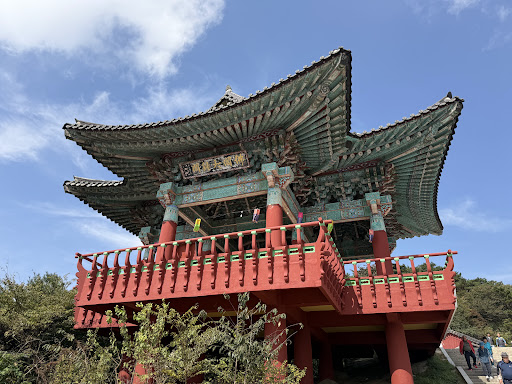
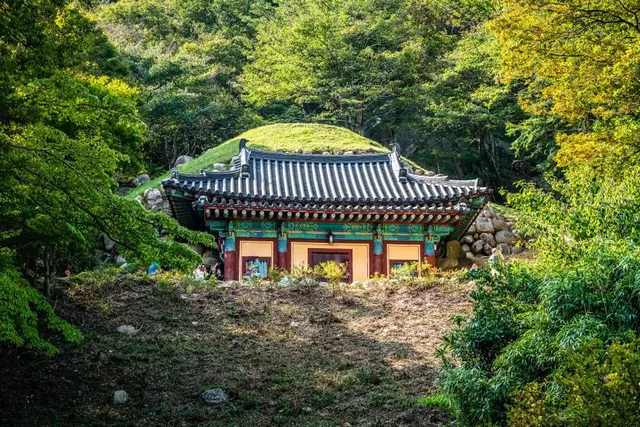
The Seokguram Grotto is a hermitage and part of the Bulguksa temple complex in Gyeongju, South Korea. It and Bulguksa are both on the mountain Tohamsan, although the two are separated by distance of around 3 kilometres. The grotto overlooks the Sea of Japan and rests 750 meters above sea level.
Nearby attractions
Nearby restaurants
Related posts
Keywords
Seokguram Grotto tourism.Seokguram Grotto hotels.Seokguram Grotto bed and breakfast. flights to Seokguram Grotto.Seokguram Grotto attractions.Seokguram Grotto restaurants.Seokguram Grotto travel.Seokguram Grotto travel guide.Seokguram Grotto travel blog.Seokguram Grotto pictures.Seokguram Grotto photos.Seokguram Grotto travel tips.Seokguram Grotto maps.Seokguram Grotto things to do.
Seokguram Grotto things to do, attractions, restaurants, events info and trip planning
Seokguram Grotto
South KoreaNorth GyeongsangGyeongju-siSeokguram Grotto

Basic Info

Seokguram Grotto

238 Seokgul-ro, Gyeongju-si, Gyeongsangbuk-do, South Korea
4.4(3.3K)
Open 24 hours
Save
spot

Ratings & Description

Info

The Seokguram Grotto is a hermitage and part of the Bulguksa temple complex in Gyeongju, South Korea. It and Bulguksa are both on the mountain Tohamsan, although the two are separated by distance of around 3 kilometres. The grotto overlooks the Sea of Japan and rests 750 meters above sea level.

Cultural
Outdoor
Accessibility
attractions: , restaurants:
logoLearn more insights from Wanderboat AI.
Phone
+82 54-746-9933
Website
seokguram.org

Plan your stay

hotel
Pet-friendly Hotels in Gyeongju-si
Find a cozy hotel nearby and make it a full experience.
hotel
Affordable Hotels in Gyeongju-si
Find a cozy hotel nearby and make it a full experience.
hotel
The Coolest Hotels You Haven't Heard Of (Yet)
Find a cozy hotel nearby and make it a full experience.
hotel
Trending Stays Worth the Hype in Gyeongju-si
Find a cozy hotel nearby and make it a full experience.

Reviews

Things to do nearby

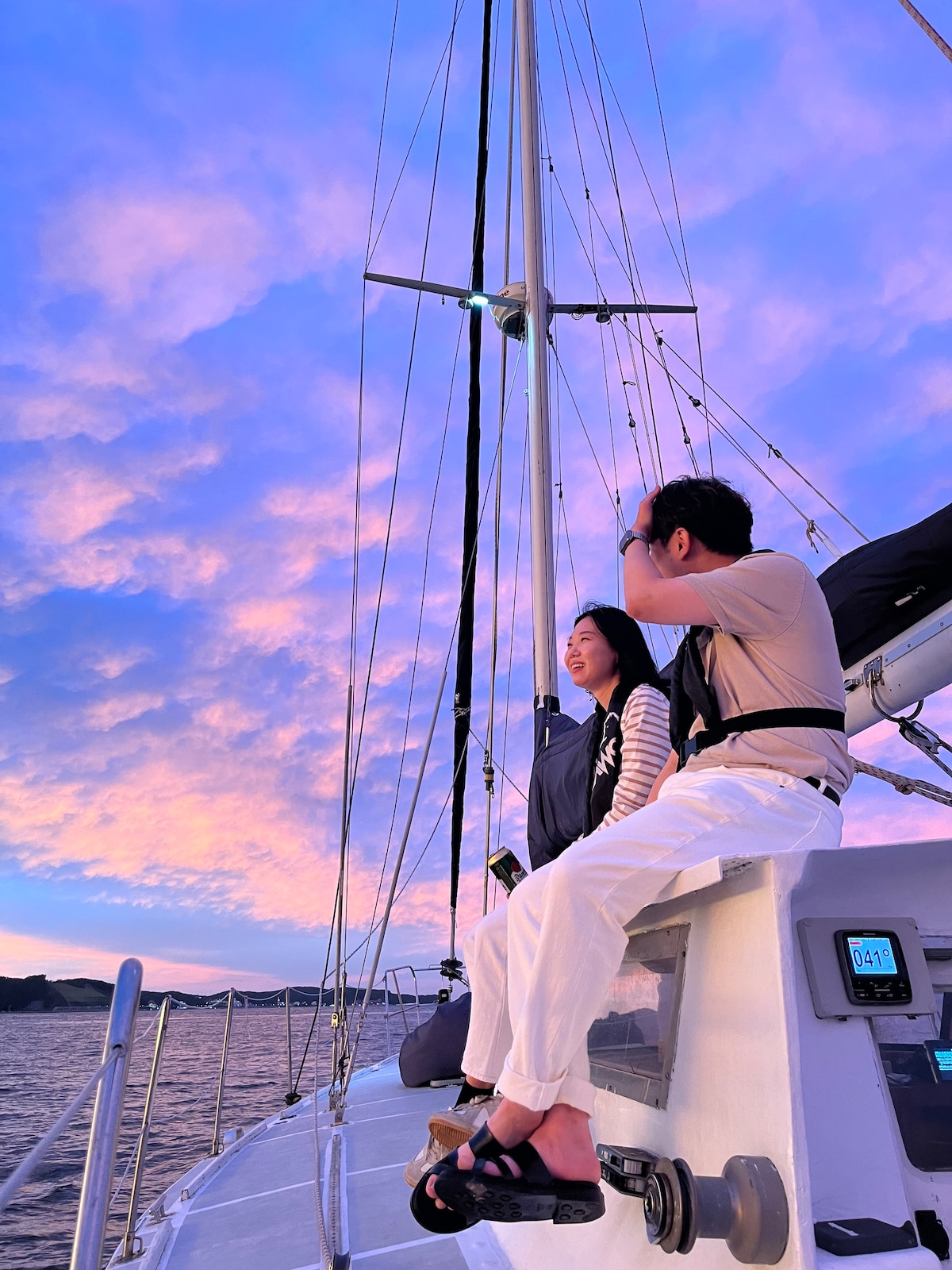
Enjoy yacht sailing in the sea in front of Pohang
Thu, Dec 4 โ€ข 2:00 PM
North Gyeongsang Province, Pohang-si, 37732, South Korea
View details
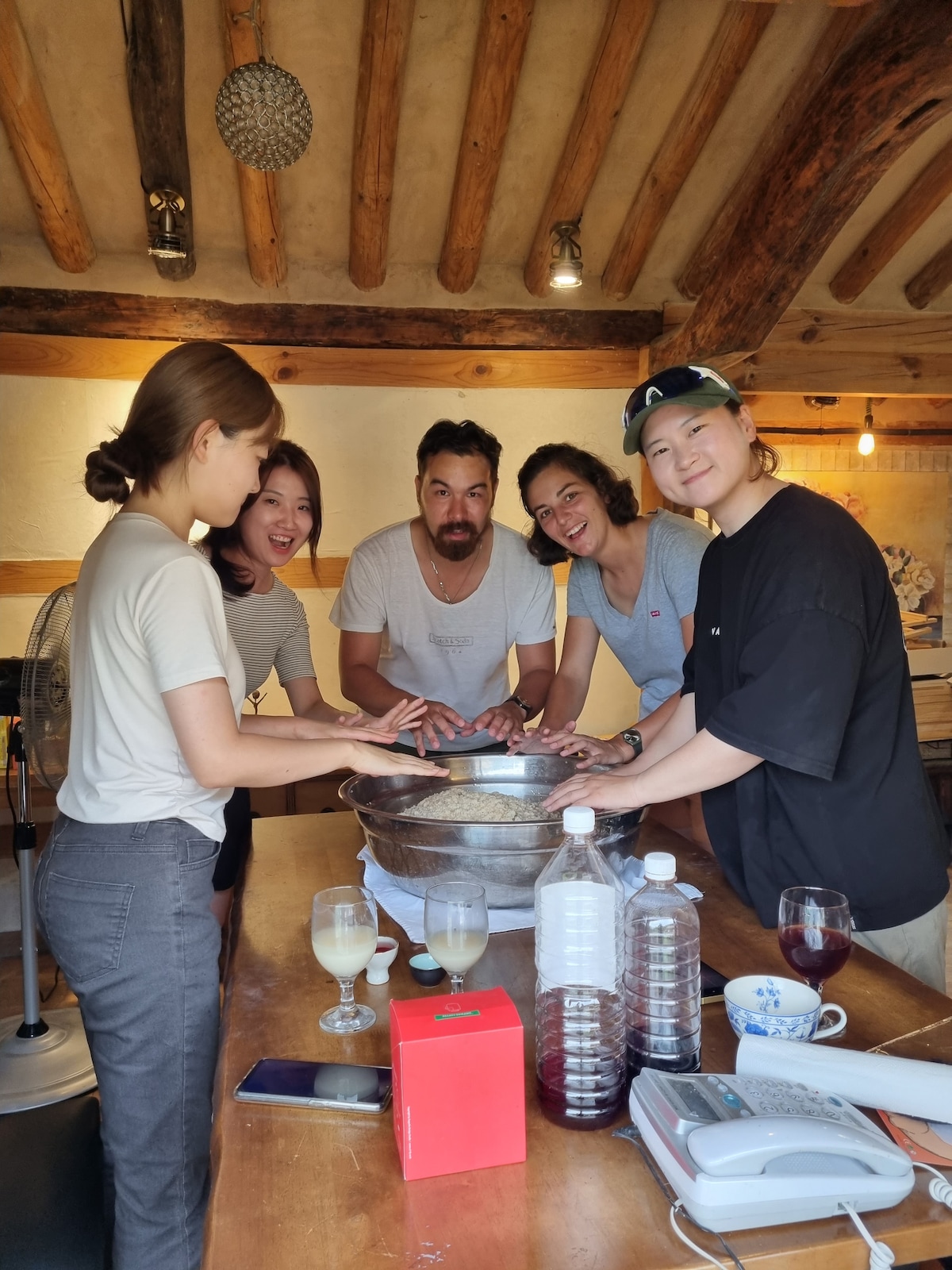
Brew traditional Korean liquor with a local expert
Thu, Dec 4 โ€ข 2:00 PM
North Gyeongsang Province, Gyeongju-si, 38006, South Korea
View details
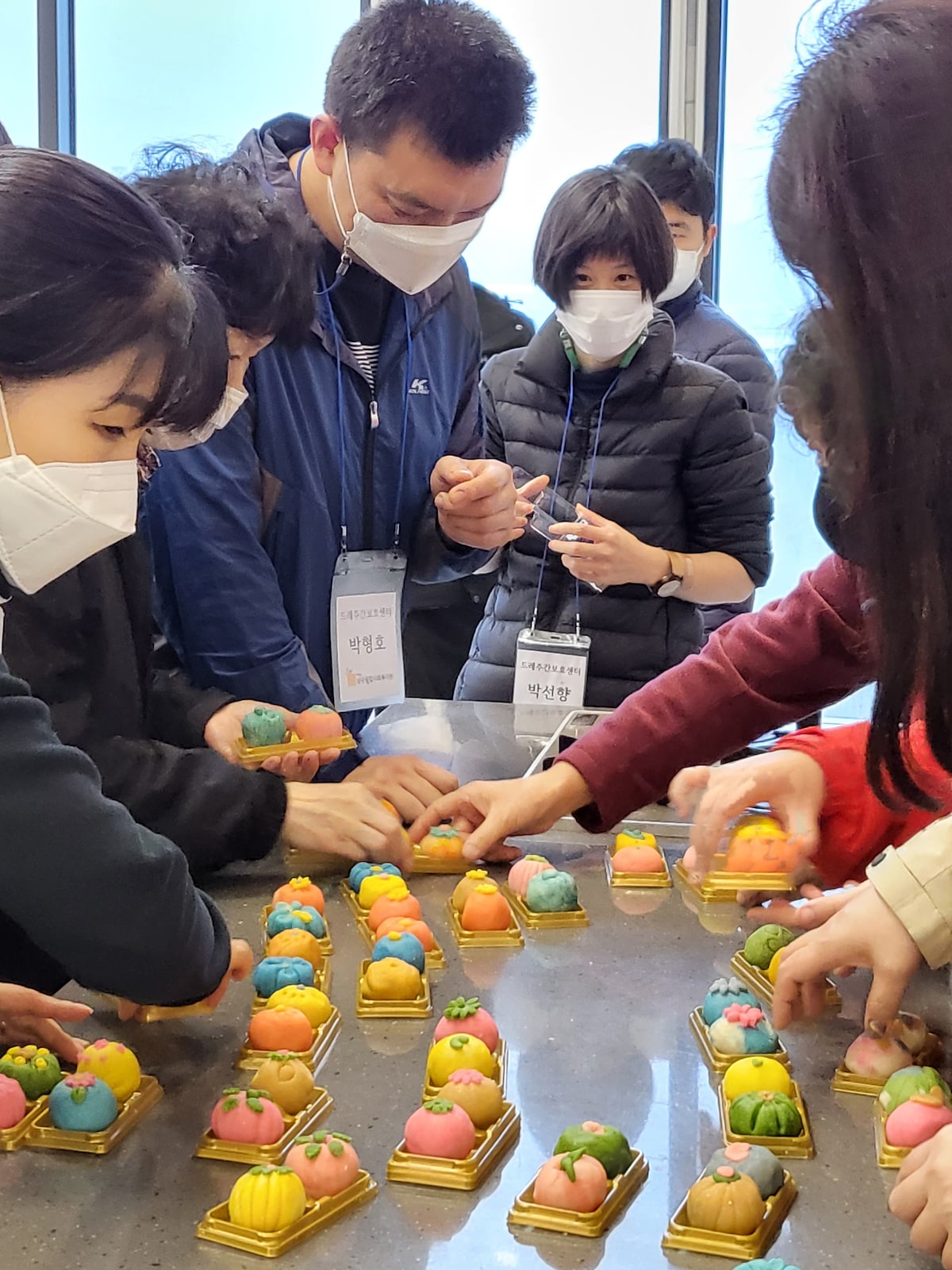
Sweet Airbnb sweets learned in Gyeongju 
Korean Dessert
Sweet Airbnb sweets learned in Gyeongju Korean Dessert
Thu, Dec 4 โ€ข 10:30 AM
North Gyeongsang Province, Gyeongju-si, 38048, South Korea
View details
Get the Appoverlay
Get the AppOne tap to find yournext favorite spots!
Wanderboat LogoWanderboat

Your everyday Al companion for getaway ideas

CompanyAbout Us
InformationAI Trip PlannerSitemap
SocialXInstagramTiktokLinkedin
LegalTerms of ServicePrivacy Policy

Get the app

ยฉ 2025 Wanderboat. All rights reserved.
logo

Reviews of Seokguram Grotto

4.4
(3,337)
avatar
5.0
3y

Make sure to visit Seokguram!

The place I will introduce today is Seokguram in Gyeongju. Seokguram is located in Gyeongju, Gyeongsangbuk-do, Korea, and Gyeongju is a famous place where you can see various cultural heritages because it was the capital of Silla in the past. Perhaps that's why Gyeongju preserved a lot of things and places that left traces of people who lived in the past, and especially there were many cultural heritages related to Silla. I would like to introduce Seokguram Rock because it is the most vivid memory among many places in Gyeongju that I have traveled.

Before entering Seokguram Hermitage in earnest, you should know the operating hours of the place. If you miss the time and can't see Seokguram Hermitage, it would be a shame. It is open from 9 a.m. to 5:30 p.m. on weekdays, but it is open from 8 a.m. to 5:30 p.m. on weekends, so if you want to visit Seokguram a little early, it is recommended to enjoy it on weekends. And to see Seokguram, you have to pay an entrance fee, which is 6,000 won for adults, 4,000 won for teenagers, and 3,000 won for children, and there were other ways to pay an entrance fee as a group.

Now I paid the entrance fee and finally got on the way to Seokguram Hermitage. This moment is still vivid in my memory. This makes me think that perhaps I was most impressed with Seokguram. It was winter when I traveled to Gyeongju, and it snowed a lot on the day I went to Seokguram. In particular, Seokguram Hermitage was colder because it was located in the mountain, and it was hard due to the snowstorm on the way to Seokguram Hermitage, but the sparkling white snow on the branches was so beautiful that it made me forget that it was hard. The scene I saw at that time is still unforgettable years later, so if you are planning to visit Seokguram Hermitage in Gyeongju, I sincerely recommend you to visit it in winter.

The last huge grotto statue I saw through the snowstorm made me feel grand as a child. And the information I read while looking at the Buddha statue is that modern people tried to remove all the stones from the ceiling of Seokguram and later adjust them again, but failed. After that, I read the explanation that without a system to adjust the concentration of air inside Seokguram, it became impossible to preserve the natural environment like before, and I thought again how great the wisdom of our ancestors was when I couldn't keep up with modern technology.

Lastly, it usually takes more than 3 hours by car to Gyeongju, so if you have severe motion sickness, it is recommended that you take motion sickness medicine in advance. And if you are planning to visit Gyeongju, I recommend you to try Hwangnambbang in Gyeongju. Gyeongju has many things to enjoy and there are many places to learn historical facts, so if you go on a trip later, I...

ย ย ย Read more
avatar
5.0
2y

Seokguram Grotto, located in Gyeongju, South Korea, is an awe-inspiring Buddhist cave temple that stands as a testament to the artistic and spiritual achievements of the ancient Silla Dynasty. Designated as a UNESCO World Heritage Site, Seokguram Grotto attracts visitors from around the world with its remarkable architecture and profound spiritual atmosphere.

Constructed in the 8th century during the reign of King Gyeongdeok, Seokguram Grotto was built to house a monumental stone statue of the Buddha and serve as a place of meditation and worship. Carved into the granite mountainside, the grotto showcases the exquisite craftsmanship and engineering skills of the Silla Dynasty.

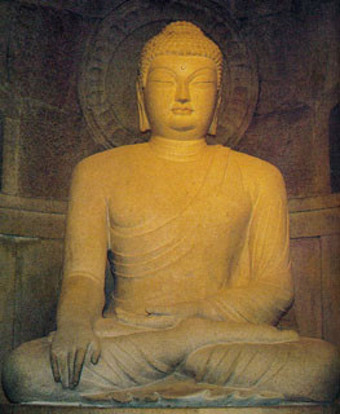
The main highlight of Seokguram Grotto is the central statue of the Buddha, known as the Seokguram Buddha. The seated statue, measuring approximately 3.5 meters in height, exudes a sense of serenity and enlightenment. With its intricate details and gentle facial expression, the statue embodies the ideal of Buddhist enlightenment and serves as a source of inspiration for countless visitors.

The interior of the grotto features a domed ceiling adorned with intricate stone carvings and a circular corridor lined with bas-reliefs depicting various Buddhist deities, guardians, and celestial beings. The delicate and precise details of the carvings demonstrate the advanced artistry and devotion of the Silla craftsmen.

Surrounded by picturesque natural scenery, Seokguram Grotto offers breathtaking views of the East Sea and the surrounding mountains. The tranquil and serene atmosphere adds to the spiritual ambiance, inviting visitors to contemplate and reflect upon the teachings of Buddhism.

Preservation efforts have been undertaken to maintain the integrity of Seokguram Grotto, ensuring that future generations can appreciate its historical and cultural significance. Access to the grotto is regulated to minimize the impact of human activity on the delicate environment and the precious artwork within.

Visiting Seokguram Grotto provides a unique opportunity to delve into the spiritual and artistic legacy of the Silla Dynasty. Its combination of extraordinary architecture, profound symbolism, and stunning natural surroundings make it a truly mesmerizing destination. As one of South Korea's most treasured cultural sites, Seokguram Grotto offers a captivating journey into the heart of ancient Buddhist traditions and the rich heritage of Gyeongju, the ancient capital of the...

ย ย ย Read more
avatar
2.0
1y

Seokguram Grotto, Gyeongju

Ok, not that far from Bulgugsa Temple, about an half an hours drive, this must have been the most disappointing stop!

For clarity, the grotto & the Buddha statue are amazing, but thatโ€™s where it stops!

Parking easy, the entrance gate great, then about a 1/2 mile walk through the forest, still acceptable, the many steps over stone hewn stairs, challenging but still ok! Then comes the surprise, what looks like a storefront for a coffee shop, was the actual teeny weeny entrance to the grotto, with a double door sized glass panel with a view to the statue, and plenty of stickers telling one NO CAMERA, NO PHOTOS! Seriously?

I get it for worshippers itโ€™s a must do, for the photographers tourist, why on earthed is that not publicised at the entrance so one can make an informed decision, especially when the legs are no longer of a young persons?

SUPER DISAPPOINTING!

So if you are a believer, by all means, if you are a serious photographer, save yourself the trip and better off to spend more time at the Yangdon Village!

Some info on the grotto: (Credit goes to Trazy Blog, a site which I found most informative and worth using as a guidance!)

Seokguram Grotto is a stone cave that holds a statue of Buddha. There is a majestic stone statue that is one of the most valued stone statues in Korea. It is located close to Bulguksa Temple, both in Tohamsan Mountain. It is recognized for its outstanding architectural techniques and artistic merits.

Enjoy the photos of entrance & surroundings!

#busan #southkorea #touristystuff #gyeongju #bulgugsatemple #seokguramgrotto #sightseeing...

ย ย ย Read more
Page 1 of 7
Previous
Next

Posts

ํ™ฉ์ง€ํ˜œํ™ฉ์ง€ํ˜œ
Make sure to visit Seokguram! The place I will introduce today is Seokguram in Gyeongju. Seokguram is located in Gyeongju, Gyeongsangbuk-do, Korea, and Gyeongju is a famous place where you can see various cultural heritages because it was the capital of Silla in the past. Perhaps that's why Gyeongju preserved a lot of things and places that left traces of people who lived in the past, and especially there were many cultural heritages related to Silla. I would like to introduce Seokguram Rock because it is the most vivid memory among many places in Gyeongju that I have traveled. Before entering Seokguram Hermitage in earnest, you should know the operating hours of the place. If you miss the time and can't see Seokguram Hermitage, it would be a shame. It is open from 9 a.m. to 5:30 p.m. on weekdays, but it is open from 8 a.m. to 5:30 p.m. on weekends, so if you want to visit Seokguram a little early, it is recommended to enjoy it on weekends. And to see Seokguram, you have to pay an entrance fee, which is 6,000 won for adults, 4,000 won for teenagers, and 3,000 won for children, and there were other ways to pay an entrance fee as a group. Now I paid the entrance fee and finally got on the way to Seokguram Hermitage. This moment is still vivid in my memory. This makes me think that perhaps I was most impressed with Seokguram. It was winter when I traveled to Gyeongju, and it snowed a lot on the day I went to Seokguram. In particular, Seokguram Hermitage was colder because it was located in the mountain, and it was hard due to the snowstorm on the way to Seokguram Hermitage, but the sparkling white snow on the branches was so beautiful that it made me forget that it was hard. The scene I saw at that time is still unforgettable years later, so if you are planning to visit Seokguram Hermitage in Gyeongju, I sincerely recommend you to visit it in winter. The last huge grotto statue I saw through the snowstorm made me feel grand as a child. And the information I read while looking at the Buddha statue is that modern people tried to remove all the stones from the ceiling of Seokguram and later adjust them again, but failed. After that, I read the explanation that without a system to adjust the concentration of air inside Seokguram, it became impossible to preserve the natural environment like before, and I thought again how great the wisdom of our ancestors was when I couldn't keep up with modern technology. Lastly, it usually takes more than 3 hours by car to Gyeongju, so if you have severe motion sickness, it is recommended that you take motion sickness medicine in advance. And if you are planning to visit Gyeongju, I recommend you to try Hwangnambbang in Gyeongju. Gyeongju has many things to enjoy and there are many places to learn historical facts, so if you go on a trip later, I recommend Gyeongju!
Peter A. KnippPeter A. Knipp
Seokguram Grotto, Gyeongju Ok, not that far from Bulgugsa Temple, about an half an hours drive, this must have been the most disappointing stop! For clarity, the grotto & the Buddha statue are amazing, but thatโ€™s where it stops! Parking easy, the entrance gate great, then about a 1/2 mile walk through the forest, still acceptable, the many steps over stone hewn stairs, challenging but still ok! Then comes the surprise, what looks like a storefront for a coffee shop, was the actual teeny weeny entrance to the grotto, with a double door sized glass panel with a view to the statue, and plenty of stickers telling one NO CAMERA, NO PHOTOS! Seriously? I get it for worshippers itโ€™s a must do, for the photographers tourist, why on earthed is that not publicised at the entrance so one can make an informed decision, especially when the legs are no longer of a young persons? SUPER DISAPPOINTING! So if you are a believer, by all means, if you are a serious photographer, save yourself the trip and better off to spend more time at the Yangdon Village! Some info on the grotto: (Credit goes to Trazy Blog, a site which I found most informative and worth using as a guidance!) Seokguram Grotto is a stone cave that holds a statue of Buddha. There is a majestic stone statue that is one of the most valued stone statues in Korea. It is located close to Bulguksa Temple, both in Tohamsan Mountain. It is recognized for its outstanding architectural techniques and artistic merits. Enjoy the photos of entrance & surroundings! #busan #southkorea #touristystuff #gyeongju #bulgugsatemple #seokguramgrotto #sightseeing #tourismkorea
CHA CHA RYUCHA CHA RYU
์–ด๋–ค ์„ค๋ช…์ด ํ•„์š” ์—†์Šต๋‹ˆ๋‹ค. ์„๊ตด์•”์€ ์‹ ๋ผ ๊ฒฝ๋•์™• 10๋…„(751)์— ๋‹น์‹œ ๋Œ€์ƒ์ด์—ˆ๋˜ ๊น€๋Œ€์„ฑ์ด ์ฐฝ๊ฑด์„ ์‹œ์ž‘ํ•˜์—ฌ ํ˜œ๊ณต์™• 10๋…„(774)์— ์™„์„ฑํ•˜์˜€์œผ๋ฉฐ, ๊ฑด๋ฆฝ ๋‹น์‹œ์—๋Š” ์„๋ถˆ์‚ฌ๋ผ๊ณ  ๋ถˆ๋ €๋‹ค. ๊ฒฝ๋•์™•์€ ์‹ ๋ผ ์ค‘๊ธฐ์˜ ์ž„๊ธˆ์œผ๋กœ ๊ทธ์˜ ์žฌ์œ„๊ธฐ๊ฐ„(742โˆผ765) ๋™์•ˆ ์‹ ๋ผ์˜ ๋ถˆ๊ต์˜ˆ์ˆ ์ด ์ „์„ฑ๊ธฐ๋ฅผ ์ด๋ฃจ๊ฒŒ ๋˜๋Š”๋ฐ, ์„๊ตด์•” ์™ธ์—๋„ ๋ถˆ๊ตญ์‚ฌ, ๋‹ค๋ณดํƒ‘, ์‚ผ์ธต์„ํƒ‘, ํ™ฉ๋ฃก์‚ฌ์ข… ๋“ฑ ๋งŽ์€ ๋ฌธํ™”์žฌ๋“ค์ด ์ด๋•Œ ๋งŒ๋“ค์–ด์กŒ๋‹ค. ํ† ํ•จ์‚ฐ ์ค‘ํ„ฑ์— ๋ฐฑ์ƒ‰์˜ ํ™”๊ฐ•์•”์„ ์ด์šฉํ•˜์—ฌ ์ธ์œ„์ ์œผ๋กœ ์„๊ตด์„ ๋งŒ๋“ค๊ณ , ๋‚ด๋ถ€๊ณต๊ฐ„์— ๋ณธ์กด๋ถˆ์ธ ์„๊ฐ€์—ฌ๋ž˜๋ถˆ์ƒ์„ ์ค‘์‹ฌ์œผ๋กœ ๊ทธ ์ฃผ์œ„ ๋ฒฝ๋ฉด์— ๋ณด์‚ด์ƒ ๋ฐ ์ œ์ž์ƒ๊ณผ ์—ญ์‚ฌ์ƒ, ์ฒœ์™•์ƒ ๋“ฑ ์ด 40๊ตฌ์˜ ๋ถˆ์ƒ์„ ์กฐ๊ฐํ–ˆ์œผ๋‚˜ ์ง€๊ธˆ์€ 38๊ตฌ๋งŒ์ด ๋‚จ์•„์žˆ๋‹ค. ์„๊ตด์•” ์„๊ตด์˜ ๊ตฌ์กฐ๋Š” ์ž…๊ตฌ์ธ ์ง์‚ฌ๊ฐํ˜•์˜ ์ „์‹ค(ๅ‰ๅฎค)๊ณผ ์›ํ˜•์˜ ์ฃผ์‹ค(ไธปๅฎค)์ด ๋ณต๋„ ์—ญํ• ์„ ํ•˜๋Š” ํ†ต๋กœ๋กœ ์—ฐ๊ฒฐ๋˜์–ด ์žˆ์œผ๋ฉฐ, 360์—ฌ ๊ฐœ์˜ ๋„“์ ํ•œ ๋Œ๋กœ ์›ํ˜• ์ฃผ์‹ค์˜ ์ฒœ์žฅ์„ ๊ต๋ฌ˜ํ•˜๊ฒŒ ๊ตฌ์ถ•ํ•œ ๊ฑด์ถ• ๊ธฐ๋ฒ•์€ ์„ธ๊ณ„์— ์œ ๋ก€๊ฐ€ ์—†๋Š” ๋›ฐ์–ด๋‚œ ๊ธฐ์ˆ ์ด๋‹ค. ์„๊ตด์•” ์„๊ตด์˜ ์ž…๊ตฌ์— ํ•ด๋‹นํ•˜๋Š” ์ „์‹ค์—๋Š” ์ขŒ์šฐ๋กœ 4๊ตฌ(่ป€)์”ฉ ํŒ”๋ถ€์‹ ์žฅ์ƒ์„ ๋‘๊ณ  ์žˆ๊ณ , ํ†ต๋กœ ์ขŒ์šฐ ์ž…๊ตฌ์—๋Š” ๊ธˆ๊ฐ•์—ญ์‚ฌ์ƒ์„ ์กฐ๊ฐํ•˜์˜€์œผ๋ฉฐ, ์ข์€ ํ†ต๋กœ์—๋Š” ์ขŒ์šฐ๋กœ 2๊ตฌ์”ฉ ๋™์„œ๋‚จ๋ถ ์‚ฌ๋ฐฉ์„ ์ˆ˜ํ˜ธํ•˜๋Š” ์‚ฌ์ฒœ์™•์ƒ์„ ์กฐ๊ฐํ•˜์˜€๋‹ค. ์›ํ˜•์˜ ์ฃผ์‹ค ์ž…๊ตฌ์—๋Š” ์ขŒ์šฐ๋กœ 8๊ฐ์˜ ๋Œ๊ธฐ๋‘ฅ์„ ์„ธ์šฐ๊ณ , ์ฃผ์‹ค ์•ˆ์—๋Š” ๋ณธ์กด๋ถˆ์ด ์ค‘์‹ฌ์—์„œ ์•ฝ๊ฐ„ ๋’ค์ชฝ์— ์•ˆ์น˜๋˜์–ด ์žˆ๋‹ค. ์ฃผ์‹ค์˜ ๋ฒฝ๋ฉด์—๋Š” ์ž…๊ตฌ์—์„œ๋ถ€ํ„ฐ ์ฒœ๋ถ€์ƒ 2๊ตฌ, ๋ณด์‚ด์ƒ 2๊ตฌ, ๋‚˜ํ•œ์ƒ 10๊ตฌ๊ฐ€ ์ฑ„์›Œ์ง€๊ณ , ๋ณธ์กด๋ถˆ ๋’ท๋ฉด ๋‘ฅ๊ทผ ๋ฒฝ์—๋Š” ์„๊ตด ์•ˆ์—์„œ ๊ฐ€์žฅ ์ •๊ตํ•˜๊ฒŒ ์กฐ๊ฐ๋œ ์‹ญ์ผ๋ฉด๊ด€์Œ๋ณด์‚ด์ƒ์ด ์„œ ์žˆ๋‹ค. ์›์ˆ™ํ•œ ์กฐ๊ฐ ๊ธฐ๋ฒ•๊ณผ ์‚ฌ์‹ค์ ์ธ ํ‘œํ˜„์œผ๋กœ ์™„๋ฒฝํ•˜๊ฒŒ ํ˜•์ƒํ™”๋œ ๋ณธ์กด๋ถˆ, ์–ผ๊ตด๊ณผ ์˜จ๋ชธ์ด ํ™”๋ คํ•˜๊ฒŒ ์กฐ๊ฐ๋œ ์‹ญ์ผ๋ฉด๊ด€์Œ๋ณด์‚ด์ƒ, ์šฉ๋งน์Šค๋Ÿฐ ์ธ์™•์ƒ, ์œ„์—„์žˆ๋Š” ๋ชจ์Šต์˜ ์‚ฌ์ฒœ์™•์ƒ, ์œ ์—ฐํ•˜๊ณ  ์šฐ์•„ํ•œ ๋ชจ์Šต์˜ ๊ฐ์ข… ๋ณด์‚ด์ƒ, ์ €๋งˆ๋‹ค ๊ฐœ์„ฑ์žˆ๋Š” ํ‘œํ˜„์„ ํ•˜๊ณ  ์žˆ๋Š” ๋‚˜ํ•œ์ƒ ๋“ฑ ์ด๊ณณ์— ๋งŒ๋“ค์–ด์ง„ ๋ชจ๋“  ์กฐ๊ฐํ’ˆ๋“ค์€ ๋™์•„์‹œ์•„ ๋ถˆ๊ต์กฐ๊ฐ์—์„œ ์ตœ๊ณ ์˜ ๊ฑธ์ž‘ํ’ˆ์œผ๋กœ ์†์ƒ‰์ด ์—†๋‹ค. ํŠนํžˆ ์ฃผ์‹ค ์•ˆ์— ๋ชจ์‹œ๊ณ  ์žˆ๋Š” ๋ณธ์กด๋ถˆ์˜ ๊ณ ์š”ํ•œ ๋ชจ์Šต์€ ์„๊ตด ์ „์ฒด์—์„œ ํ’๊ธฐ๋Š” ์€๋ฐ€ํ•œ ๋ถ„์œ„๊ธฐ ์†์—์„œ ์‹ ๋น„๋กœ์›€์˜ ๊นŠ์ด๋ฅผ ๋”ํ•ด์ฃผ๊ณ  ์žˆ๋‹ค. ์ง€๊ทนํžˆ ์ž์—ฐ์Šค๋Ÿฌ์šด ๋ชจ์Šต์˜ ๋ณธ์กด๋ถˆ์€ ๋‚ด๋ฉด์— ๊นŠ๊ณ  ์ˆญ๊ณ ํ•œ ๋งˆ์Œ์„ ๊ฐ„์งํ•œ ๊ฐ€์žฅ ์ด์ƒ์ ์ธ ๋ชจ์Šต์œผ๋กœ ๋ชจ๋“  ์ค‘์ƒ๋“ค์—๊ฒŒ ์ž๋น„๋กœ์›€์ด ์ €์ ˆ๋กœ ์ „ํ•ด์งˆ ๋“ฏ ํ•˜๋‹ค. The construction of Seokguram Grotto was begun in 751 under the leadership of Prime Minister Kim Dae-seong during the reign of King Gyeongdeok of the Silla Dynasty, and was completed in 774 (the 10th year of King Hyegongโ€™s reign), whereupon it was given its original name of Seokbulsa Temple. Buddhist art reached its peak during King Gyeongdeokโ€™s reign, which spanned the middle period of the Silla Period, Besides Seokguram Grotto, many other cultural treasures were built during this period, including Bulguksa Temple, Dabotap Pagoda, the Three-story Stone Pagoda of Bulguksa Temple, and the Bell of Hwangnyongsa Temple. The artificial stone grotto was built halfway down Tohamsan Mountain with pieces of white granite. The principal statue of Sakyamuni Buddha was placed at the center of the grotto, and forty statues of various bodhisattvas, Buddhaโ€™s disciples, and guardian kings were carved on the surrounding walls, though only thirty-eight of them remain. The rectangular front chamber of the grotto is connected to the round main chamber by a corridor. The exquisite ceiling of the main chamber was made with more than 360 flat stones. The architectural technique used to build this grotto is unprecedented in its excellence. There are statues of four guardian deities on both the left and right sides of the front chamber, which functions as the entrance to the main chamber. Carved on both sides of the entrance to the corridor is a statue of the Vajra Guardians, while the narrow corridor is decorated with the Four Guardian Kings carved in pairs. There is an octagonal stone column on both sides of the entrance to the round main chamber. The Principal Buddha is placed slightly off center toward the back of the main chamber. From the entrance, the walls of the chamber are filled with the images of two devas, two bodhisattvas, and ten arhats. Standing behind the Principal Buddha is a statue of the Eleven-faced Avalokitesvara Bodhisattva, perhaps the most exquisitely carved statue found inside this grotto. Every single sculpture contained in the grotto may be considered a masterpiece of East Asian Buddhist art. The list of masterpieces includes the principal image of Buddha, which was created with mature carving skills; the Eleven-faced Avalokitesvara Bodhisattva with its magnificently carved face and body; statues of valiant warriors and the majestic Four Guardian Kings; and the supple graceful statues of various bodhisattvas and arhats, each of which displays a distinctive individuality. In particular, the serene appearance of the Principal Buddha enshrined in the main chamber deepens the mystical atmosphere. The extremely natural appearance of the Principal Buddha seems to present to all living people the ideal model of a man harboring a profound and sublime mind deep within him and easily pass to them his everlasting mercy. (์ถœ์ฒ˜:๋ฌธํ™”์žฌ์ฒญ ๊ตญ๊ฐ€๋ฌธํ™”์œ ์‚ฐํฌํ„ธ ๋ฐœ์ทŒ)
See more posts
See more posts
hotel
Find your stay

Pet-friendly Hotels in Gyeongju-si

Find a cozy hotel nearby and make it a full experience.

Make sure to visit Seokguram! The place I will introduce today is Seokguram in Gyeongju. Seokguram is located in Gyeongju, Gyeongsangbuk-do, Korea, and Gyeongju is a famous place where you can see various cultural heritages because it was the capital of Silla in the past. Perhaps that's why Gyeongju preserved a lot of things and places that left traces of people who lived in the past, and especially there were many cultural heritages related to Silla. I would like to introduce Seokguram Rock because it is the most vivid memory among many places in Gyeongju that I have traveled. Before entering Seokguram Hermitage in earnest, you should know the operating hours of the place. If you miss the time and can't see Seokguram Hermitage, it would be a shame. It is open from 9 a.m. to 5:30 p.m. on weekdays, but it is open from 8 a.m. to 5:30 p.m. on weekends, so if you want to visit Seokguram a little early, it is recommended to enjoy it on weekends. And to see Seokguram, you have to pay an entrance fee, which is 6,000 won for adults, 4,000 won for teenagers, and 3,000 won for children, and there were other ways to pay an entrance fee as a group. Now I paid the entrance fee and finally got on the way to Seokguram Hermitage. This moment is still vivid in my memory. This makes me think that perhaps I was most impressed with Seokguram. It was winter when I traveled to Gyeongju, and it snowed a lot on the day I went to Seokguram. In particular, Seokguram Hermitage was colder because it was located in the mountain, and it was hard due to the snowstorm on the way to Seokguram Hermitage, but the sparkling white snow on the branches was so beautiful that it made me forget that it was hard. The scene I saw at that time is still unforgettable years later, so if you are planning to visit Seokguram Hermitage in Gyeongju, I sincerely recommend you to visit it in winter. The last huge grotto statue I saw through the snowstorm made me feel grand as a child. And the information I read while looking at the Buddha statue is that modern people tried to remove all the stones from the ceiling of Seokguram and later adjust them again, but failed. After that, I read the explanation that without a system to adjust the concentration of air inside Seokguram, it became impossible to preserve the natural environment like before, and I thought again how great the wisdom of our ancestors was when I couldn't keep up with modern technology. Lastly, it usually takes more than 3 hours by car to Gyeongju, so if you have severe motion sickness, it is recommended that you take motion sickness medicine in advance. And if you are planning to visit Gyeongju, I recommend you to try Hwangnambbang in Gyeongju. Gyeongju has many things to enjoy and there are many places to learn historical facts, so if you go on a trip later, I recommend Gyeongju!
ํ™ฉ์ง€ํ˜œ

ํ™ฉ์ง€ํ˜œ

hotel
Find your stay

Affordable Hotels in Gyeongju-si

Find a cozy hotel nearby and make it a full experience.

Get the Appoverlay
Get the AppOne tap to find yournext favorite spots!
Seokguram Grotto, Gyeongju Ok, not that far from Bulgugsa Temple, about an half an hours drive, this must have been the most disappointing stop! For clarity, the grotto & the Buddha statue are amazing, but thatโ€™s where it stops! Parking easy, the entrance gate great, then about a 1/2 mile walk through the forest, still acceptable, the many steps over stone hewn stairs, challenging but still ok! Then comes the surprise, what looks like a storefront for a coffee shop, was the actual teeny weeny entrance to the grotto, with a double door sized glass panel with a view to the statue, and plenty of stickers telling one NO CAMERA, NO PHOTOS! Seriously? I get it for worshippers itโ€™s a must do, for the photographers tourist, why on earthed is that not publicised at the entrance so one can make an informed decision, especially when the legs are no longer of a young persons? SUPER DISAPPOINTING! So if you are a believer, by all means, if you are a serious photographer, save yourself the trip and better off to spend more time at the Yangdon Village! Some info on the grotto: (Credit goes to Trazy Blog, a site which I found most informative and worth using as a guidance!) Seokguram Grotto is a stone cave that holds a statue of Buddha. There is a majestic stone statue that is one of the most valued stone statues in Korea. It is located close to Bulguksa Temple, both in Tohamsan Mountain. It is recognized for its outstanding architectural techniques and artistic merits. Enjoy the photos of entrance & surroundings! #busan #southkorea #touristystuff #gyeongju #bulgugsatemple #seokguramgrotto #sightseeing #tourismkorea
Peter A. Knipp

Peter A. Knipp

hotel
Find your stay

The Coolest Hotels You Haven't Heard Of (Yet)

Find a cozy hotel nearby and make it a full experience.

hotel
Find your stay

Trending Stays Worth the Hype in Gyeongju-si

Find a cozy hotel nearby and make it a full experience.

์–ด๋–ค ์„ค๋ช…์ด ํ•„์š” ์—†์Šต๋‹ˆ๋‹ค. ์„๊ตด์•”์€ ์‹ ๋ผ ๊ฒฝ๋•์™• 10๋…„(751)์— ๋‹น์‹œ ๋Œ€์ƒ์ด์—ˆ๋˜ ๊น€๋Œ€์„ฑ์ด ์ฐฝ๊ฑด์„ ์‹œ์ž‘ํ•˜์—ฌ ํ˜œ๊ณต์™• 10๋…„(774)์— ์™„์„ฑํ•˜์˜€์œผ๋ฉฐ, ๊ฑด๋ฆฝ ๋‹น์‹œ์—๋Š” ์„๋ถˆ์‚ฌ๋ผ๊ณ  ๋ถˆ๋ €๋‹ค. ๊ฒฝ๋•์™•์€ ์‹ ๋ผ ์ค‘๊ธฐ์˜ ์ž„๊ธˆ์œผ๋กœ ๊ทธ์˜ ์žฌ์œ„๊ธฐ๊ฐ„(742โˆผ765) ๋™์•ˆ ์‹ ๋ผ์˜ ๋ถˆ๊ต์˜ˆ์ˆ ์ด ์ „์„ฑ๊ธฐ๋ฅผ ์ด๋ฃจ๊ฒŒ ๋˜๋Š”๋ฐ, ์„๊ตด์•” ์™ธ์—๋„ ๋ถˆ๊ตญ์‚ฌ, ๋‹ค๋ณดํƒ‘, ์‚ผ์ธต์„ํƒ‘, ํ™ฉ๋ฃก์‚ฌ์ข… ๋“ฑ ๋งŽ์€ ๋ฌธํ™”์žฌ๋“ค์ด ์ด๋•Œ ๋งŒ๋“ค์–ด์กŒ๋‹ค. ํ† ํ•จ์‚ฐ ์ค‘ํ„ฑ์— ๋ฐฑ์ƒ‰์˜ ํ™”๊ฐ•์•”์„ ์ด์šฉํ•˜์—ฌ ์ธ์œ„์ ์œผ๋กœ ์„๊ตด์„ ๋งŒ๋“ค๊ณ , ๋‚ด๋ถ€๊ณต๊ฐ„์— ๋ณธ์กด๋ถˆ์ธ ์„๊ฐ€์—ฌ๋ž˜๋ถˆ์ƒ์„ ์ค‘์‹ฌ์œผ๋กœ ๊ทธ ์ฃผ์œ„ ๋ฒฝ๋ฉด์— ๋ณด์‚ด์ƒ ๋ฐ ์ œ์ž์ƒ๊ณผ ์—ญ์‚ฌ์ƒ, ์ฒœ์™•์ƒ ๋“ฑ ์ด 40๊ตฌ์˜ ๋ถˆ์ƒ์„ ์กฐ๊ฐํ–ˆ์œผ๋‚˜ ์ง€๊ธˆ์€ 38๊ตฌ๋งŒ์ด ๋‚จ์•„์žˆ๋‹ค. ์„๊ตด์•” ์„๊ตด์˜ ๊ตฌ์กฐ๋Š” ์ž…๊ตฌ์ธ ์ง์‚ฌ๊ฐํ˜•์˜ ์ „์‹ค(ๅ‰ๅฎค)๊ณผ ์›ํ˜•์˜ ์ฃผ์‹ค(ไธปๅฎค)์ด ๋ณต๋„ ์—ญํ• ์„ ํ•˜๋Š” ํ†ต๋กœ๋กœ ์—ฐ๊ฒฐ๋˜์–ด ์žˆ์œผ๋ฉฐ, 360์—ฌ ๊ฐœ์˜ ๋„“์ ํ•œ ๋Œ๋กœ ์›ํ˜• ์ฃผ์‹ค์˜ ์ฒœ์žฅ์„ ๊ต๋ฌ˜ํ•˜๊ฒŒ ๊ตฌ์ถ•ํ•œ ๊ฑด์ถ• ๊ธฐ๋ฒ•์€ ์„ธ๊ณ„์— ์œ ๋ก€๊ฐ€ ์—†๋Š” ๋›ฐ์–ด๋‚œ ๊ธฐ์ˆ ์ด๋‹ค. ์„๊ตด์•” ์„๊ตด์˜ ์ž…๊ตฌ์— ํ•ด๋‹นํ•˜๋Š” ์ „์‹ค์—๋Š” ์ขŒ์šฐ๋กœ 4๊ตฌ(่ป€)์”ฉ ํŒ”๋ถ€์‹ ์žฅ์ƒ์„ ๋‘๊ณ  ์žˆ๊ณ , ํ†ต๋กœ ์ขŒ์šฐ ์ž…๊ตฌ์—๋Š” ๊ธˆ๊ฐ•์—ญ์‚ฌ์ƒ์„ ์กฐ๊ฐํ•˜์˜€์œผ๋ฉฐ, ์ข์€ ํ†ต๋กœ์—๋Š” ์ขŒ์šฐ๋กœ 2๊ตฌ์”ฉ ๋™์„œ๋‚จ๋ถ ์‚ฌ๋ฐฉ์„ ์ˆ˜ํ˜ธํ•˜๋Š” ์‚ฌ์ฒœ์™•์ƒ์„ ์กฐ๊ฐํ•˜์˜€๋‹ค. ์›ํ˜•์˜ ์ฃผ์‹ค ์ž…๊ตฌ์—๋Š” ์ขŒ์šฐ๋กœ 8๊ฐ์˜ ๋Œ๊ธฐ๋‘ฅ์„ ์„ธ์šฐ๊ณ , ์ฃผ์‹ค ์•ˆ์—๋Š” ๋ณธ์กด๋ถˆ์ด ์ค‘์‹ฌ์—์„œ ์•ฝ๊ฐ„ ๋’ค์ชฝ์— ์•ˆ์น˜๋˜์–ด ์žˆ๋‹ค. ์ฃผ์‹ค์˜ ๋ฒฝ๋ฉด์—๋Š” ์ž…๊ตฌ์—์„œ๋ถ€ํ„ฐ ์ฒœ๋ถ€์ƒ 2๊ตฌ, ๋ณด์‚ด์ƒ 2๊ตฌ, ๋‚˜ํ•œ์ƒ 10๊ตฌ๊ฐ€ ์ฑ„์›Œ์ง€๊ณ , ๋ณธ์กด๋ถˆ ๋’ท๋ฉด ๋‘ฅ๊ทผ ๋ฒฝ์—๋Š” ์„๊ตด ์•ˆ์—์„œ ๊ฐ€์žฅ ์ •๊ตํ•˜๊ฒŒ ์กฐ๊ฐ๋œ ์‹ญ์ผ๋ฉด๊ด€์Œ๋ณด์‚ด์ƒ์ด ์„œ ์žˆ๋‹ค. ์›์ˆ™ํ•œ ์กฐ๊ฐ ๊ธฐ๋ฒ•๊ณผ ์‚ฌ์‹ค์ ์ธ ํ‘œํ˜„์œผ๋กœ ์™„๋ฒฝํ•˜๊ฒŒ ํ˜•์ƒํ™”๋œ ๋ณธ์กด๋ถˆ, ์–ผ๊ตด๊ณผ ์˜จ๋ชธ์ด ํ™”๋ คํ•˜๊ฒŒ ์กฐ๊ฐ๋œ ์‹ญ์ผ๋ฉด๊ด€์Œ๋ณด์‚ด์ƒ, ์šฉ๋งน์Šค๋Ÿฐ ์ธ์™•์ƒ, ์œ„์—„์žˆ๋Š” ๋ชจ์Šต์˜ ์‚ฌ์ฒœ์™•์ƒ, ์œ ์—ฐํ•˜๊ณ  ์šฐ์•„ํ•œ ๋ชจ์Šต์˜ ๊ฐ์ข… ๋ณด์‚ด์ƒ, ์ €๋งˆ๋‹ค ๊ฐœ์„ฑ์žˆ๋Š” ํ‘œํ˜„์„ ํ•˜๊ณ  ์žˆ๋Š” ๋‚˜ํ•œ์ƒ ๋“ฑ ์ด๊ณณ์— ๋งŒ๋“ค์–ด์ง„ ๋ชจ๋“  ์กฐ๊ฐํ’ˆ๋“ค์€ ๋™์•„์‹œ์•„ ๋ถˆ๊ต์กฐ๊ฐ์—์„œ ์ตœ๊ณ ์˜ ๊ฑธ์ž‘ํ’ˆ์œผ๋กœ ์†์ƒ‰์ด ์—†๋‹ค. ํŠนํžˆ ์ฃผ์‹ค ์•ˆ์— ๋ชจ์‹œ๊ณ  ์žˆ๋Š” ๋ณธ์กด๋ถˆ์˜ ๊ณ ์š”ํ•œ ๋ชจ์Šต์€ ์„๊ตด ์ „์ฒด์—์„œ ํ’๊ธฐ๋Š” ์€๋ฐ€ํ•œ ๋ถ„์œ„๊ธฐ ์†์—์„œ ์‹ ๋น„๋กœ์›€์˜ ๊นŠ์ด๋ฅผ ๋”ํ•ด์ฃผ๊ณ  ์žˆ๋‹ค. ์ง€๊ทนํžˆ ์ž์—ฐ์Šค๋Ÿฌ์šด ๋ชจ์Šต์˜ ๋ณธ์กด๋ถˆ์€ ๋‚ด๋ฉด์— ๊นŠ๊ณ  ์ˆญ๊ณ ํ•œ ๋งˆ์Œ์„ ๊ฐ„์งํ•œ ๊ฐ€์žฅ ์ด์ƒ์ ์ธ ๋ชจ์Šต์œผ๋กœ ๋ชจ๋“  ์ค‘์ƒ๋“ค์—๊ฒŒ ์ž๋น„๋กœ์›€์ด ์ €์ ˆ๋กœ ์ „ํ•ด์งˆ ๋“ฏ ํ•˜๋‹ค. The construction of Seokguram Grotto was begun in 751 under the leadership of Prime Minister Kim Dae-seong during the reign of King Gyeongdeok of the Silla Dynasty, and was completed in 774 (the 10th year of King Hyegongโ€™s reign), whereupon it was given its original name of Seokbulsa Temple. Buddhist art reached its peak during King Gyeongdeokโ€™s reign, which spanned the middle period of the Silla Period, Besides Seokguram Grotto, many other cultural treasures were built during this period, including Bulguksa Temple, Dabotap Pagoda, the Three-story Stone Pagoda of Bulguksa Temple, and the Bell of Hwangnyongsa Temple. The artificial stone grotto was built halfway down Tohamsan Mountain with pieces of white granite. The principal statue of Sakyamuni Buddha was placed at the center of the grotto, and forty statues of various bodhisattvas, Buddhaโ€™s disciples, and guardian kings were carved on the surrounding walls, though only thirty-eight of them remain. The rectangular front chamber of the grotto is connected to the round main chamber by a corridor. The exquisite ceiling of the main chamber was made with more than 360 flat stones. The architectural technique used to build this grotto is unprecedented in its excellence. There are statues of four guardian deities on both the left and right sides of the front chamber, which functions as the entrance to the main chamber. Carved on both sides of the entrance to the corridor is a statue of the Vajra Guardians, while the narrow corridor is decorated with the Four Guardian Kings carved in pairs. There is an octagonal stone column on both sides of the entrance to the round main chamber. The Principal Buddha is placed slightly off center toward the back of the main chamber. From the entrance, the walls of the chamber are filled with the images of two devas, two bodhisattvas, and ten arhats. Standing behind the Principal Buddha is a statue of the Eleven-faced Avalokitesvara Bodhisattva, perhaps the most exquisitely carved statue found inside this grotto. Every single sculpture contained in the grotto may be considered a masterpiece of East Asian Buddhist art. The list of masterpieces includes the principal image of Buddha, which was created with mature carving skills; the Eleven-faced Avalokitesvara Bodhisattva with its magnificently carved face and body; statues of valiant warriors and the majestic Four Guardian Kings; and the supple graceful statues of various bodhisattvas and arhats, each of which displays a distinctive individuality. In particular, the serene appearance of the Principal Buddha enshrined in the main chamber deepens the mystical atmosphere. The extremely natural appearance of the Principal Buddha seems to present to all living people the ideal model of a man harboring a profound and sublime mind deep within him and easily pass to them his everlasting mercy. (์ถœ์ฒ˜:๋ฌธํ™”์žฌ์ฒญ ๊ตญ๊ฐ€๋ฌธํ™”์œ ์‚ฐํฌํ„ธ ๋ฐœ์ทŒ)
CHA CHA RYU

CHA CHA RYU

See more posts
See more posts