Juwangsan National Park things to do, attractions, restaurants, events info and trip planning
Basic Info
Juwangsan National Park
Sangui-ri, 부동면 Cheongsong-gun, Gyeongsangbuk-do, South Korea
4.7(92)
Open until 12:00 AM
Save
spot
spot
Ratings & Description
Info
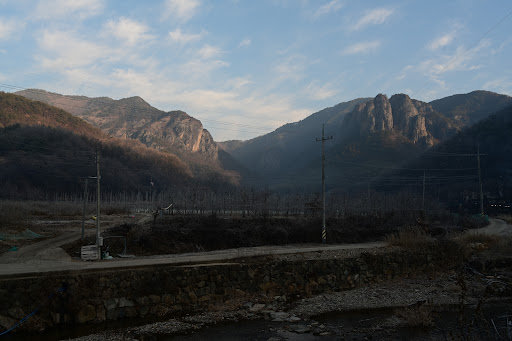
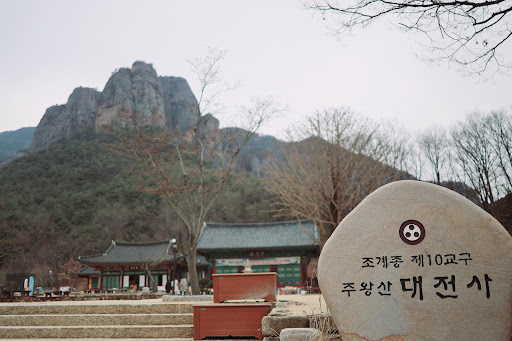
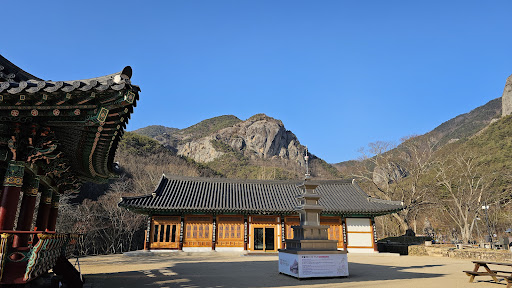
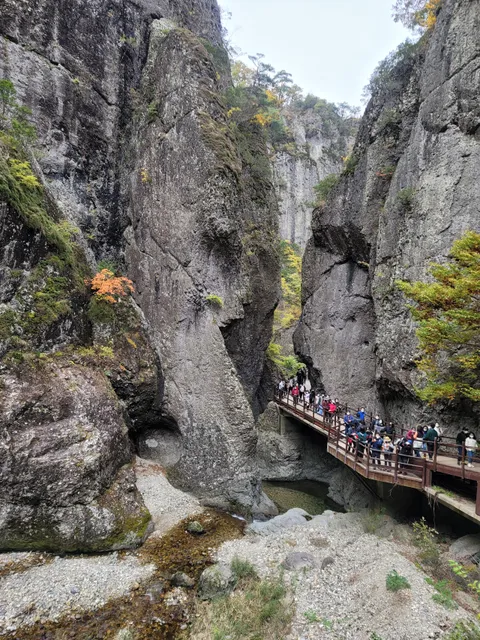
Juwangsan National Park is located in North Gyeongsang province, South Korea, and is part of the Taebaek mountain range. It was designated the 12th national park in South Korea in 1976. The total size of the park is 107.42 km². The park is home to 88 plant species and 924 animal species.
Cultural
Outdoor
Adventure
Scenic
Family friendly
attractions: , restaurants: , local businesses:
 Learn more insights from Wanderboat AI.
Phone
+82 54-870-5341
Open hoursSee all hours
WedOpen 24 hoursOpen
Plan your stay

Pet-friendly Hotels in Juwangsan-myeon
Find a cozy hotel nearby and make it a full experience.

Affordable Hotels in Juwangsan-myeon
Find a cozy hotel nearby and make it a full experience.

The Coolest Hotels You Haven't Heard Of (Yet)
Find a cozy hotel nearby and make it a full experience.

Trending Stays Worth the Hype in Juwangsan-myeon
Find a cozy hotel nearby and make it a full experience.