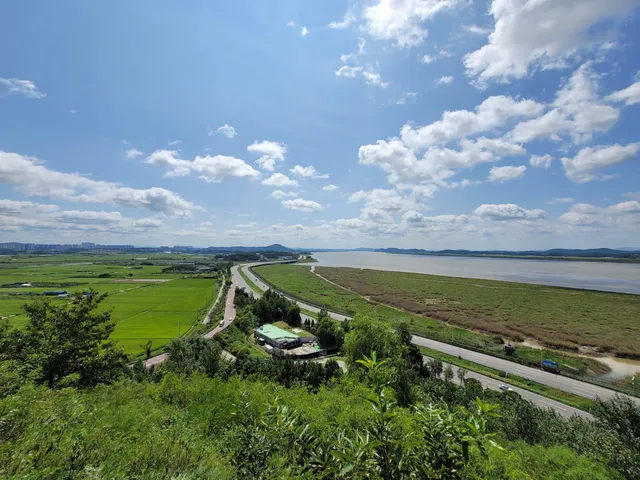
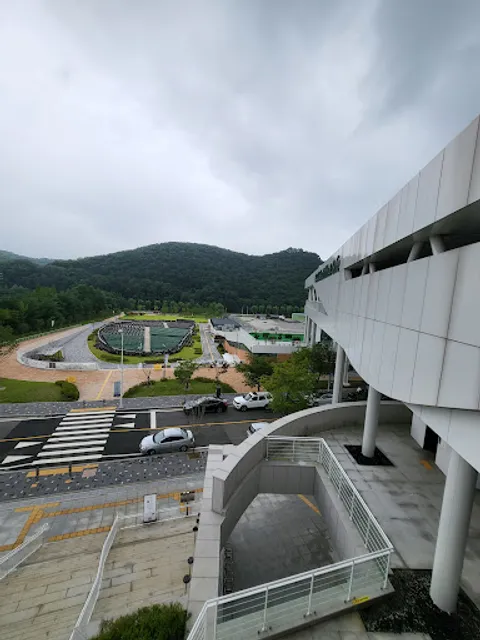
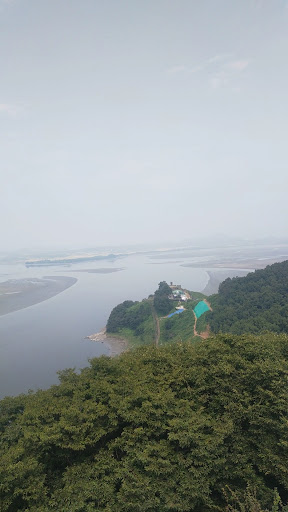
The Odusan Unification Observation Point is a historical and symbolic observation point located at the summit of the 118-meter-high Odusan Mountain at the confluence of the Han and Imjin Rivers in Paju, South Korea. Opened in 1992, this structure is an important tourist and educational center that reveals the division of Korea and symbolizes the hope for unification.
Features and Importance
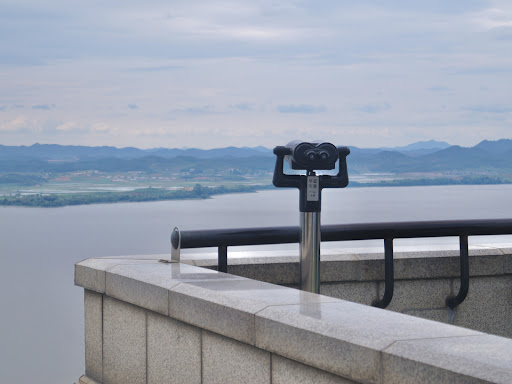
Location: Located just 2 km from the North Korean border, the observation point offers visitors the opportunity to observe the Maegon village and its surroundings in North Korea with the naked eye or telescopes.
Observation Area: The five-story building has observation terraces on almost every floor. From the top floor, iconic structures such as North Korea's Songaksan Mountain and the 63 Building in Seoul, South Korea can be seen.
Exhibitions and Education: Inside, there are photographs, videos and interactive screens reflecting the realities of North Korea. There are also areas where products brought from North Korea are exhibited.
• Symbolic Structures: Outside the observation point are a statue of Cho Man-sik, who fought for independence, a reunification wish drum, and an altar called Mangbaedan, which commemorates separated families.
Visit Information
• Address: 369 Pilseung-ro, Tanhyeon-myeon, Paju-si, Gyeonggi-do, South Korea
Operating Hours: Tuesday - Sunday, 9:00 am - 5:00 pm (until 4:30 pm in winter). Closed on Mondays.
Transportation: Paju can be reached by bus or train from Seoul. In Paju, a free shuttle bus departs from the Tongil Dongsan parking lot every 20 minutes to the observation point.
Visitors can tangibly experience the division of Korea through the observation point. Observing the villages and fields of North Korea through telescopes offers visitors a deep opportunity for reflection and empathy. In addition, the exhibitions and events held at the observation point provide a comprehensive understanding of Korea's historical and cultural background.
Odusan Unification Observation Point is an important place that reflects Korea's hope for unification and desire for peace, offering a rich experience both historically and emotionally.
Odusan Birleşme Gözlem Noktası, Güney Kore’nin Paju şehrinde, Han ve Imjin nehirlerinin birleştiği noktada, 118 metre yüksekliğindeki Odusan Dağı’nın zirvesinde yer alan tarihi ve sembolik bir gözlem merkezidir. 1992 yılında açılan bu yapı, Kore’nin bölünmüşlüğünü gözler önüne seren ve birleşme umudunu simgeleyen önemli bir turistik ve eğitim merkezidir .
Özellikleri ve Önemi
• Konum: Kuzey Kore sınırına sadece 2 km mesafede bulunan gözlem noktası, ziyaretçilere çıplak gözle veya teleskoplarla Kuzey Kore’nin Maegon köyü ve çevresini gözlemleme imkânı sunar .
• Gözlem Alanı: Beş katlı binada, neredeyse her katta gözlem terasları bulunur. En üst kattan, Kuzey Kore’nin Songaksan Dağı ve Güney Kore’nin Seul şehrindeki 63 Binası gibi simgesel yapılar görülebilir .
• Sergiler ve Eğitim: İçeride, Kuzey Kore’nin gerçeklerini yansıtan fotoğraflar, videolar ve interaktif ekranlar yer alır. Ayrıca, Kuzey Kore’den getirilen ürünlerin sergilendiği alanlar da mevcuttur.
• Sembolik Yapılar: Gözlem noktasının dışında, bağımsızlık mücadelesi veren Cho Man-sik’in heykeli, birleşme dilek davulu ve Mangbaedan adında, ayrılmış ailelerin anılarını yaşattığı bir sunak bulunur .
Ziyaretçiler, gözlem noktası sayesinde Kore’nin bölünmüşlüğünü somut bir şekilde deneyimleyebilirler. Teleskoplar aracılığıyla Kuzey Kore’nin köylerini ve tarlalarını gözlemlemek, ziyaretçilere derin bir düşünce ve empati fırsatı sunar. Ayrıca, gözlem noktasında düzenlenen sergiler ve etkinlikler, Kore’nin tarihi ve kültürel geçmişine dair kapsamlı bir bilgi sağlar.
Odusan Birleşme Gözlem Noktası, hem tarihi hem de duygusal açıdan zengin bir deneyim sunarak, Kore’nin birleşme umudunu ve barış arzusunu yansıtan önemli...
Read more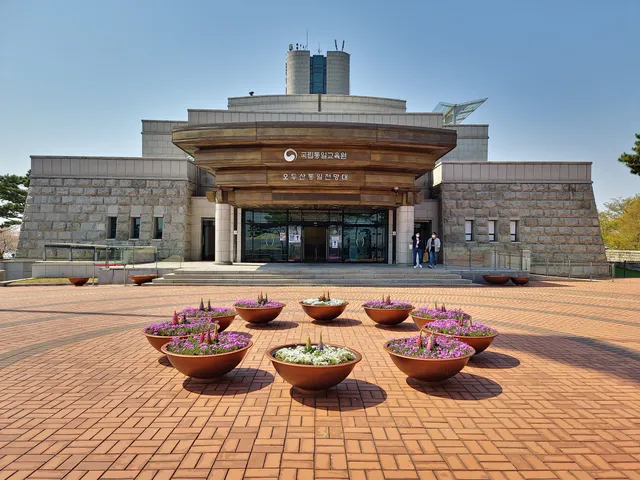

 Learn more insights from Wanderboat AI.