HTML SitemapExplore
logo
Find Things to DoFind The Best Restaurants

Medina Azahara - Conjunto Arqueológico Madinat al-Zahra — Attraction in Córdoba

Name
Medina Azahara - Conjunto Arqueológico Madinat al-Zahra
Description
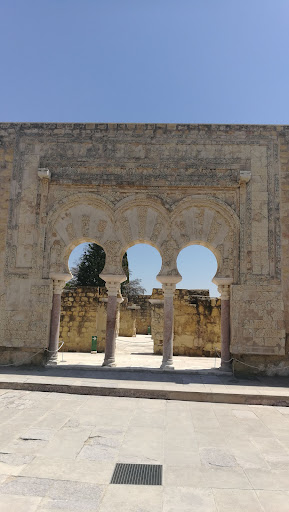
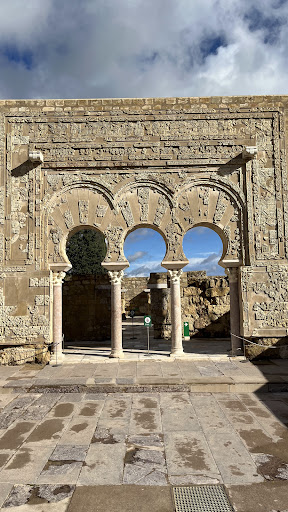
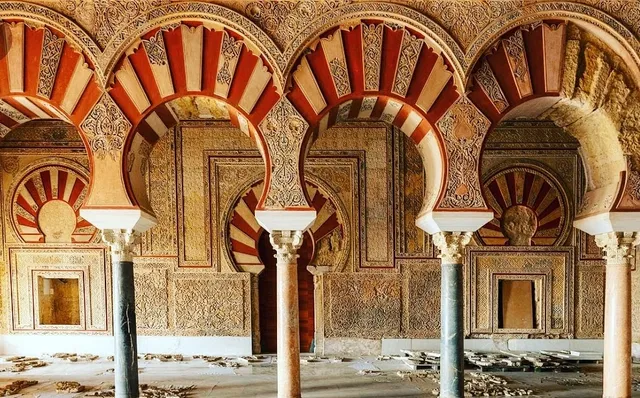
Madinat al-Zahra or Medina Azahara was a fortified palace-city on the western outskirts of Córdoba in present-day Spain. Its remains are a major archaeological site today. The city was built in the 10th century by Abd ar-Rahman III, a member of the Umayyad dynasty and the first caliph of Al-Andalus.
Nearby attractions
Nearby restaurants
Related posts
Keywords
Medina Azahara - Conjunto Arqueológico Madinat al-Zahra tourism.Medina Azahara - Conjunto Arqueológico Madinat al-Zahra hotels.Medina Azahara - Conjunto Arqueológico Madinat al-Zahra bed and breakfast. flights to Medina Azahara - Conjunto Arqueológico Madinat al-Zahra.Medina Azahara - Conjunto Arqueológico Madinat al-Zahra attractions.Medina Azahara - Conjunto Arqueológico Madinat al-Zahra restaurants.Medina Azahara - Conjunto Arqueológico Madinat al-Zahra travel.Medina Azahara - Conjunto Arqueológico Madinat al-Zahra travel guide.Medina Azahara - Conjunto Arqueológico Madinat al-Zahra travel blog.Medina Azahara - Conjunto Arqueológico Madinat al-Zahra pictures.Medina Azahara - Conjunto Arqueológico Madinat al-Zahra photos.Medina Azahara - Conjunto Arqueológico Madinat al-Zahra travel tips.Medina Azahara - Conjunto Arqueológico Madinat al-Zahra maps.Medina Azahara - Conjunto Arqueológico Madinat al-Zahra things to do.
Medina Azahara - Conjunto Arqueológico Madinat al-Zahra things to do, attractions, restaurants, events info and trip planning
Medina Azahara - Conjunto Arqueológico Madinat al-Zahra
SpainAndalusiaCórdobaMedina Azahara - Conjunto Arqueológico Madinat al-Zahra

Basic Info

Medina Azahara - Conjunto Arqueológico Madinat al-Zahra

Ctra. Palma del Río, km 5, 5, 14005 Córdoba, Spain
4.5(7.2K)
Open 24 hours
Save
spot

Ratings & Description

Info

Madinat al-Zahra or Medina Azahara was a fortified palace-city on the western outskirts of Córdoba in present-day Spain. Its remains are a major archaeological site today. The city was built in the 10th century by Abd ar-Rahman III, a member of the Umayyad dynasty and the first caliph of Al-Andalus.

Cultural
Outdoor
Accessibility
attractions: , restaurants:
logoLearn more insights from Wanderboat AI.
Phone
+34 957 10 49 33
Website
museosdeandalucia.es

Plan your stay

hotel
Pet-friendly Hotels in Córdoba
Find a cozy hotel nearby and make it a full experience.

hotel
Affordable Hotels in Córdoba
Find a cozy hotel nearby and make it a full experience.

hotel
The Coolest Hotels You Haven't Heard Of (Yet)
Find a cozy hotel nearby and make it a full experience.

hotel
Trending Stays Worth the Hype in Córdoba
Find a cozy hotel nearby and make it a full experience.

Reviews

Things to do nearby

Olive Oil Tasting Experience
Fri, Dec 5 • 10:30 AM
14003, Córdoba, Andalusia, Spain
View details
Bike tour Córdoba - Discover the city by bike!
Fri, Dec 5 • 10:00 AM
14001, Córdoba, Andalusia, Spain
View details
City tour Cordoba : Explore Córdobas highlights
Thu, Dec 4 • 1:15 PM
14002, Córdoba, Andalucía, Spain
View details
Get the Appoverlay
Get the AppOne tap to find yournext favorite spots!
Wanderboat LogoWanderboat

Your everyday Al companion for getaway ideas

CompanyAbout Us
InformationAI Trip PlannerSitemap
SocialXInstagramTiktokLinkedin
LegalTerms of ServicePrivacy Policy

Get the app

© 2025 Wanderboat. All rights reserved.
logo

Reviews of Medina Azahara - Conjunto Arqueológico Madinat al-Zahra

4.5
(7,217)
avatar
2.0
6y

Disappointing, especially after visiting spectacular sites like the Mezquite. If you've exhausted all the other major sites in Cordoba, it is worth a visit. Otherwise, I'd pass.

I am a history and archaeology buff and expected a site that was in ruins. My problem was that I found that the site was poorly restored. For serious archaeology fans like myself, the reconstruction was visibly not in keeping with the original work. For the casual visitor, the site is comprised mostly of walls with a few spots of interesting columns. Those spots however are less impressive than the Mezquite. And the columns appear to be almost entirely modern reconstructions.

I was further let down because pictures in some of the promotional material suggested I would see some grand rooms complete with a roof. While these rooms exist, they are currently closed to the public.

I did the night visit. The scenery was pleasant. But you cannot go to the museum. If I had to suggest an option, I'd do the museum and the site as an add on. The museum seemed to have some interesting artifacts worth seeing.

While there was some English, I found the descriptive material to be poor. There was an instructional video on the bus on the way to the site. But the video was fuzzy at times, and the English subtitles almost impossible to read. Even the Spanish version was overly technical and not user friendly to the average person.

I've taken the time to write all this because the site is clearly important and of tremendous significance. I would like it to attract more visitors. I believe improvements to the presentation of the instructional material for visitors would go a long way. The ad material should also make it clear that certain parts of the site found in photos are currently inaccessible.

If the curators of the site are reading this review, I would suggest a fresh look at how visitors are guided through the site. Perhaps even taking a different approach which uses audio-visual displays/images throughout the site to illustrate in various rooms how life would have been 1000 years ago. There are high walls that could be used to project images on. This would have a wow factor and educational value. Archaeological purists might be upset but the reality is that past restoration work has been far from perfect (which is understandable given past techniques and costs). So might as well taken a...

   Read more
avatar
3.0
7y

The place is outside Cordoba, consists in a museum and the archeological site. The only ways of getting here are by car or touristic bus. In our case, we chose the bus, which you can book online from the tourist information website with a cost of 9€ with 5% discount. This ticket also covers another bus that you have to take to go from the museum to the actual archeological site, so that's good. The bus hours from Cordoba are a bit restrictive but it is what it is. Ok, we got to the museum and in my opinion it is very enjoyable, with lots of information to look at and things to see. There's also a projection with a 3D reproduction of the site that helps you get an idea of how the place used to be, very good, although the video was glitchy at times. After this we took the bus to the site. I was very excited to see the ruins, and specially the Rich Hall, which is advertised on every pamphlet and websites of the place. Well, I got a huge disappointment when I arrived and saw that I couldn't enter it. I asked the workers and they told me there is some kind of conflict with the people renovating the place and the government since 2009, and since then the place is closed down to the public. Ok, I can understand the problems of bureaucracy, but at least they should put up a disclaimer in the site advertising it, because I'm sure there are tons of visitors travelling all the way to visit the site expecting to see this place and they come back without having done so. Don't get me wrong, the rest is beautiful as well but the Rich Hall is the most interesting part from what I've heard. But I don't know because I haven't seen it. And no one advice me of it, there is no information about this anywhere nor the internet. In fact, I wanted to file an official complaint saying all this, but due to the tight bus times I unfortunately couldn't. So I hope this serves as information for future visitors. Still, the place is very interesting if you...

   Read more
avatar
5.0
2y

Medina Azahara in Cordoba is an extraordinary historical site, a true testament to the grandeur of early Islamic architecture and cultural wealth in Spain. Nestled in the rolling hills just outside Cordoba, this vast archaeological complex captivates visitors with its stunning ruins, which once comprised a palatial city built in the 10th century by Abd-ar-Rahman III, the Umayyad Caliph of Cordoba.

As you step into Medina Azahara, you are instantly transported back in time. The site is a marvel of artistry and engineering, showcasing the sophisticated urban planning and exquisite decorative arts of the Andalusian Umayyad period. The remnants of the palaces, with their intricate arches and ornate carvings, speak volumes of the opulence and power of the Caliphate.

The visitor center offers an insightful and well-organized introduction to the site's history, complete with interactive exhibits and a detailed model of how the city would have looked in its heyday. This sets the stage for an immersive exploration of the ruins.

Wandering through the archaeological site, you can't help but be awed by the grandiosity of the main hall, the House of Yafar, and the remnants of richly decorated reception rooms. These structures, though partially restored, still exude an air of ancient splendor and mystery.

For history buffs and architecture enthusiasts, Medina Azahara is a treasure trove of learning. The site not only reflects the artistic and cultural zenith of the Umayyad dynasty but also offers a glimpse into the political and social aspects of life during that era.

Medina Azahara is more than just a historical site; it's a captivating journey into a bygone era that played a crucial role in shaping Andalusian, and indeed, European history. Whether you're a lover of history, architecture, or just someone in search of a unique travel experience, Medina Azahara in Cordoba is a destination that should...

   Read more
Page 1 of 7
Previous
Next

Posts

Claudia DiazClaudia Diaz
The place is outside Cordoba, consists in a museum and the archeological site. The only ways of getting here are by car or touristic bus. In our case, we chose the bus, which you can book online from the tourist information website with a cost of 9€ with 5% discount. This ticket also covers another bus that you have to take to go from the museum to the actual archeological site, so that's good. The bus hours from Cordoba are a bit restrictive but it is what it is. Ok, we got to the museum and in my opinion it is very enjoyable, with lots of information to look at and things to see. There's also a projection with a 3D reproduction of the site that helps you get an idea of how the place used to be, very good, although the video was glitchy at times. After this we took the bus to the site. I was very excited to see the ruins, and specially the Rich Hall, which is advertised on every pamphlet and websites of the place. Well, I got a huge disappointment when I arrived and saw that I couldn't enter it. I asked the workers and they told me there is some kind of conflict with the people renovating the place and the government since 2009, and since then the place is closed down to the public. Ok, I can understand the problems of bureaucracy, but at least they should put up a disclaimer in the site advertising it, because I'm sure there are tons of visitors travelling all the way to visit the site expecting to see this place and they come back without having done so. Don't get me wrong, the rest is beautiful as well but the Rich Hall is the most interesting part from what I've heard. But I don't know because I haven't seen it. And no one advice me of it, there is no information about this anywhere nor the internet. In fact, I wanted to file an official complaint saying all this, but due to the tight bus times I unfortunately couldn't. So I hope this serves as information for future visitors. Still, the place is very interesting if you like history.
Ahmed BashaAhmed Basha
Medina Azahara in Cordoba is an extraordinary historical site, a true testament to the grandeur of early Islamic architecture and cultural wealth in Spain. Nestled in the rolling hills just outside Cordoba, this vast archaeological complex captivates visitors with its stunning ruins, which once comprised a palatial city built in the 10th century by Abd-ar-Rahman III, the Umayyad Caliph of Cordoba. As you step into Medina Azahara, you are instantly transported back in time. The site is a marvel of artistry and engineering, showcasing the sophisticated urban planning and exquisite decorative arts of the Andalusian Umayyad period. The remnants of the palaces, with their intricate arches and ornate carvings, speak volumes of the opulence and power of the Caliphate. The visitor center offers an insightful and well-organized introduction to the site's history, complete with interactive exhibits and a detailed model of how the city would have looked in its heyday. This sets the stage for an immersive exploration of the ruins. Wandering through the archaeological site, you can't help but be awed by the grandiosity of the main hall, the House of Yafar, and the remnants of richly decorated reception rooms. These structures, though partially restored, still exude an air of ancient splendor and mystery. For history buffs and architecture enthusiasts, Medina Azahara is a treasure trove of learning. The site not only reflects the artistic and cultural zenith of the Umayyad dynasty but also offers a glimpse into the political and social aspects of life during that era. Medina Azahara is more than just a historical site; it's a captivating journey into a bygone era that played a crucial role in shaping Andalusian, and indeed, European history. Whether you're a lover of history, architecture, or just someone in search of a unique travel experience, Medina Azahara in Cordoba is a destination that should not be missed.
Mazen ChoumariMazen Choumari
‼️A must-visit site, but be mindful of biased tour guides!!!!! Visiting Madinat al-Zahra was a fascinating experience. The site itself is stunning and full of rich history. Built in the 10th century by Abd al-Rahman III, the first Umayyad Caliph of Al-Andalus, it was once a magnificent city with over 14,000 palaces. It symbolized the peak of Islamic civilization in Spain, with incredible architecture, gardens, and cultural advancement. Sadly, it was destroyed only about 70 years later during civil conflicts and was lost for centuries. The ruins are impressive, and the nearby museum gives a great glimpse into what life was like there. I highly recommend the site itself for anyone interested in the real history of Al-Andalus. However, one downside was that some of the tour guide commentary was historically inaccurate and biased. One guide shared unverified and misleading claims, such as portraying Arabs as violent invaders and making references to questionable stories about kidnapped children, without offering any sources. This overlooks the well-documented reality that Al-Andalus was a center of tolerance, science, and progress, especially at a time when much of Europe was still emerging from instability. It’s important to remember that Islamic law during that era was remarkably progressive, even granting clear rights to slaves and promoting fair treatment and freedom. It also doesn’t make sense to ignore the violence and persecution that took place after the fall of Al-Andalus, including forced conversions, expulsions, and the Spanish Inquisition, which deeply affected both Muslims and Jews. So while the site is absolutely worth visiting for its historical and cultural value, I recommend doing some reading in advance or ensuring you choose a well-informed guide who sticks to the facts. Context matters, and history deserves to be told with fairness.
See more posts
See more posts
hotel
Find your stay

Pet-friendly Hotels in Córdoba

Find a cozy hotel nearby and make it a full experience.

The place is outside Cordoba, consists in a museum and the archeological site. The only ways of getting here are by car or touristic bus. In our case, we chose the bus, which you can book online from the tourist information website with a cost of 9€ with 5% discount. This ticket also covers another bus that you have to take to go from the museum to the actual archeological site, so that's good. The bus hours from Cordoba are a bit restrictive but it is what it is. Ok, we got to the museum and in my opinion it is very enjoyable, with lots of information to look at and things to see. There's also a projection with a 3D reproduction of the site that helps you get an idea of how the place used to be, very good, although the video was glitchy at times. After this we took the bus to the site. I was very excited to see the ruins, and specially the Rich Hall, which is advertised on every pamphlet and websites of the place. Well, I got a huge disappointment when I arrived and saw that I couldn't enter it. I asked the workers and they told me there is some kind of conflict with the people renovating the place and the government since 2009, and since then the place is closed down to the public. Ok, I can understand the problems of bureaucracy, but at least they should put up a disclaimer in the site advertising it, because I'm sure there are tons of visitors travelling all the way to visit the site expecting to see this place and they come back without having done so. Don't get me wrong, the rest is beautiful as well but the Rich Hall is the most interesting part from what I've heard. But I don't know because I haven't seen it. And no one advice me of it, there is no information about this anywhere nor the internet. In fact, I wanted to file an official complaint saying all this, but due to the tight bus times I unfortunately couldn't. So I hope this serves as information for future visitors. Still, the place is very interesting if you like history.
Claudia Diaz

Claudia Diaz

hotel
Find your stay

Affordable Hotels in Córdoba

Find a cozy hotel nearby and make it a full experience.

Get the Appoverlay
Get the AppOne tap to find yournext favorite spots!
Medina Azahara in Cordoba is an extraordinary historical site, a true testament to the grandeur of early Islamic architecture and cultural wealth in Spain. Nestled in the rolling hills just outside Cordoba, this vast archaeological complex captivates visitors with its stunning ruins, which once comprised a palatial city built in the 10th century by Abd-ar-Rahman III, the Umayyad Caliph of Cordoba. As you step into Medina Azahara, you are instantly transported back in time. The site is a marvel of artistry and engineering, showcasing the sophisticated urban planning and exquisite decorative arts of the Andalusian Umayyad period. The remnants of the palaces, with their intricate arches and ornate carvings, speak volumes of the opulence and power of the Caliphate. The visitor center offers an insightful and well-organized introduction to the site's history, complete with interactive exhibits and a detailed model of how the city would have looked in its heyday. This sets the stage for an immersive exploration of the ruins. Wandering through the archaeological site, you can't help but be awed by the grandiosity of the main hall, the House of Yafar, and the remnants of richly decorated reception rooms. These structures, though partially restored, still exude an air of ancient splendor and mystery. For history buffs and architecture enthusiasts, Medina Azahara is a treasure trove of learning. The site not only reflects the artistic and cultural zenith of the Umayyad dynasty but also offers a glimpse into the political and social aspects of life during that era. Medina Azahara is more than just a historical site; it's a captivating journey into a bygone era that played a crucial role in shaping Andalusian, and indeed, European history. Whether you're a lover of history, architecture, or just someone in search of a unique travel experience, Medina Azahara in Cordoba is a destination that should not be missed.
Ahmed Basha

Ahmed Basha

hotel
Find your stay

The Coolest Hotels You Haven't Heard Of (Yet)

Find a cozy hotel nearby and make it a full experience.

hotel
Find your stay

Trending Stays Worth the Hype in Córdoba

Find a cozy hotel nearby and make it a full experience.

‼️A must-visit site, but be mindful of biased tour guides!!!!! Visiting Madinat al-Zahra was a fascinating experience. The site itself is stunning and full of rich history. Built in the 10th century by Abd al-Rahman III, the first Umayyad Caliph of Al-Andalus, it was once a magnificent city with over 14,000 palaces. It symbolized the peak of Islamic civilization in Spain, with incredible architecture, gardens, and cultural advancement. Sadly, it was destroyed only about 70 years later during civil conflicts and was lost for centuries. The ruins are impressive, and the nearby museum gives a great glimpse into what life was like there. I highly recommend the site itself for anyone interested in the real history of Al-Andalus. However, one downside was that some of the tour guide commentary was historically inaccurate and biased. One guide shared unverified and misleading claims, such as portraying Arabs as violent invaders and making references to questionable stories about kidnapped children, without offering any sources. This overlooks the well-documented reality that Al-Andalus was a center of tolerance, science, and progress, especially at a time when much of Europe was still emerging from instability. It’s important to remember that Islamic law during that era was remarkably progressive, even granting clear rights to slaves and promoting fair treatment and freedom. It also doesn’t make sense to ignore the violence and persecution that took place after the fall of Al-Andalus, including forced conversions, expulsions, and the Spanish Inquisition, which deeply affected both Muslims and Jews. So while the site is absolutely worth visiting for its historical and cultural value, I recommend doing some reading in advance or ensuring you choose a well-informed guide who sticks to the facts. Context matters, and history deserves to be told with fairness.
Mazen Choumari

Mazen Choumari

See more posts
See more posts