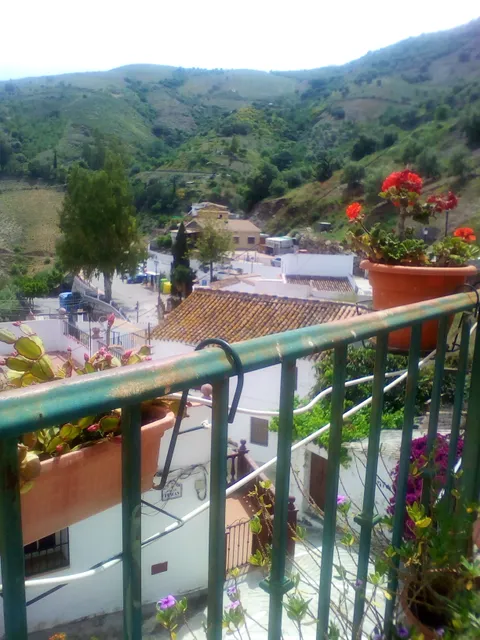
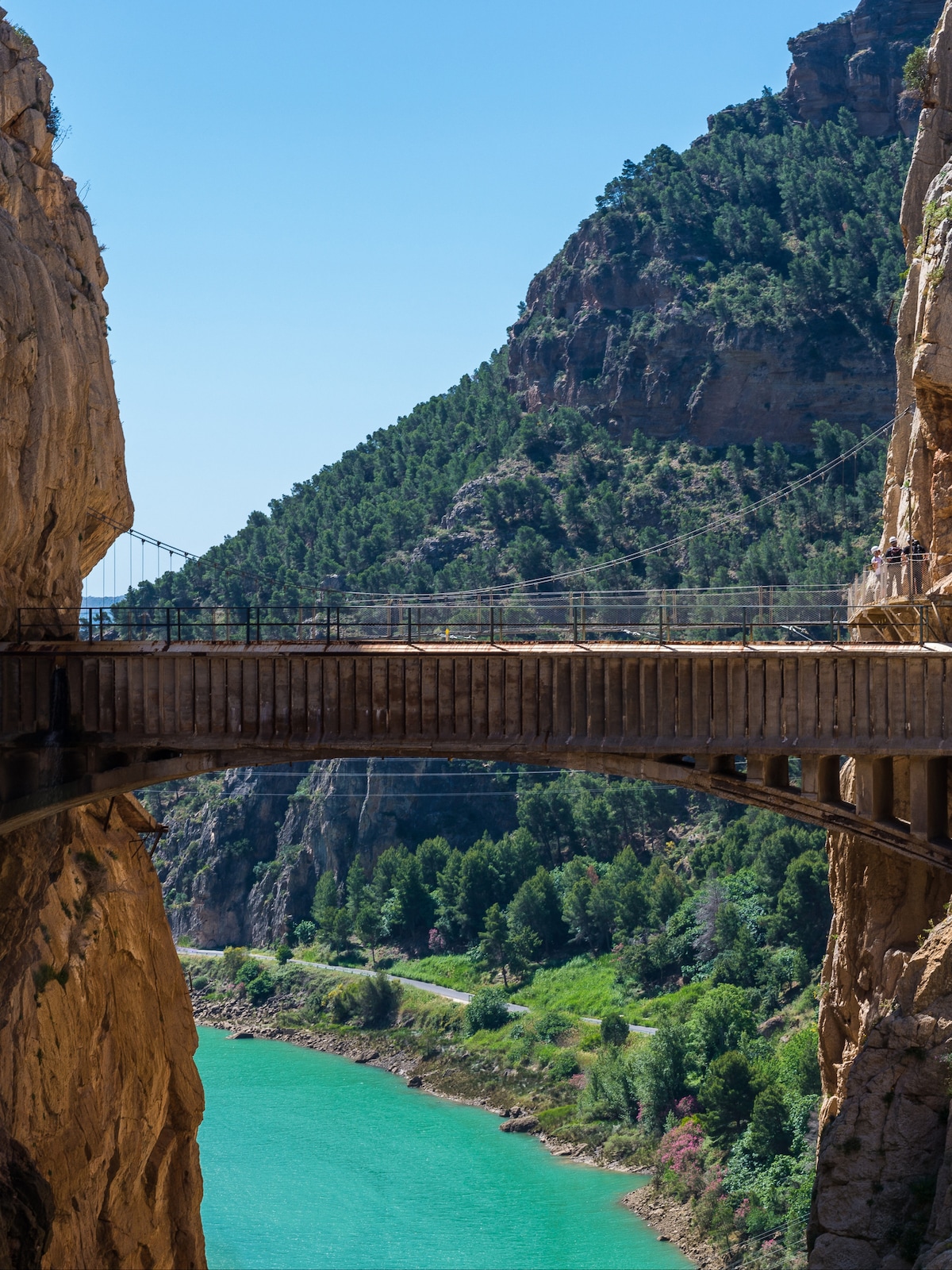
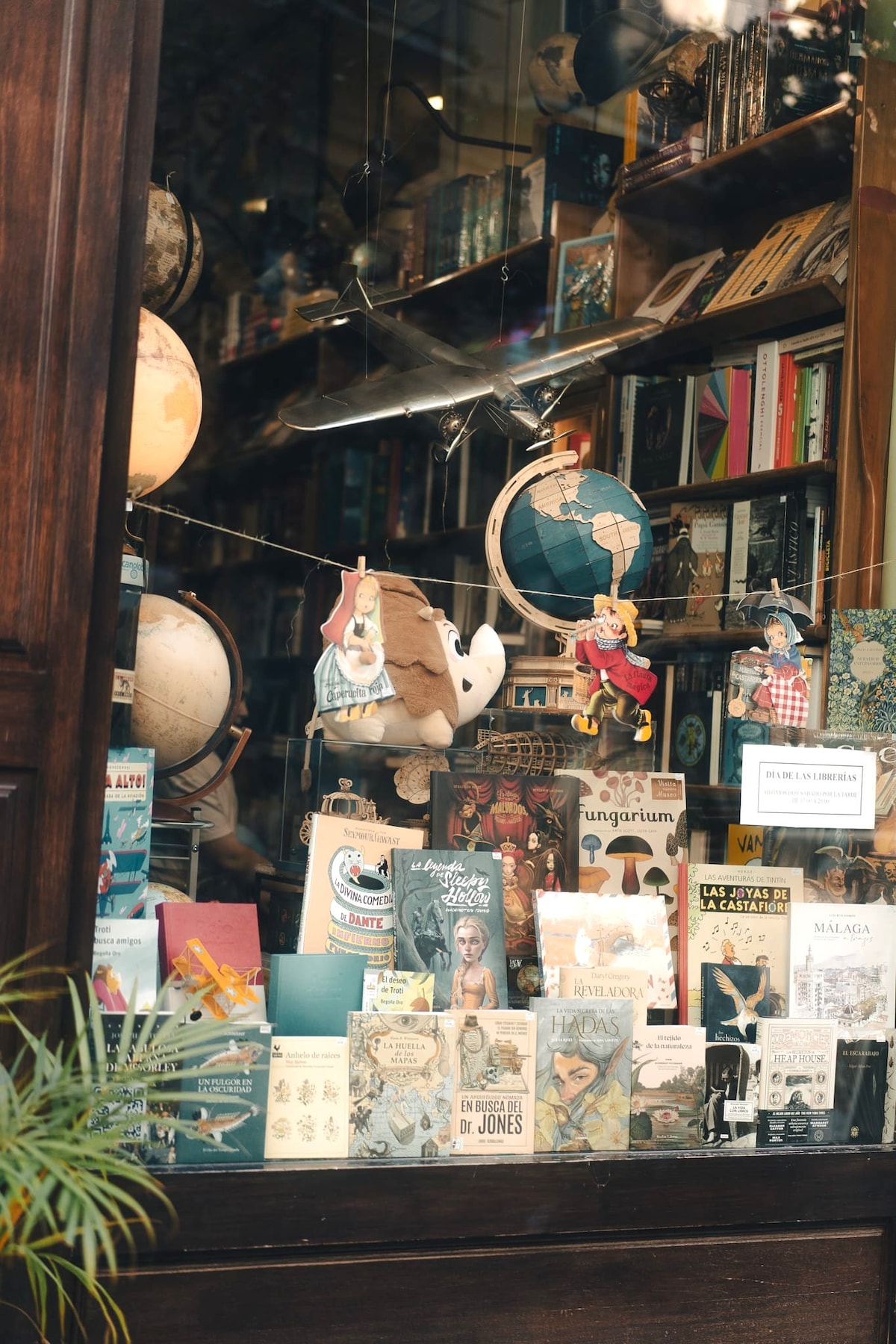
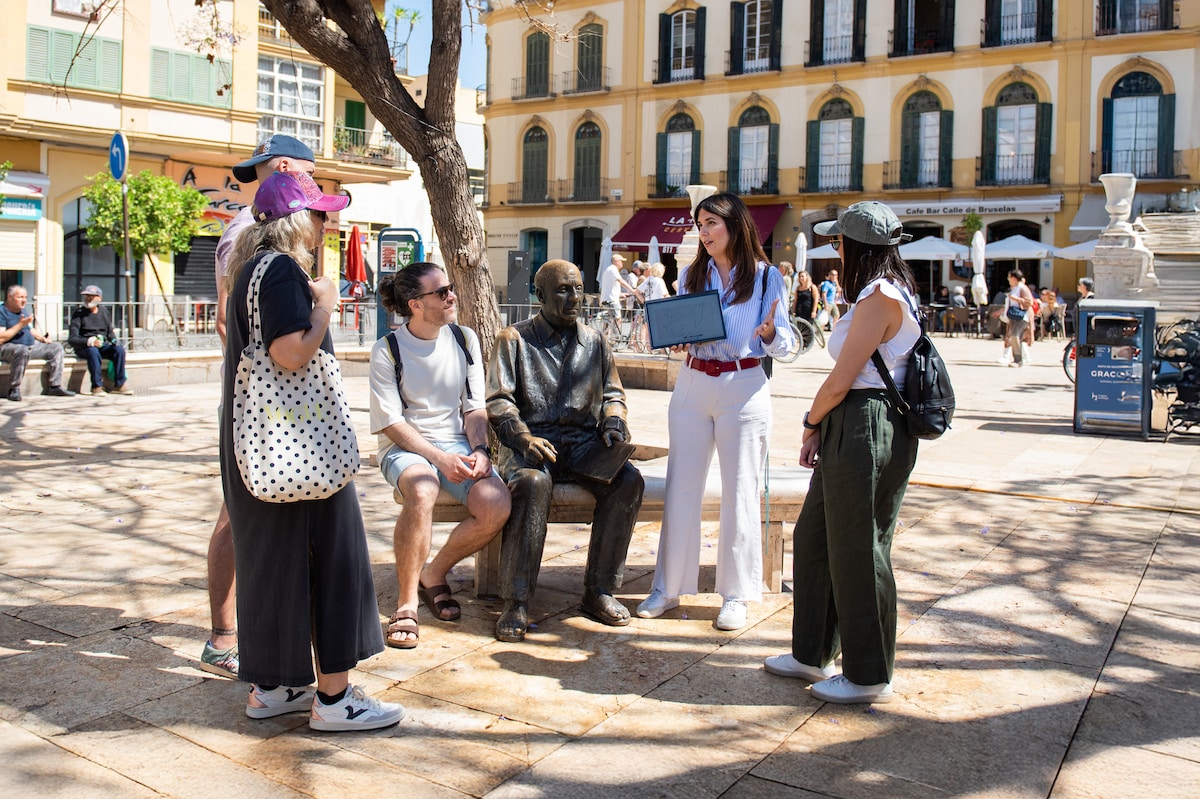
Thank you Rúben for all your explanations. I had a very pleasant stay in Cútar. Rúben is very knowledgeable and passionate about the history of Andalusia. He is an excellent guide.
It's a small, free museum that the town council decided to build to pay tribute to the last Andalusian Muslims, and in particular to Muhammad b. Ali al-Yayyār al-Ansārĩ.
HISTORY :
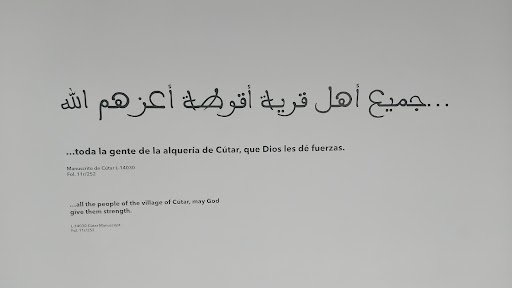
On 30 June 2003, during the renovation of the house at number 3 Hornos Street in Cútar, three volumes written in Arabic were discovered in a niche in one of the walls on the upper floor of the house. They were encased in sand and straw.
Muhammad b. Ali al-Yayyār al-Ansārĩ is the copyist and author of several of the works in the manuscripts, and was the alfaqui (legal advisor) and imam (religious leader) of Cútar from 1490 until possibly 1500, the last date on his documents.
As well as being an alfaqui and an imam, Muhammad al-Yayyār is also described as faqīr, 'poor', in the sense that he had renounced all wealth.
After the conquest of Malaga by the Catholic Monarchs in 1487, he was arrested and sent as a prisoner to Seville, where he worked as a copyist in the house of the military governor of Andalusia. He was released in March 1490, possibly through the mediation of Ali al-Durdūš, the chief magistrate of the diocese of Málaga.
On 9 August 1490, Alfaqui arrived in Cútar with his family as imam of the mosque, under the protection of the Treaty of Capitulation, which allowed the Muslim population to keep their language, religion, customs and laws.
As a result of Castile's violation of these treaties, the possession of books in Arabic was forbidden, which led al-Yayyar to hide a Koran and two manuscripts in the walls of his house to prevent their destruction, in the hope that one day they would be rescued...
Read moreEl museo del Monfí está destinado a poner en valor toda la cultura morisca de Cútar. El término hace referencia al “destierro o exilio” que vivieron los musulmanes tras la reconquista con conversiones forzadas. La aparición de unos libros manuscritos de la época morisca ha puesto en valor todo el esplendor que tuvo la villa durante ese tiempo. "Uno de los documentos, el libro de oficios del Alfaquí, es una especie de Vademecum de ámbito jurídico. El segundo documento más personal incluye poemas, sermones, etc. Sobre magia y astronomía. Este alfaquí, que llega a Cútar cuando ya no es musulmana, ya copiando obras a mano, incluso cuando estuvo preso en Sevilla. Intercalados en estos dos documentos hay otros de ámbito personal que arrojan datos sobre Cútar y Málaga, como tablas para reparto de herencia, cuadrados mágicos, conjuros y supersticiones populares." Durante la visita puedes disfrutar igualmente de elementos, objetos y selecciones fotográficas de las populares Fiestas del Monfí que se celebran cada...
Read moreEl Centro de Interpretación de la Alquería de Cútar, antes Museo del Monfi, inaugurado el pasado 7 de octubre enfocado hacia la antigua alquería y sus manuscritos andalusíes, expone de forma concisa y acertada nuestro pasado islámico y el forzado cambio de musulmanes a cristianos a comienzos del siglo XVI. Utilizan para ello los manuscritos y el corán de un alfaqui, que los escondió en aquellos tiempos y que encontraron casualmente en las obras de una casa del pueblo en 2003.
Su alcalde, Francisco Javier Ruiz Mérida, tiene en marcha varios proyectos para revitalizar este pueblo de Cútar, de poco más de 600 habitantes.
Antes vimos la fuente de la entrada al pueblo, la Aina Alcaharia, hoy mal llamada Fuente Árabe. Sería más correcto...
Read more