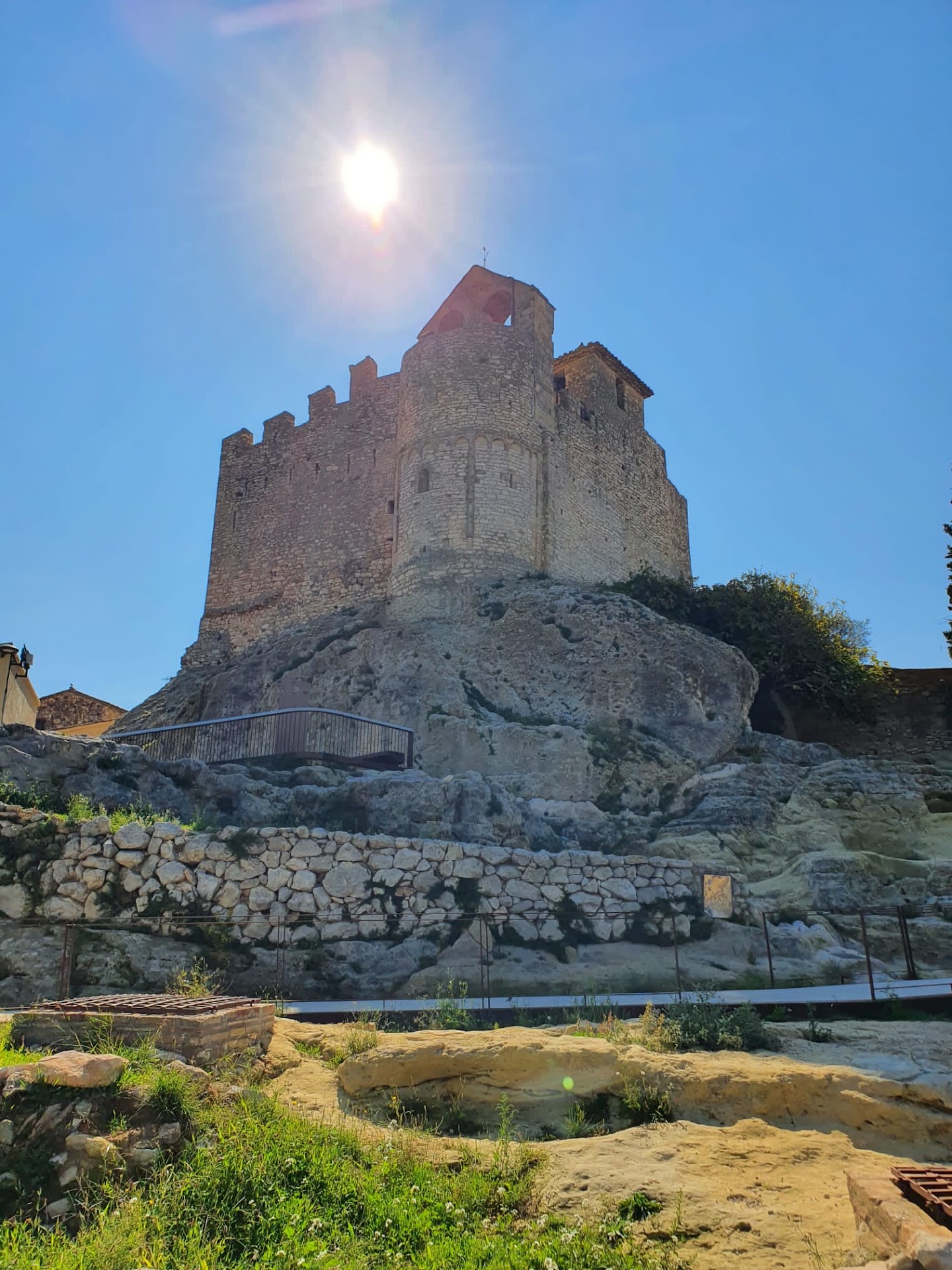
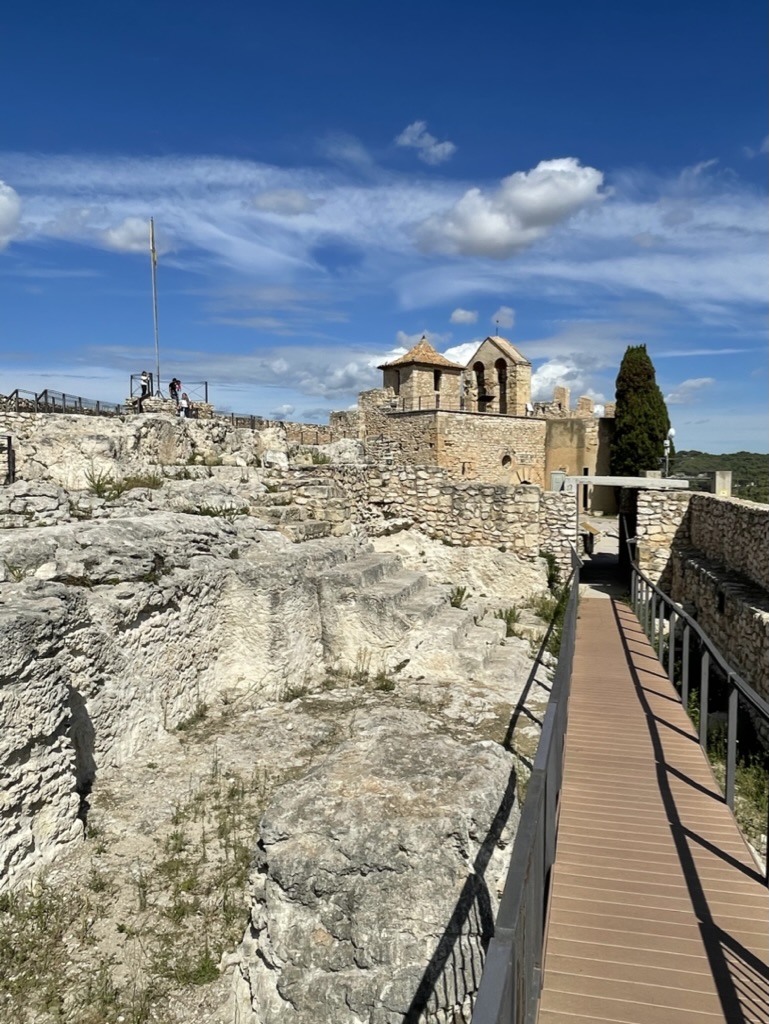
Castell de la Santa Creu de Calafell things to do, attractions, restaurants, events info and trip planning
Basic Info
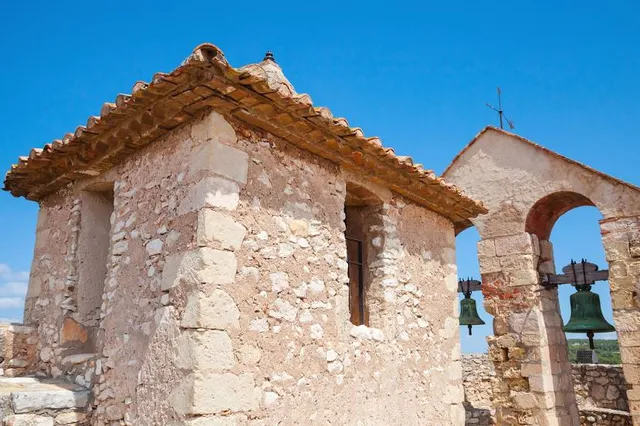
Castell de la Santa Creu de Calafell
Carrer de les Penyes, 11B, 43820 Calafell, Tarragona, Spain
4.4(1.1K)
Open until 12:00 AM
Save
spot
spot
Ratings & Description
Info
Cultural
Outdoor
Family friendly
attractions: Fira medieval de Calafell, Santa Creu de Calafell, Calafell Slide, restaurants: Cortala Loco, Restaurant Antiga, local businesses:
 Learn more insights from Wanderboat AI.
Phone
+34 977 69 00 81
Website
visit.calafell.cat
Open hoursSee all hours
TueClosedOpen
Plan your stay

Pet-friendly Hotels in Calafell
Find a cozy hotel nearby and make it a full experience.

Affordable Hotels in Calafell
Find a cozy hotel nearby and make it a full experience.

The Coolest Hotels You Haven't Heard Of (Yet)
Find a cozy hotel nearby and make it a full experience.

Trending Stays Worth the Hype in Calafell
Find a cozy hotel nearby and make it a full experience.
Reviews
Live events

Candlelight: Especial Día de San Valentín
Fri, Feb 13 • 7:00 PM
Carrer de Sant Pau, 4, Tarragona, 43003
View details
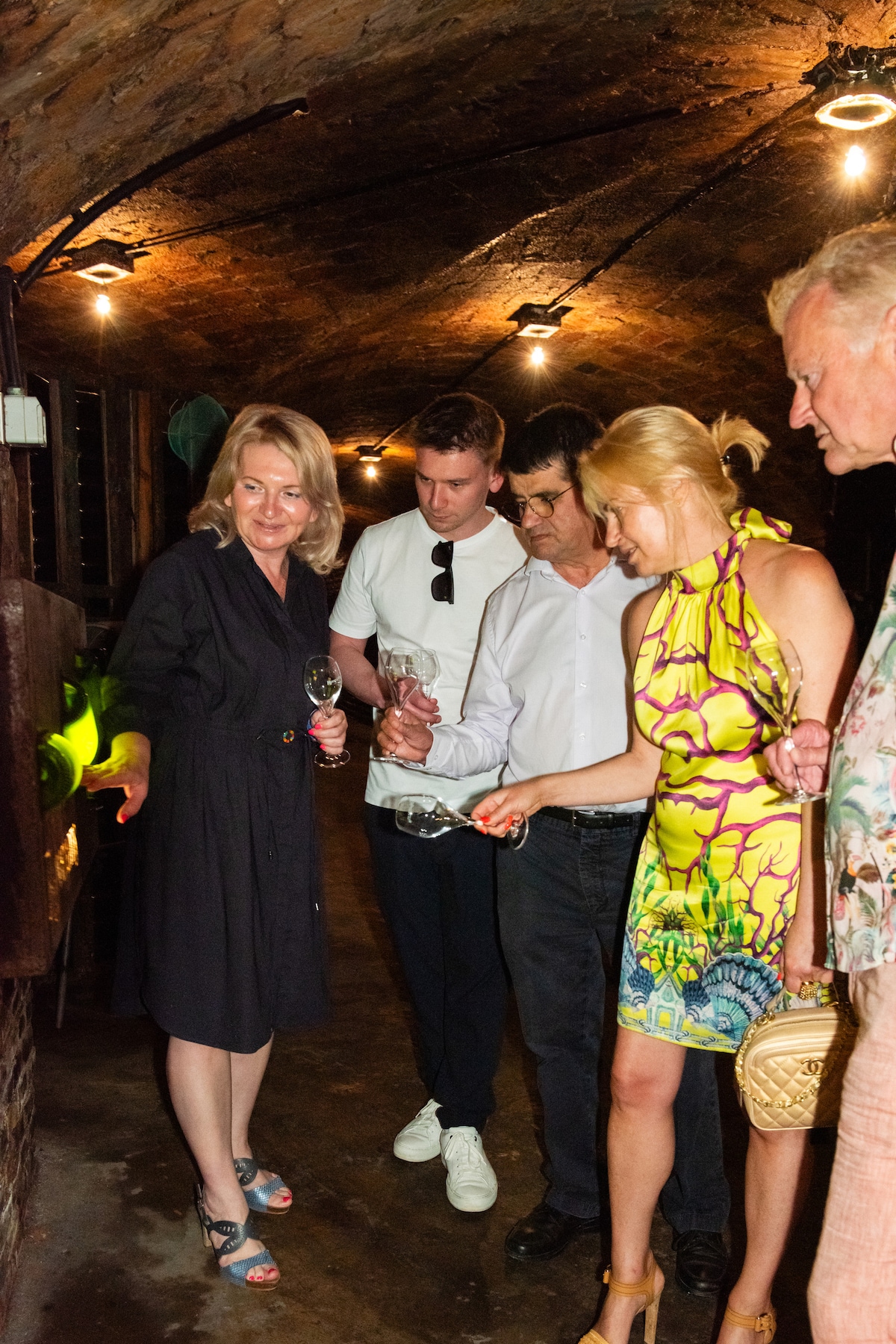
A Private Journey Through Sparkling Heritage
Tue, Feb 10 • 12:30 PM
08870, Sitges, Catalonia, Spain
View details
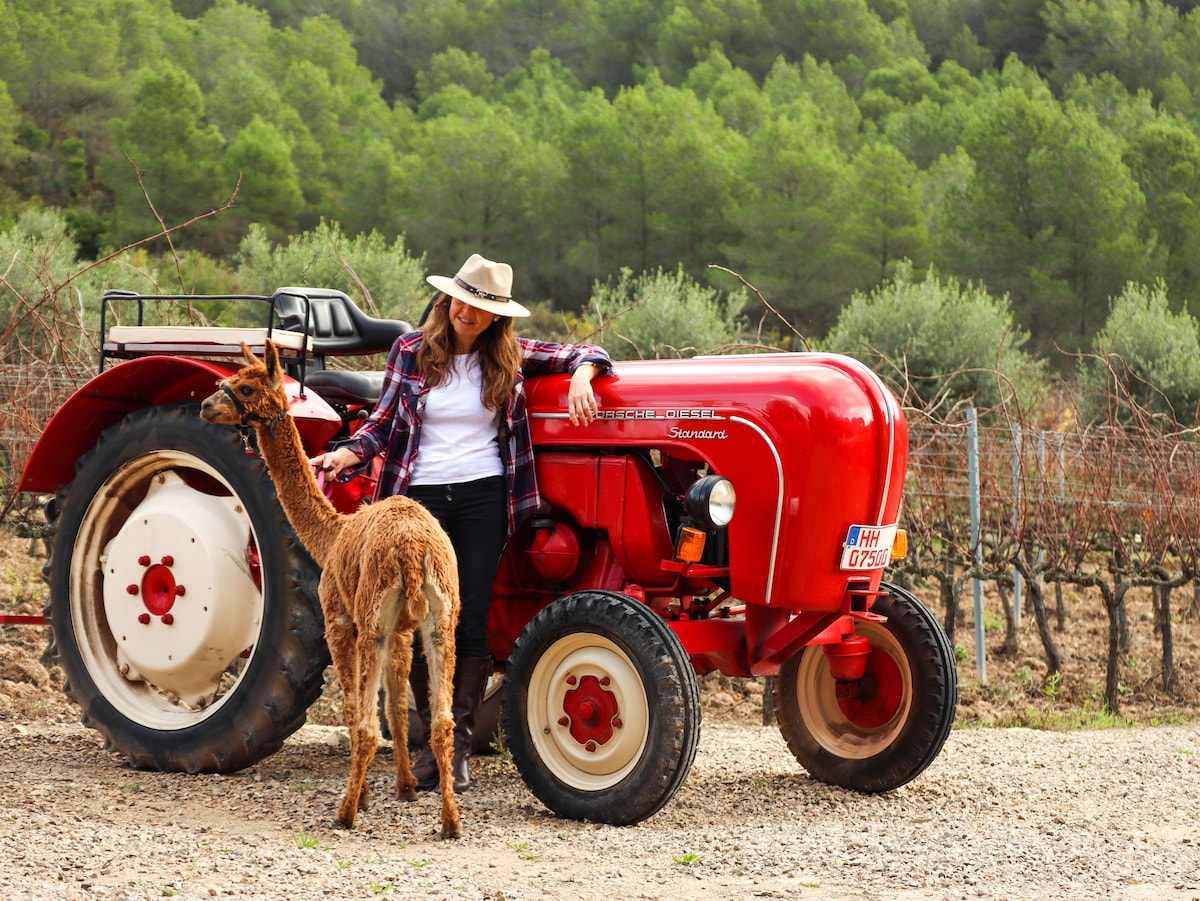
Wine tasting and alpacas in Can Marlès
Tue, Feb 10 • 11:00 AM
43812, Can Ferrer de la Cogullada, Catalonia, Spain
View details
Nearby attractions of Castell de la Santa Creu de Calafell
Fira medieval de Calafell
Santa Creu de Calafell
Calafell Slide
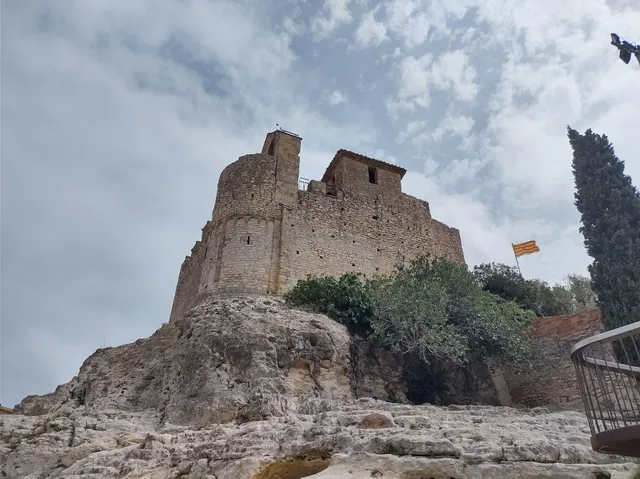
Fira medieval de Calafell
4.6
(30)
Open 24 hours
Click for details

Santa Creu de Calafell
4.4
(53)
Open until 12:00 AM
Click for details
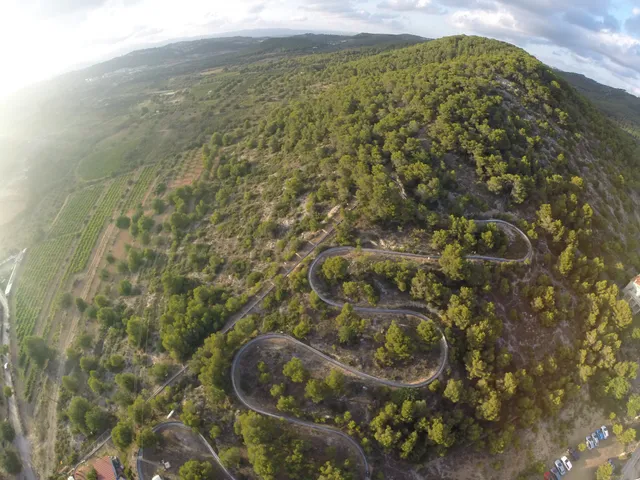
Calafell Slide
4.3
(1.1K)
Open 24 hours
Click for details
Nearby restaurants of Castell de la Santa Creu de Calafell
Cortala Loco
Restaurant Antiga
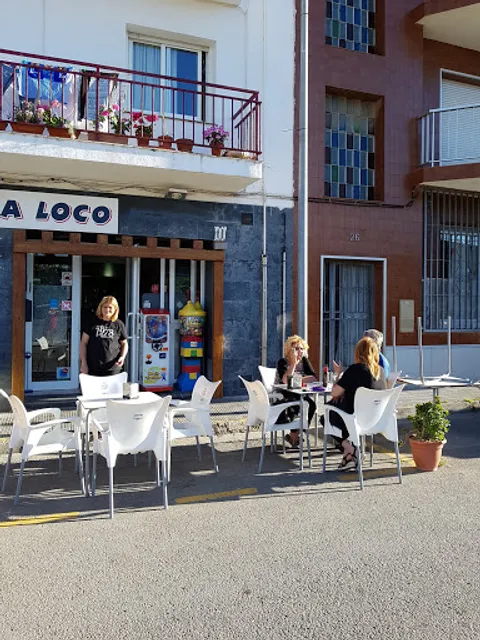
Cortala Loco
4.1
(105)
$
Closed
Click for details
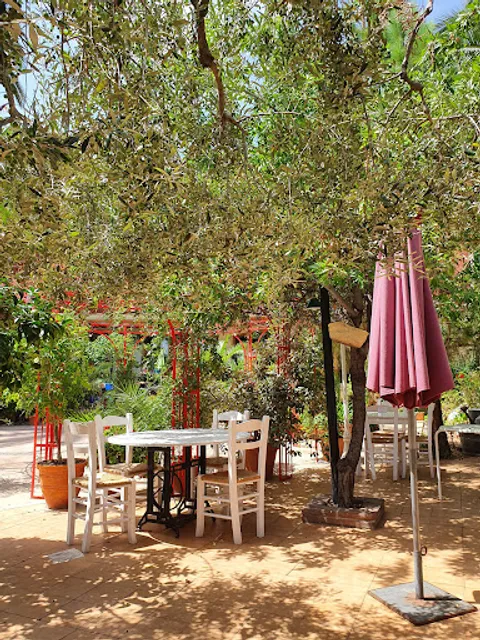
Restaurant Antiga
4.3
(7)
Open until 12:00 AM
Click for details